


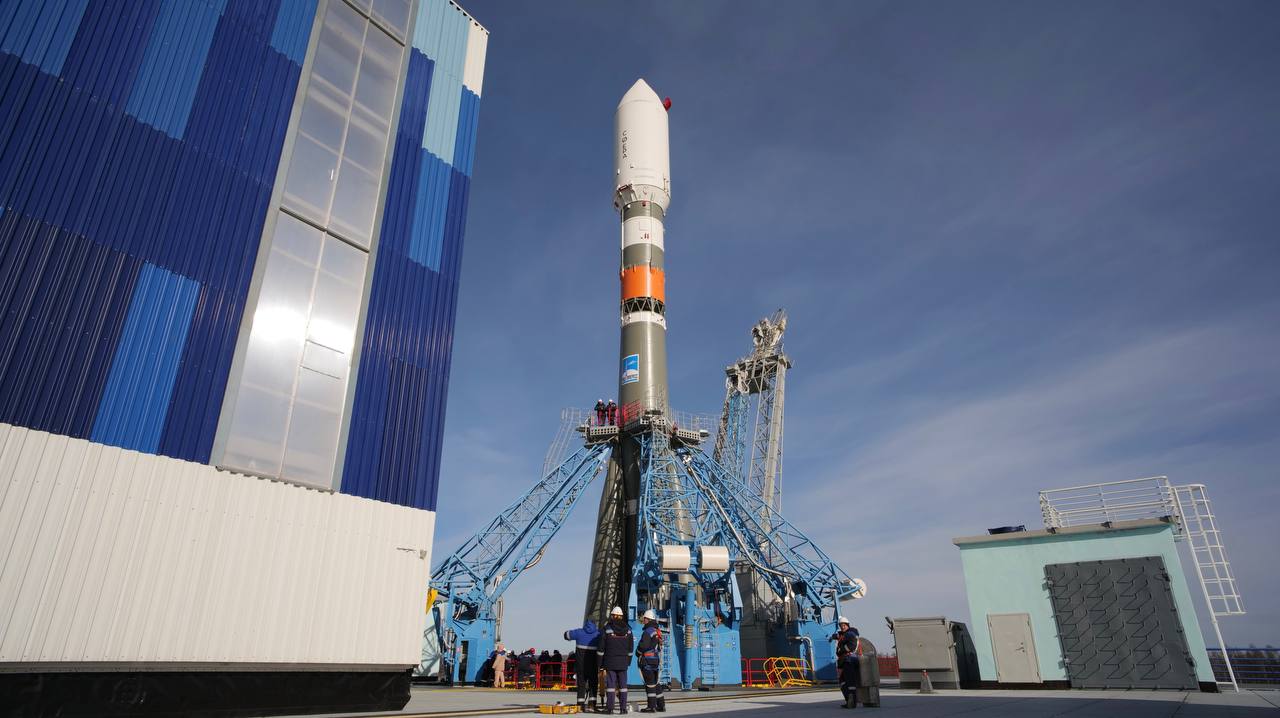
Space Brief 20 Dec 2025
Today's Space Brief focuses on multi-billion dollar contracts for missile-tracking satellites, developments in optical nuclear clock research, and innovative drone projects for military collaboration.


NORAD ID
43819
International Designator
2018-099BP
Epoch
Fri, 03 Jul 2026 19:35:09 GMT
Apogee
Calculating...
Perigee
Calculating...
Inclination
97.40°
Right Ascension
222.93°
Eccentricity
Calculating...
Argument of Perigee
296.80°
Period
95.58 min
Mean Motion
15.07 rev/day
Latitude
Calculating...
Longitude
Calculating...
Altitude
Calculating...
Velocity
Calculating...
Name
EXCITE
Alternative Name
eXCITe
Type
Status
Owner
DARPA2
Country
United States
Constellation
N/A
Related Satellites
Major Events
N/A
1 43819U 18099BP 26184.81608527 .00002176 00000-0 15064-3 0 9995
2 43819 97.3951 222.9276 0016617 296.8012 63.1516 15.06574565414252
Source: Celestrak
Length
1
Diameter
1
Span
1
Dry Mass
155
Launch Mass
155
Shape
Box
Radar Cross Section
Unknown
Visual Magnitude
Unknown
Color
Unknown
Material Composition
Unknown
Payload
PTB 1
Purpose
Technology
Mission
Technology
Manufacturer
NWURKS
Life Expectancy
2-9 weeks
Bus
HISat
Configuration
14 aggregated HiSat satlets
Motor
?
Equipment
Unknown
Power System
Solar cells, batteries
ADCS
Unknown
Transmitter Frequency
Unknown
Learn more about satellites and other related topics.
Today's Space Brief focuses on multi-billion dollar contracts for missile-tracking satellites, developments in optical nuclear clock research, and innovative drone projects for military collaboration.
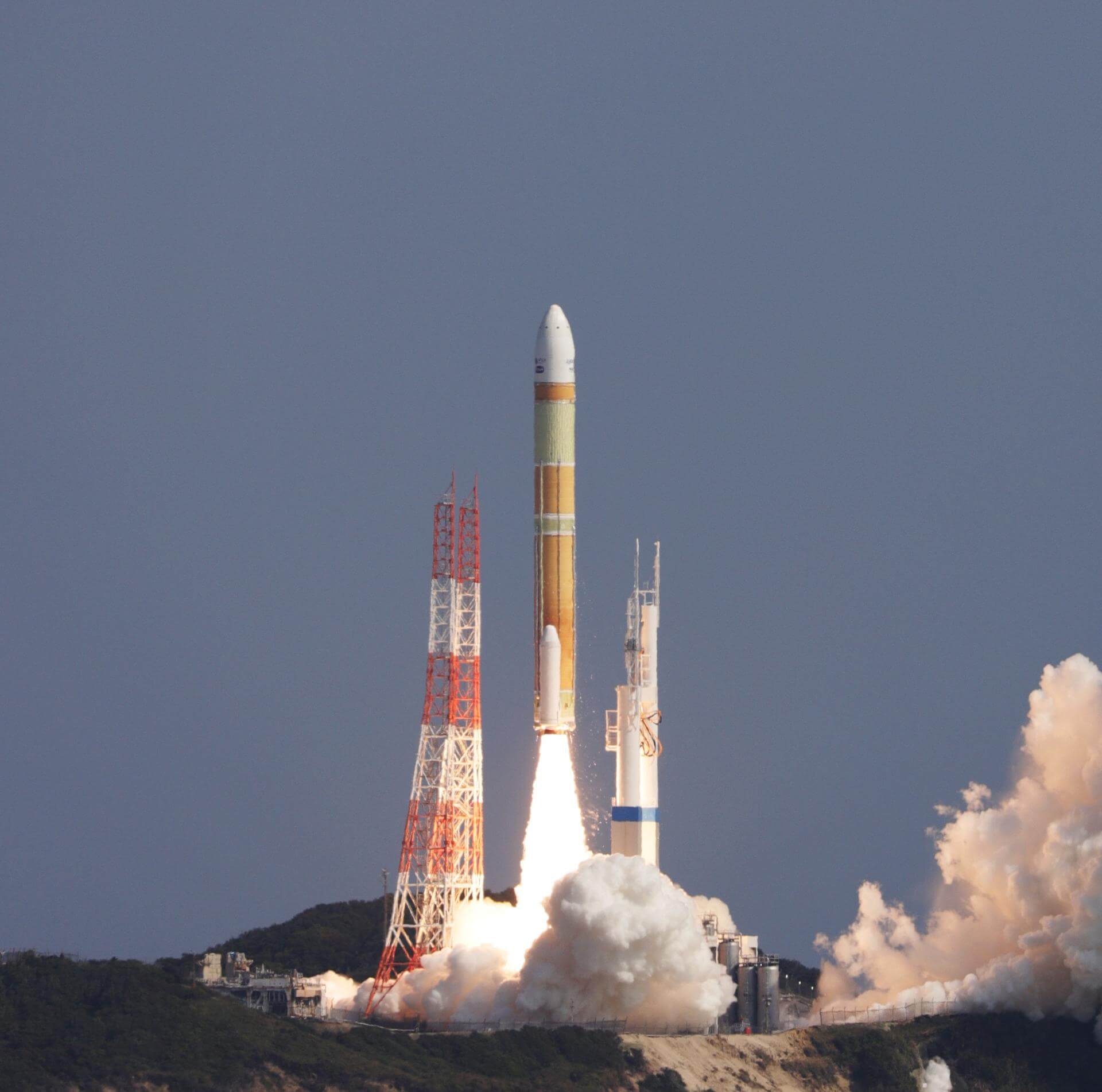
Today's highlights include defense sector investments, major military contracts with Rocket Lab, and a glimpse at new American Innovation dollar coins featuring space achievements.
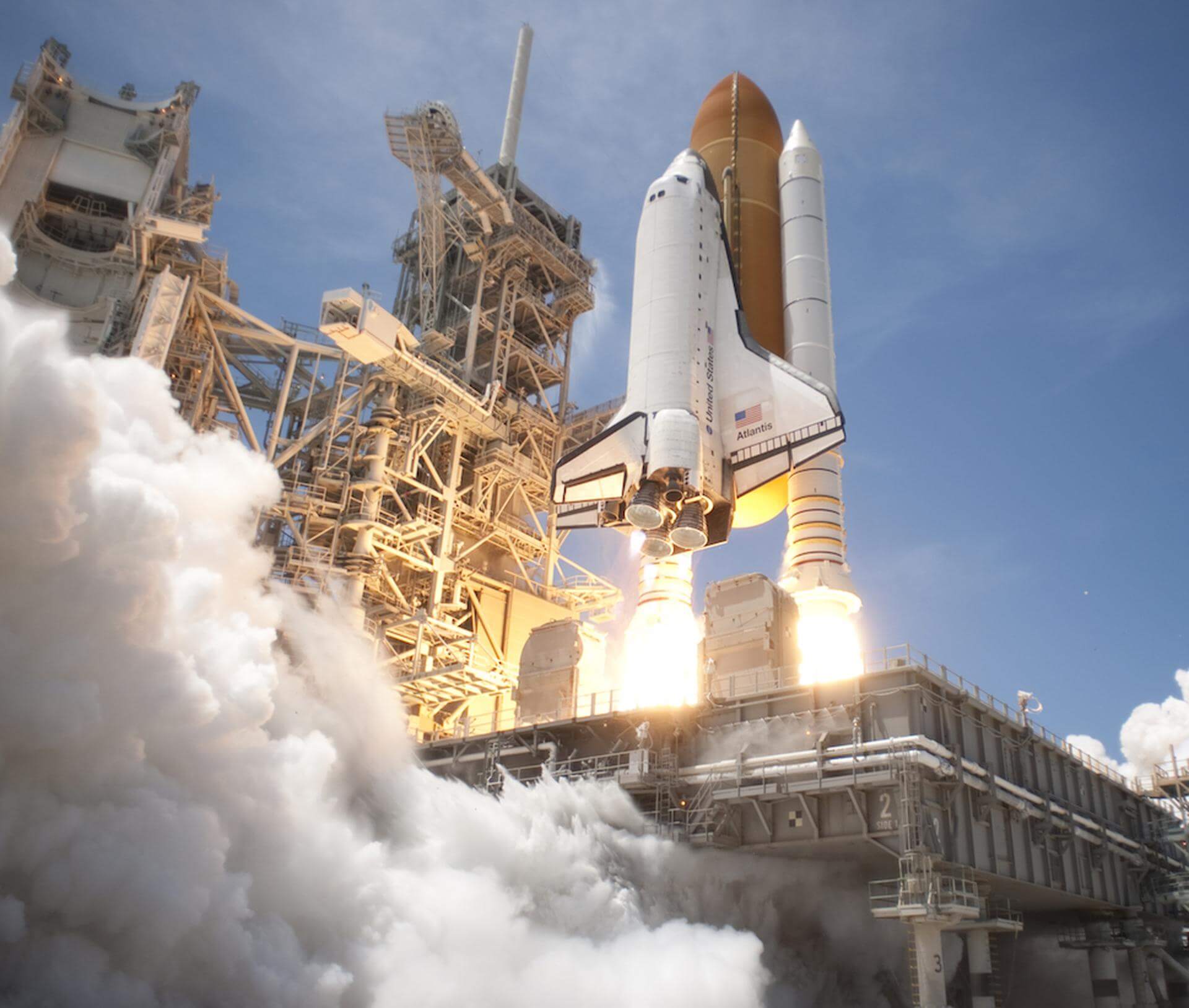
Starcloud files FCC plans for 88,000-satellite orbital data center constellation, matching scale of Starlink and Amazon Kuiper expansions. Massive LEO conjunction risk implications.

SpaceX launches its first crewed mission over Earth's poles and FAA concludes investigation into the Starship Flight 7 incident.
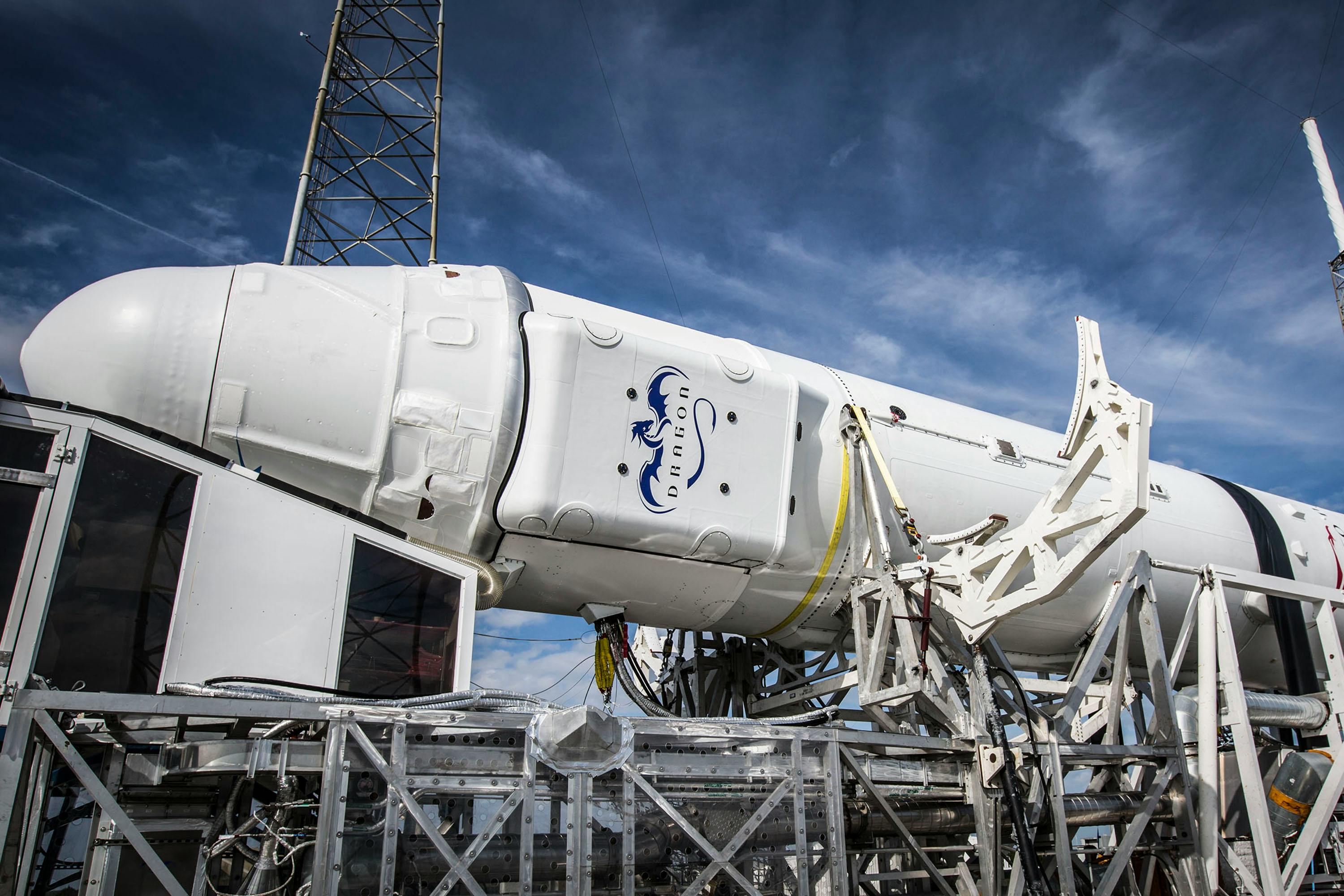
SpaceX successfully launched another batch of Starlink satellites and received approval for a new Starship launch site, while facing challenges with crew assignments on upcoming missions.
SpaceX Falcon 9 booster B1067 set for 36th flight Thursday with Starlink 10-42 mission from Cape Canaveral. Long March 10B debuts Friday in China.
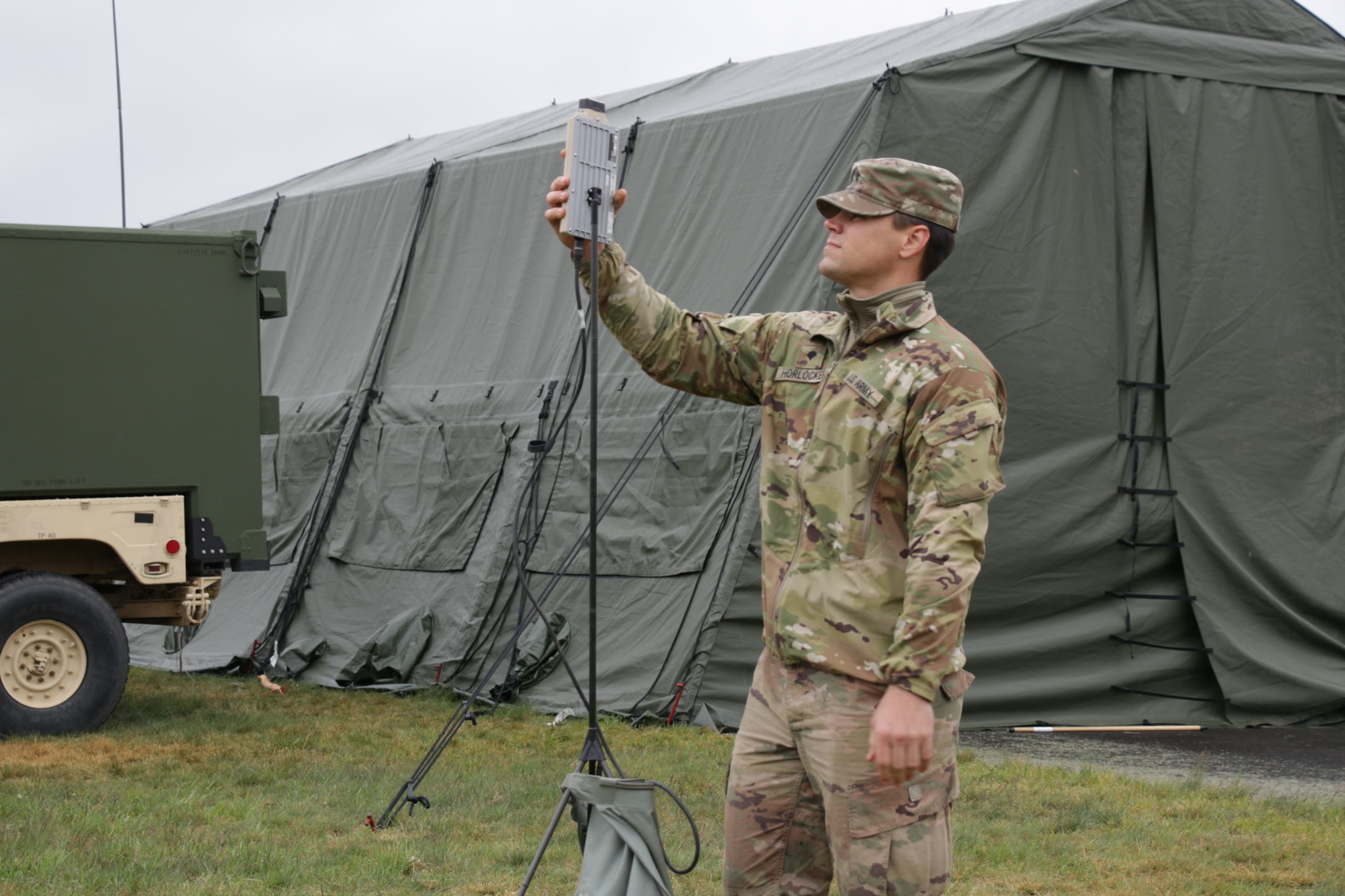
Russia's Volna Kupol Garant electronic warfare system was purpose-built to jam Starlink. It costs around $1.5 million per unit, covers just 20 square kilometers, and can only target one satellite at a time. Ukraine has been finding and destroying them within days of deployment.
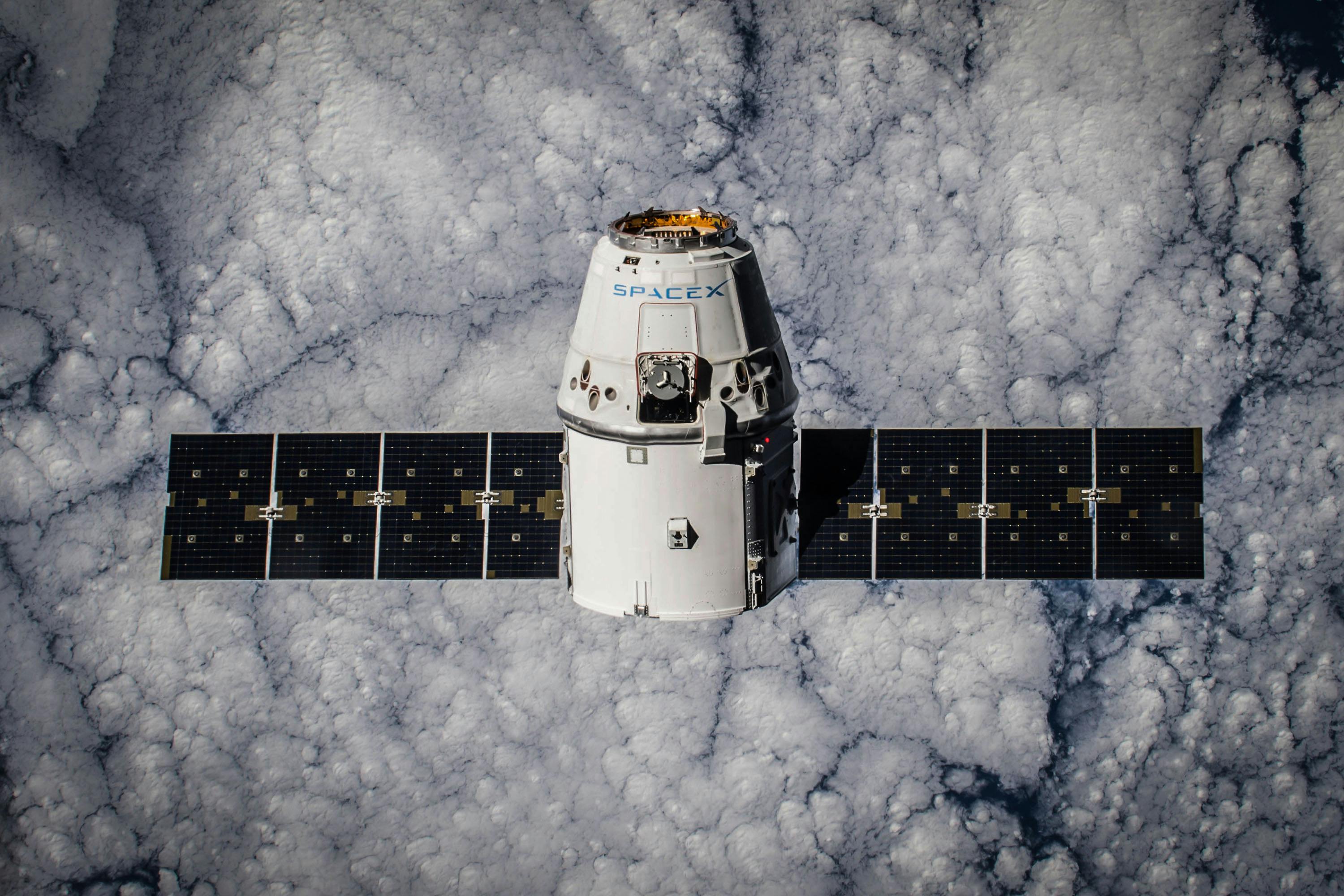
SpaceX prepares for a new cargo-return mission with Atmos, deploys imaging satellites, and gears up for Axiom-4 private astronaut launch.