

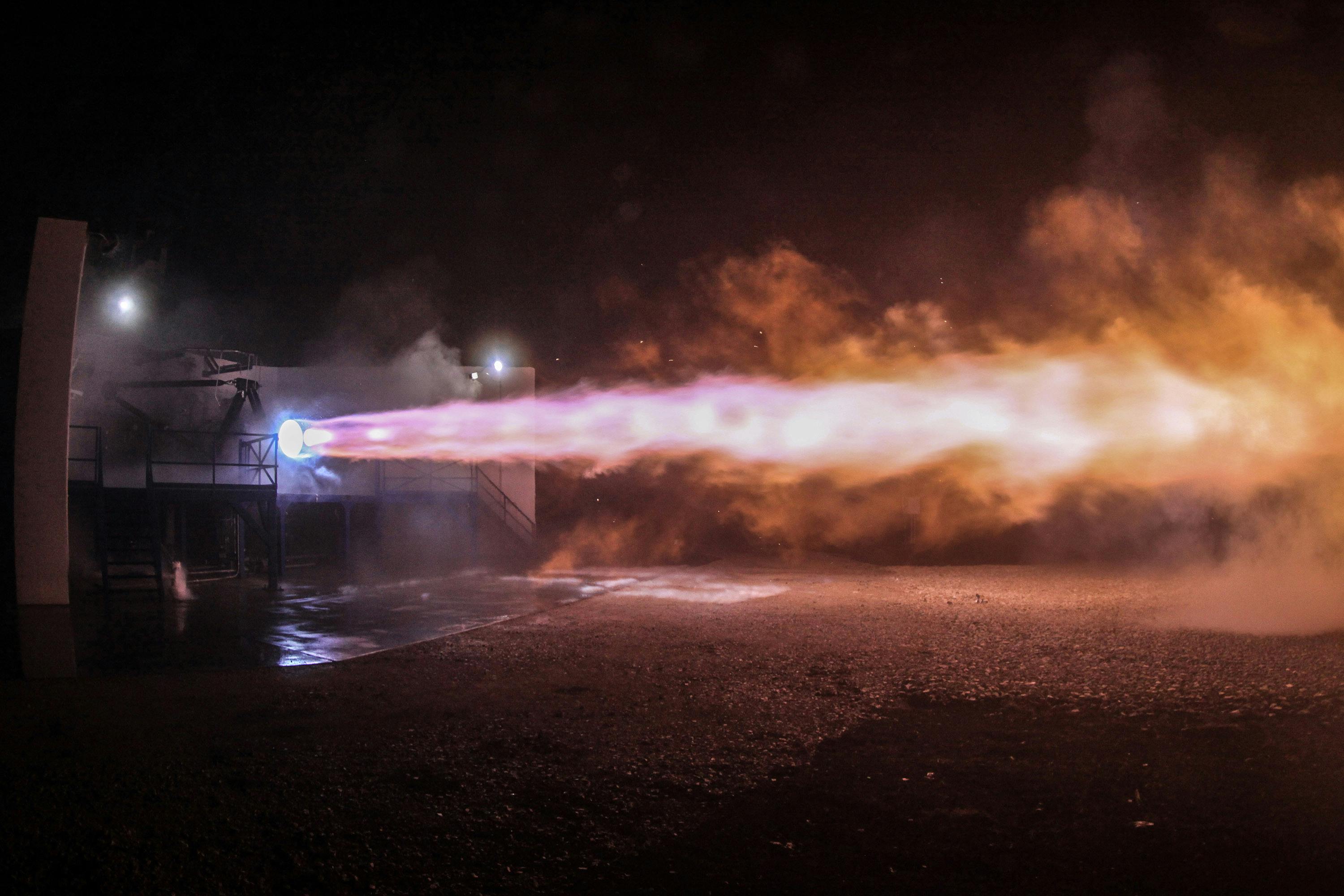
X Report 4 Feb 2025
Canada reconsiders Starlink contract amidst US tariff delays, and new concerns arise over falling space debris.


NORAD ID
43777
International Designator
2018-099V
Decay Date
12/21/2021
Name
LACMA ENOCH
Alternative Name
ENOCH
Type
Status
Owner
LACMA
Country
United States
Constellation
N/A
Related Satellites
Major Events
N/A
Length
0.3
Diameter
0.1
Span
0.3
Dry Mass
4
Launch Mass
4
Shape
Box
Radar Cross Section
Unknown
Visual Magnitude
Unknown
Color
Unknown
Material Composition
Unknown
Payload
ENOCH
Purpose
Art
Mission
Art
Manufacturer
SPX
Life Expectancy
7 years orbital life
Bus
Cubesat 3U
Configuration
CubeSat (3U)
Motor
None
Equipment
CUBIT
Power System
None
ADCS
Unknown
Transmitter Frequency
Unknown
Learn more about satellites and other related topics.
Canada reconsiders Starlink contract amidst US tariff delays, and new concerns arise over falling space debris.

SpaceX targets May 19 for Starship V3's debut from Launch Pad 2, while the FCC approves a $2.4B EchoStar spectrum deal for Starlink.
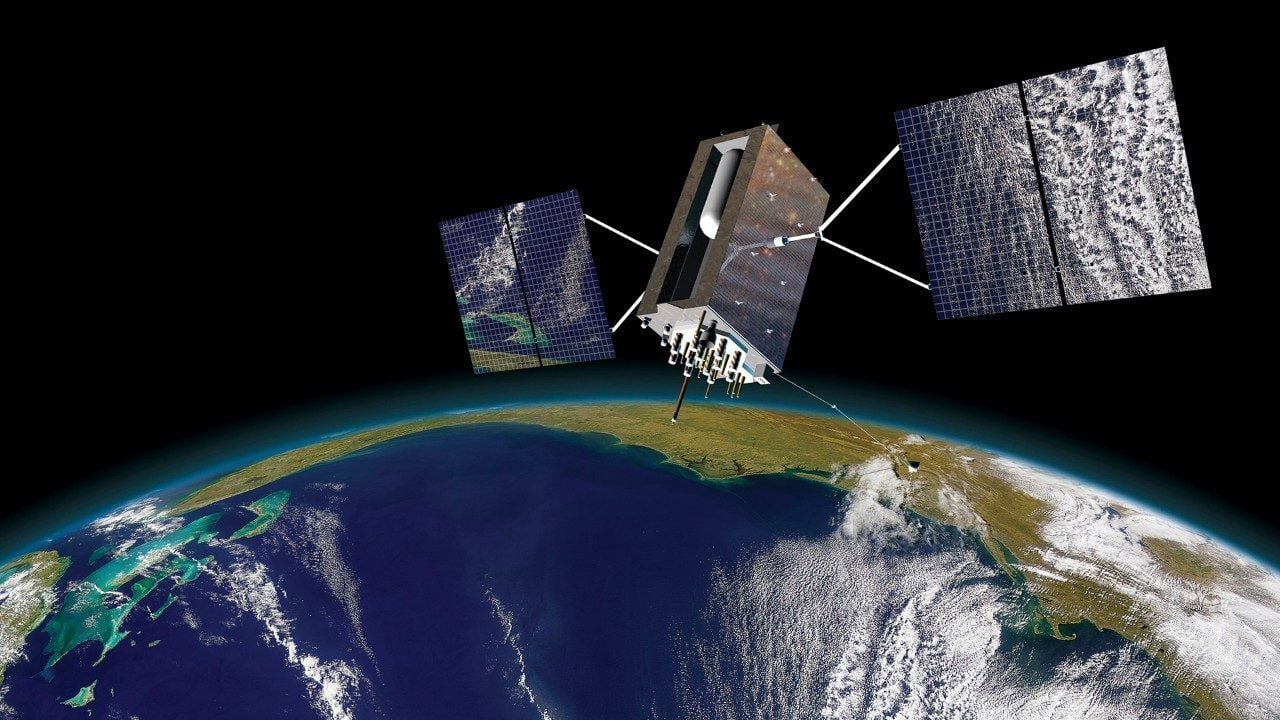
On April 17, 2026, the U.S. Space Force officially cancelled the Next Generation Operational Control System after sixteen years of development, cost overruns, and testing failures. The $8 billion program was supposed to unlock the military's encrypted GPS signal. Instead, the satellites are flying with capabilities the ground can't command.
A Falcon 9 booster fails to land, increasing GPS and PNT significance for national security, and NASA's SLS mobile launch platform costs soar.
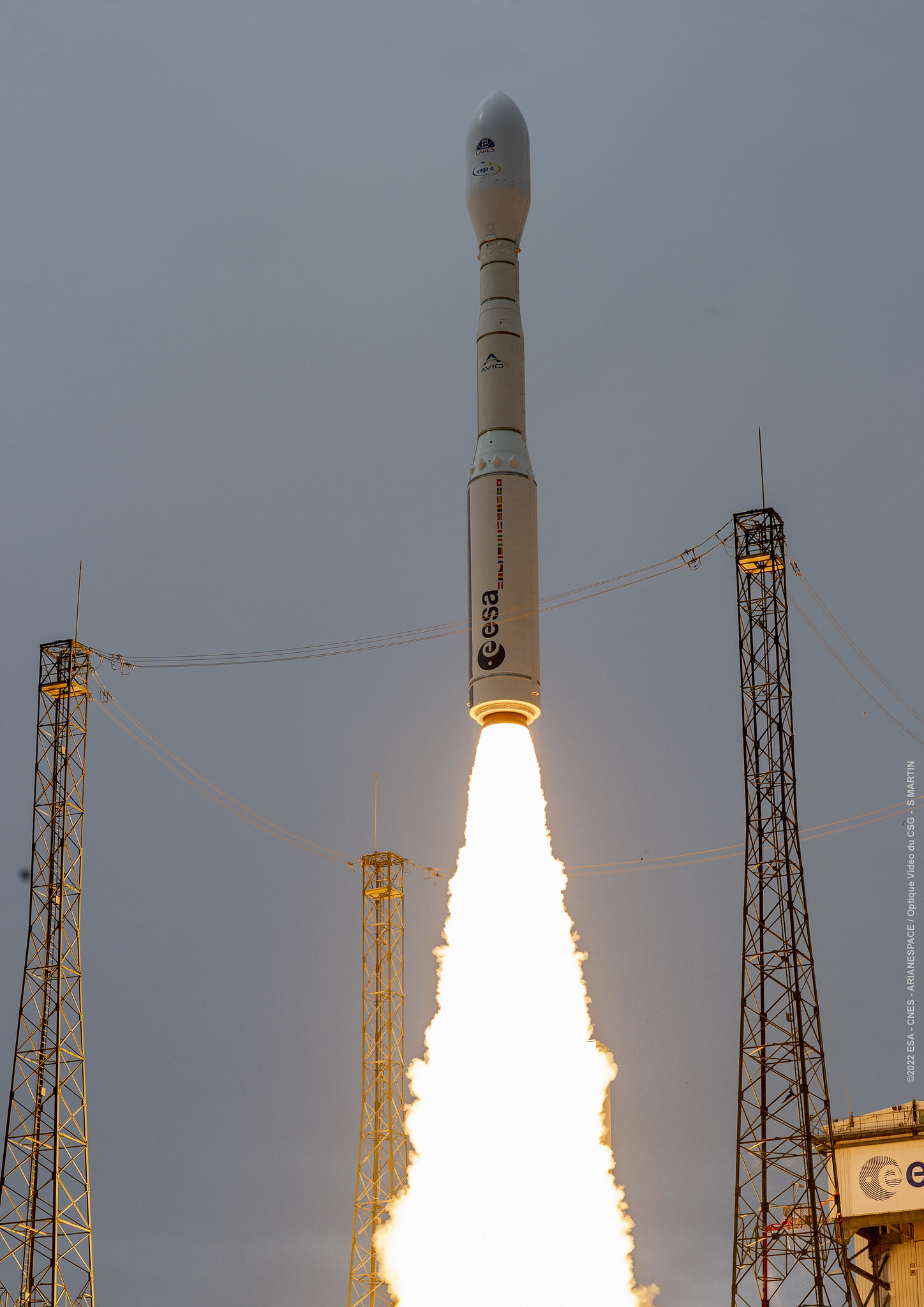
Today's highlights include a space debris incident involving China's spacecraft, development advancements for military space missions, and a notable setback for SpaceX's Starship booster.
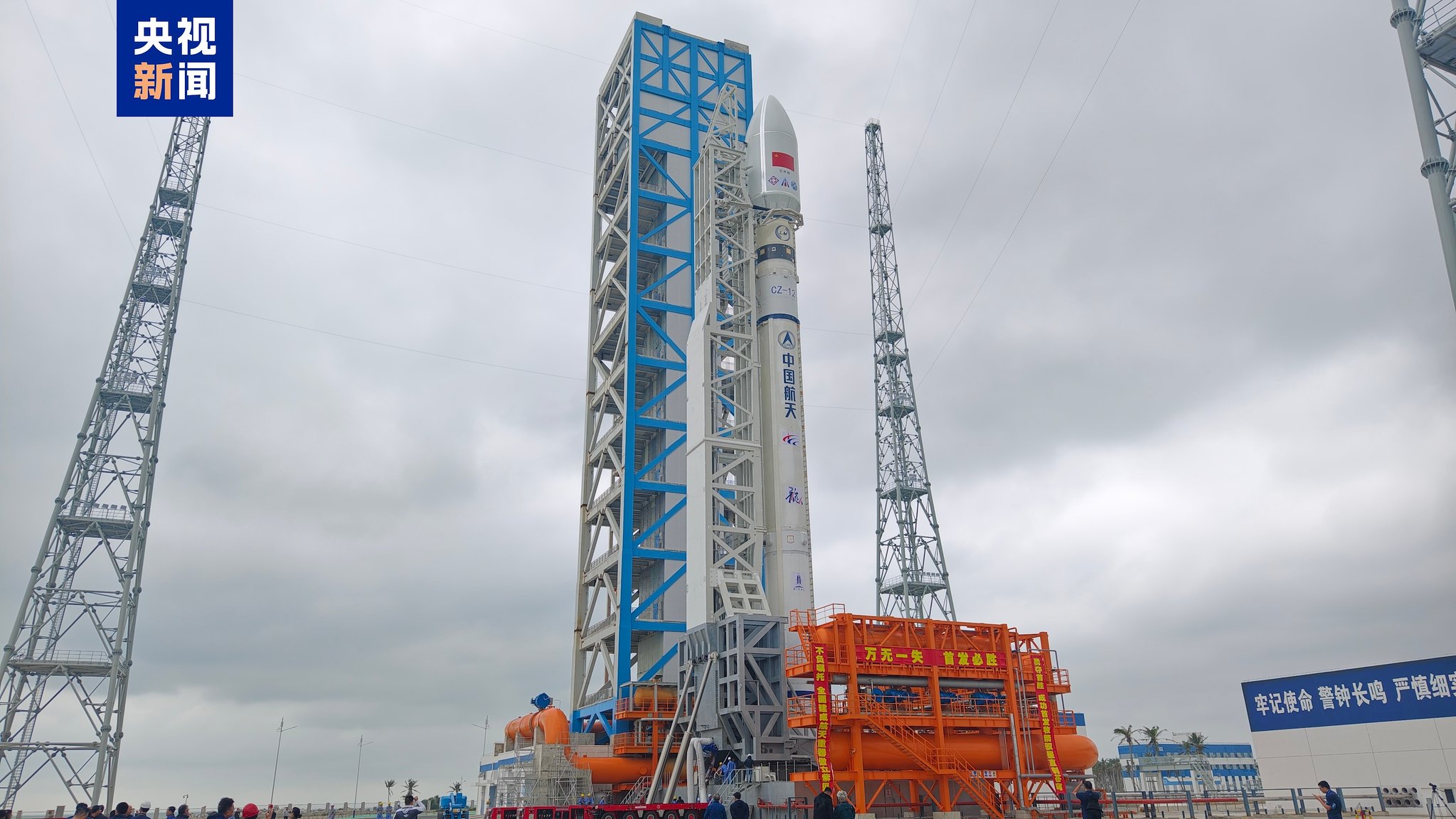
Demand surges for nuclear power in space including lunar surface reactors. Pentagon commits $1B as anchor investor in L3Harris missile unit. Orbion delivers 33 electric thrusters for military sats.
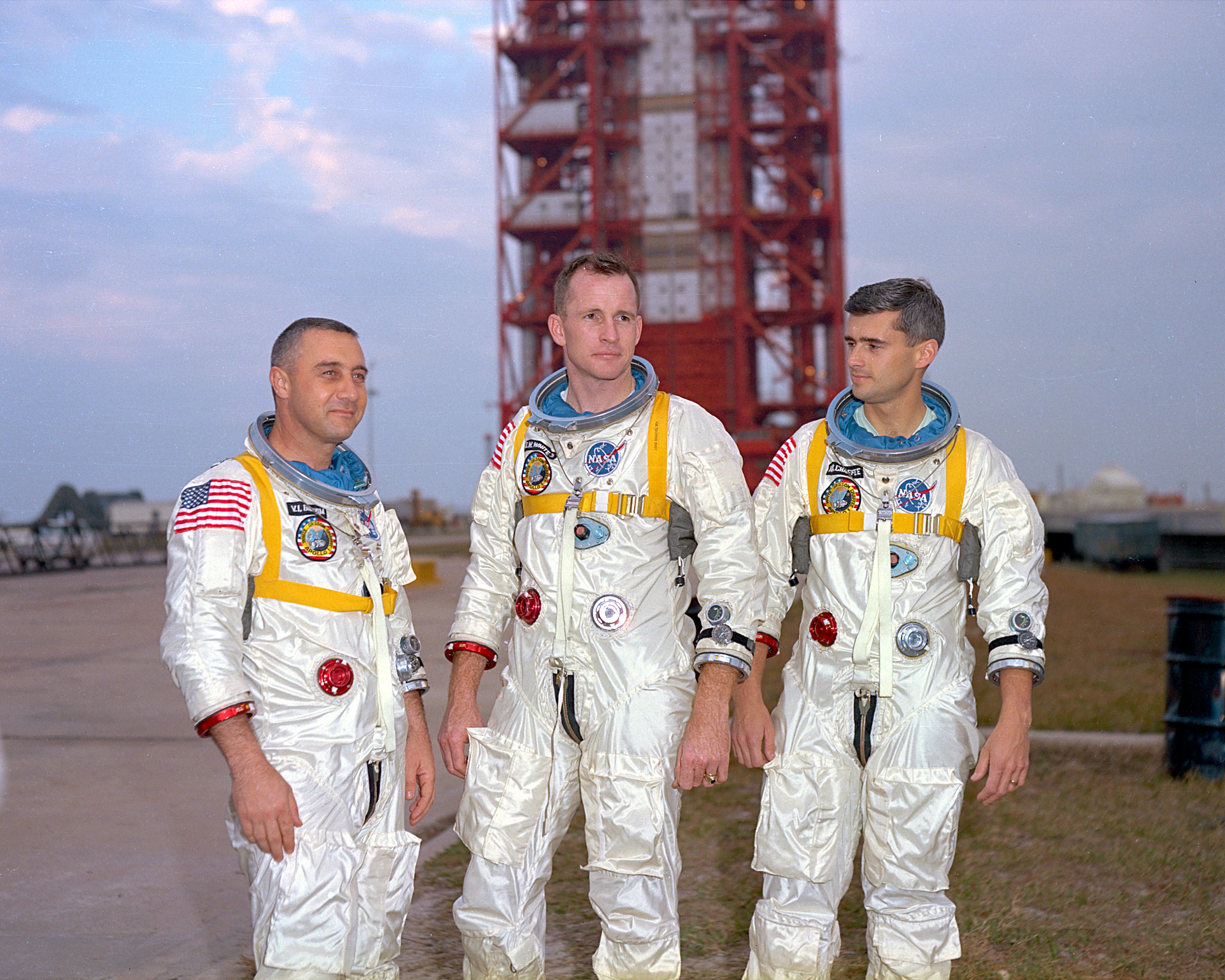
Fifty-eight years ago, a tragic fire during a routine test transformed spacecraft design and created the foundation of modern spaceflight safety culture
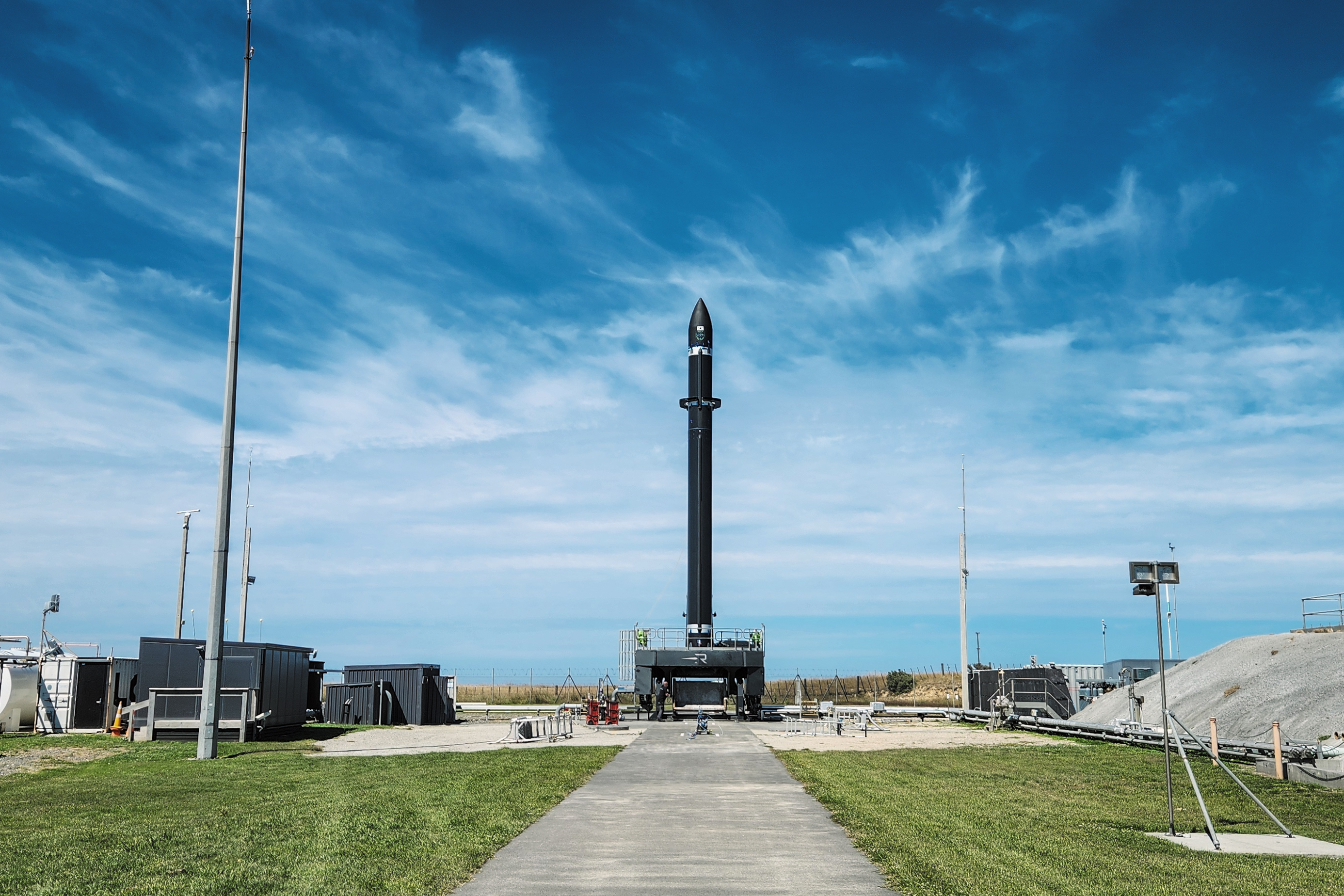
Space Force terminates Resilient GPS satellite program. China successfully tests Long March 12B reusable first stage at Jiuquan. GE and Lockheed validate detonation ramjet for hypersonic missiles.