


Space Brief 7 Oct 2025
Explore the latest in satellite communications with Cubic's new terminals, strategic acquisitions by Firefly, China's IoT satellite achievements, and key military updates.


NORAD ID
43773
International Designator
2018-099R
Epoch
Sat, 04 Jul 2026 02:29:18 GMT
Apogee
Calculating...
Perigee
Calculating...
Inclination
97.40°
Right Ascension
227.19°
Eccentricity
Calculating...
Argument of Perigee
291.28°
Period
95.14 min
Mean Motion
15.14 rev/day
Latitude
Calculating...
Longitude
Calculating...
Altitude
Calculating...
Velocity
Calculating...
Name
RANGE-A
Alternative Name
RANGE A
Type
Status
Owner
GIT
Country
United States
Constellation
N/A
Related Satellites
Major Events
N/A
1 43773U 18099R 26185.10369002 .00005453 00000-0 30761-3 0 9991
2 43773 97.3951 227.1885 0008479 291.2833 68.7493 15.13534858415054
Source: Celestrak
Length
0.2
Diameter
0.1
Span
0.2
Dry Mass
2
Launch Mass
2
Shape
Box+2 pan
Radar Cross Section
Unknown
Visual Magnitude
Unknown
Color
Unknown
Material Composition
Unknown
Payload
RANGE A
Purpose
Technology
Mission
Technology
Manufacturer
GIT
Life Expectancy
Unknown
Bus
Cubesat 1.5U
Configuration
CubeSat (1.5U)
Motor
None
Equipment
Unknown
Power System
2 deployable solar arrays, solar cells, batteries
ADCS
Unknown
Transmitter Frequency
Unknown
Learn more about satellites and other related topics.
Explore the latest in satellite communications with Cubic's new terminals, strategic acquisitions by Firefly, China's IoT satellite achievements, and key military updates.
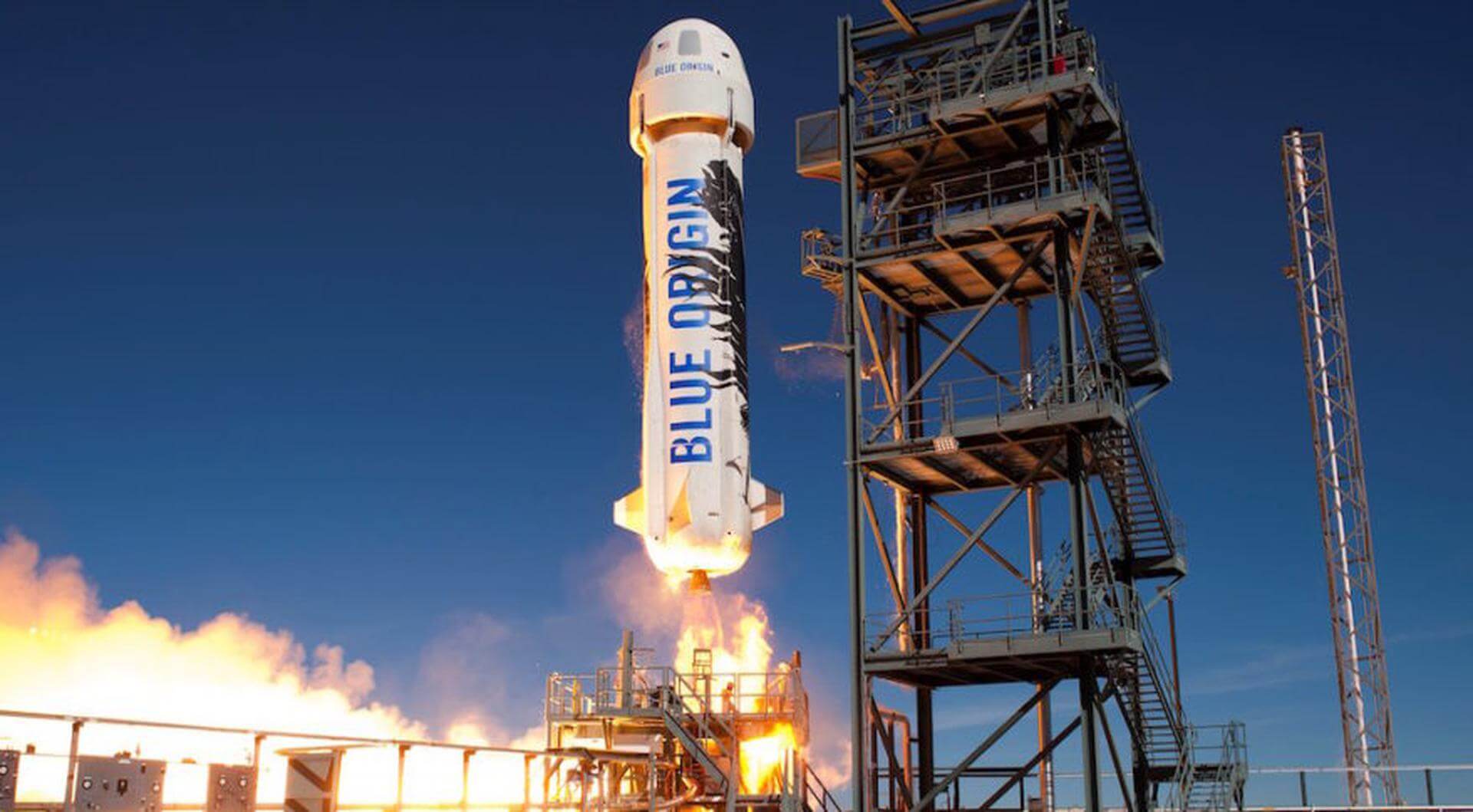
Today's brief covers significant space events, including milestone national security certifications for ULA Vulcan and Rocket Lab, SpaceX's groundbreaking polar orbit mission, and a failed launch attempt by Isar Aerospace.
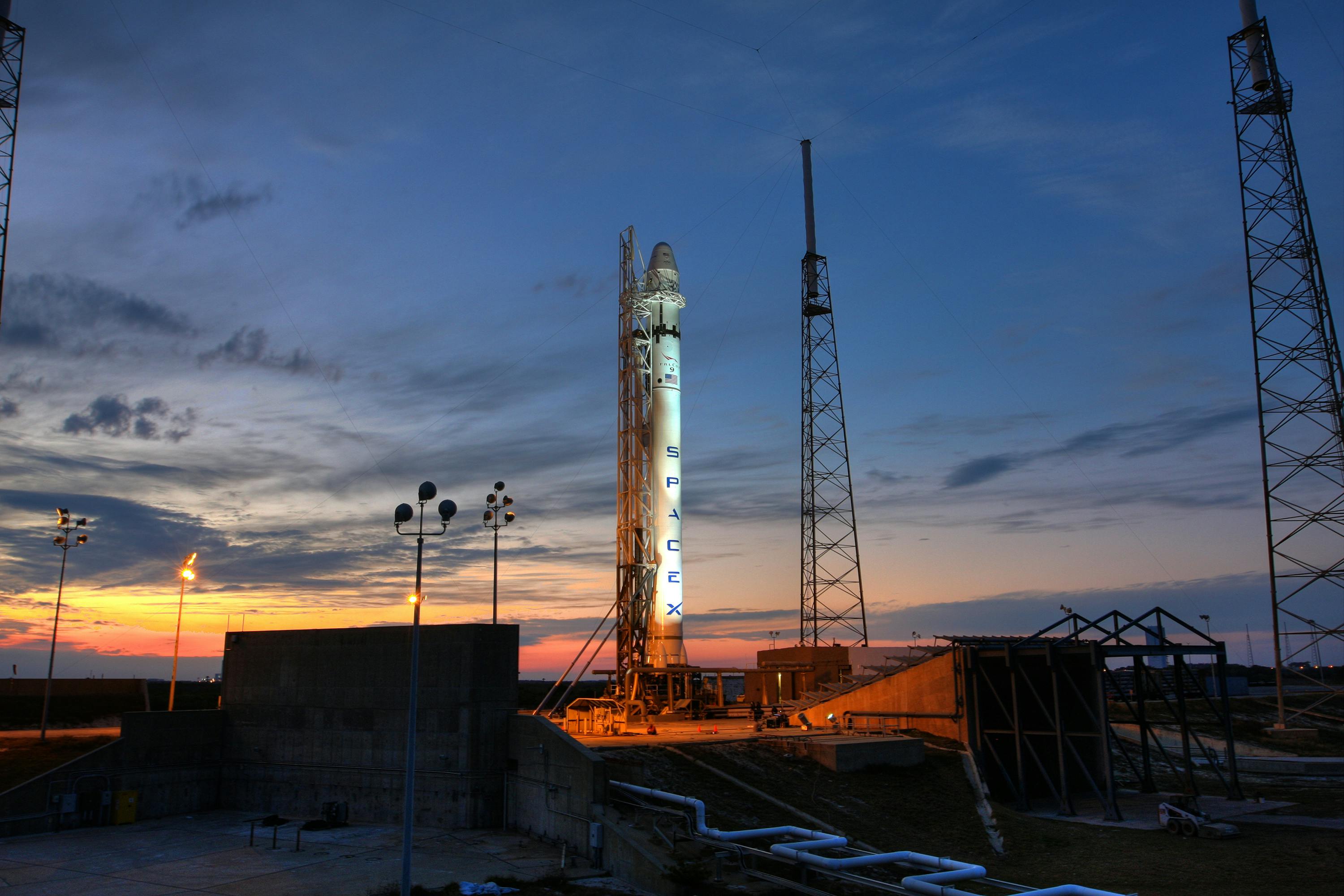
Starlink constellation size in 2026: 9,931 satellites in orbit, 9,920 working from 11,463 launched. Starlink 17-18 adds 25 more from Vandenberg.
Key space events for today include potential changes in US space policy involving SpaceX, uncertainties regarding NASA's Starliner, and China's new steps in asteroid exploration.
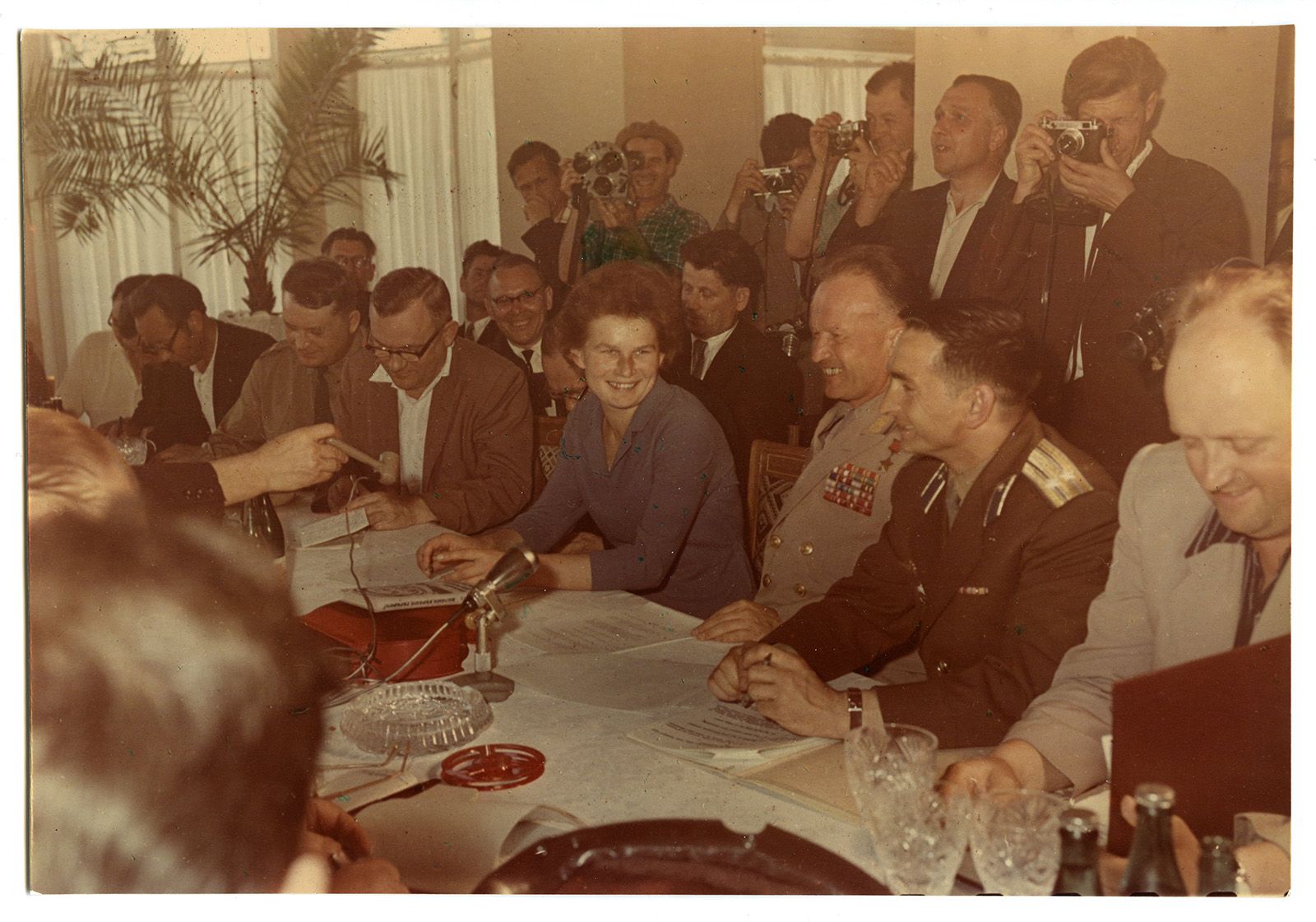
On 16 June 1963, a 26-year-old former textile worker named Valentina Tereshkova launched aboard Vostok 6 and spent nearly three days alone in orbit. She flew 48 times around the Earth, longer than every American astronaut combined, and spotted a dangerous flaw in her descent program that ground controllers had missed.
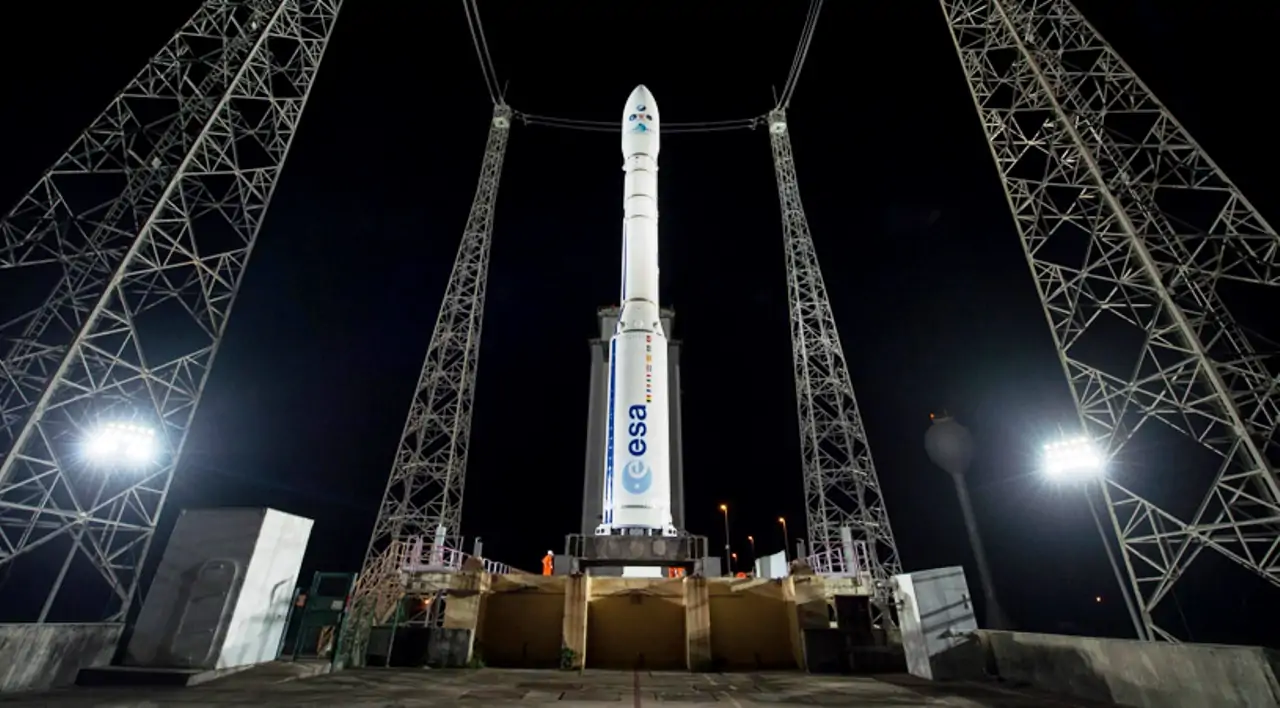
Thirteen years ago, a new rocket lifted off from the edge of the Amazon rainforest, marking Europe's entry into the small satellite launch market and carrying the dreams of university students across a continent
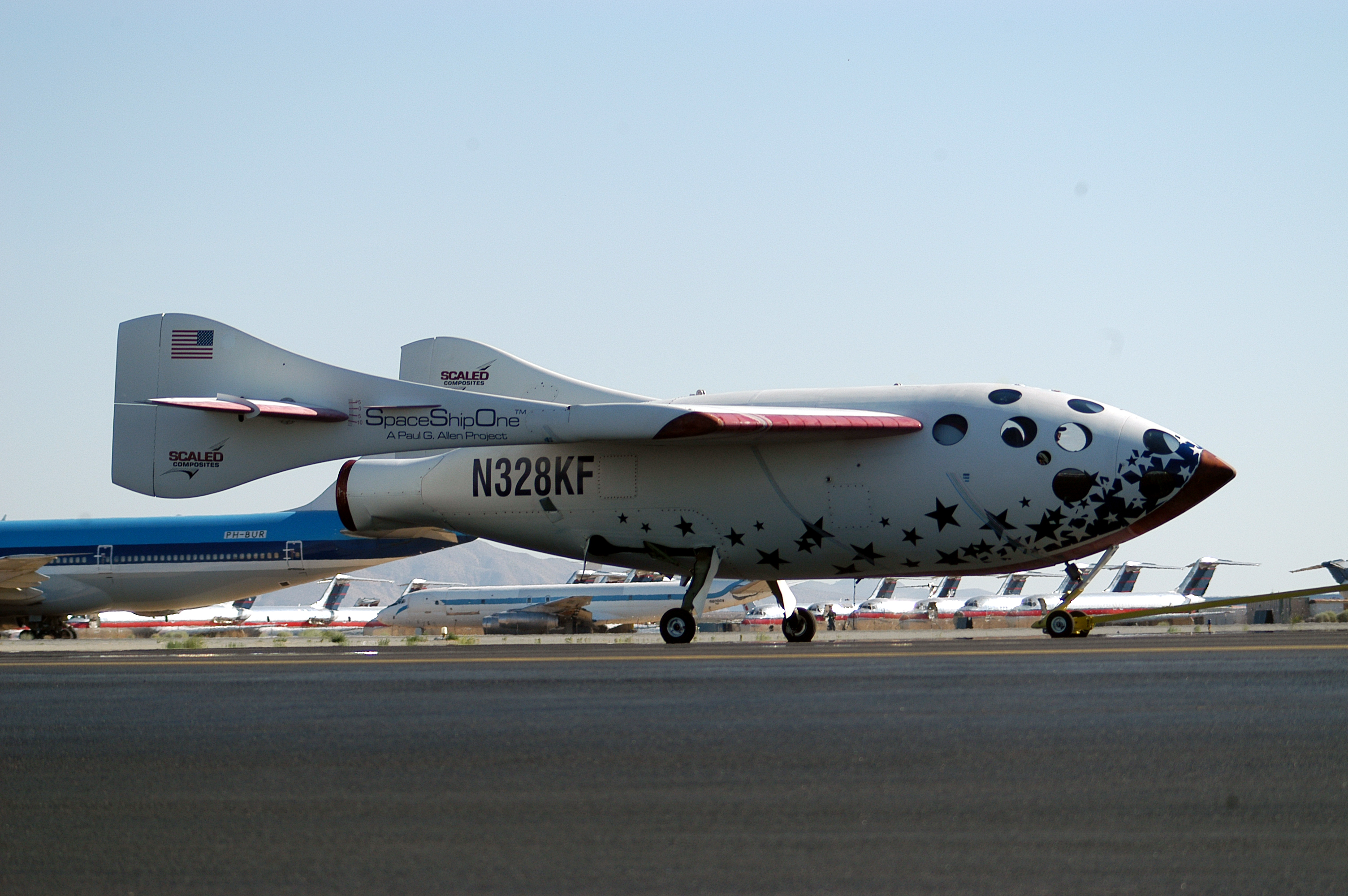
On 21 June 2004, a 63-year-old test pilot rode a homebuilt rocket plane to 100,124 meters above the Mojave Desert, clearing the edge of space by about the length of a city block. He came down the first private astronaut in history, holding a sign that read 'SpaceShipOne, GovernmentZero.'
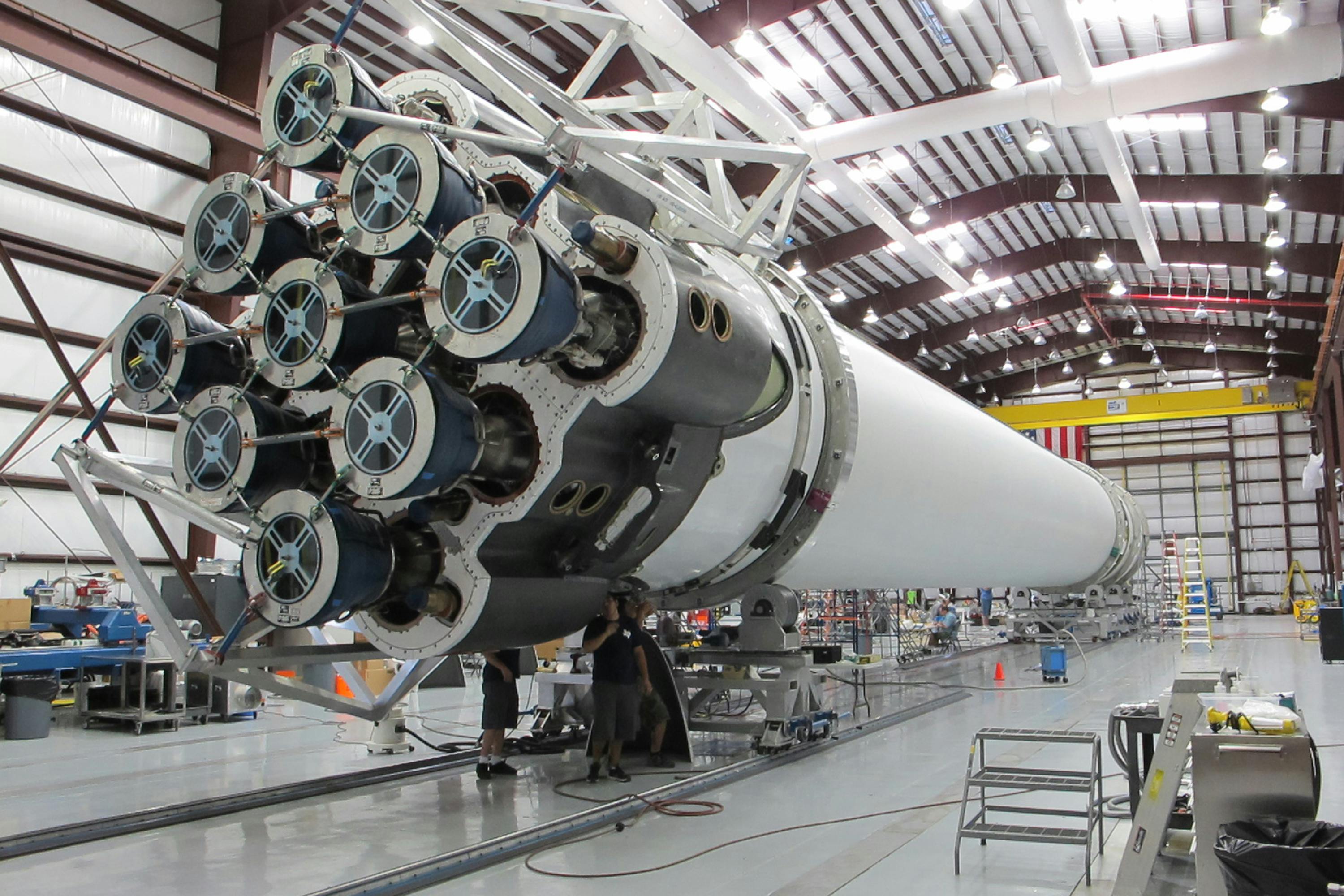
SpaceX prepares for the next Starship test flight with significant vehicle upgrades, launches UAE's Thuraya-4 satellite, and reflects on a record-breaking 2024 while planning for a promising 2025.