


Track the International Space Station
A look at how tracking the space station offers a unique view of space exploration.


Launch Date
April 15, 1970
Launch Site
PLMSC
Launch Pad
LC41/1
Launch Vehicle
Voskhod 11A57
NORAD ID
04374
International Designator
1970-030B
Decay Date
4/18/1970
Name
SL-4 R/B
Alternative Name
Voskhod (N122) Blok-I
Type
Status
Owner
RVSN
Country
USSR
Constellation
N/A
Related Satellites
Major Events
N/A
Length
6.7
Diameter
2.7
Span
6.7
Dry Mass
2350
Launch Mass
2350
Shape
Cyl
Radar Cross Section
Unknown
Visual Magnitude
Unknown
Color
Unknown
Material Composition
Unknown
Payload
11A57I
Purpose
Unknown
Mission
Unknown
Manufacturer
PROG
Life Expectancy
Unknown
Bus
Blok-I
Configuration
Unknown
Motor
Unknown
Equipment
Unknown
Power System
Unknown
ADCS
Unknown
Transmitter Frequency
Unknown
Learn more about satellites and other related topics.
A look at how tracking the space station offers a unique view of space exploration.

Today's highlights include the release of a mystery object by Russian military satellites, SpaceX Fram2 mission insights, Amazon's upcoming satellite launch, and more.
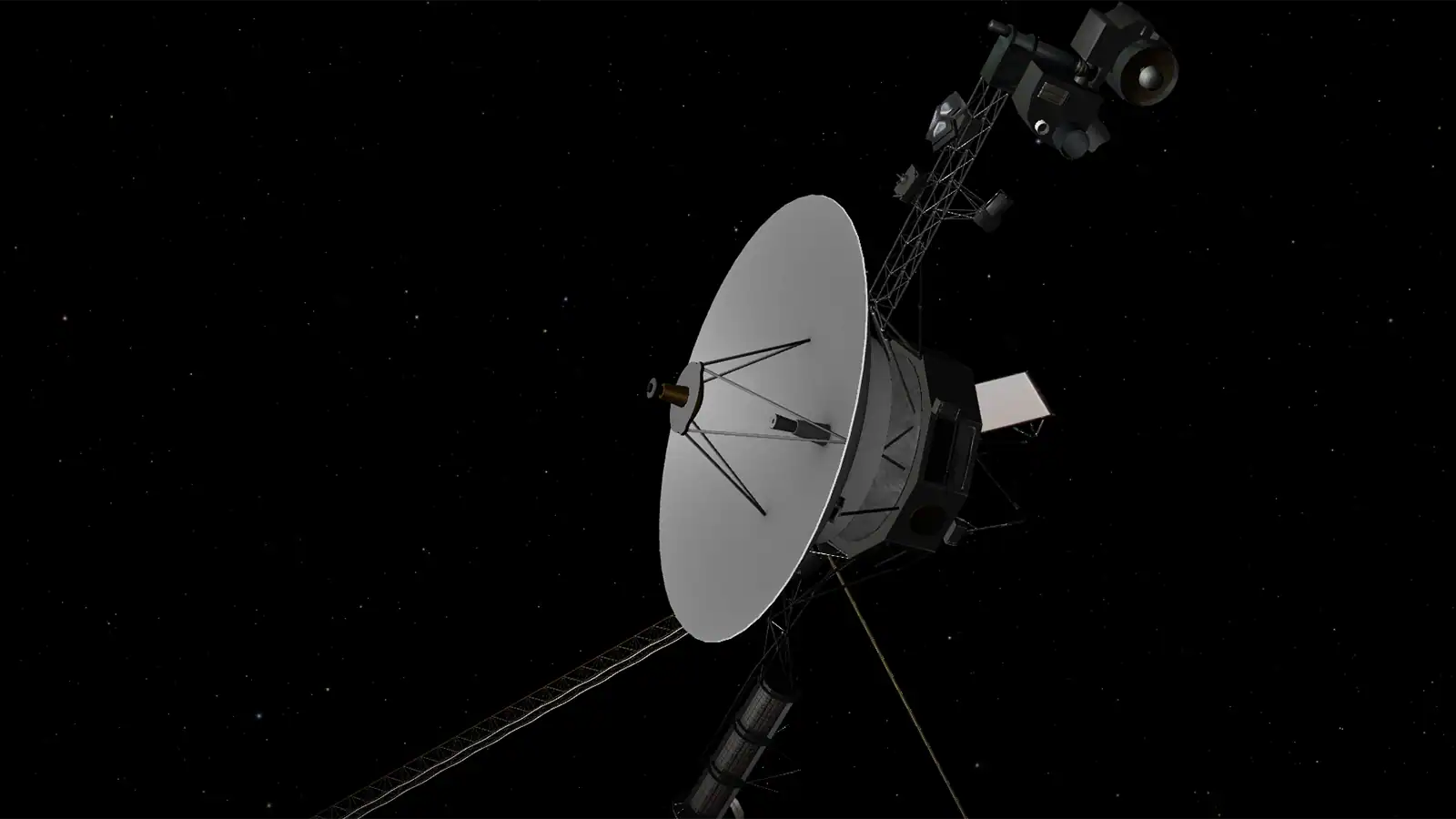
In November 2023, Earth's most distant spacecraft started speaking gibberish. Five months, one dead memory chip, and 30 billion miles of round-trip troubleshooting later, engineers got it talking again - using code written before most of them were born.

Today's briefing covers Iceye's new aerospace service for defense clients, ESA's plan for dual-use satellites, and key defense agreements impacting satellite technology.
Today's Space Brief covers Blue Origin's historic all-female spaceflight, the selection of companies for nuclear microreactor development by DIU, and NATO's adoption of AI technology for military planning.

Elon Musk provided updates on the anticipated Starship Flight 10, along with insights on SpaceX's progress at Cape Canaveral. Key developments include target timelines for upcoming launches and ongoing efforts in Starship's development.

AST SpaceMobile's BlueBird constellation is a bet that raw aperture size wins. Each satellite unfolds a 64-square-meter phased-array antenna in orbit, the largest commercial antenna ever deployed. The company claims a stock smartphone on the ground can connect directly to it. The competition says the physics doesn't support that. Seventeen satellites in and a contract with AT&T, Verizon, and Vodafone, somebody's math is wrong.
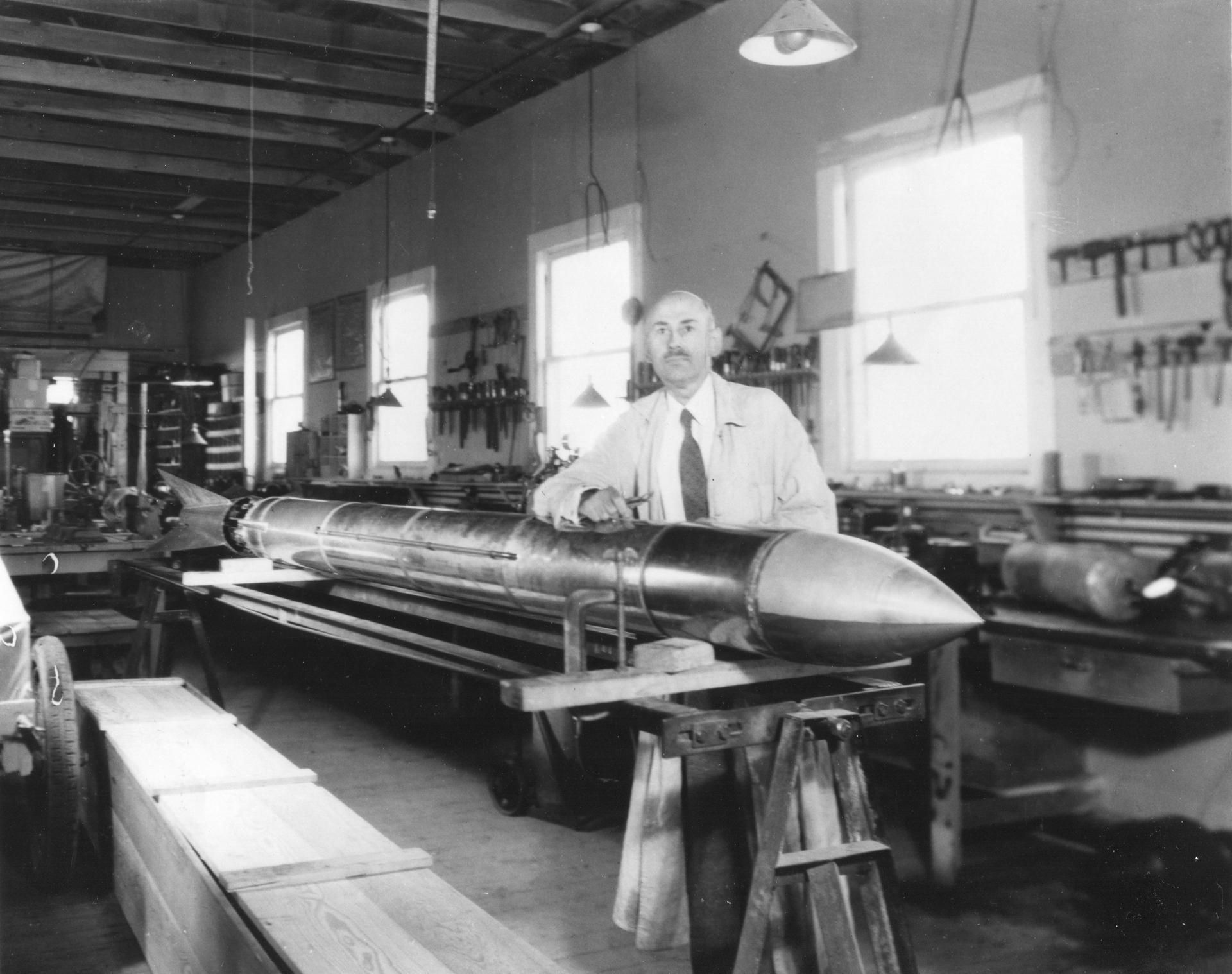
On February 2, 1909, Robert Goddard made a revolutionary breakthrough in his notebook: liquid oxygen and liquid hydrogen could achieve 50% efficiency in converting heat energy to kinetic energy for rocket propulsion