LEMUR-2-ORZULAK (43731)

COSPAR: 2018-096N | Alt Name: Lemur-2-Orzulak
DECAYED

Image
LEMUR-2-ORZULAK Satellite Image
Additional Sources
Launch Details

Launch Date

November 29, 2018

Launch Site

SRILR

Launch Pad

FLP

Launch Vehicle

PSLV

Orbital Elements

NORAD ID

43731

International Designator

2018-096N

Decay Date

2/1/2023

Basic Satellite Info

Name

LEMUR-2-ORZULAK

Alternative Name

Lemur-2-Orzulak

Type

Payload

Status

Decayed

Owner

SPIRE

Country

United States

Constellation

N/A

Related Satellites

Major Events

N/A

Summary
LEMUR-2-ORZULAK (also known as Lemur-2-Orzulak) is a 3U CubeSat satellite launched by SPIRE on November 29, 2018, from SRILR launch site using the PSLV launch vehicle. The spacecraft has dimensions of 0.3 meters in length and span with a diameter of 0.1 meters, featuring a box shape with two panels. It weighs 4.6 kilograms both at launch and dry mass. Equipped with STRATOS (GPS radio occultation payload), SENSE (AIS-receiver), and AirSafe (ASD-B payload #78 and later), the satellite is powered by solar cells and batteries. Manufactured by SPIREG, LEMUR-2-ORZULAK operates in orbit as part of its mission to gather various types of data using its onboard equipment.
Physical Characteristics

Length

0.3

Diameter

0.1

Span

0.3

Dry Mass

4.6

Launch Mass

4.6

Shape

Box+2 pan

Radar Cross Section

Unknown

Visual Magnitude

Unknown

Color

Unknown

Material Composition

Unknown

Technical Details

Payload

Lemur FM85

Purpose

Unknown

Mission

Unknown

Manufacturer

SPIREG

Life Expectancy

Unknown

Bus

Cubesat 3U

Configuration

CubeSat (3U)

Motor

None

Equipment

STRATOS (GPS radio occultation payload), SENSE (AIS-receiver), AirSafe (ASD-B payload, #78 and later)

Power System

Solar cells, batteries

ADCS

Unknown

Transmitter Frequency

Unknown

Satellite Articles

View All Posts »

Learn more about satellites and other related topics.

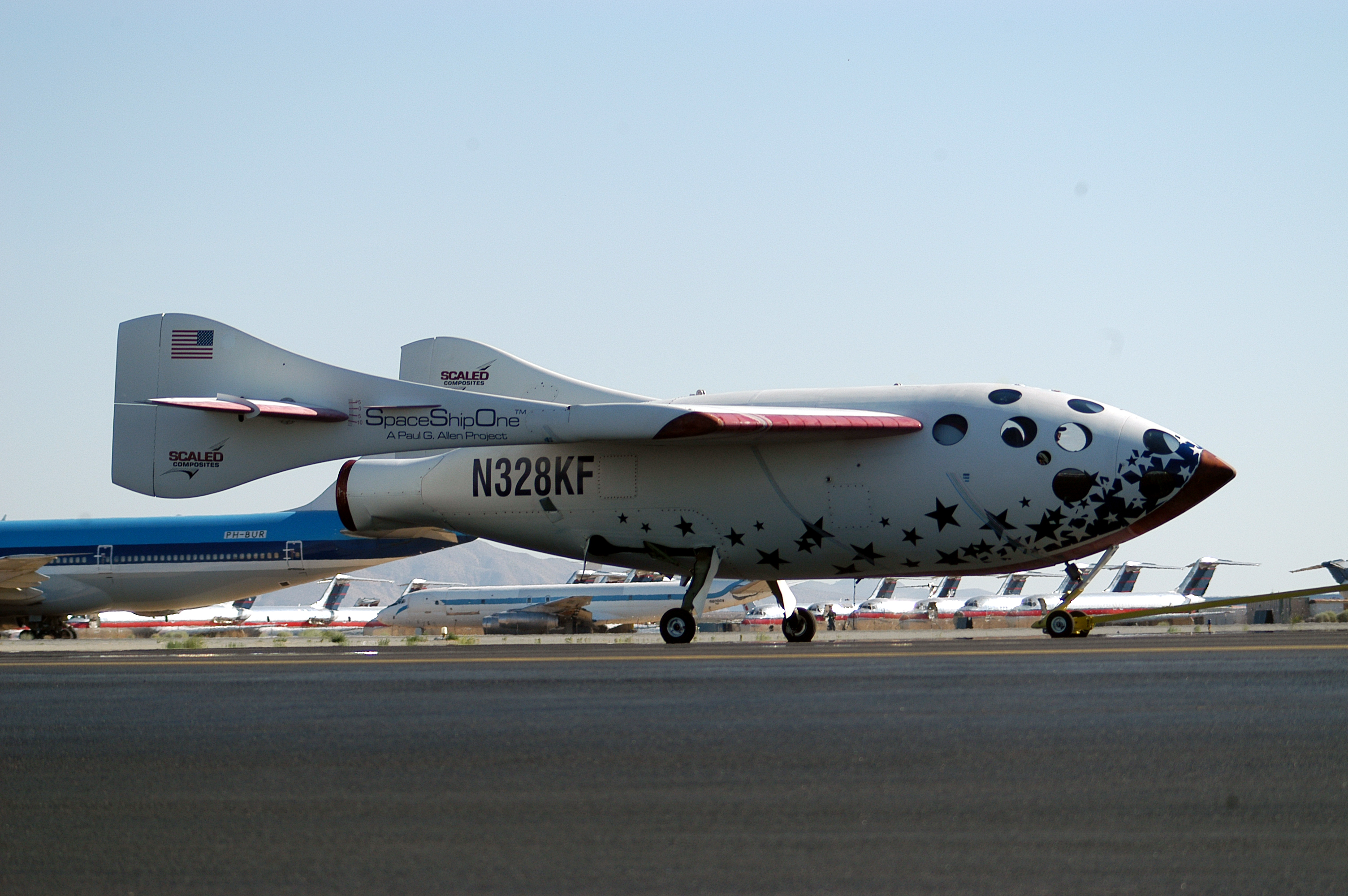
Mike Melvill, 124 Meters, and the Morning Space Went Private

Mike Melvill, 124 Meters, and the Morning Space Went Private

On 21 June 2004, a 63-year-old test pilot rode a homebuilt rocket plane to 100,124 meters above the Mojave Desert, clearing the edge of space by about the length of a city block. He came down the first private astronaut in history, holding a sign that read 'SpaceShipOne, GovernmentZero.'

The Day Earth Became a Pale Blue Dot

The Day Earth Became a Pale Blue Dot

Thirty-five years ago, Voyager 1 captured a revolutionary series of images from the edge of our solar system, forever changing how humanity sees its place in the cosmos

X Report 30 Nov 2024

X Report 30 Nov 2024

SpaceX executes dual Starlink launches and secures Dragonfly mission contract while managing NRO satellite deployment.

Space Brief 4 Jul 2025

Space Brief 4 Jul 2025

Explore today's key space events including China's satellite launch, ULA's Vulcan rocket preparations, significant budget bills from Congress, and discussions on lunar business prospects.

Space Force Reassigns GPS III to Falcon 9 After Vulcan Grounding | KeepTrack Space Brief

Space Force Reassigns GPS III to Falcon 9 After Vulcan Grounding | KeepTrack Space Brief

Space Force shifts GPS III satellite launch from ULA's Vulcan to SpaceX Falcon 9 due to persistent solid rocket booster issues. Critical navigation asset reassignment signals operational consequences.

SpaceX to Launch GPS Satellite After Mission Reassigned From ULA | KeepTrack X Report

SpaceX to Launch GPS Satellite After Mission Reassigned From ULA | KeepTrack X Report

SpaceX set to launch GPS 3-9 for Space Force after strategic switch from ULA's Vulcan to Falcon 9. 25 Starlink satellites deployed to polar orbit. Musk explains SpaceX exponential growth trajectory.

X Report 5 Dec 2025

X Report 5 Dec 2025

SpaceX made significant strides with the launch of 28 Starlink satellites while navigating regulatory challenges regarding rural broadband funding. Additionally, developments on the Crew Dragon mission continue to evolve with a change in cosmonaut assignment.

Space Brief 31 Oct 2025

Space Brief 31 Oct 2025

Today we explore defense-driven shifts in satellite operations amid geopolitical tensions and innovative projects pushing the boundaries of space technology.