


X Report 7 Mar 2025
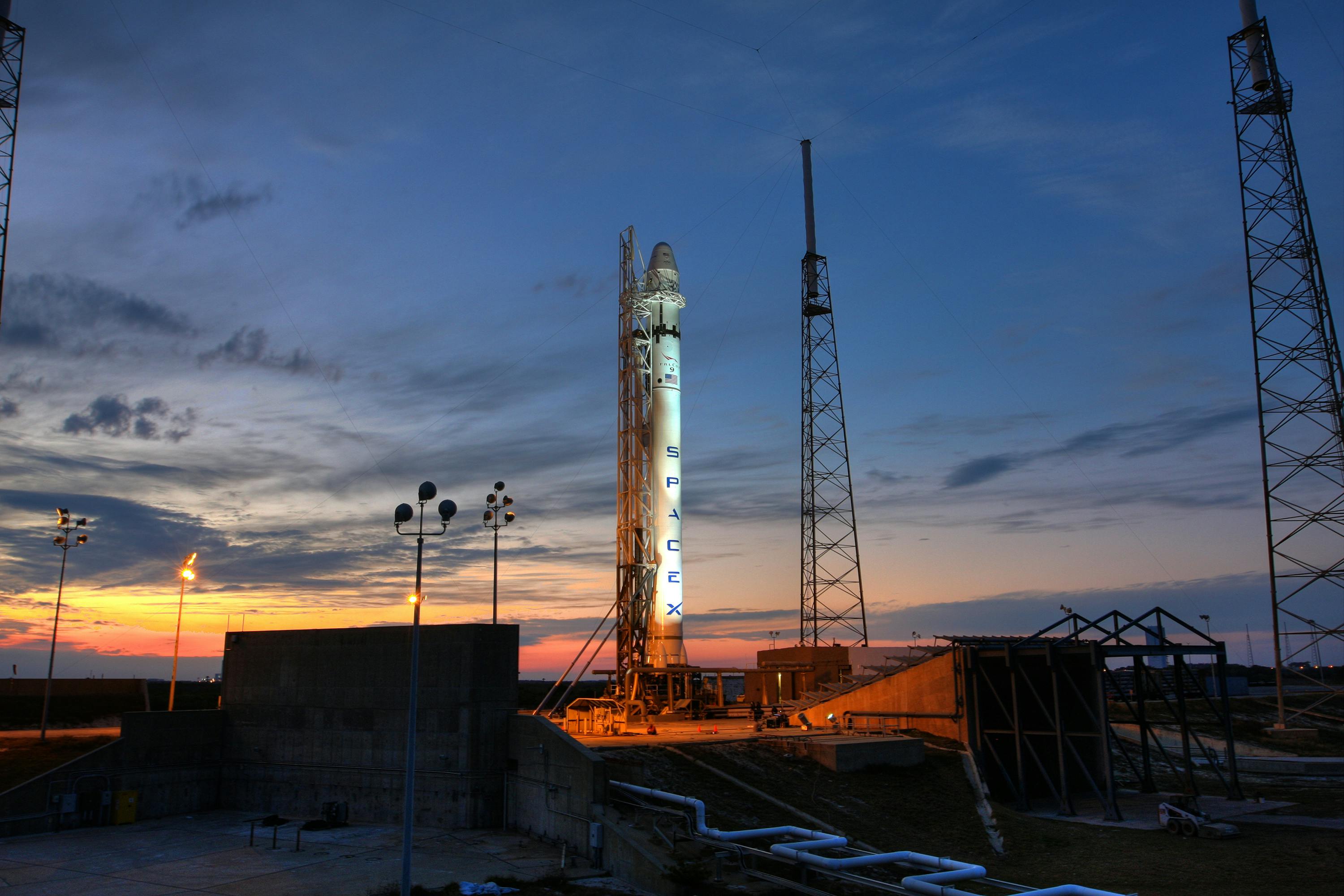
Starship Flight 8 ends with mixed results as SpaceX successfully catches Super Heavy booster but loses the upper stage in a fiery breakup.


![COSMOS 2529 [GLONASS-M] Satellite Image](/images/sat/43687.jpg)
Launch Date
November 3, 2018
Launch Site
PLMSC
Launch Pad
LC43/4
Launch Vehicle
Soyuz-2-1B
NORAD ID
43687
International Designator
2018-086A
Epoch
Thu, 02 Jul 2026 04:44:16 GMT
Apogee
Calculating...
Perigee
Calculating...
Inclination
64.30°
Right Ascension
192.09°
Eccentricity
Calculating...
Argument of Perigee
256.34°
Period
675.73 min
Mean Motion
2.13 rev/day
Latitude
Calculating...
Longitude
Calculating...
Altitude
Calculating...
Velocity
Calculating...
Name
COSMOS 2529 [GLONASS-M]
Alternative Name
Kosmos-2529
Type
Status
Owner
VVKOV/IACG
Country
Russia
Constellation
N/A
Related Satellites
Major Events
N/A
1 43687U 18086A 26183.19741874 .00000081 00000-0 00000+0 0 9990
2 43687 64.2962 192.0874 0012102 256.3420 103.5558 2.13102148 59607
Source: Celestrak
Length
4
Diameter
1.5
Span
7.8
Dry Mass
1200
Launch Mass
1450
Shape
Cyl + Ant + 2 Pan
Radar Cross Section
Unknown
Visual Magnitude
Unknown
Color
Unknown
Material Composition
Unknown
Payload
Uragan-M No. 57L
Purpose
Navigation
Mission
Navigation
Manufacturer
RESH
Life Expectancy
7 years
Bus
Uragan
Configuration
3-Axis stabilized Uragan-M bus
Motor
?
Equipment
?
Power System
2 deployable solar arrays, batteries
ADCS
Unknown
Transmitter Frequency
Unknown
Learn more about satellites and other related topics.
Starship Flight 8 ends with mixed results as SpaceX successfully catches Super Heavy booster but loses the upper stage in a fiery breakup.
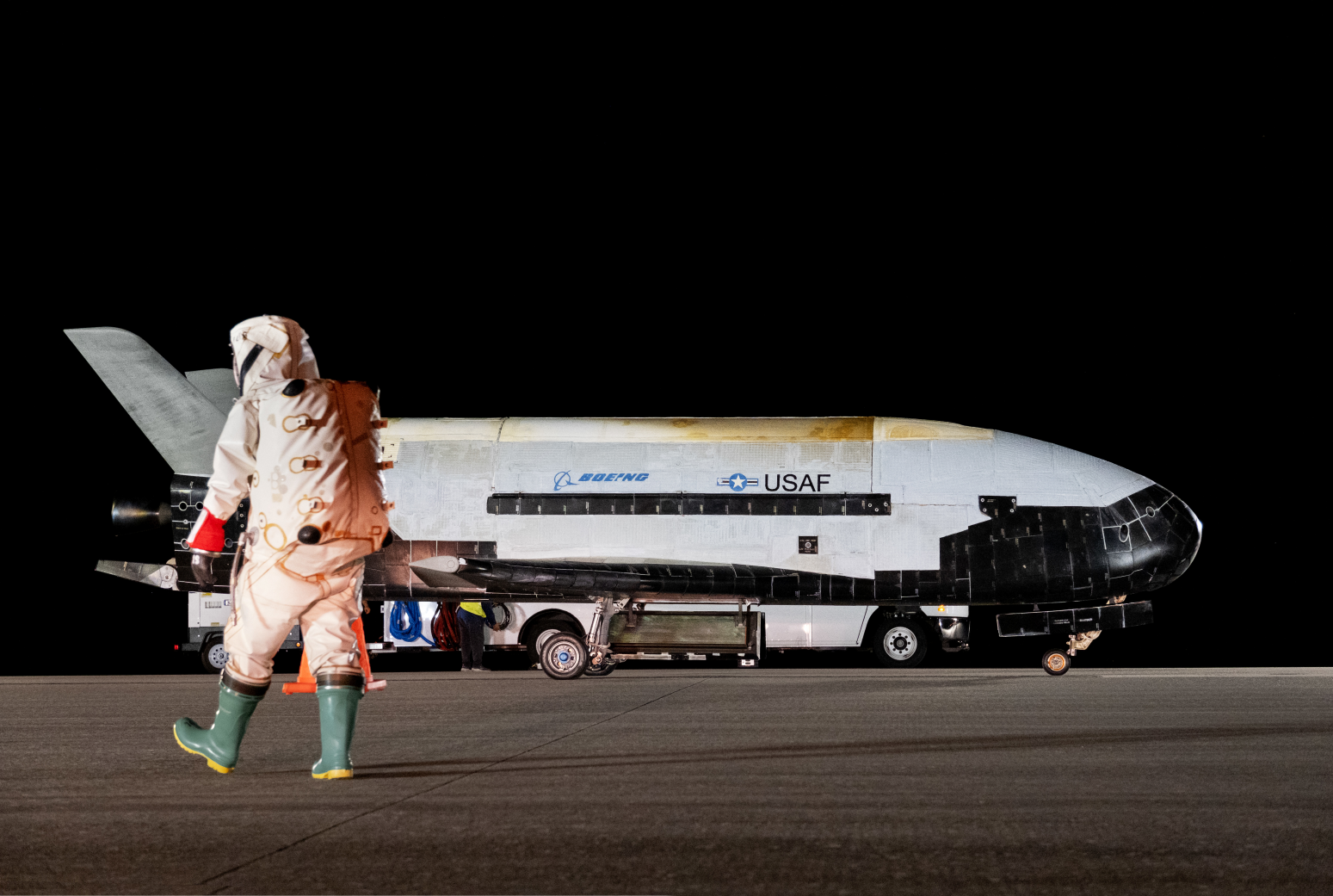
On April 22, 2010, an Atlas V lifted off from Cape Canaveral carrying a reusable robotic spaceplane so secret that the Air Force would not even confirm its mission duration. It came back 224 days later, lighter, quieter, and more operational than anyone outside Washington had expected. Fifteen years later, the X-37B is still flying, and the military still will not say what it does.
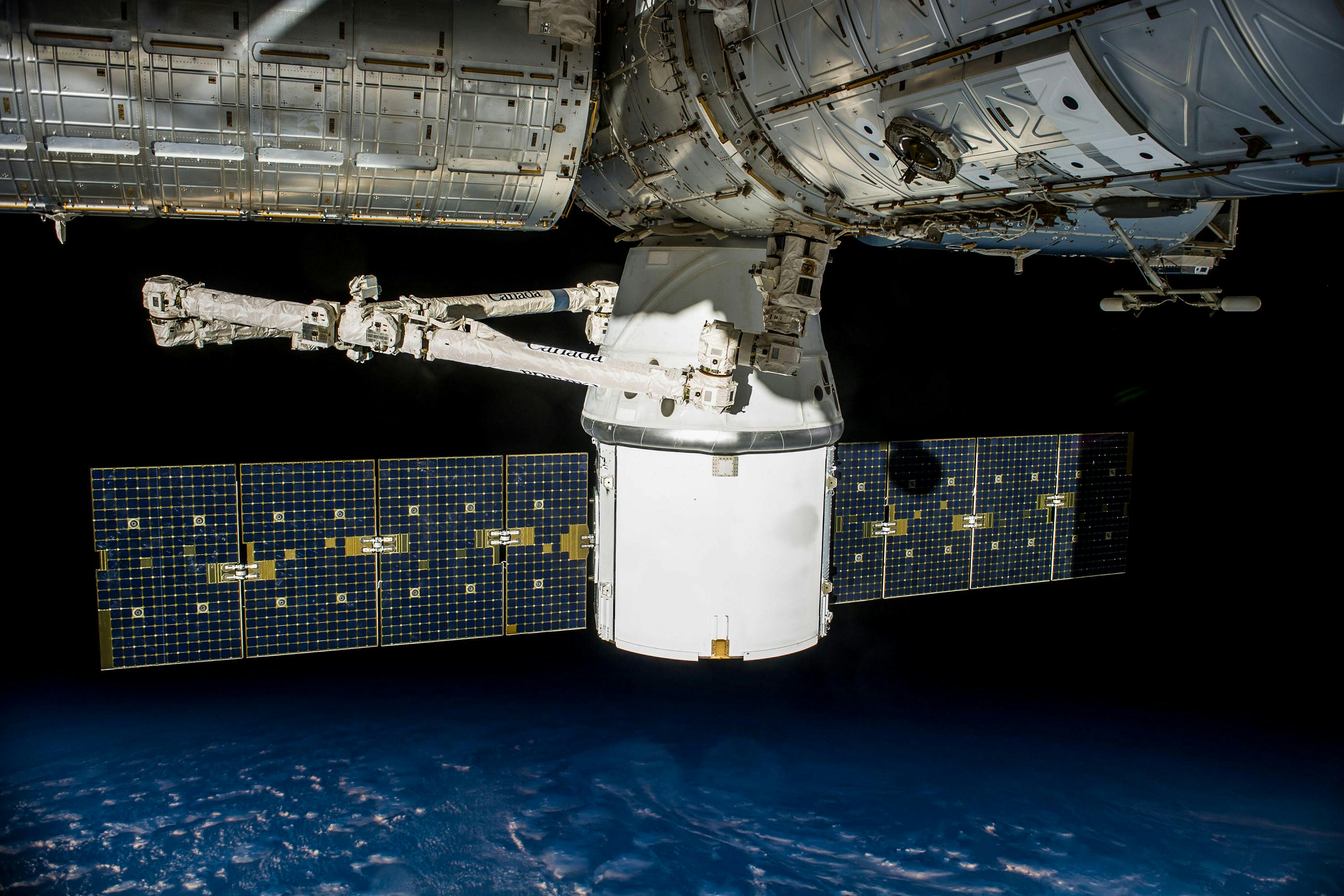
Cape Canaveral launch site activities intensify; SpaceX explores new subscription model for Trump's Golden Dome.

Today's highlights include Space Force prioritizing military missions, testing new GPS satellite software, and international defense collaborations impacting space assets.
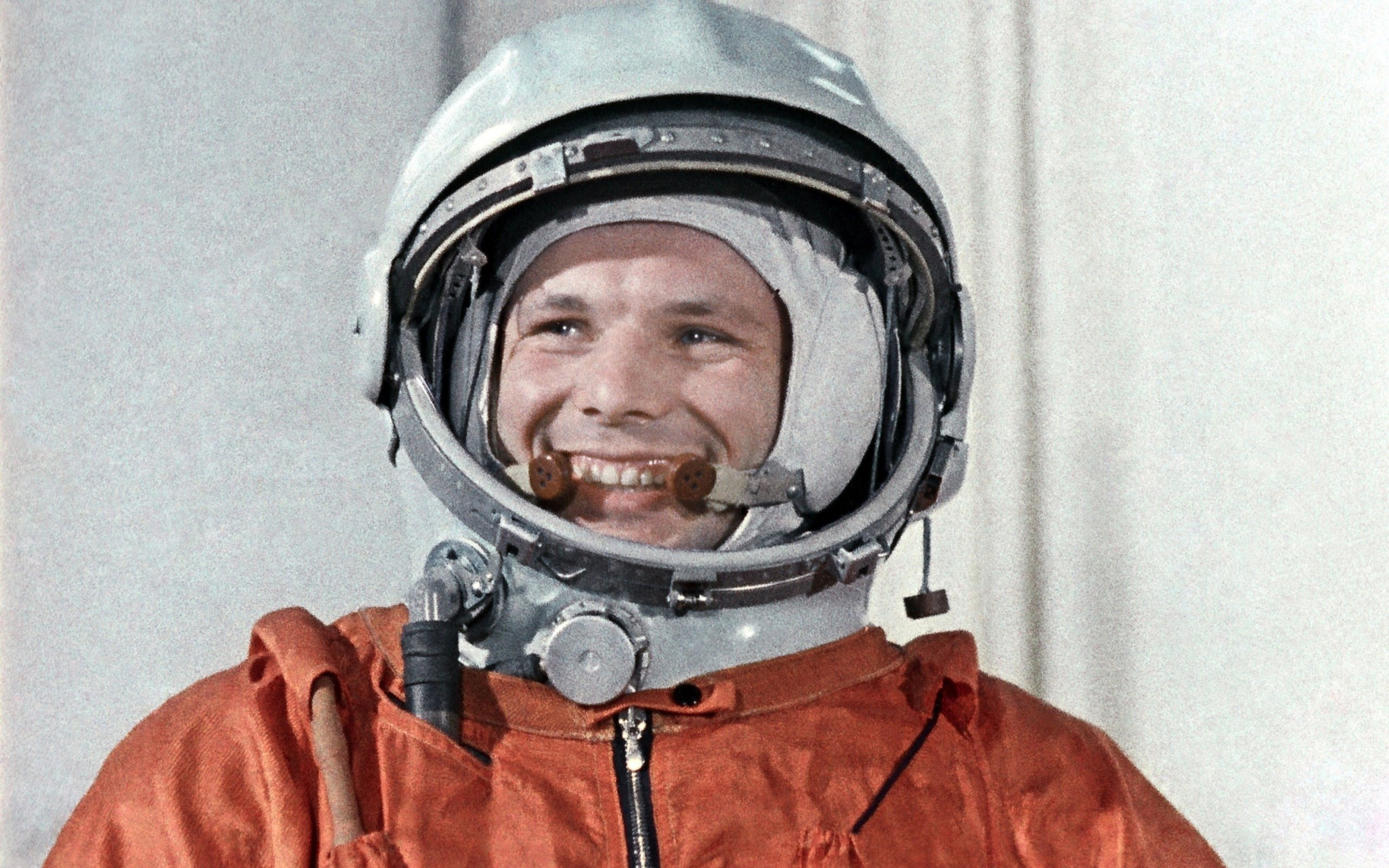
On April 12, 1961, a 27-year-old Soviet pilot rode a modified ICBM into orbit and came back alive after 108 minutes. Exactly twenty years later, two Americans climbed aboard an untested spacecraft covered in 31,000 ceramic tiles and bet their lives that the math was right.

SpaceX continues to make strides with successful satellite launches and competitive maneuvering in the direct-to-device market, as AST SpaceMobile aligns with Verizon for space-based cellular services.
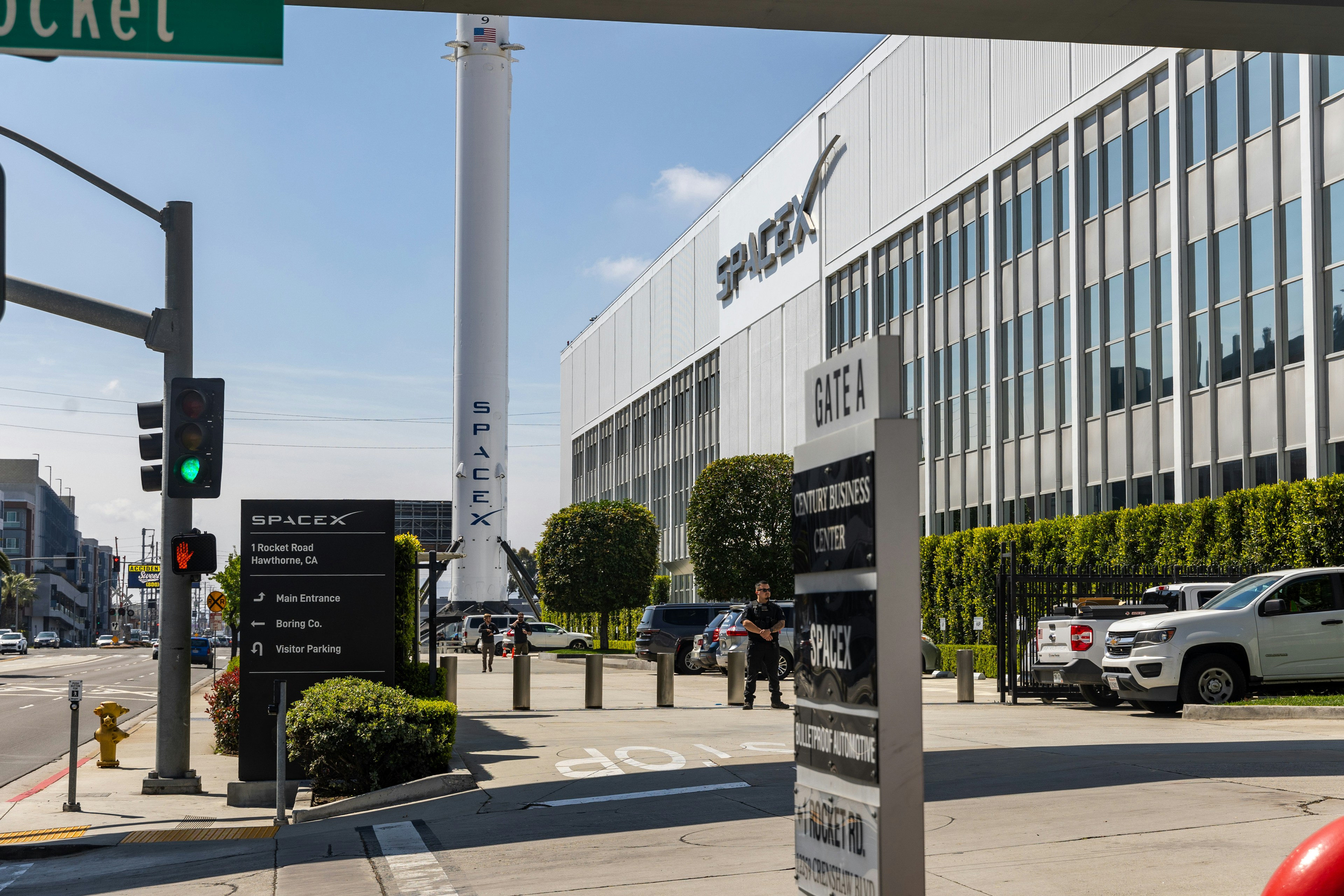
SpaceX sets a new reusability record and continues its busy launch schedule with multiple Starlink missions.

CSIS analysis identifies 75 unusual orbital maneuvers by Chinese GEO satellites over 10 years, consistent with military reconnaissance. Track GEO objects via KeepTrack.