DEBRISSAT-2 (43680)

COSPAR: 1998-067PR | Alt Name: DebrisSat-2
DECAYED

Image
DEBRISSAT-2 Satellite Image
Additional Sources
Launch Details

Launch Date

November 20, 1998

Launch Pad

LC40

Launch Vehicle

Falcon 9

Orbital Elements

NORAD ID

43680

International Designator

1998-067PR

Decay Date

5/30/2020

Basic Satellite Info

Name

DEBRISSAT-2

Alternative Name

DebrisSat-2

Type

Payload

Status

Decayed

Owner

SSTLA

Country

United Kingdom

Constellation

N/A

Related Satellites

Major Events

N/A

Summary
DEBRISSAT-2, also known as DebrisSat-2, is a 2U CubeSat configured as an SSTL-42 (SSTL X50) and was launched on November 20, 1998, from the TYSMC site using Falcon 9. This satellite has dimensions of 0.2 meters in length and span with a diameter of 0.1 meters and weighs approximately 3 kilograms both dry and at launch. Manufactured by SSTLA for technology demonstration purposes, DEBRISSAT-2 is powered by solar cells and batteries. Its shape consists of a box with four panels. The satellite was stabilized on October 28, 2018, following its launch from LC40.
Physical Characteristics

Length

0.2

Diameter

0.1

Span

0.2

Dry Mass

3

Launch Mass

3

Shape

Box+4 pan

Radar Cross Section

Unknown

Visual Magnitude

Unknown

Color

Unknown

Material Composition

Unknown

Technical Details

Payload

DebrisSat-2

Purpose

Technology

Mission

Technology

Manufacturer

SSTLA

Life Expectancy

Unknown

Bus

Cubesat 2U

Configuration

SSTL-42 (SSTL X50) (RemoveDEBRIS); CubeSat (2U) (DebrisSat 1, 2)

Motor

Unknown

Equipment

Unknown

Power System

Solar cells, batteries (Remove DEBRIS); batteries (DebrisSat 1); solar cells, batteries (DebrisSat 2)

ADCS

Unknown

Transmitter Frequency

Unknown

Satellite Articles

View All Posts »

Learn more about satellites and other related topics.

The Day Humanity Got Its First Close-up of the Future Apollo Landing Site

The Day Humanity Got Its First Close-up of the Future Apollo Landing Site

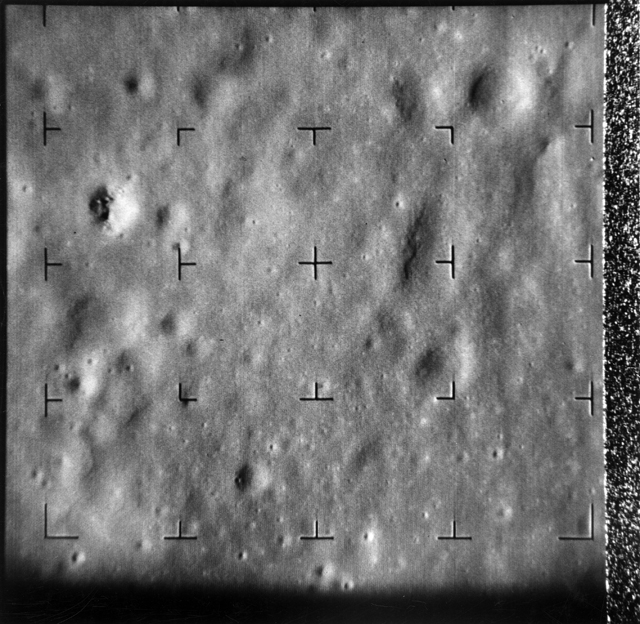
Sixty years ago, a pioneering spacecraft called Ranger 8 captured thousands of detailed photographs of the lunar surface before intentionally crashing into the Moon, helping pave the way for humanity's first steps on another world
The 300,000 Swerves Keeping Low Earth Orbit From Crashing

The 300,000 Swerves Keeping Low Earth Orbit From Crashing

Starlink satellites fired their thrusters to dodge a collision roughly 300,000 times in 2025, about 822 times a day. Behind that number is a fragile, half-automated system of warnings, probabilities, and judgment calls that decides which close approaches are worth a maneuver and which are just noise.

Space Brief 9 Jul 2025

Space Brief 9 Jul 2025

Today's brief covers the U.S. Space Force's new international strategy, Northrop Grumman's Golden Dome project, and ULA's Vulcan launches, alongside military budget priorities.

Second Starlink Satellite Generates Debris; Falcon 9 Booster Flies 34th Mission | KeepTrack Space Brief

Second Starlink Satellite Generates Debris; Falcon 9 Booster Flies 34th Mission | KeepTrack Space Brief

Second Starlink satellite malfunctioned on orbit and generated debris within three months of prior event. Falcon 9 booster completed record 34th mission from Cape Canaveral.

Etlaq Spaceport

Etlaq Spaceport

The Middle East's first commercial spaceport is building launch heritage one rocket at a time. How Oman is positioning Duqm as a global launch hub - and what the 2025 delays tell us about the real pace of spaceport development.

Space Brief 10 Jun 2025

Space Brief 10 Jun 2025

Today's brief covers increased Space Force funding, a renewed focus on nuclear power in space, a proposed US missile defense system, new defense budget revelations, and NATO's call for increased air defenses.

X Report 22 Sep 2025

X Report 22 Sep 2025

SpaceX successfully launched 28 Starlink satellites from Florida, marking another milestone for their ongoing deployment efforts.

X Report 10 Feb 2025

X Report 10 Feb 2025

SpaceX prepares for Starship Flight 8 with successful booster static fire; Starlink continues its expansion.