


X Report 24 Jun 2025
SpaceX successfully launched the Transporter-14 mission, adding multiple payloads, including Canadian satellites and a memorial capsule, while Starlink expands its services in Vietnam and enhances T-Mobile's reach.


Launch Date
October 24, 2018
Launch Site
TAISC
Launch Pad
LC9
Launch Vehicle
Chang Zheng 4B
NORAD ID
43659
International Designator
2018-081C
Decay Date
3/30/2021
Name
CZ-4B DEB
Alternative Name
CZ-4B sep motor cover
Type
Status
Owner
CNSA
Country
China
Constellation
N/A
Related Satellites
Major Events
N/A
Length
0
Diameter
0
Span
0
Dry Mass
0
Launch Mass
0
Shape
N/A
Radar Cross Section
Unknown
Visual Magnitude
Unknown
Color
Unknown
Material Composition
Unknown
Payload
Unknown
Purpose
Unknown
Mission
Unknown
Manufacturer
SAST
Life Expectancy
Unknown
Bus
Unknown
Configuration
Unknown
Motor
Unknown
Equipment
Unknown
Power System
Unknown
ADCS
Unknown
Transmitter Frequency
Unknown
Learn more about satellites and other related topics.
SpaceX successfully launched the Transporter-14 mission, adding multiple payloads, including Canadian satellites and a memorial capsule, while Starlink expands its services in Vietnam and enhances T-Mobile's reach.
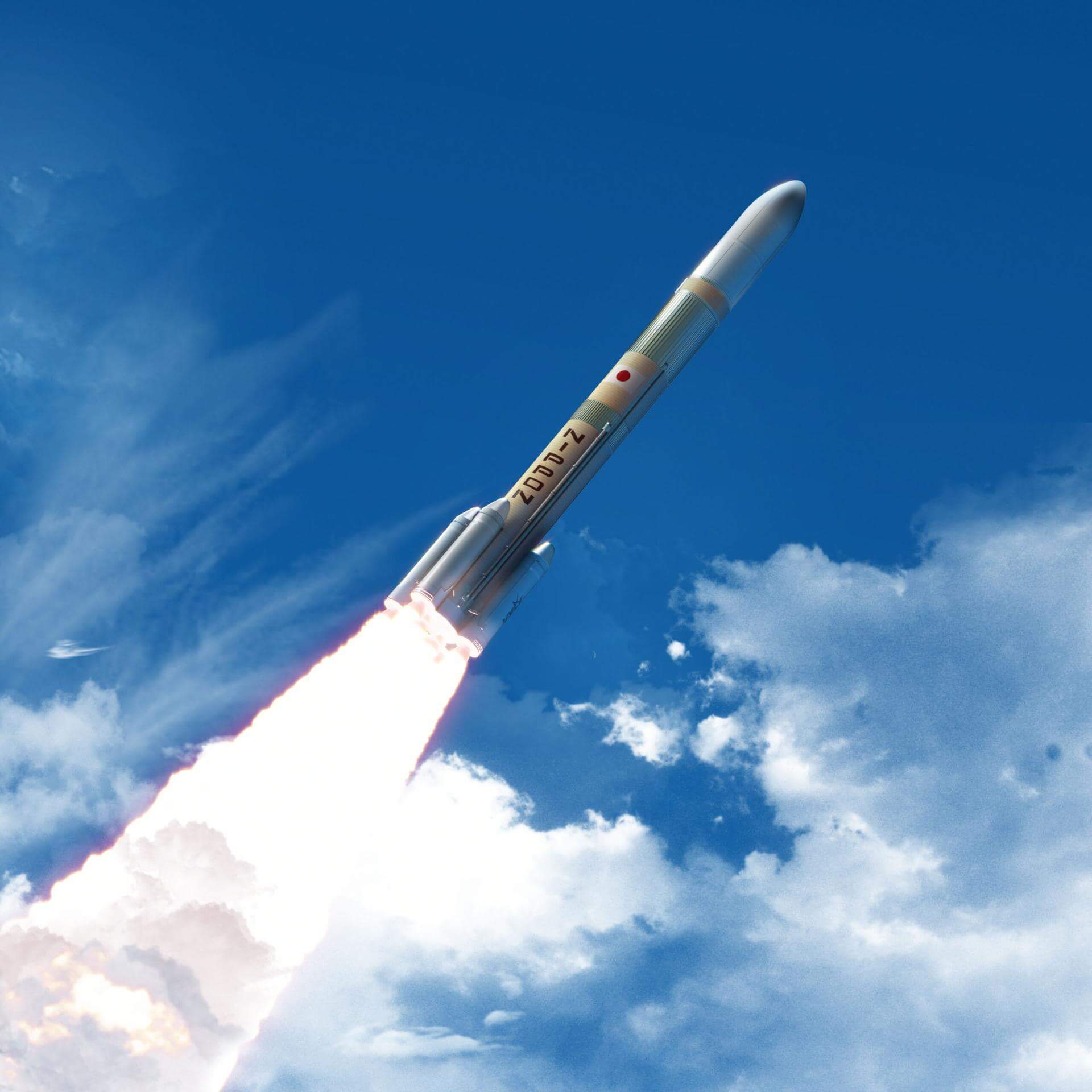
Today's Space Brief discusses significant military satellite launches, groundbreaking agreements for lunar nuclear power, and Italy's satellite strategy dilemma. Additionally, we cover the Dream Chaser's upcoming demonstration flight and new Pentagon contracts for rocket motor production.
SpaceX Dragon berthed ISS with 6,500 pounds of cargo May 17. China's Zenk Space raised $26M, targeting June for Zhihang-1 rocket's orbital debut.
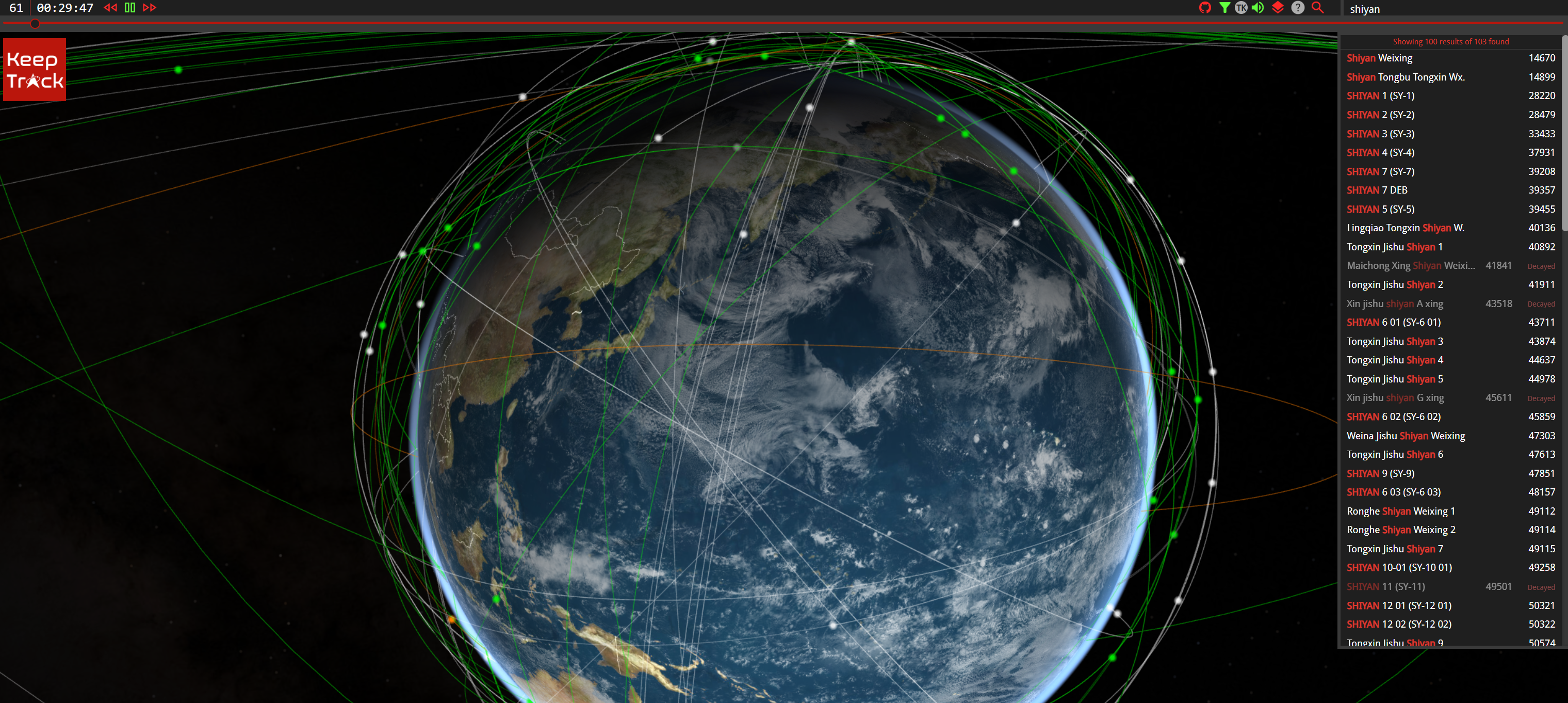
The master ledger of everything orbiting Earth: how tens of thousands of satellites, rocket bodies, and debris fragments are tracked and numbered
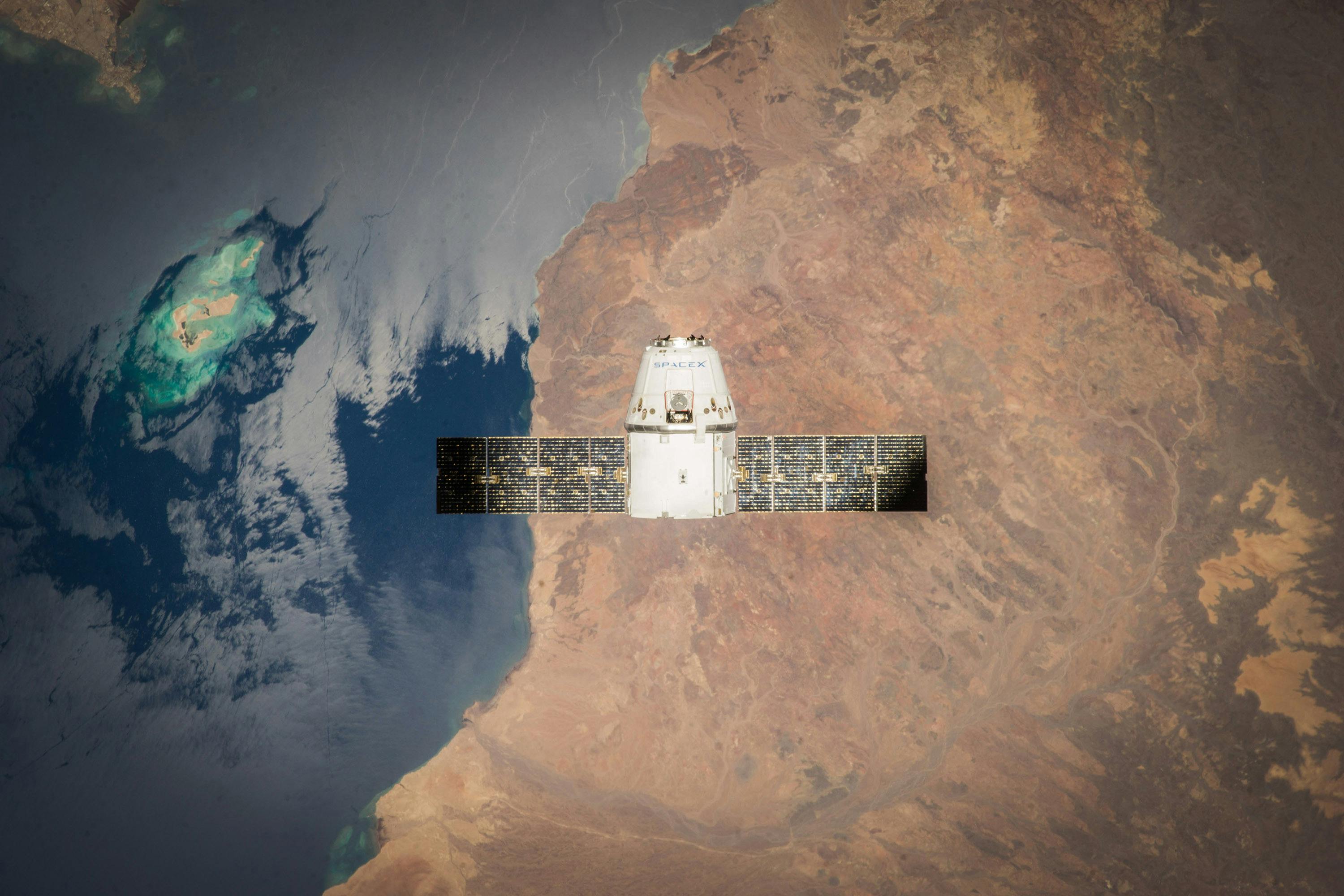
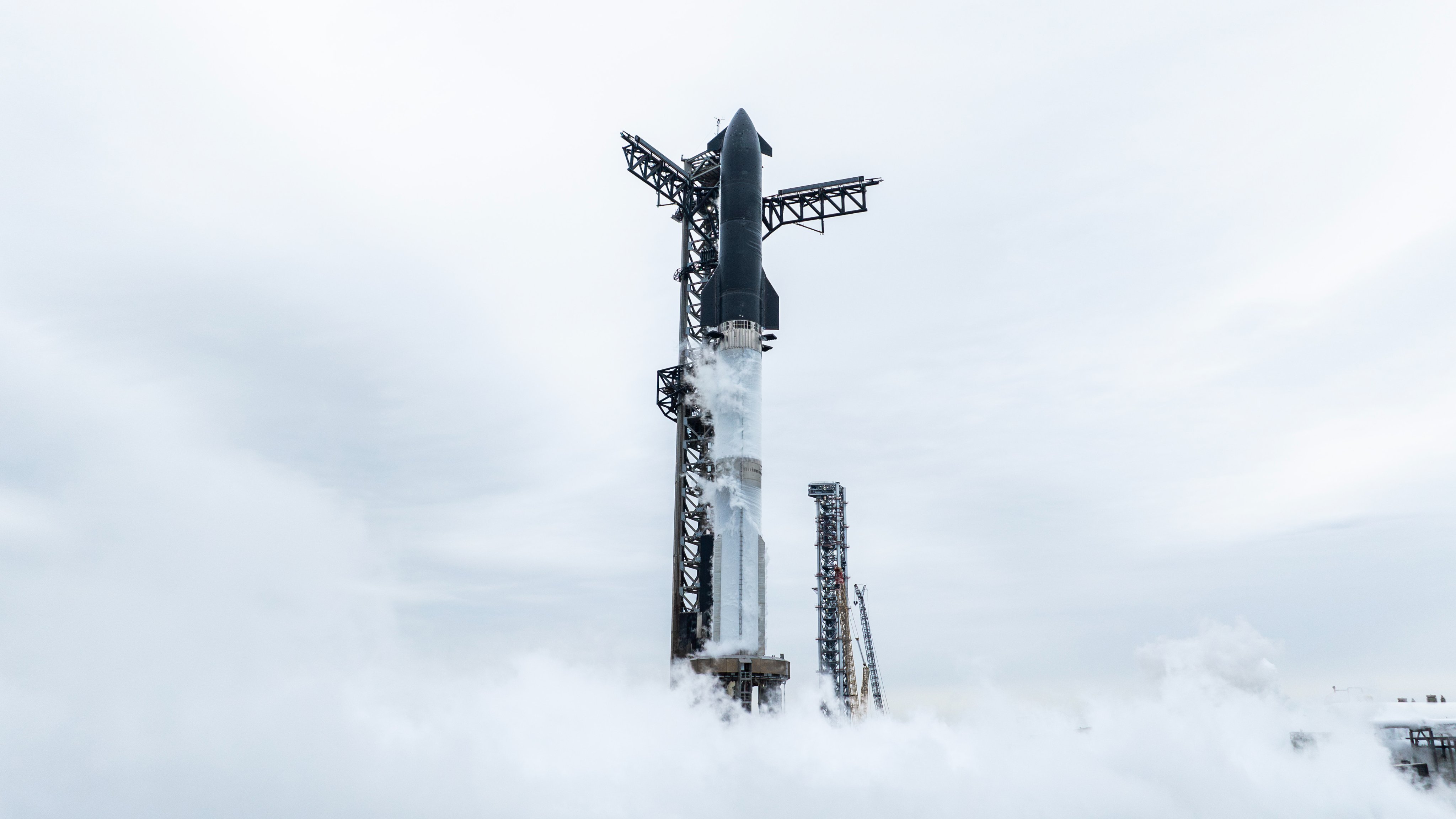
SpaceX advances Starship infrastructure, President Trump considers closing the National Space Council, and 23 new Starlink satellites boost global connectivity.

Katalyst's Link spacecraft passes key testing milestone ahead of June 2026 launch to rescue NASA's $500M SPARCS telescope. In-space servicing mission will create trackable conjunction risk during approach and docking phase.
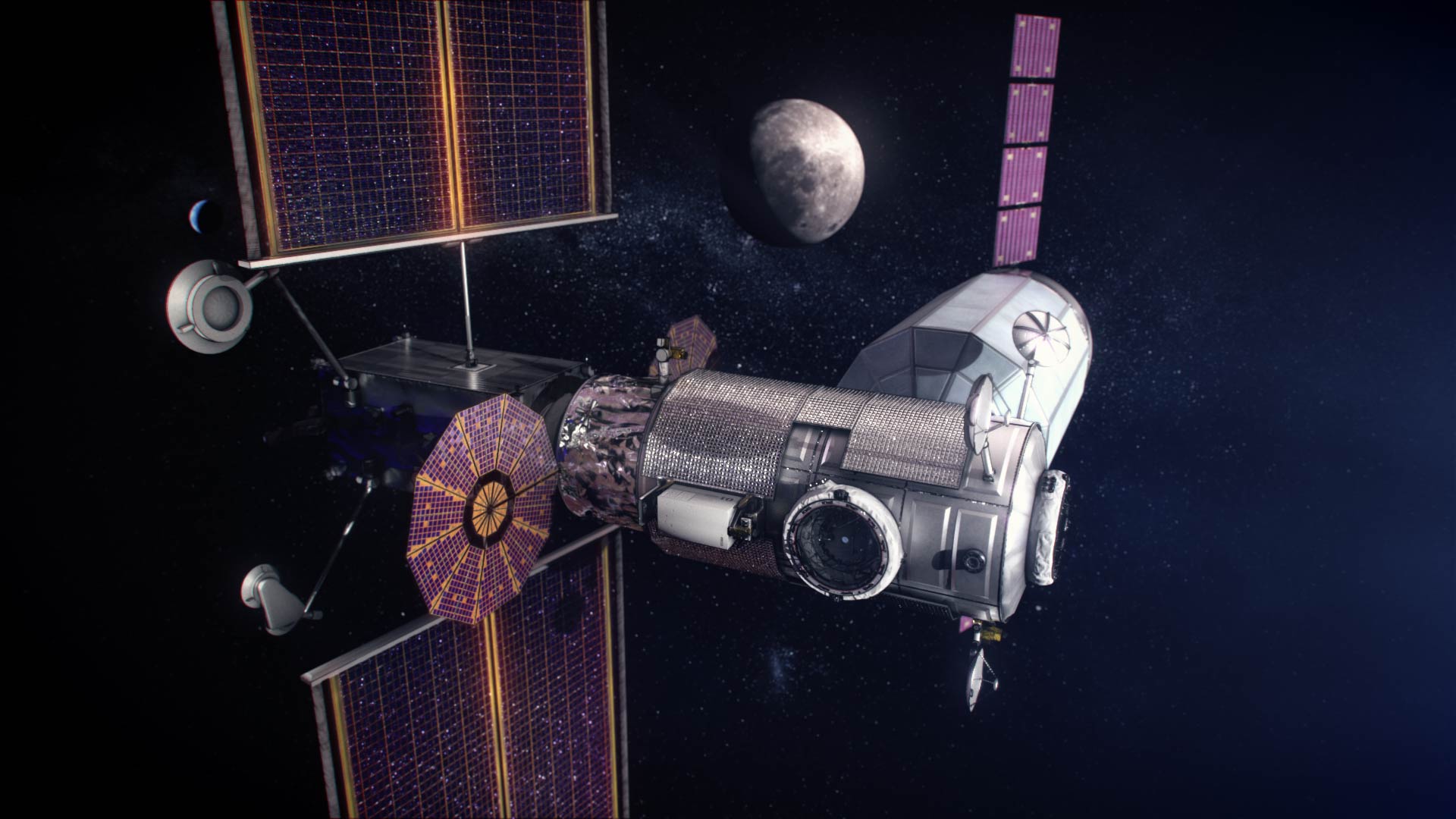
The volume of space between Earth and the Moon is roughly a thousand times larger than the orbit we actually watch, and almost none of it is under surveillance. As the U.S. and China race to build lunar outposts, the Space Force is scrambling to put eyes on a region it has been effectively blind to.

Thirty years ago, a Chinese rocket veered off course two seconds after liftoff, destroyed a village, and triggered a political scandal that reshaped how the United States controls space technology to this day