

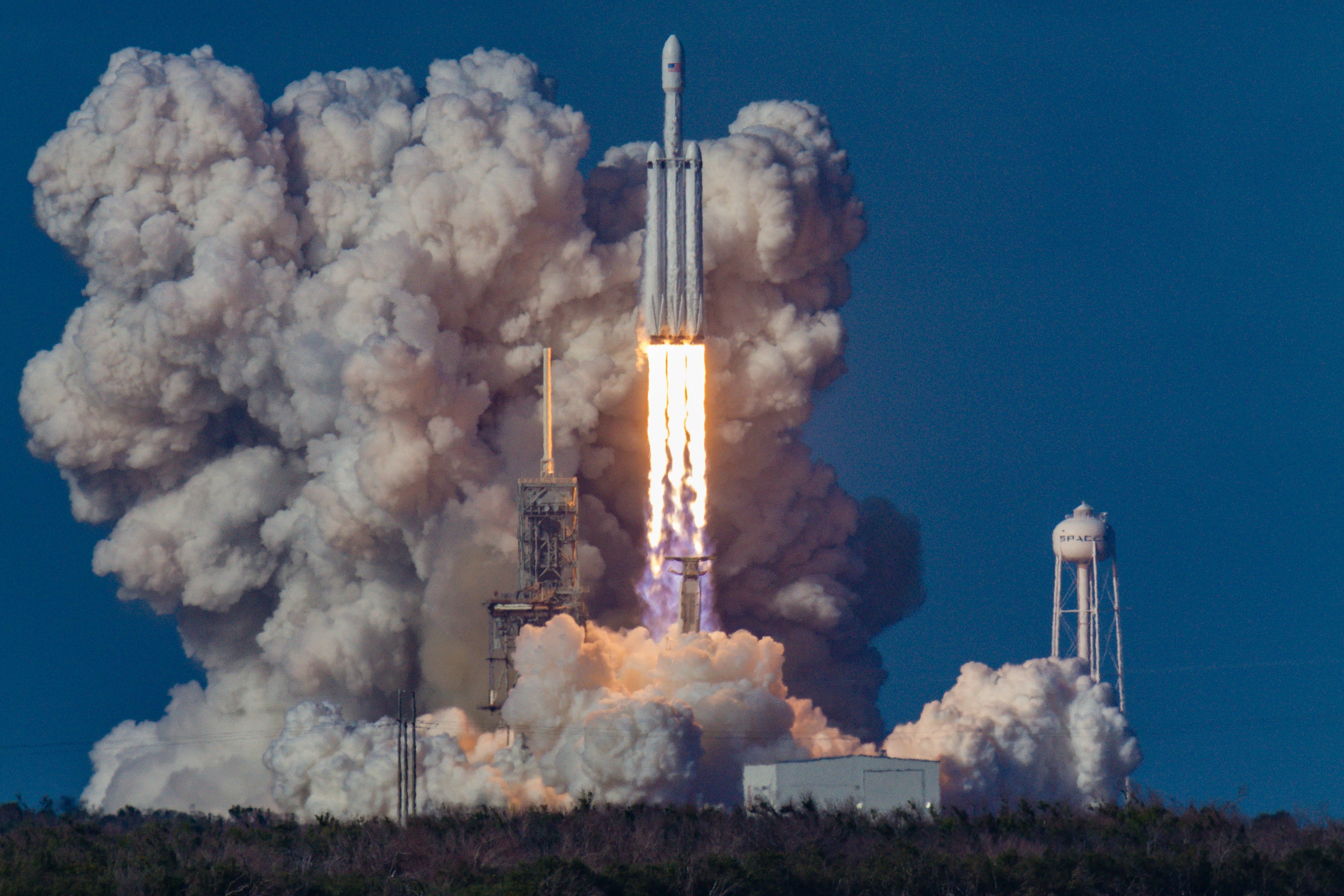
X Report 1 Sep 2025
SpaceX successfully launched 28 Starlink satellites from Florida, continuing its momentum in expanding global internet coverage.


Launch Date
September 29, 2018
Launch Site
JSC
Launch Pad
LC43/95
Launch Vehicle
Kuaizhou-1A
NORAD ID
43637
International Designator
2018-075B
Decay Date
8/16/2021
Name
KZ-1A R/B
Alternative Name
KZ-1A Y8 Stage 4
Type
Status
Owner
EXPACE
Country
China
Constellation
N/A
Related Satellites
Major Events
N/A
Length
1
Diameter
0.5
Span
1
Dry Mass
50
Launch Mass
50
Shape
Cyl
Radar Cross Section
Unknown
Visual Magnitude
Unknown
Color
Unknown
Material Composition
Unknown
Payload
KZ-1A Stage 4
Purpose
Unknown
Mission
Unknown
Manufacturer
CASIC
Life Expectancy
Unknown
Bus
Unknown
Configuration
Unknown
Motor
Unknown
Equipment
Unknown
Power System
Unknown
ADCS
Unknown
Transmitter Frequency
Unknown
Learn more about satellites and other related topics.
SpaceX successfully launched 28 Starlink satellites from Florida, continuing its momentum in expanding global internet coverage.
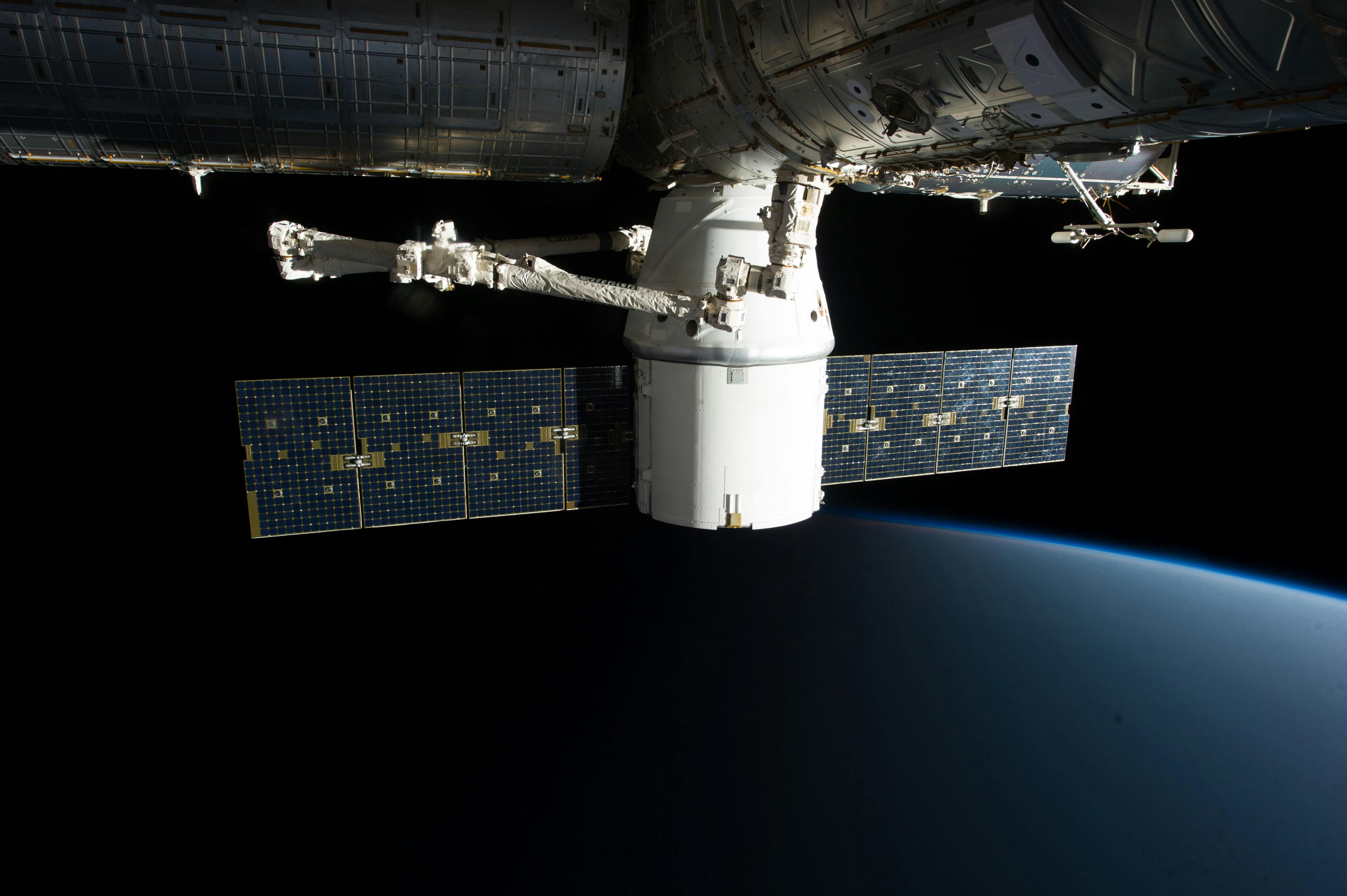
SpaceX gears up for another busy week with a Falcon 9 launch to the ISS while Vast Space expands its Haven-1 payload roster.
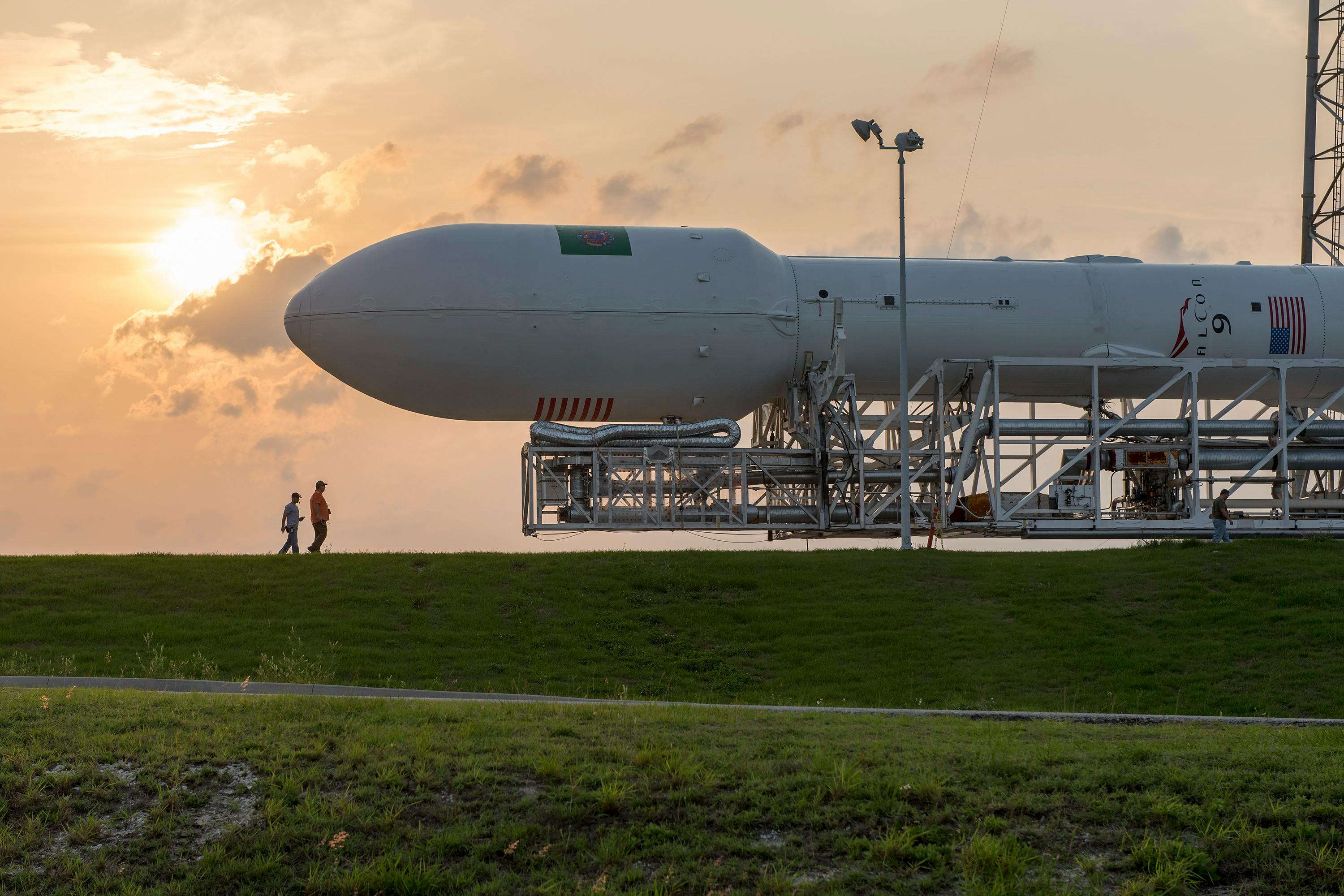
SpaceX faces a launch delay at Cape Canaveral and continues to advance Starship development.
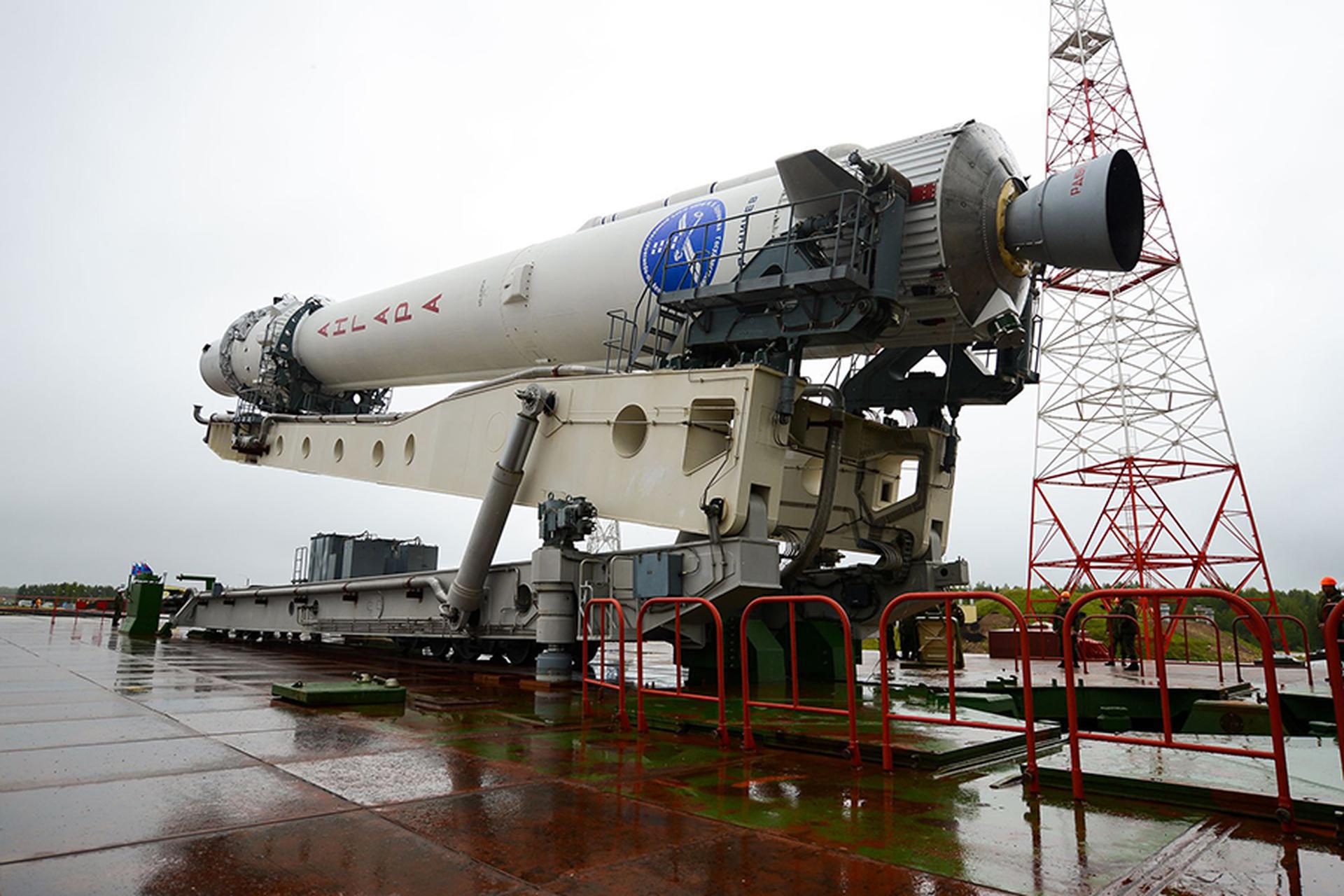
Today's highlights include SpaceX's record-breaking Falcon 9 launches, Dream Chaser's testing success, and Blue Origin's latest New Glenn achievements.

Iran successfully struck U.S. aircraft in Saudi Arabia despite maxed-out defensive posture. Space Force ISR and missile warning gaps exposed. Tracking impacts.

Key highlights on China's reusable rocket developments, U.S. military's Tranche 1 satellite launch, Space Force's weapons acquisition strategies, and more.
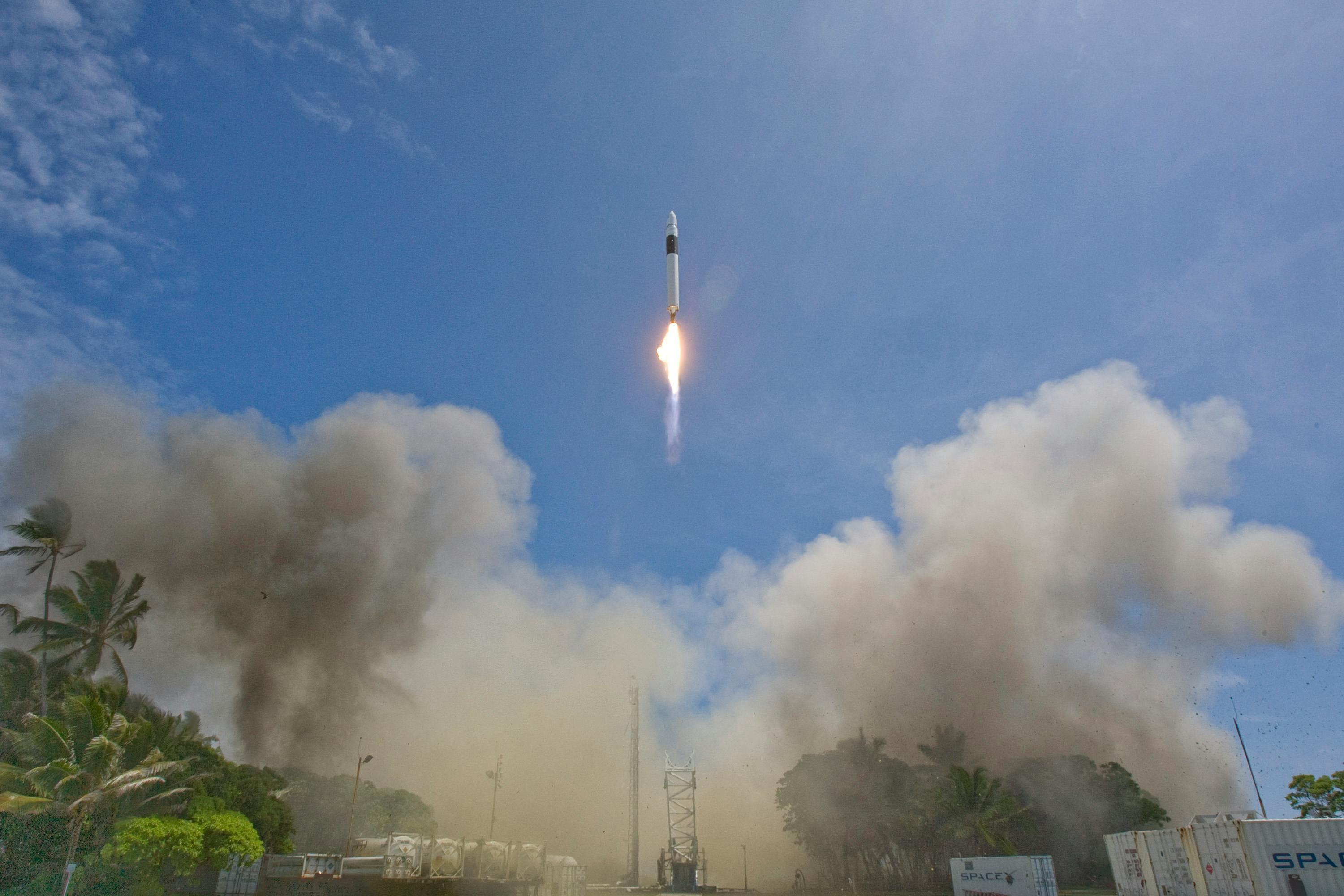
Today's brief highlights the successful launch of 29 Starlink satellites, progress on the Starship fleet, and ongoing adjustments in SpaceX's launch schedules.
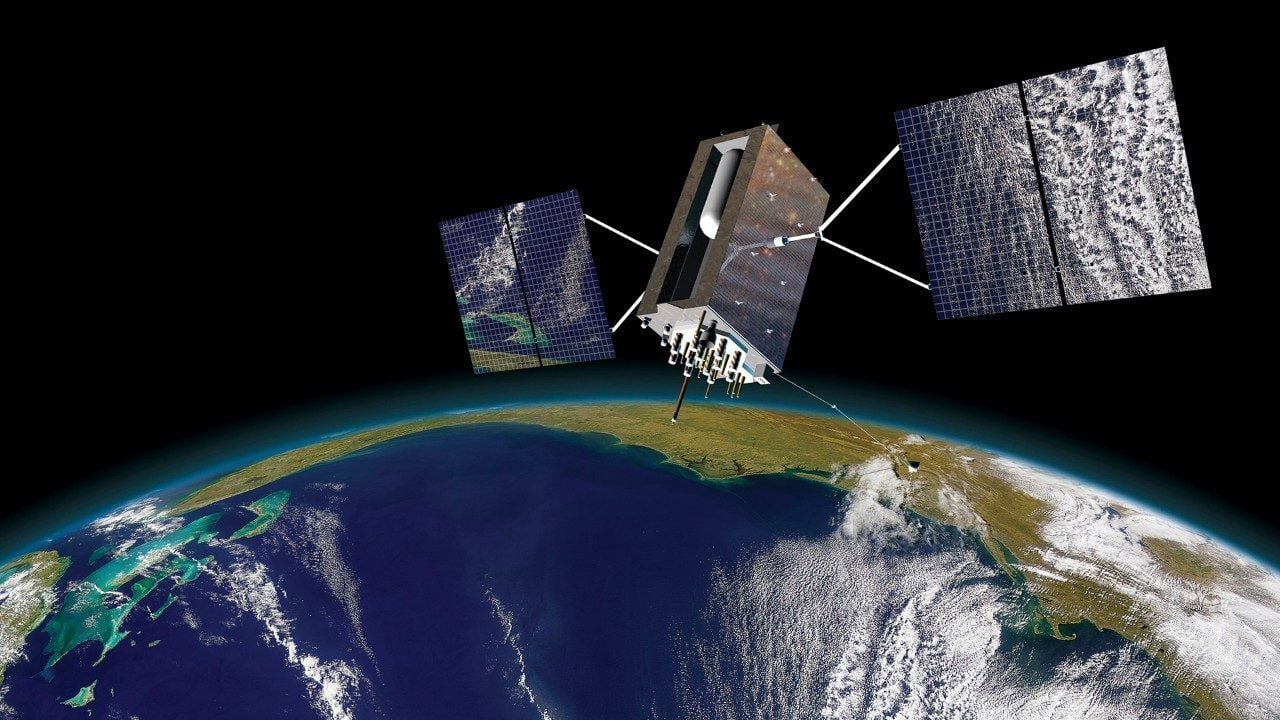
On April 17, 2026, the U.S. Space Force officially cancelled the Next Generation Operational Control System after sixteen years of development, cost overruns, and testing failures. The $8 billion program was supposed to unlock the military's encrypted GPS signal. Instead, the satellites are flying with capabilities the ground can't command.