


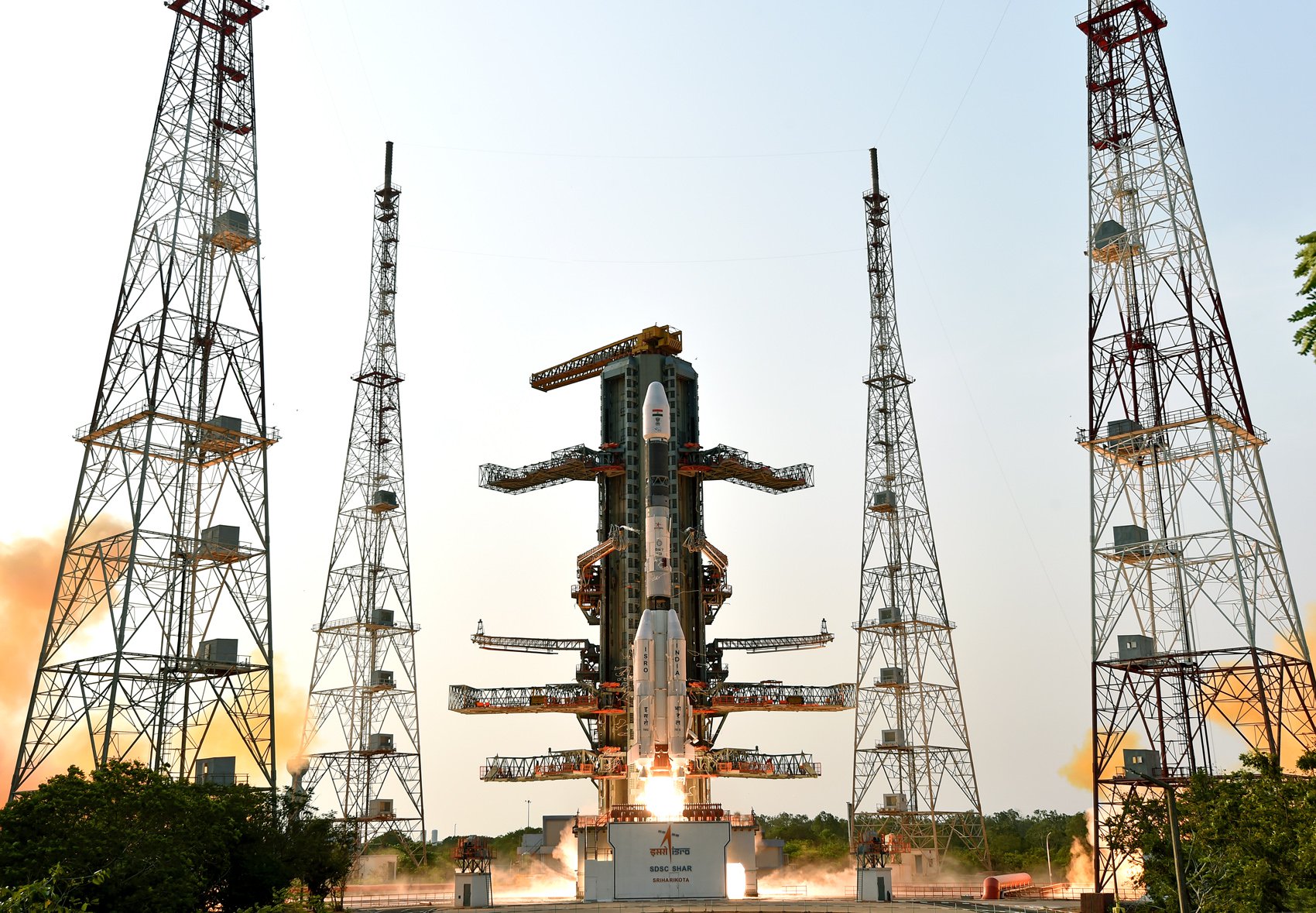
Space Brief 15 Jul 2025
Today's brief covers new military space funding, intriguing scientific discoveries, and defense contracts impacting global military strategies.


Launch Date
September 19, 2018
Launch Site
XICLF
Launch Pad
LC2
Launch Vehicle
Chang Zheng 3B/YZ-1
NORAD ID
43625
International Designator
2018-072D
Epoch
Fri, 03 Jul 2026 08:48:19 GMT
Apogee
Calculating...
Perigee
Calculating...
Inclination
56.44°
Right Ascension
71.24°
Eccentricity
Calculating...
Argument of Perigee
66.19°
Period
811.35 min
Mean Motion
1.77 rev/day
Latitude
Calculating...
Longitude
Calculating...
Altitude
Calculating...
Velocity
Calculating...
Name
YZ-1 R/B
Alternative Name
Yuanzheng-1 Y10
Type
Status
Owner
CASC
Country
China
Constellation
N/A
Related Satellites
Major Events
N/A
1 43625U 18072D 26184.36689506 -.00000028 00000-0 00000-0 0 9993
2 43625 56.4396 71.2358 0108896 66.1877 295.0147 1.77481591 50475
Source: Celestrak
Length
4
Diameter
3
Span
4
Dry Mass
5815
Launch Mass
3590
Shape
Double cone
Radar Cross Section
Unknown
Visual Magnitude
Unknown
Color
Unknown
Material Composition
Unknown
Payload
YZ-1
Purpose
Unknown
Mission
Unknown
Manufacturer
CALT
Life Expectancy
Unknown
Bus
YZ-1
Configuration
Unknown
Motor
Unknown
Equipment
Unknown
Power System
Unknown
ADCS
Unknown
Transmitter Frequency
Unknown
Learn more about satellites and other related topics.
Today's brief covers new military space funding, intriguing scientific discoveries, and defense contracts impacting global military strategies.

Today's briefing covers strategic military developments including missile defense proposals and board realignments, intertwined with rising space defense exports and autonomous launcher progress.
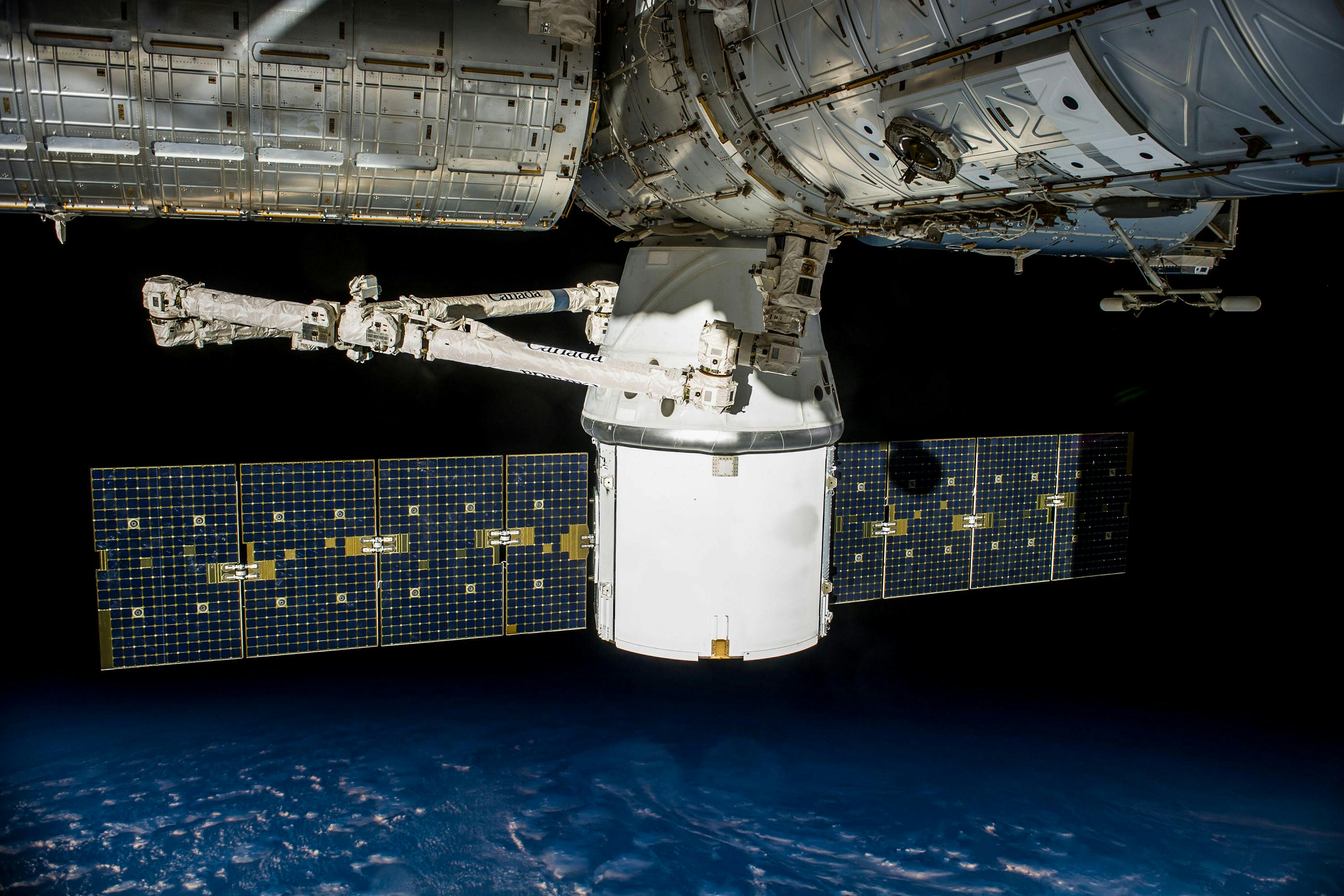
NASA considers opening the Artemis 3 lander to new bids as delays surface, while SpaceX gears up for multiple Falcon 9 launches this week and secures a redevelopment nod for SLC-6.

Key updates today focus on SpaceX's latest satellite launch for the U.S. military, critical space resource assessments by the U.S. Space Force, and new developments in space infrastructure and equipment for defense operations.
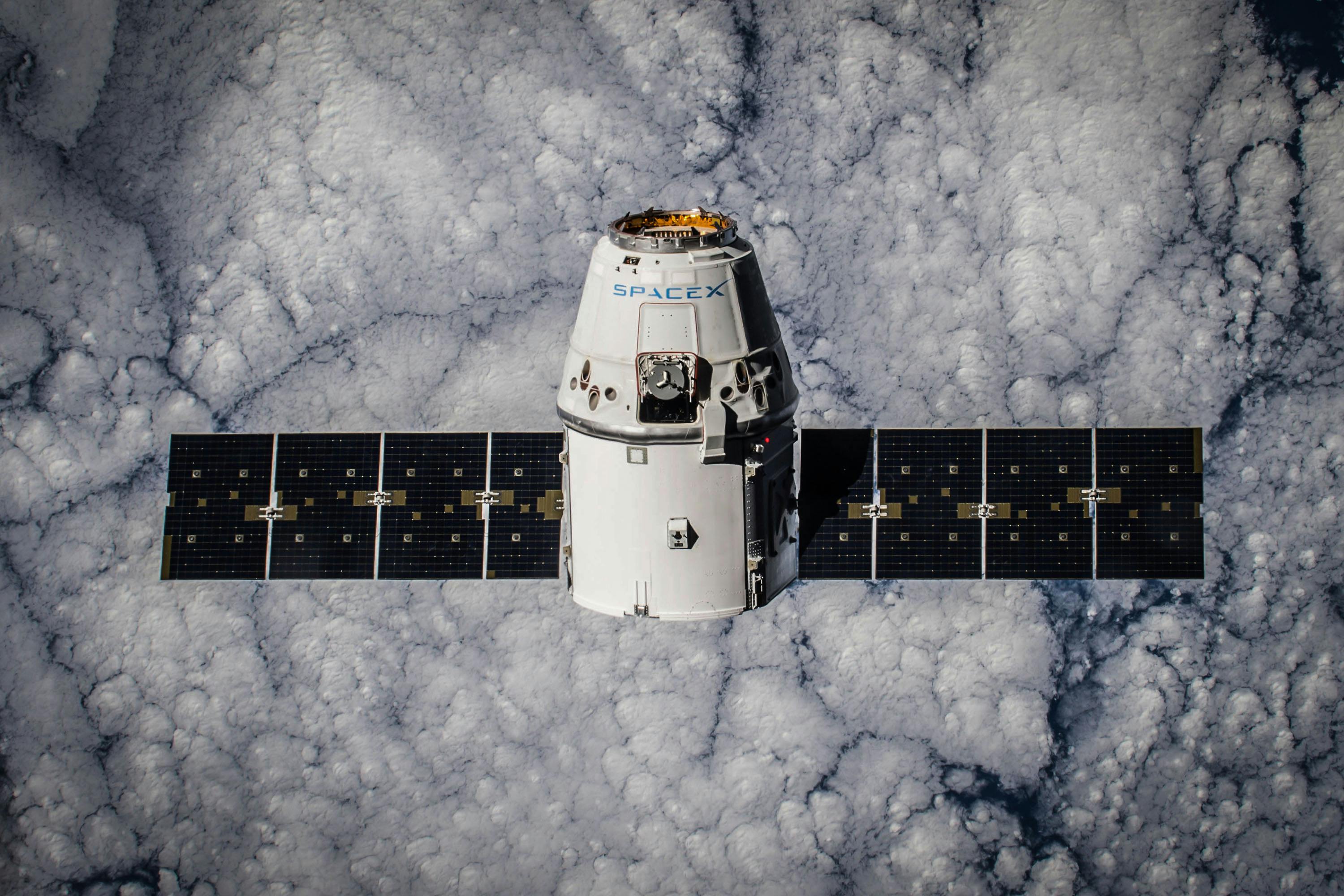
SpaceX makes strides with new GPS and Starlink launches while securing major U.S. government contracts.

Space Force sees strategic value in asteroid mining. Congress pushes back on R-GPS phase-out over jamming risks. BlackSky expands Gen 3 defense contracts.
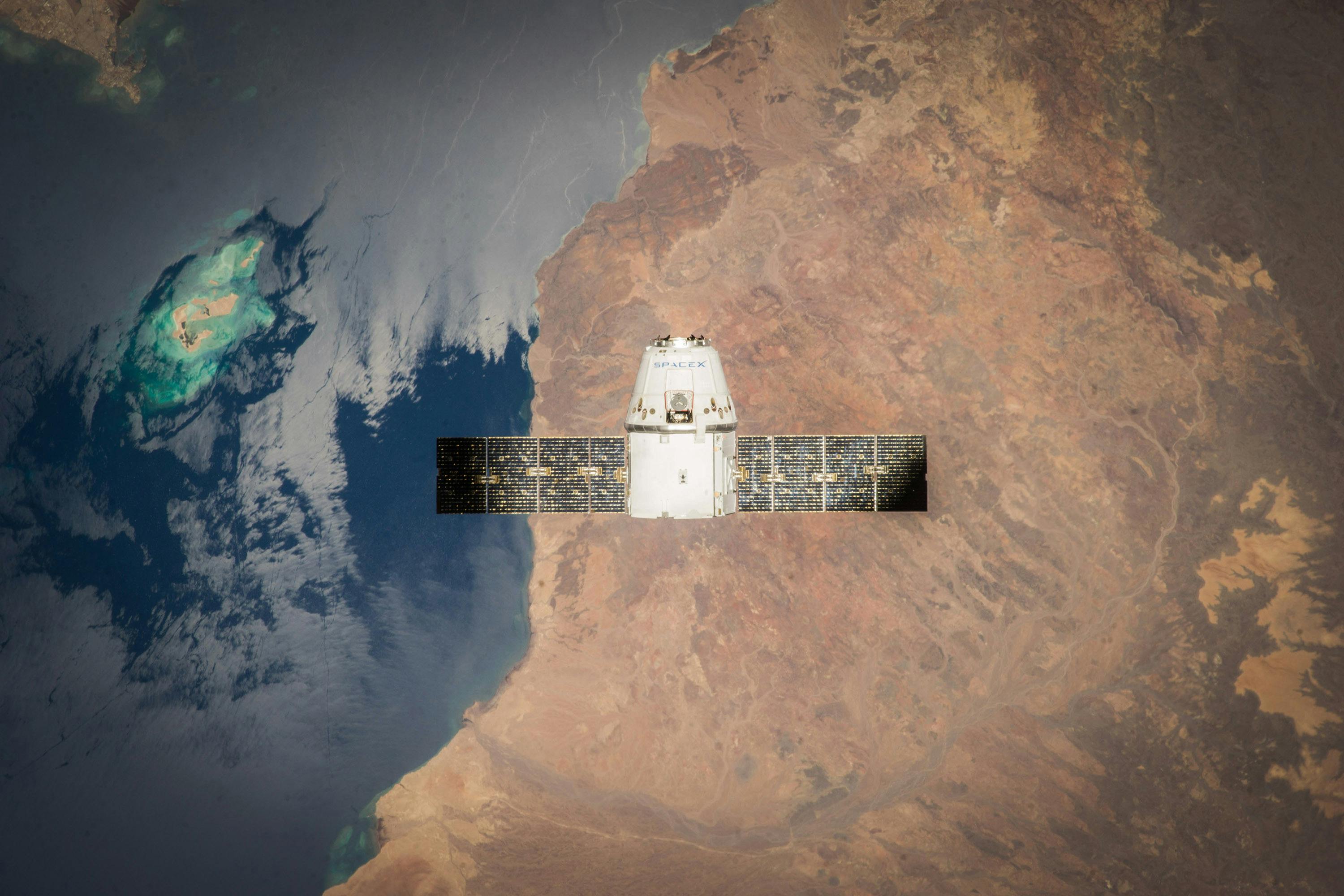
SpaceX sees another successful Starlink launch and faces strategic contract discussions as NASA pivots to reliable Dragon missions.
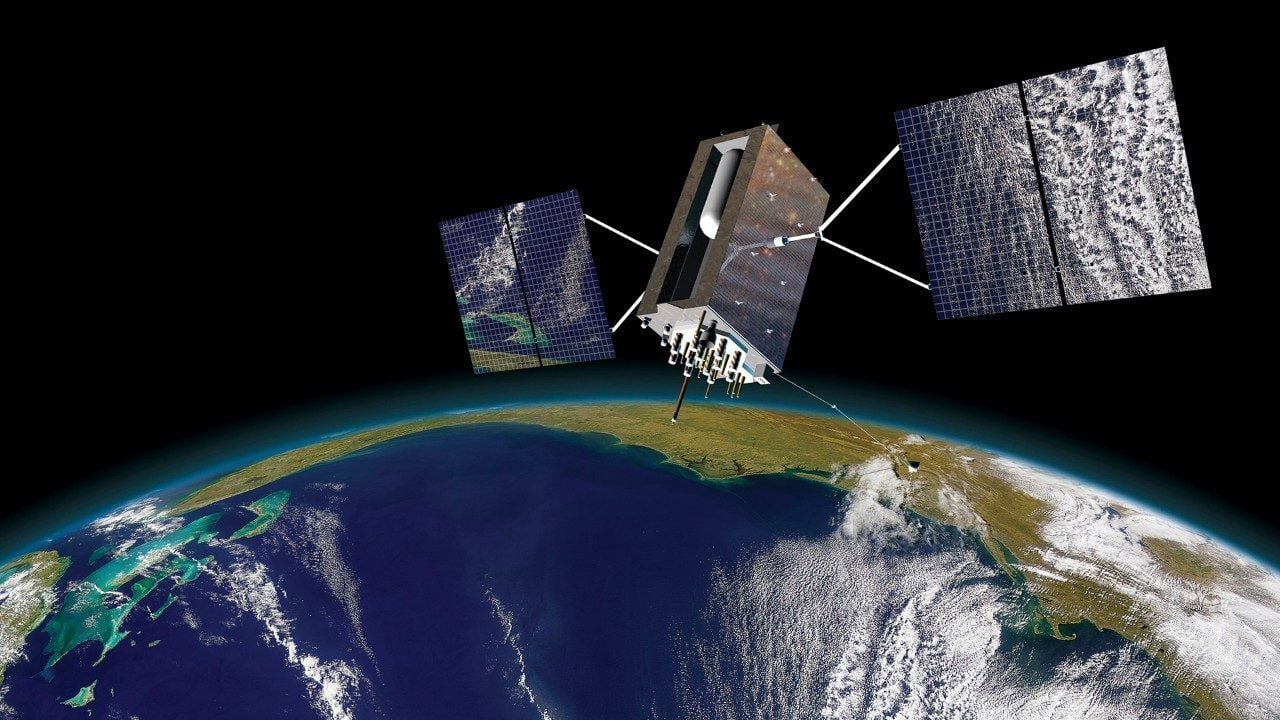
On April 17, 2026, the U.S. Space Force officially cancelled the Next Generation Operational Control System after sixteen years of development, cost overruns, and testing failures. The $8 billion program was supposed to unlock the military's encrypted GPS signal. Instead, the satellites are flying with capabilities the ground can't command.