


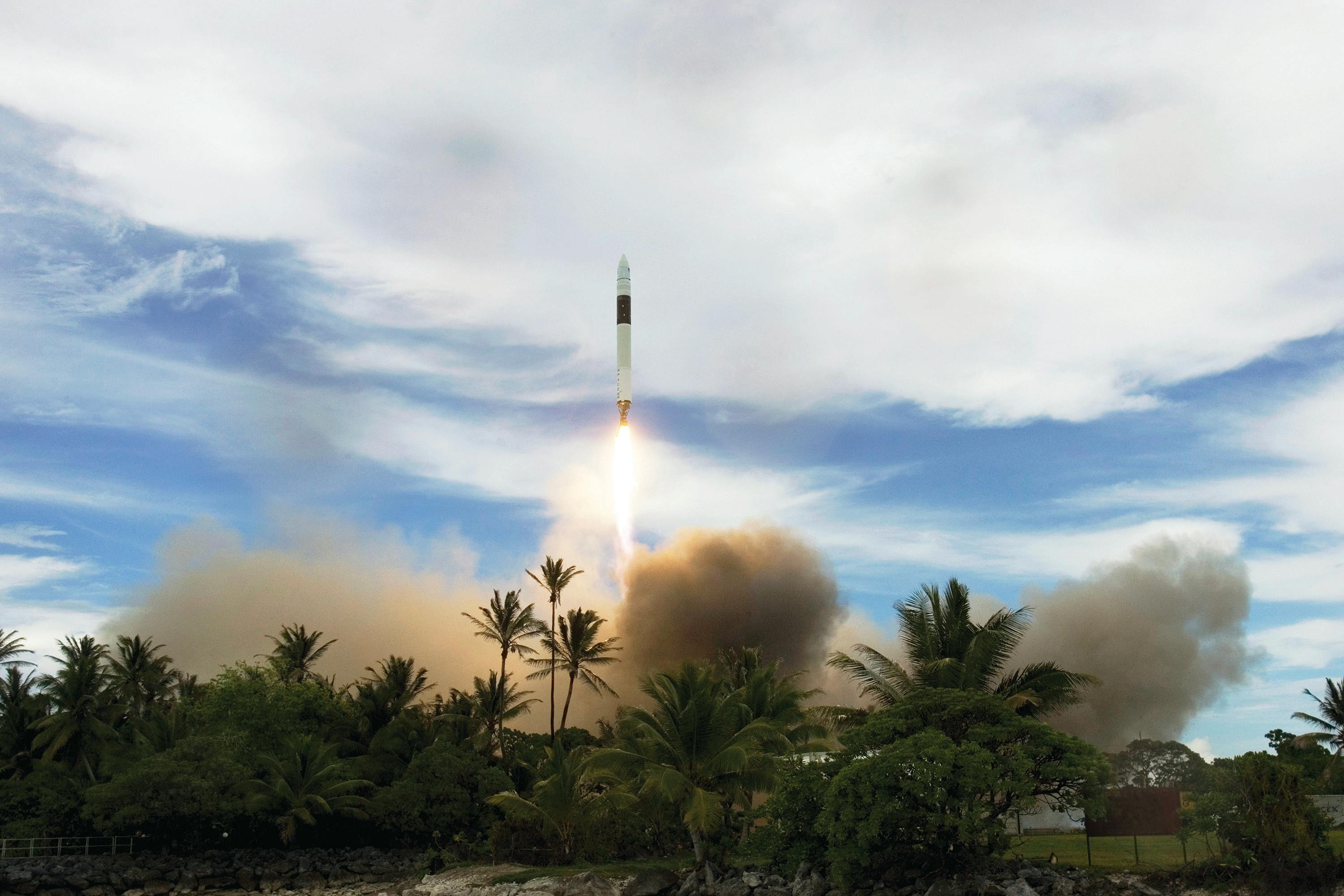
10,374 Starlink Satellites in Orbit, X Report 6 May 2026
Starlink satellites in orbit May 2026: 10,374, with 10,358 working. Mission 17-29 lifts 24 more from Vandenberg and a satellite films the Starlink train.


Launch Date
September 16, 2018
Launch Site
SRILR
Launch Pad
FLP
Launch Vehicle
PSLV
NORAD ID
43619
International Designator
2018-071B
Epoch
Sat, 04 Jul 2026 05:47:27 GMT
Apogee
Calculating...
Perigee
Calculating...
Inclination
97.50°
Right Ascension
56.86°
Eccentricity
Calculating...
Argument of Perigee
70.04°
Period
96.24 min
Mean Motion
14.96 rev/day
Latitude
Calculating...
Longitude
Calculating...
Altitude
Calculating...
Velocity
Calculating...
Name
NOVASAR 1
Alternative Name
NovaSAR-S
Type
Status
Owner
SSTLA
Country
United Kingdom
Constellation
N/A
Related Satellites
Major Events
N/A
1 43619U 18071B 26185.24129603 .00000254 00000-0 27309-4 0 9995
2 43619 97.5035 56.8603 0001524 70.0402 290.0983 14.96255118425483
Source: Celestrak
Length
3
Diameter
1
Span
3
Dry Mass
400
Launch Mass
445
Shape
Box tri
Radar Cross Section
Unknown
Visual Magnitude
Unknown
Color
Unknown
Material Composition
Unknown
Payload
NovaSAR-S
Purpose
Earth observation, radar
Mission
Earth observation, radar
Manufacturer
SSTLA
Life Expectancy
7 years
Bus
NovaSAR-S
Configuration
NovaSAR-S bus
Motor
Xe
Equipment
S-band SAR
Power System
Solar cells, batteries
ADCS
Unknown
Transmitter Frequency
Unknown
Learn more about satellites and other related topics.
Starlink satellites in orbit May 2026: 10,374, with 10,358 working. Mission 17-29 lifts 24 more from Vandenberg and a satellite films the Starlink train.

Today's brief covers the new Space Force operations doctrine, international defense collaborations by the UAE, and satellite tracking technology innovations.
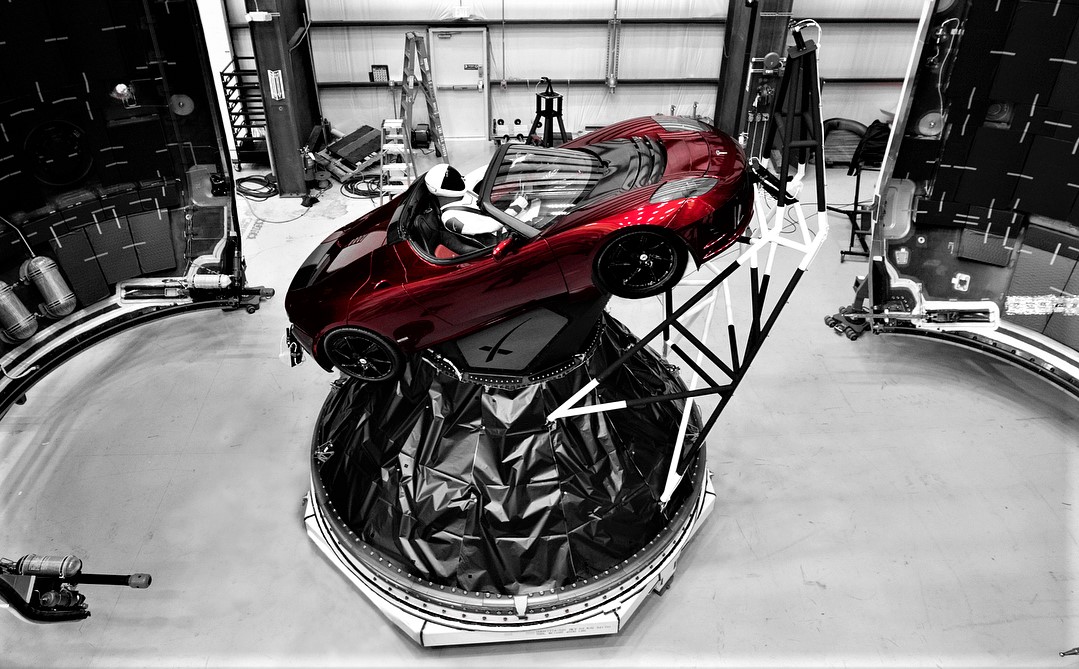
Seven years ago, SpaceX revolutionized spaceflight by launching the most powerful operational rocket in the world, carrying with it a cherry-red Tesla Roadster that captured global imagination
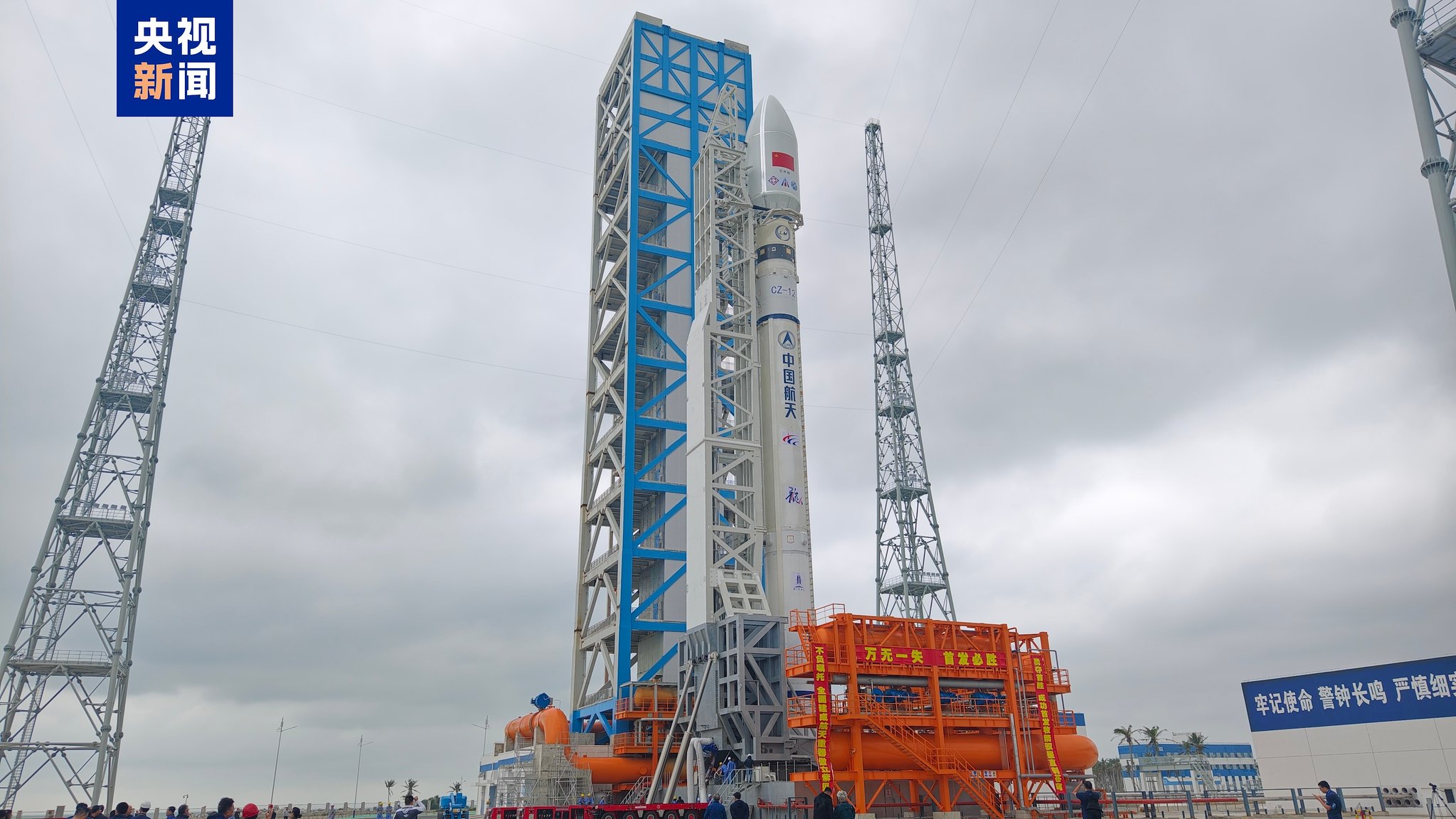
Today's edition covers significant military space developments, including DIU tech consolidation discussions, NDAA budget expansions, and new military commands.

Today's Space Brief covers a crucial weather data decision by the U.S. Defense Department, an innovative power supply for aerospace systems, advancements in satellite link technology, and Norway's maritime surveillance. AI/ML tools for airspace management and concerns about defense testing capabilities are also highlighted.
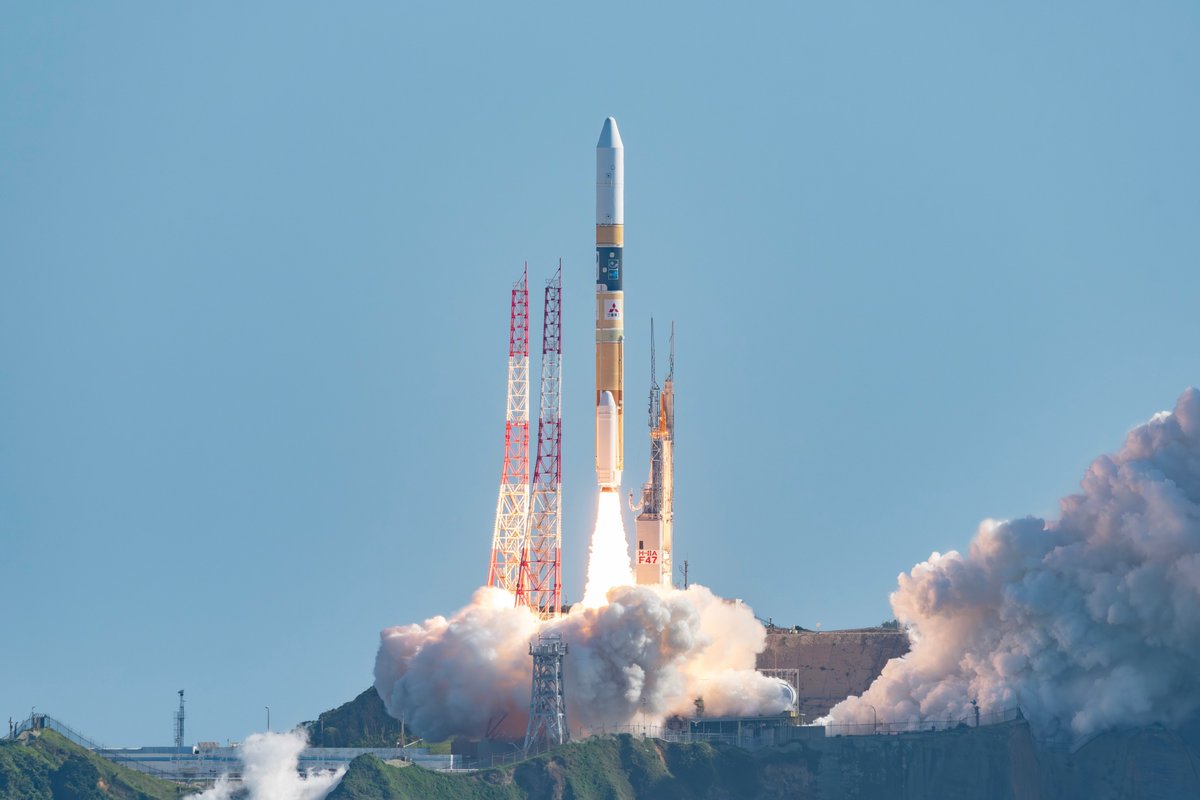
Significant advancements and launches in space: NASA's hypersonic sensor breakthrough, ChinaSat-9C's launch, and SpaceX's resilient Falcon 9 operations.

SpaceX preps for Starship Flight 6 while Shotwell predicts Starship's future impact. Impulse Space secures Falcon 9 launches, and potential shifts in US space policy loom.
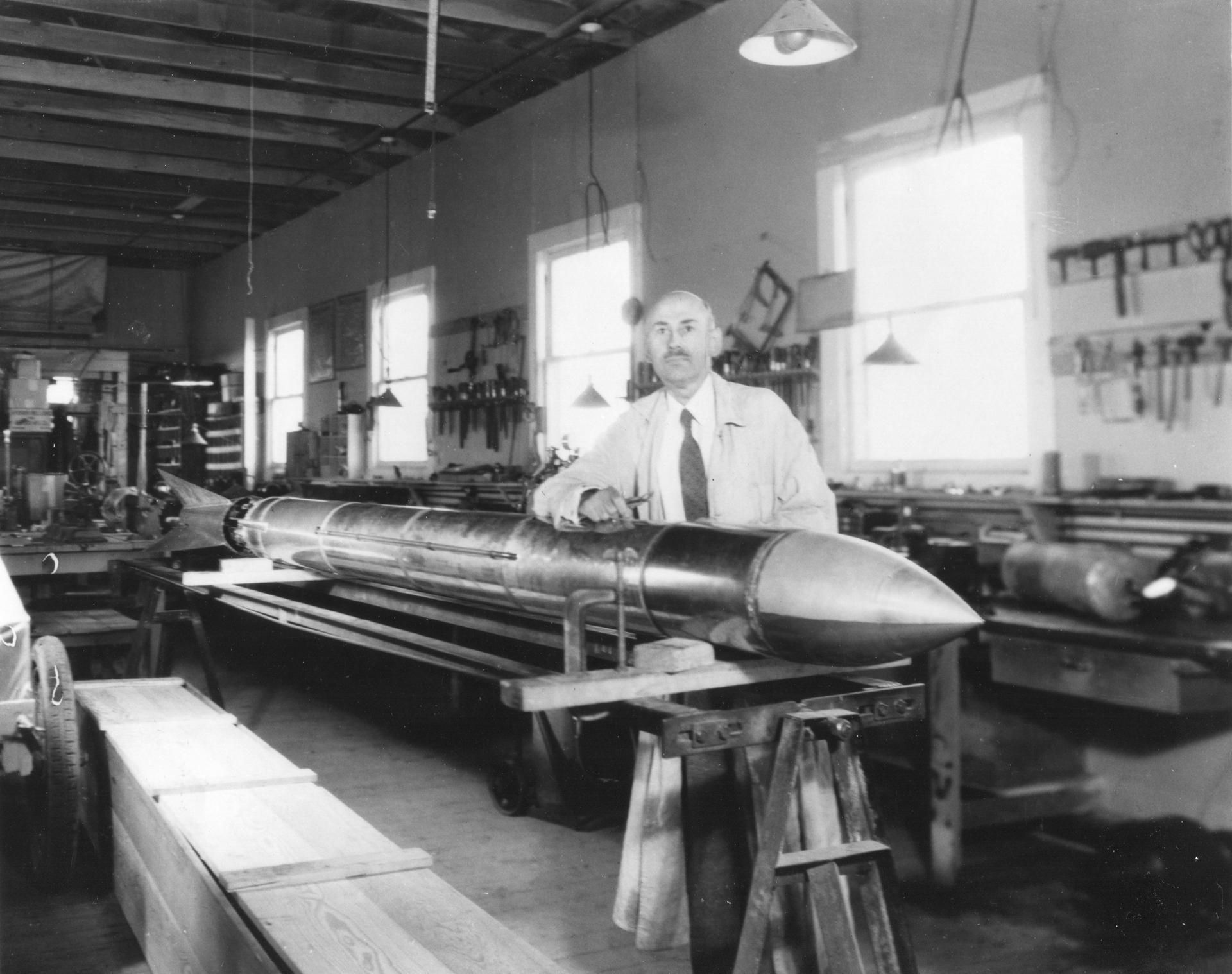
On February 2, 1909, Robert Goddard made a revolutionary breakthrough in his notebook: liquid oxygen and liquid hydrogen could achieve 50% efficiency in converting heat energy to kinetic energy for rocket propulsion