BEIDOU-3 M11 (43603)

COSPAR: 2018-067B | Alt Name: Beidou DW 35

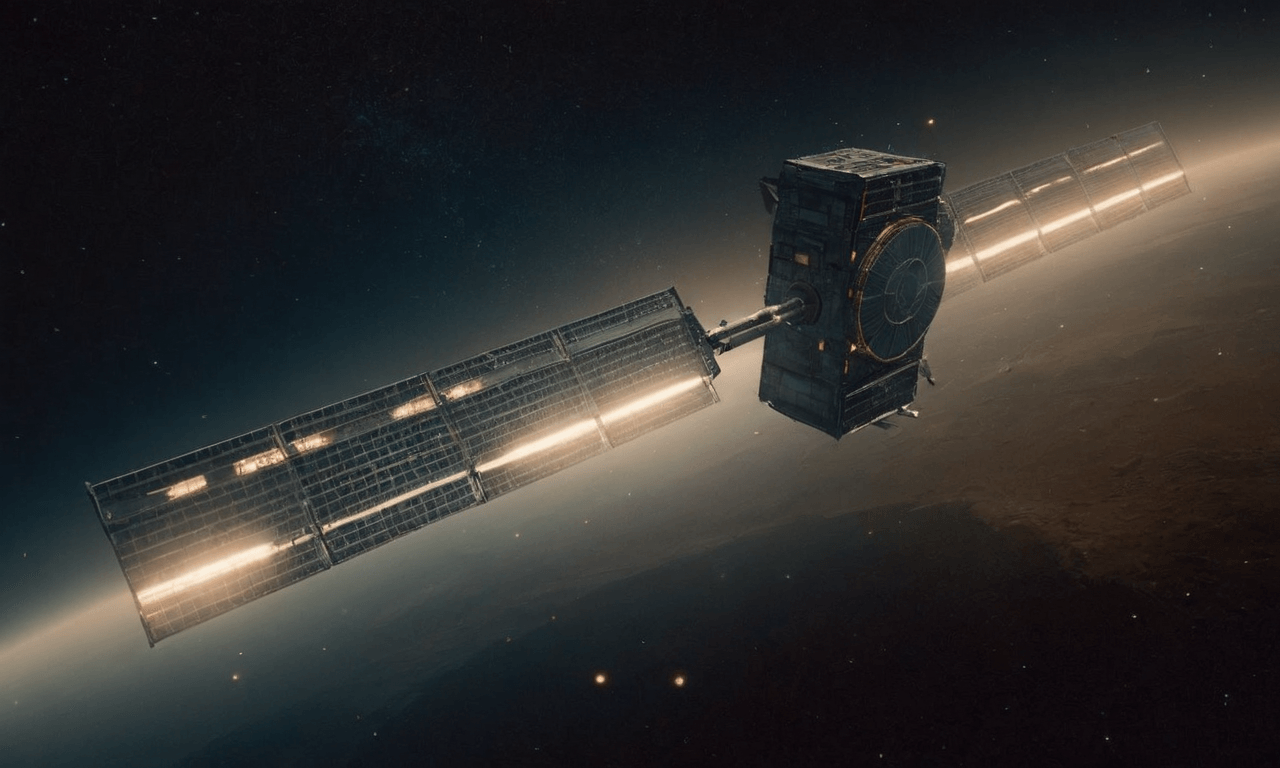
Image
BEIDOU-3 M11 Satellite Image
Additional Sources
Launch Details

Launch Date

August 24, 2018

Launch Site

XICLF

Launch Pad

LC3

Launch Vehicle

Chang Zheng 3B/YZ-1

Orbital Elements

NORAD ID

43603

International Designator

2018-067B

Epoch

Fri, 03 Jul 2026 16:33:14 GMT

Apogee

Calculating...

Perigee

Calculating...

Inclination

54.18°

Right Ascension

180.44°

Eccentricity

Calculating...

Argument of Perigee

13.16°

Period

773.25 min

Mean Motion

1.86 rev/day

Latitude

Calculating...

Longitude

Calculating...

Altitude

Calculating...

Velocity

Calculating...

Polar Plot
3D Visualization
Basic Satellite Info

Name

BEIDOU-3 M11

Alternative Name

Beidou DW 35

Type

Payload

Status

Operational

Owner

CNSA

Country

China

Constellation

N/A

Related Satellites

Major Events

N/A

Latest TLEs
1 43603U 18067B   26184.68975025  .00000085  00000-0  00000-0 0  9994
2 43603  54.1787 180.4442 0004616  13.1596 346.8502  1.86227316 53456

Source: Celestrak

Summary
BEIDOU-3 M11, also known as Beidou DW 35, is a navigation satellite operated by CNSA (China National Space Administration). Launched on August 24, 2018, from the Xichang Satellite Launch Center (XICLF), LC3 pad, using the Chang Zheng 3B/YZ-1 launch vehicle, it has a configuration described as "Box + 2 Pan," with dimensions of 2.2 meters in length, 1.7 meters in diameter, and a span of 10 meters. The satellite's dry mass is 850 kilograms and its launch mass was 1014 kilograms. Its power comes from two deployable solar arrays and batteries. It was manufactured by SECM (Shanghai Engineering Center for Microsatellites) with a mission lifetime of 12 years, primarily serving navigation purposes within the Beidou satellite constellation system.
Physical Characteristics

Length

2.2

Diameter

1.7

Span

10

Dry Mass

850

Launch Mass

1014

Shape

Box + 2 Pan

Radar Cross Section

Unknown

Visual Magnitude

Unknown

Color

Unknown

Material Composition

Unknown

Technical Details

Payload

Beidou-3 M11

Purpose

Navigation

Mission

Navigation

Manufacturer

SECM

Life Expectancy

12 years

Bus

BD-3M2

Configuration

Unknown

Motor

Unknown

Equipment

?

Power System

2 deployable solar arrays, batteries

ADCS

Unknown

Transmitter Frequency

Unknown

Map
This tool will help you track the satellite's position and predict its upcoming passes over your location. Simply input the coordinates or click the geolocation button to get started.
Next Pass
Azimuth Elevation Time (Local)
Start Azimuth
Max Elevation
Stop Azimuth
Time Until
Pass Duration

Satellite Articles

View All Posts »

Learn more about satellites and other related topics.

X Report 29 Nov 2025

X Report 29 Nov 2025

SpaceX successfully launched the Transporter-15 rideshare mission, deploying 140 payloads including significant international contributions. Meanwhile, the company progresses with Booster 19 stacking after the recent Booster 18 anomaly.
Space Force Orders 14 GPS 3F Satellites for $514M | KeepTrack Space Brief

Space Force Orders 14 GPS 3F Satellites for $514M | KeepTrack Space Brief

Space Force awards Lockheed Martin $514M for two additional GPS 3F satellites, bringing total orders to 14. New satellites add anti-jam features and upgraded civilian signals.

Space Brief 1 Feb 2025

Space Brief 1 Feb 2025

Today's brief covers advances in satellite docking technology, challenges faced by space companies with government navigation, and China's leap in space autonomy through AI developments.

Space Brief 31 Jul 2025

Space Brief 31 Jul 2025

Today's Space Brief brings updates on the U.S. Space Force's upcoming missions, in-space technology strategies, the challenges faced by new launchers, and advancements in satellite communication.

Starship Flight 13 to Deploy First Starlink V3 Sats | KeepTrack X Report

Starship Flight 13 to Deploy First Starlink V3 Sats | KeepTrack X Report

Starship Flight 13 launches first Starlink V3 satellites as SpaceX nears 10,839 working satellites in orbit across the Starlink fleet.

The Day the Soviets Built a World in Orbit

The Day the Soviets Built a World in Orbit

Forty years ago today, the USSR launched a 20-ton aluminum cylinder into low Earth orbit and called it 'Peace.' Over the next 15 years, Mir would host 104 people from 12 countries, survive a fire and a collision, and quietly teach humanity how to live in space.

The Day Earth Became a Pale Blue Dot

The Day Earth Became a Pale Blue Dot

Thirty-five years ago, Voyager 1 captured a revolutionary series of images from the edge of our solar system, forever changing how humanity sees its place in the cosmos

Space Brief 18 Sep 2024

Space Brief 18 Sep 2024

Today's Space Brief covers Rocket Lab's IoT satellite launch, SpaceX's European Galileo satellites, FAA's fine on SpaceX, Polaris Dawn mission achievements, and more.