


X Report 15 Jan 2025
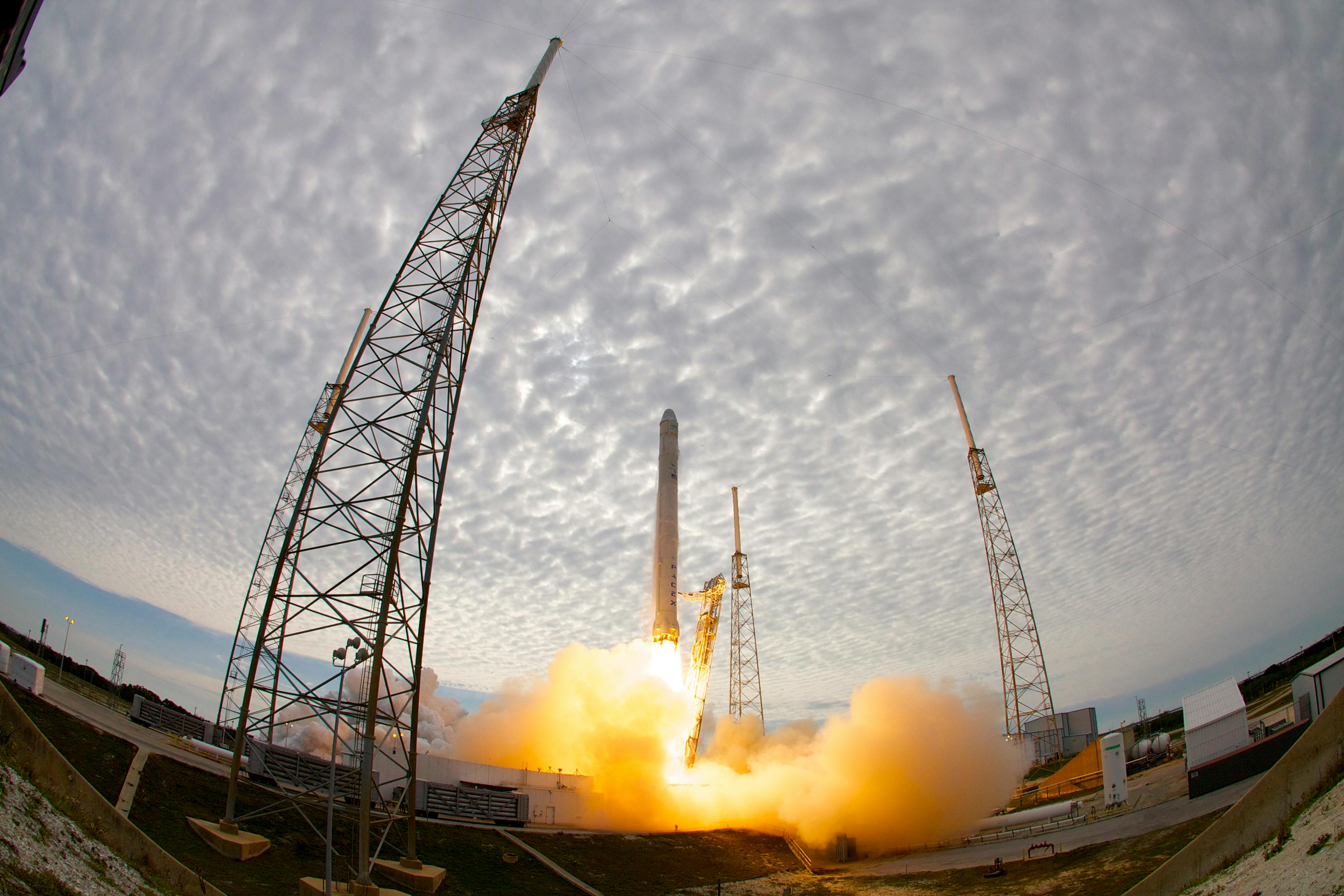
SpaceX successfully launches two lunar landers and clears another milestone with Transporter-12 rideshare mission.


Launch Date
August 24, 2018
Launch Site
XICLF
Launch Pad
LC3
Launch Vehicle
Chang Zheng 3B/YZ-1
NORAD ID
43602
International Designator
2018-067A
Epoch
Fri, 03 Jul 2026 13:18:40 GMT
Apogee
Calculating...
Perigee
Calculating...
Inclination
54.18°
Right Ascension
180.49°
Eccentricity
Calculating...
Argument of Perigee
29.96°
Period
773.25 min
Mean Motion
1.86 rev/day
Latitude
Calculating...
Longitude
Calculating...
Altitude
Calculating...
Velocity
Calculating...
Name
BEIDOU-3 M12
Alternative Name
Beidou DW 36
Type
Status
Owner
CNSA
Country
China
Constellation
N/A
Related Satellites
Major Events
N/A
1 43602U 18067A 26184.55464045 .00000084 00000-0 00000-0 0 9993
2 43602 54.1814 180.4851 0007898 29.9602 330.0828 1.86227845 53428
Source: Celestrak
Length
2.2
Diameter
1.7
Span
10
Dry Mass
850
Launch Mass
1014
Shape
Box + 2 Pan
Radar Cross Section
Unknown
Visual Magnitude
Unknown
Color
Unknown
Material Composition
Unknown
Payload
Beidou-3 M12
Purpose
Navigation
Mission
Navigation
Manufacturer
SECM
Life Expectancy
12 years
Bus
BD-3M2
Configuration
Unknown
Motor
Unknown
Equipment
?
Power System
2 deployable solar arrays, batteries
ADCS
Unknown
Transmitter Frequency
Unknown
Learn more about satellites and other related topics.
SpaceX successfully launches two lunar landers and clears another milestone with Transporter-12 rideshare mission.
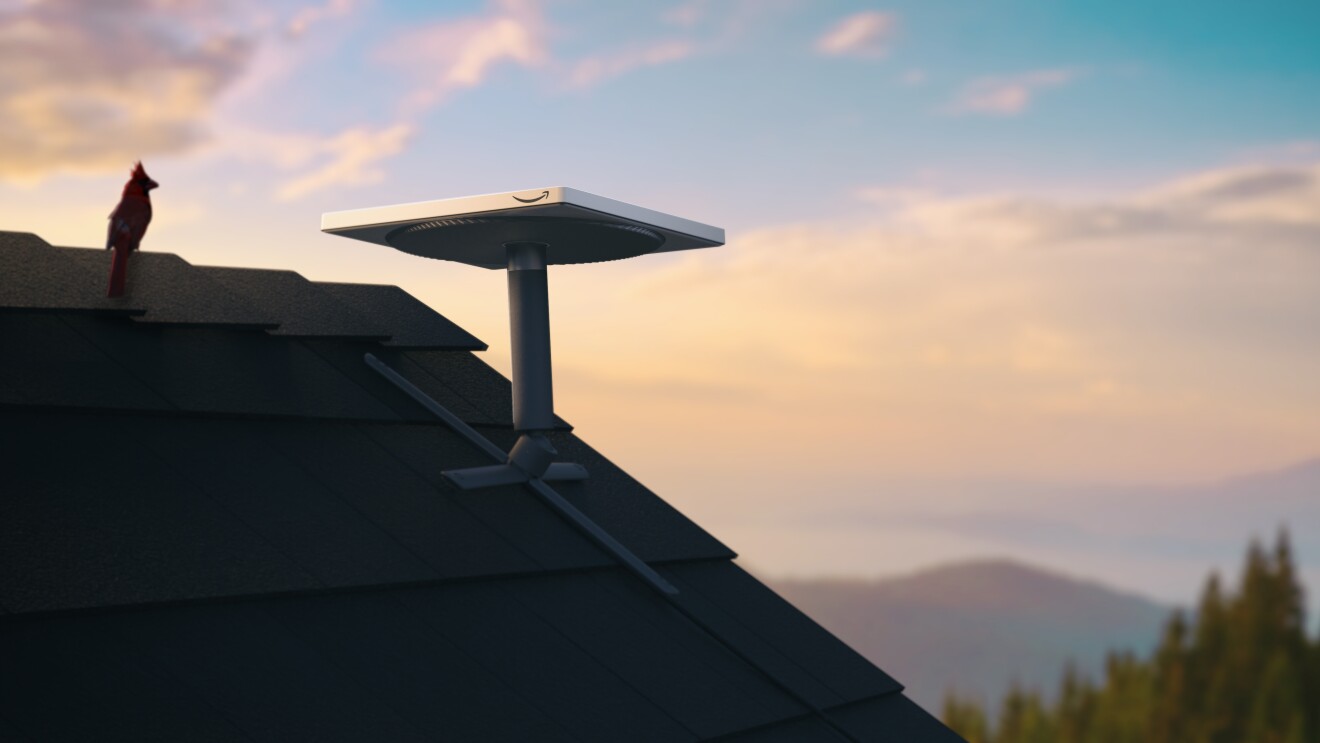
Today's brief highlights significant advancements in satellite launches, new defense contracts, and technological integrations between major firms in the space sector.
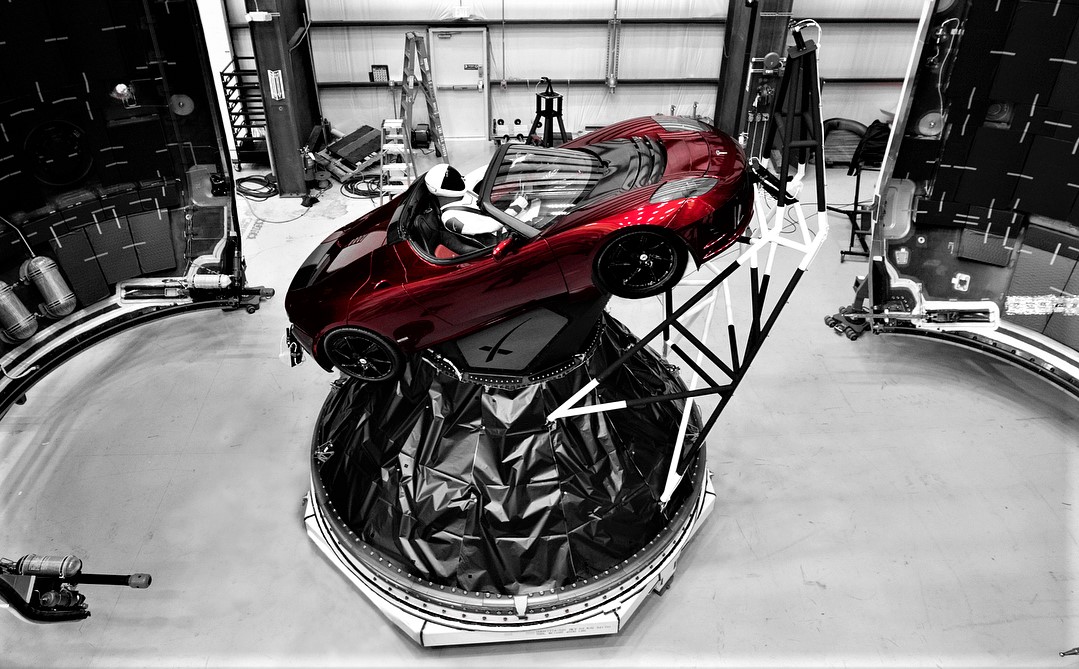
Seven years ago, SpaceX revolutionized spaceflight by launching the most powerful operational rocket in the world, carrying with it a cherry-red Tesla Roadster that captured global imagination
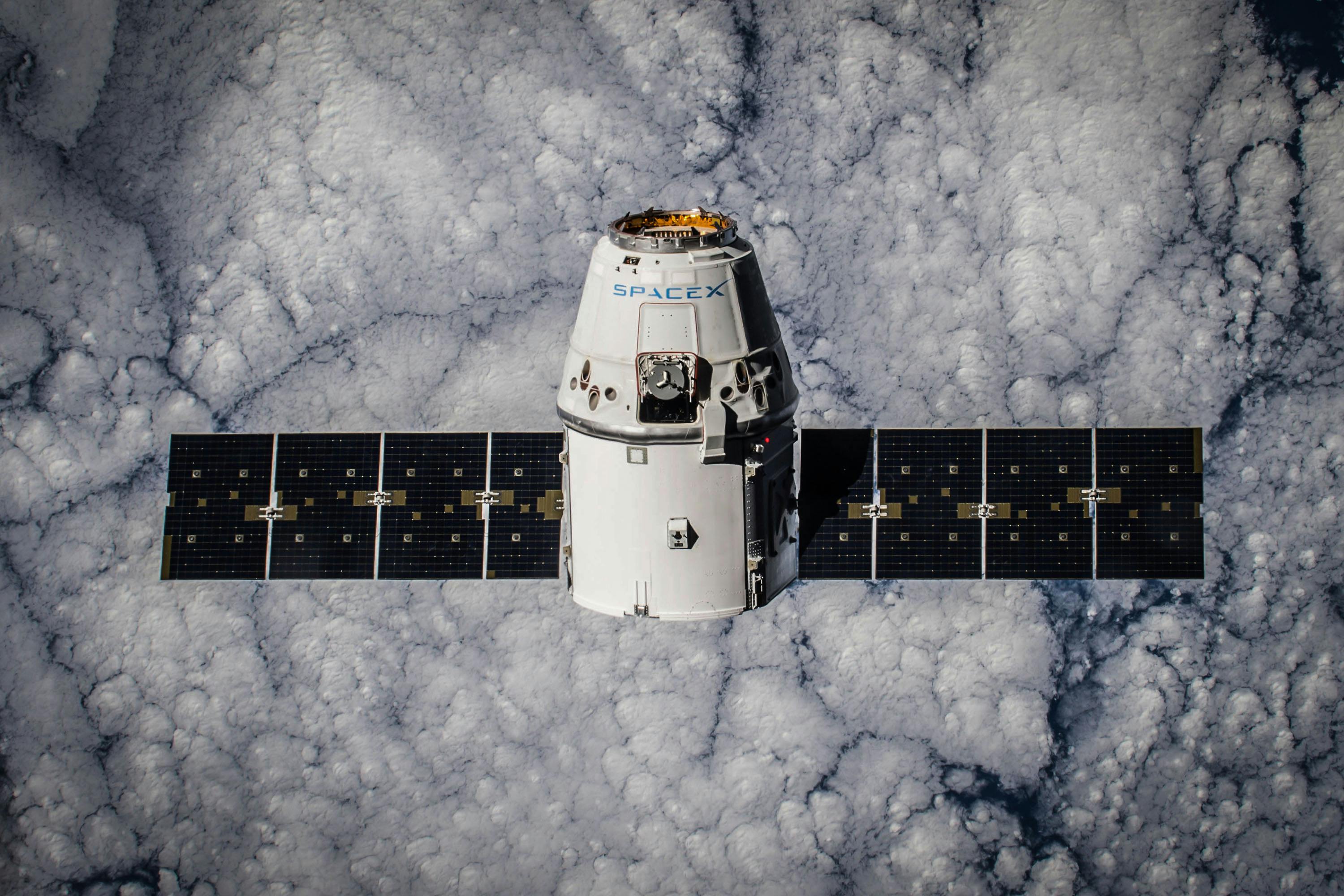
FAA approves SpaceX Starship launches from Kennedy Space Center LC-39A. FCC accepts 1-million satellite orbital data center filing. Canada ranks as 5th largest Starlink market.

Expansion of national security capabilities with new services, shifts in Pentagon priorities, challenges in zero trust compliance, and more.

Today's brief covers China's ongoing assessments following a potential debris strike on Shenzhou-20, SpaceX's record-breaking Starlink launch, Rocket Lab's delay of the Neutron rocket, and more.
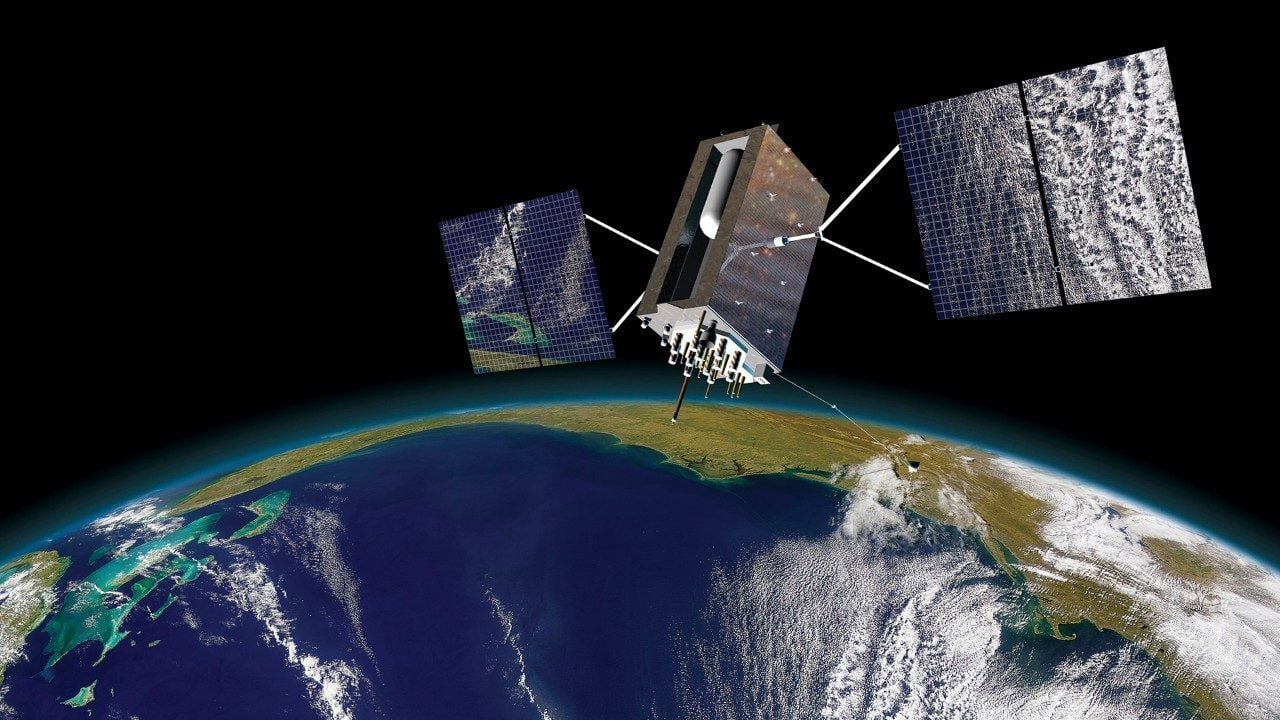
On April 17, 2026, the U.S. Space Force officially cancelled the Next Generation Operational Control System after sixteen years of development, cost overruns, and testing failures. The $8 billion program was supposed to unlock the military's encrypted GPS signal. Instead, the satellites are flying with capabilities the ground can't command.

Three Chinese rocket bodies have exploded over four years, creating debris clouds that will linger for decades to centuries, according to LeoLabs analysis. Fragmentation events threaten commercial and military operators.