


Space Brief 2 Dec 2025
Today's brief covers China's classified Shijian-28 satellite launch, AI-designed spacecraft records, and upcoming global launch activities.


NORAD ID
43574
International Designator
2018-061F
Epoch
Sat, 04 Jul 2026 01:05:58 GMT
Apogee
Calculating...
Perigee
Calculating...
Inclination
86.39°
Right Ascension
49.76°
Eccentricity
Calculating...
Argument of Perigee
89.45°
Period
100.40 min
Mean Motion
14.34 rev/day
Latitude
Calculating...
Longitude
Calculating...
Altitude
Calculating...
Velocity
Calculating...
Name
IRIDIUM 154
Alternative Name
Iridium Next SV154
Type
Status
Owner
IRIDS
Country
United States
Constellation
N/A
Related Satellites
Major Events
N/A
1 43574U 18061F 26185.04581453 .00000038 00000-0 64282-5 0 9999
2 43574 86.3949 49.7566 0002259 89.4454 270.7001 14.34218052415820
Source: Celestrak
Length
3.1
Diameter
1.5
Span
9.4
Dry Mass
700
Launch Mass
860
Shape
Half Hex Prism+2 pan
Radar Cross Section
Unknown
Visual Magnitude
Unknown
Color
Unknown
Material Composition
Unknown
Payload
Iridium Next SV154
Purpose
Communication, traffic monitoring
Mission
Communication, traffic monitoring
Manufacturer
NGISGA
Life Expectancy
10 years (design), 15 years (planned)
Bus
EliteBus
Configuration
ELiTeBus-1000
Motor
?
Equipment
L-band payload, Ka-band cross-links, Ka-band downlinks, ADS-B payload, AIS-receiver (on 58 satellites)
Power System
2 deployable solar arrays, batteries
ADCS
Unknown
Transmitter Frequency
Unknown
Learn more about satellites and other related topics.
Today's brief covers China's classified Shijian-28 satellite launch, AI-designed spacecraft records, and upcoming global launch activities.
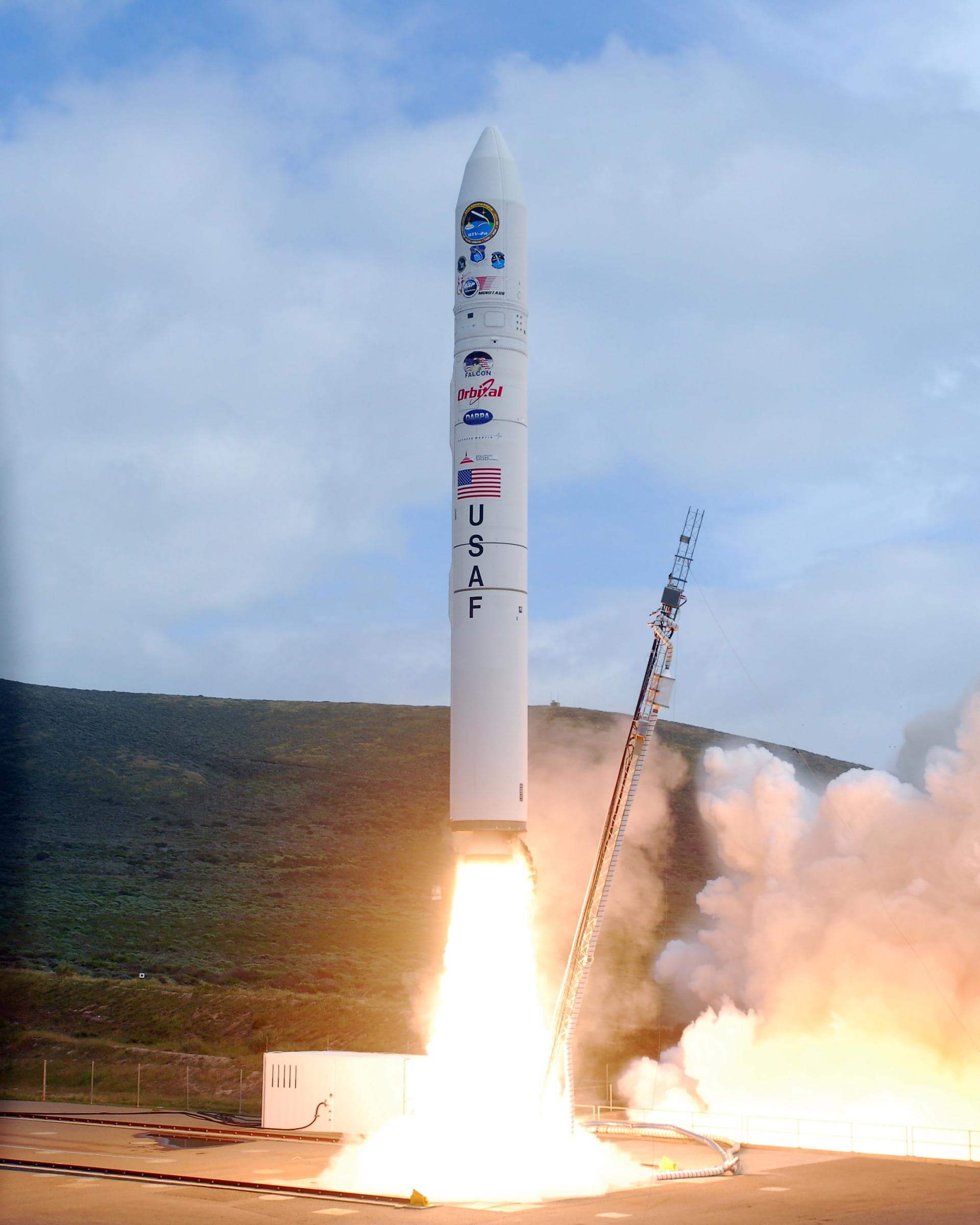
Today's brief covers crucial developments in satellite technology and operations, including new Starlink launches, groundbreaking satellite data on flood waves, and pivotal changes in South African telecom policy driven by Starlink.
Today's brief covers potential roles for commercial satellites in missile defense, SpaceX's new launch site plans at Vandenberg, and partnerships for space nuclear propulsion. Discover updates on military space projects and international defense agreements.
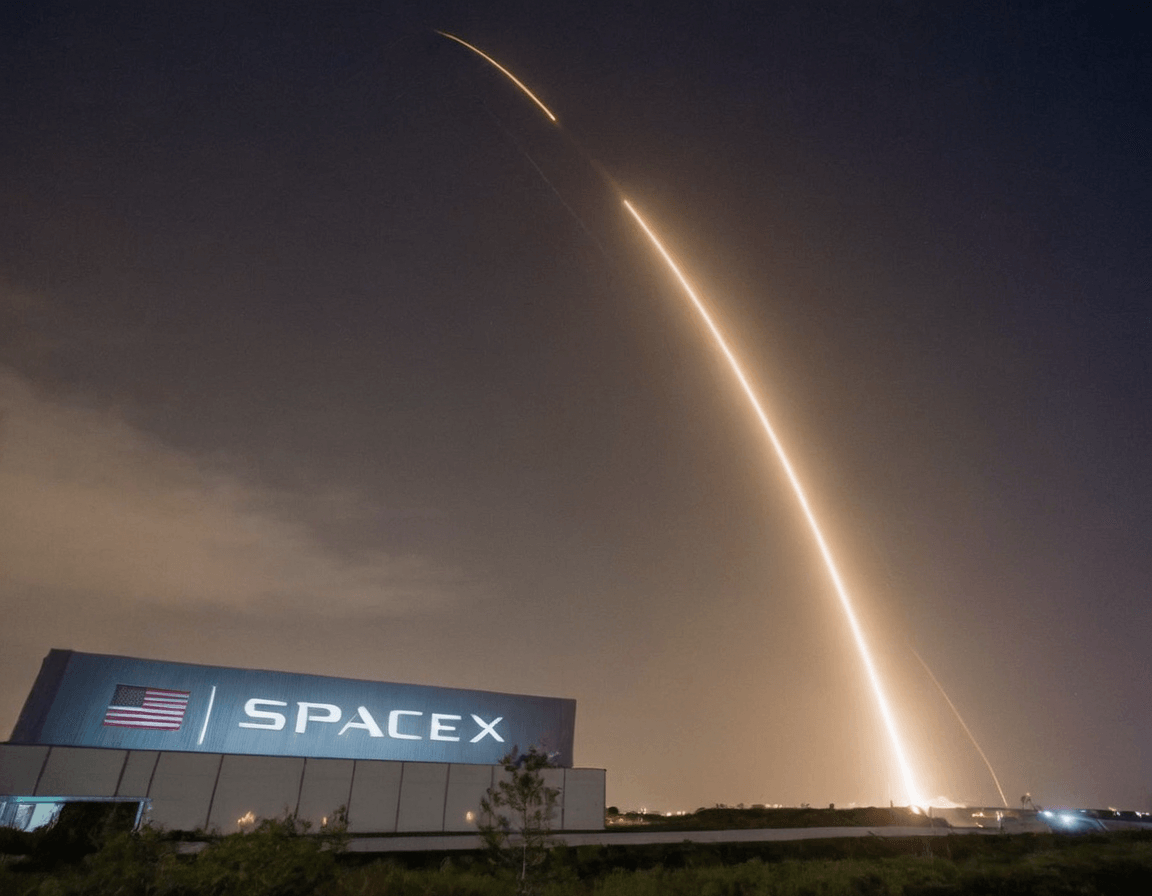
SpaceX successfully returns to flight with a Starlink mission, detailing the cause of the July 11 anomaly and implementing fixes to prevent future incidents.

Today's brief highlights the impact of military spending and technology competition on the space economy, new satellite connectivity partnerships, and defense spending pledges in Europe.
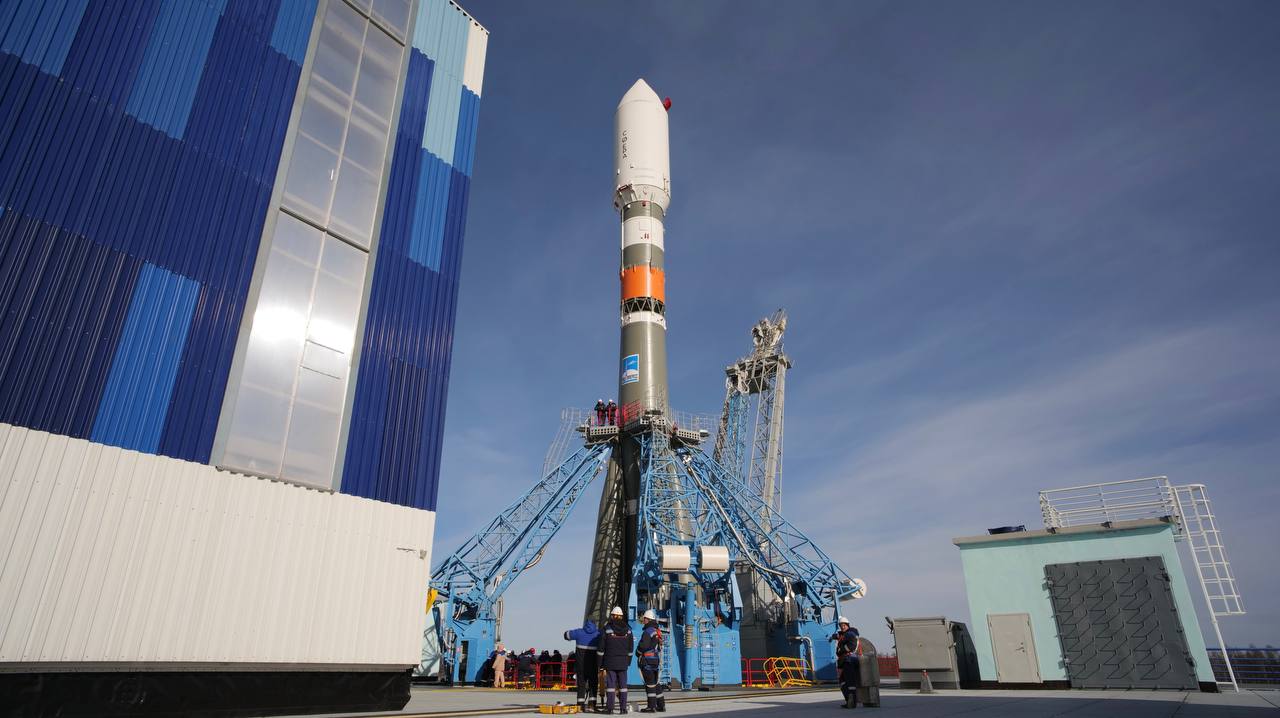
Today's Space Brief focuses on multi-billion dollar contracts for missile-tracking satellites, developments in optical nuclear clock research, and innovative drone projects for military collaboration.

ULA Vulcan faces scrutiny after solid booster anomaly on USSF-87 mission. ThinKom wins portable satellite ground station contract. Space Force starts Project Hecate for GPS past 2040.
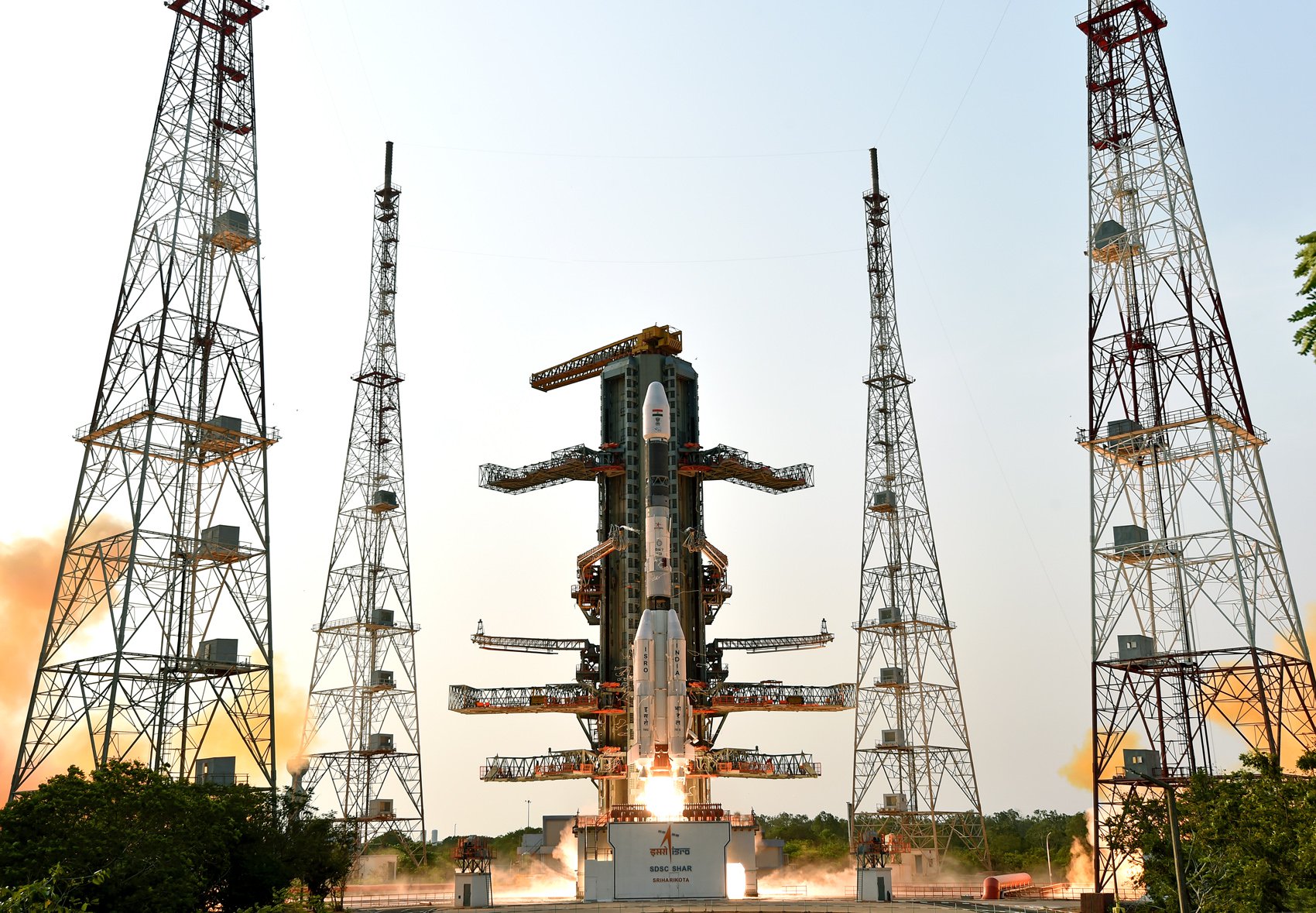
Today's highlights include China's remote-sensing satellite launch, U.S. Space Force's investment in missile-tracking satellites, and NASA's MAVEN milestone on Mars.