IRIDIUM 158 (43571)

COSPAR: 2018-061C | Alt Name: Iridium Next SV158

Image
IRIDIUM 158 Satellite Image
Additional Sources
Launch Details

Launch Date

July 25, 2018

Launch Site

AFWTR

Launch Pad

SLC4E

Launch Vehicle

Falcon 9

Orbital Elements

NORAD ID

43571

International Designator

2018-061C

Epoch

Sat, 04 Jul 2026 00:11:10 GMT

Apogee

Calculating...

Perigee

Calculating...

Inclination

86.39°

Right Ascension

49.72°

Eccentricity

Calculating...

Argument of Perigee

84.65°

Period

100.40 min

Mean Motion

14.34 rev/day

Latitude

Calculating...

Longitude

Calculating...

Altitude

Calculating...

Velocity

Calculating...

Polar Plot
3D Visualization
Basic Satellite Info

Name

IRIDIUM 158

Alternative Name

Iridium Next SV158

Type

Payload

Status

Operational

Owner

IRIDS

Country

United States

Constellation

N/A

Related Satellites

Major Events

N/A

Latest TLEs
1 43571U 18061C   26185.00775962  .00000045  00000-0  90690-5 0  9992
2 43571  86.3944  49.7229 0002077  84.6486 275.4946 14.34217861415779

Source: Celestrak

Summary
IRIDIUM 158 (also known as Iridium Next SV158) is a communication and traffic monitoring satellite operated by IRIDS. It was launched on July 25, 2018, from AFWTR SLC4E using a Falcon 9 launch vehicle. The satellite measures 3.1 meters in length with a diameter of 1.5 meters and spans 9.4 meters when its solar arrays are deployed. Its dry mass is 700 kg, and it was launched with a total mass of 860 kg. Equipped with an L-band payload for communication, Ka-band cross-links, and downlinks, as well as ADS-B and AIS-receiver capabilities (shared among 58 satellites), IRIDIUM 158 is designed to operate for up to 10 years, though the mission plans aim for a 15-year lifetime. The satellite uses two deployable solar arrays and batteries for power. It was manufactured by NGISGA and has a half hex prism shape with two panels.
Physical Characteristics

Length

3.1

Diameter

1.5

Span

9.4

Dry Mass

700

Launch Mass

860

Shape

Half Hex Prism+2 pan

Radar Cross Section

Unknown

Visual Magnitude

Unknown

Color

Unknown

Material Composition

Unknown

Technical Details

Payload

Iridium Next SV158

Purpose

Communication, traffic monitoring

Mission

Communication, traffic monitoring

Manufacturer

NGISGA

Life Expectancy

10 years (design), 15 years (planned)

Bus

EliteBus

Configuration

ELiTeBus-1000

Motor

?

Equipment

L-band payload, Ka-band cross-links, Ka-band downlinks, ADS-B payload, AIS-receiver (on 58 satellites)

Power System

2 deployable solar arrays, batteries

ADCS

Unknown

Transmitter Frequency

Unknown

Map
This tool will help you track the satellite's position and predict its upcoming passes over your location. Simply input the coordinates or click the geolocation button to get started.
Next Pass
Azimuth Elevation Time (Local)
Start Azimuth
Max Elevation
Stop Azimuth
Time Until
Pass Duration

Satellite Articles

View All Posts »

Learn more about satellites and other related topics.

Earthquake Sensors Repurposed to Track Space Debris Reentry | KeepTrack Space Brief

Earthquake Sensors Repurposed to Track Space Debris Reentry | KeepTrack Space Brief

Scientists use earthquake sensors to track space debris reentry via sonic boom detection. SpaceX launches 25 Starlink satellites in seventh mission of 2026. NASA and DOE partner for lunar nuclear power.
SpaceX Stacks Super Heavy for Starship's 12th Test Flight | KeepTrack X Report

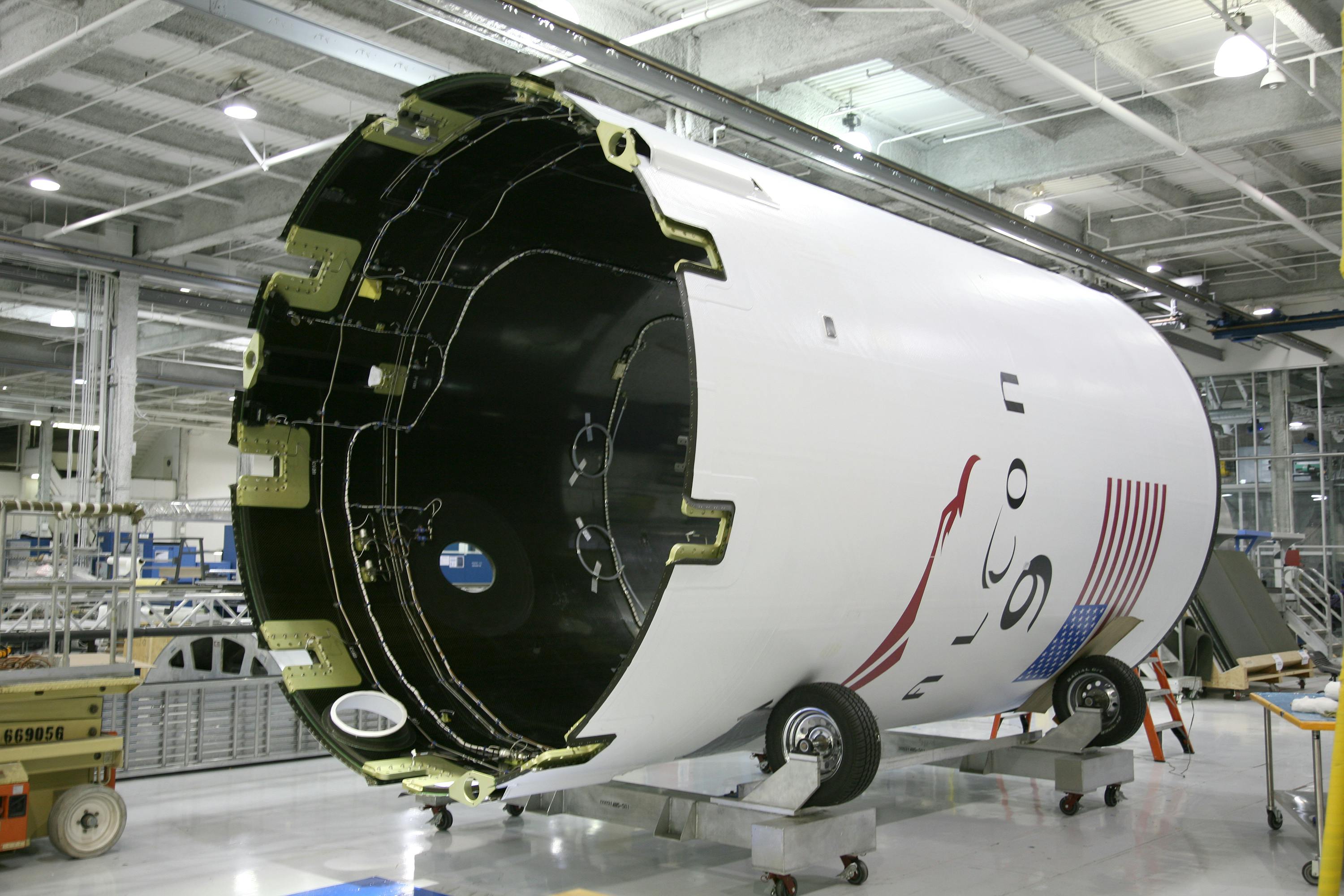
SpaceX Stacks Super Heavy for Starship's 12th Test Flight | KeepTrack X Report

SpaceX stacks Super Heavy booster in preparation for Starship's 12th test flight. Three launches planned this week including ISRO rideshare mission. Musk shares AI and robotics predictions on podcast.

Space Brief 1 Mar 2025

Space Brief 1 Mar 2025

Today's Space Brief covers reentries, the impact of NOAA dismissals on space weather tracking, a strategic academic partnership probing cosmic mysteries, and a newly unveiled space motto.

SpaceX Resumes Falcon 9 Launches After Investigating Upper Stage Anomaly

SpaceX Resumes Falcon 9 Launches After Investigating Upper Stage Anomaly

SpaceX successfully returns to flight with a Starlink mission, detailing the cause of the July 11 anomaly and implementing fixes to prevent future incidents.

Space Brief 7 Oct 2025

Space Brief 7 Oct 2025

Explore the latest in satellite communications with Cubic's new terminals, strategic acquisitions by Firefly, China's IoT satellite achievements, and key military updates.

Today in Space History 2025

Today in Space History 2025

From Apollo's darkest days to humanity's first transmission from Venus, we spent 2025 remembering the missions that made modern spaceflight possible. Here's what we covered - and why we're committed to keeping this series going.

The Day Destiny Changed the Space Station Forever

The Day Destiny Changed the Space Station Forever

Twenty-four years ago, two spacewalking astronauts battled an ammonia leak while installing the U.S. Laboratory module Destiny, transforming the International Space Station from a construction site to a world-class research facility

Space Brief 25 Jun 2025

Space Brief 25 Jun 2025

Today's highlights include the launch of a U.S. military satellite via SpaceX, a new French defense agreement for satellite services, and the Missile Defense Agency's successful ICBM target tracking with long-range radar.