


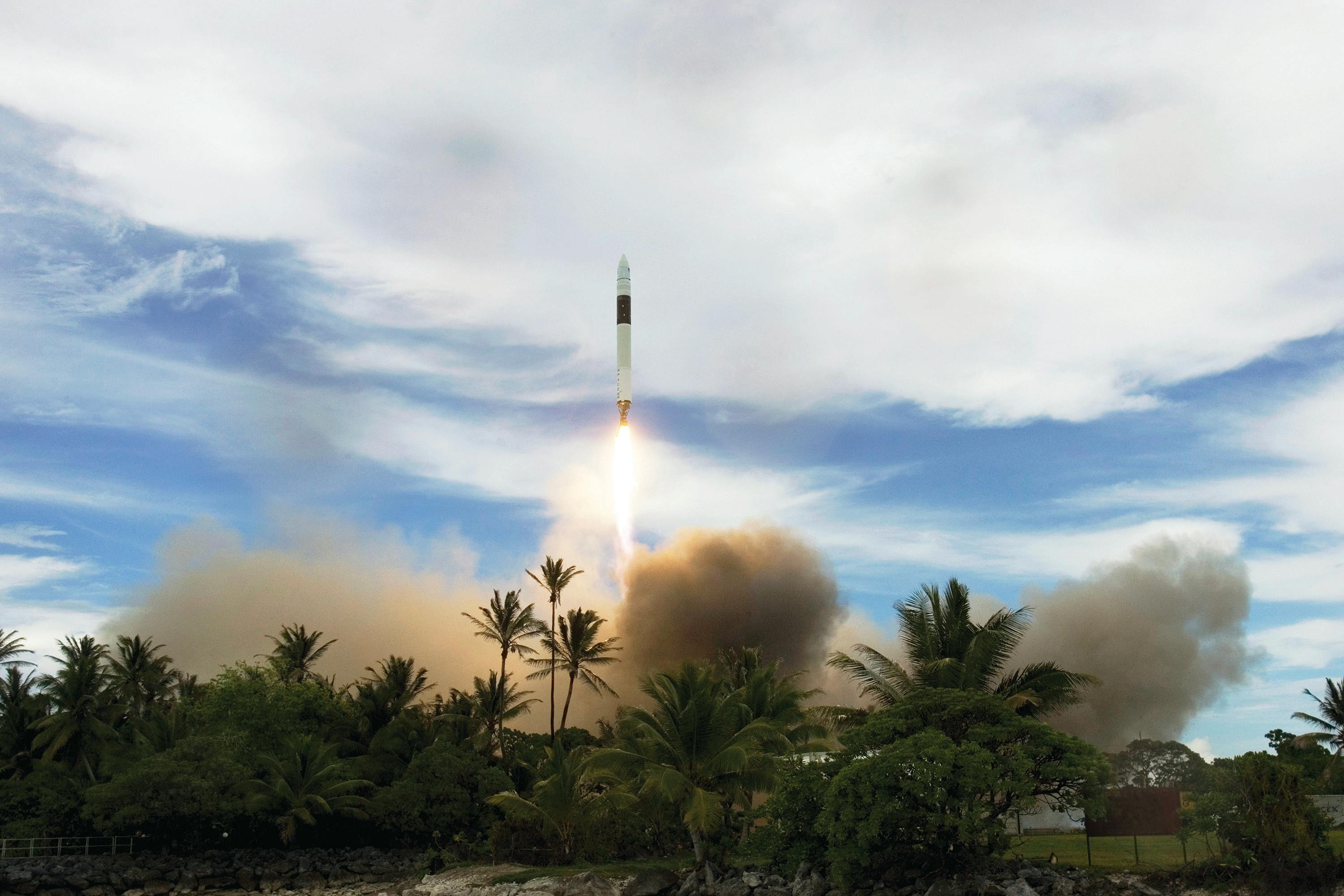
Crew-11 Emergency Evacuation Raises Space Rescue Alarm | KeepTrack X Report
SpaceX Crew-11 made an emergency return from the ISS on Jan. 15 after a medical crisis, spotlighting gaps in space rescue infrastructure.


Launch Date
July 22, 2018
Launch Site
Launch Pad
LC40
Launch Vehicle
NORAD ID
43563
International Designator
2018-059B
Epoch
Fri, 03 Jul 2026 23:20:05 GMT
Apogee
Calculating...
Perigee
Calculating...
Inclination
26.98°
Right Ascension
41.09°
Eccentricity
Calculating...
Argument of Perigee
109.95°
Period
195.15 min
Mean Motion
7.38 rev/day
Latitude
Calculating...
Longitude
Calculating...
Altitude
Calculating...
Velocity
Calculating...
Name
FALCON 9 R/B
Alternative Name
Falcon 9-059 Stage 2
Type
Status
Owner
SPX
Country
United States
Constellation
N/A
Related Satellites
Major Events
N/A
1 43563U 18059B 26184.97228657 .00101255 00000-0 11708-2 0 9994
2 43563 26.9788 41.0876 4099060 109.9541 298.0368 7.37881957158708
Source: Celestrak
Length
12.6
Diameter
3.6
Span
12.6
Dry Mass
4000
Launch Mass
4000
Shape
Cyl
Radar Cross Section
Unknown
Visual Magnitude
Unknown
Color
Unknown
Material Composition
Unknown
Payload
F9-059 St2
Purpose
Unknown
Mission
Unknown
Manufacturer
SPX
Life Expectancy
Unknown
Bus
F9St2
Configuration
Unknown
Motor
Unknown
Equipment
Unknown
Power System
Unknown
ADCS
Unknown
Transmitter Frequency
Unknown
Learn more about satellites and other related topics.
SpaceX Crew-11 made an emergency return from the ISS on Jan. 15 after a medical crisis, spotlighting gaps in space rescue infrastructure.
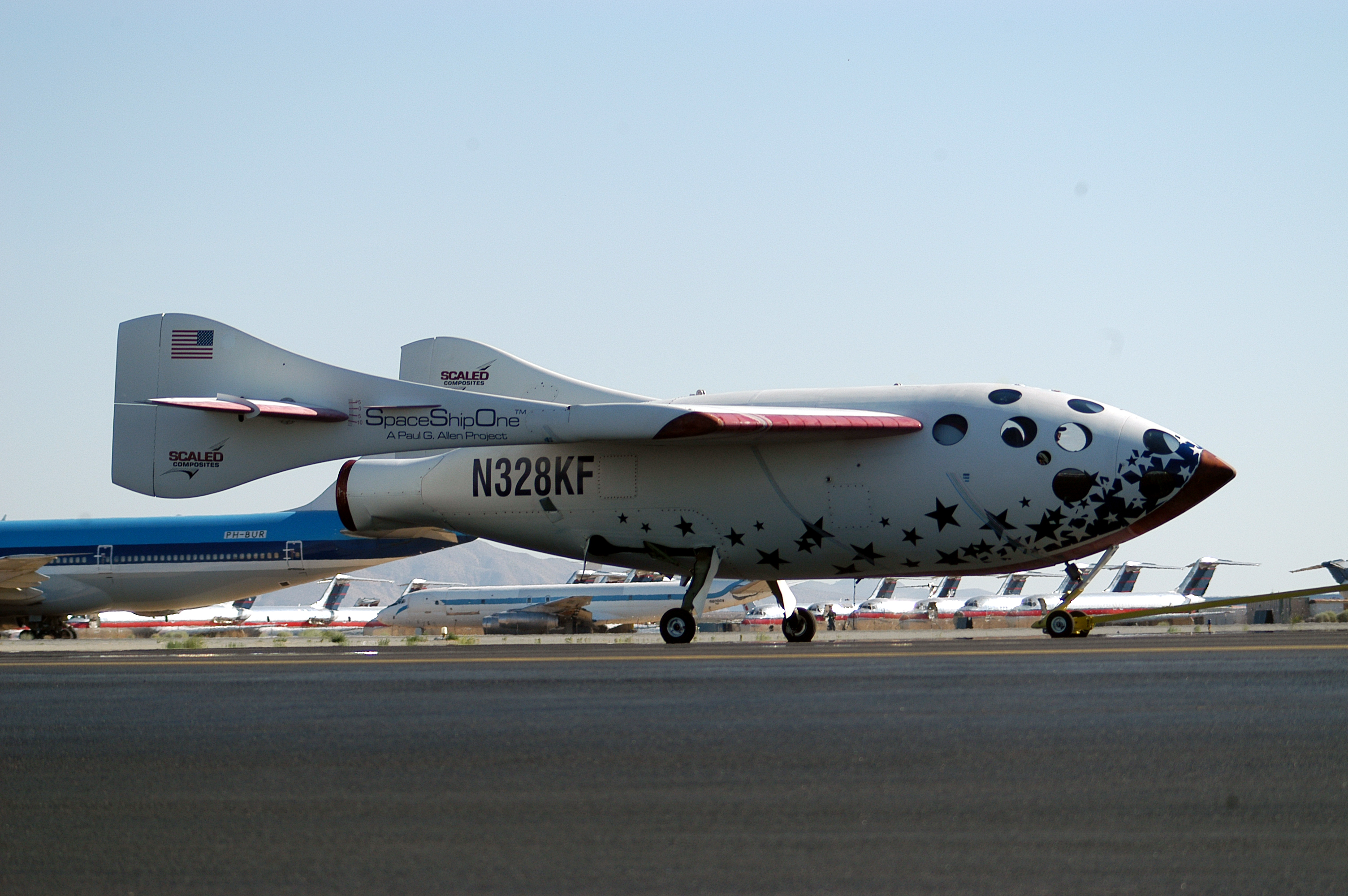
On 21 June 2004, a 63-year-old test pilot rode a homebuilt rocket plane to 100,124 meters above the Mojave Desert, clearing the edge of space by about the length of a city block. He came down the first private astronaut in history, holding a sign that read 'SpaceShipOne, GovernmentZero.'
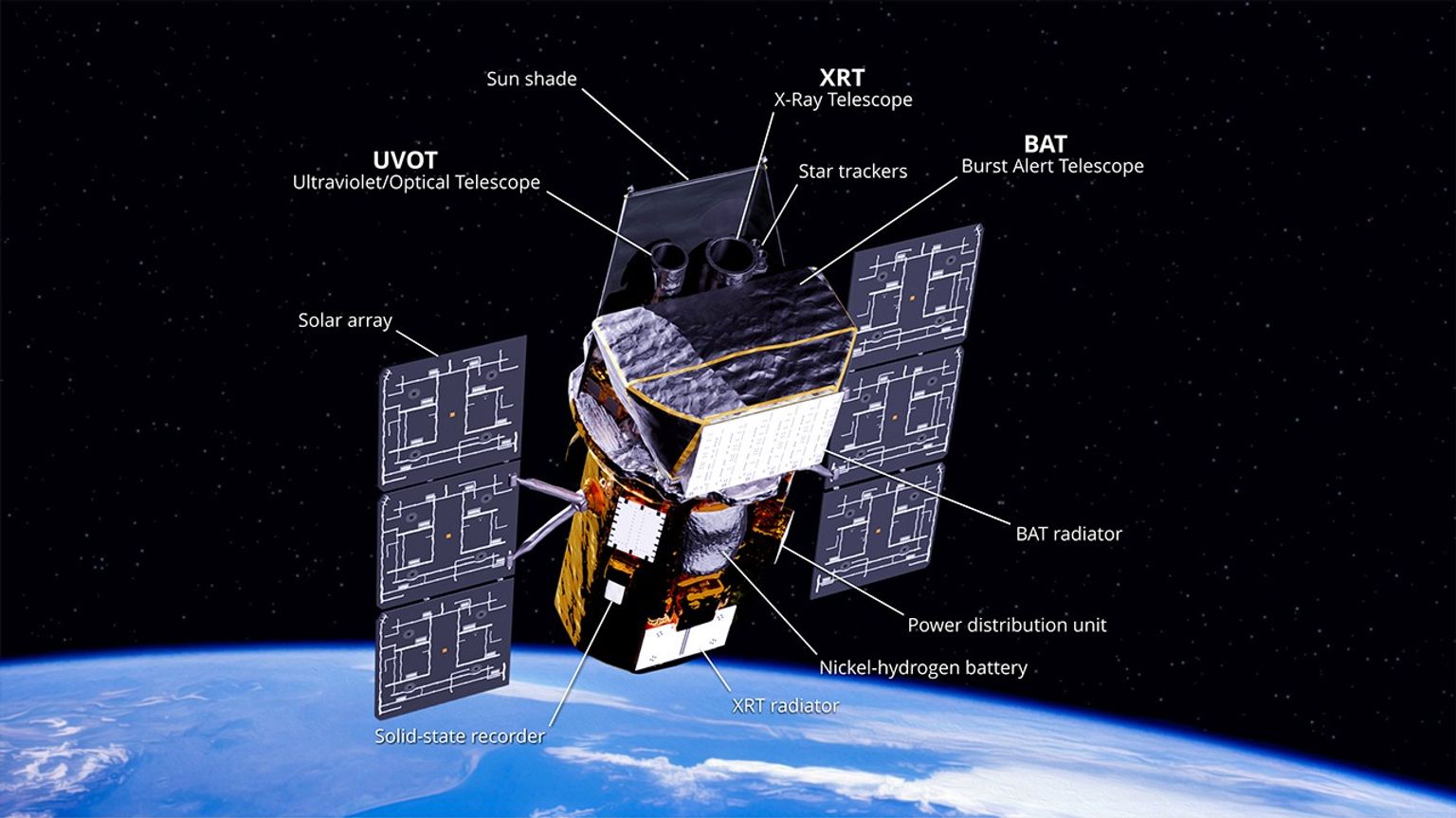
Designed for a two-year mission to catch gamma-ray bursts in the act, Swift is now 21 years old, slowly falling out of the sky, and the subject of an unprecedented private rescue mission. Nobody planned for it to be this hard to let go.

Space Force awards Pulse Space $40 million to develop laser systems for transmitting power and data between spacecraft in orbit. Game-changing on-orbit energy transfer capability.
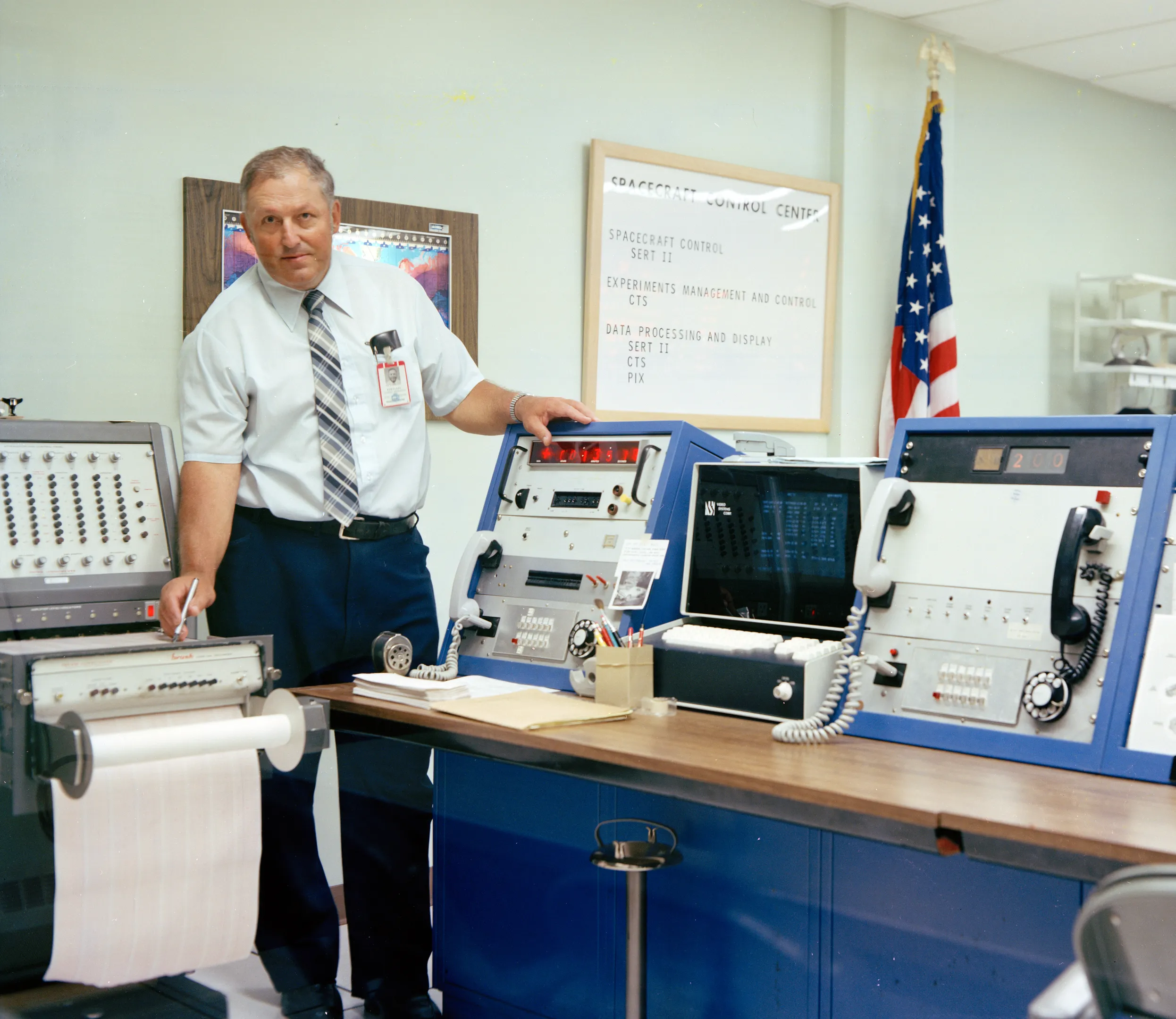
Fifty-five years ago, a revolutionary spacecraft launched from California carrying technology that would transform how we explore the solar system

Starlink constellation size in March 2026: 9,996 satellites in orbit and 9,986 working from 11,504 launched, as SpaceX deorbits legacy V1.0 hardware.

SpaceX launches diabetes research mission to ISS; EU considers SES for Starlink support; Amazon's Kuiper enters satellite race.

Twenty-two years ago, the crew of Space Shuttle Columbia awakened to John Lennon's 'Imagine' and shared a profound message about unity and peace that would become part of their enduring legacy