

Space Brief 28 Mar 2025
Today's updates focus on significant developments in U.S. national security space launches, Army space training, potential shifts in satellite procurement strategies, and the Meteor 2-21 satellite.


Launch Date
November 20, 1998
Launch Site
Launch Pad
Pad 0A
Launch Vehicle
Antares 230
NORAD ID
43548
International Designator
1998-067NW
Decay Date
12/23/2020
Name
RAINCUBE
Alternative Name
RainCube
Type
Status
Owner
JPL
Country
United States
Constellation
N/A
Related Satellites
Major Events
N/A
Length
0.3
Diameter
0.2
Span
0.5
Dry Mass
12
Launch Mass
12
Shape
Box+ 2 pan + dish
Radar Cross Section
Unknown
Visual Magnitude
Unknown
Color
Unknown
Material Composition
Unknown
Payload
RainCube
Purpose
Technology
Mission
Technology
Manufacturer
JPL/TYVAK
Life Expectancy
Unknown
Bus
Cubesat 6U
Configuration
CubeSat (6U)
Motor
None
Equipment
Ka-band radar
Power System
2 deployable fixed solar arrays, batteries
ADCS
Unknown
Transmitter Frequency
Unknown
Learn more about satellites and other related topics.
Today's updates focus on significant developments in U.S. national security space launches, Army space training, potential shifts in satellite procurement strategies, and the Meteor 2-21 satellite.

Today's brief covers increased Space Force funding, a renewed focus on nuclear power in space, a proposed US missile defense system, new defense budget revelations, and NATO's call for increased air defenses.
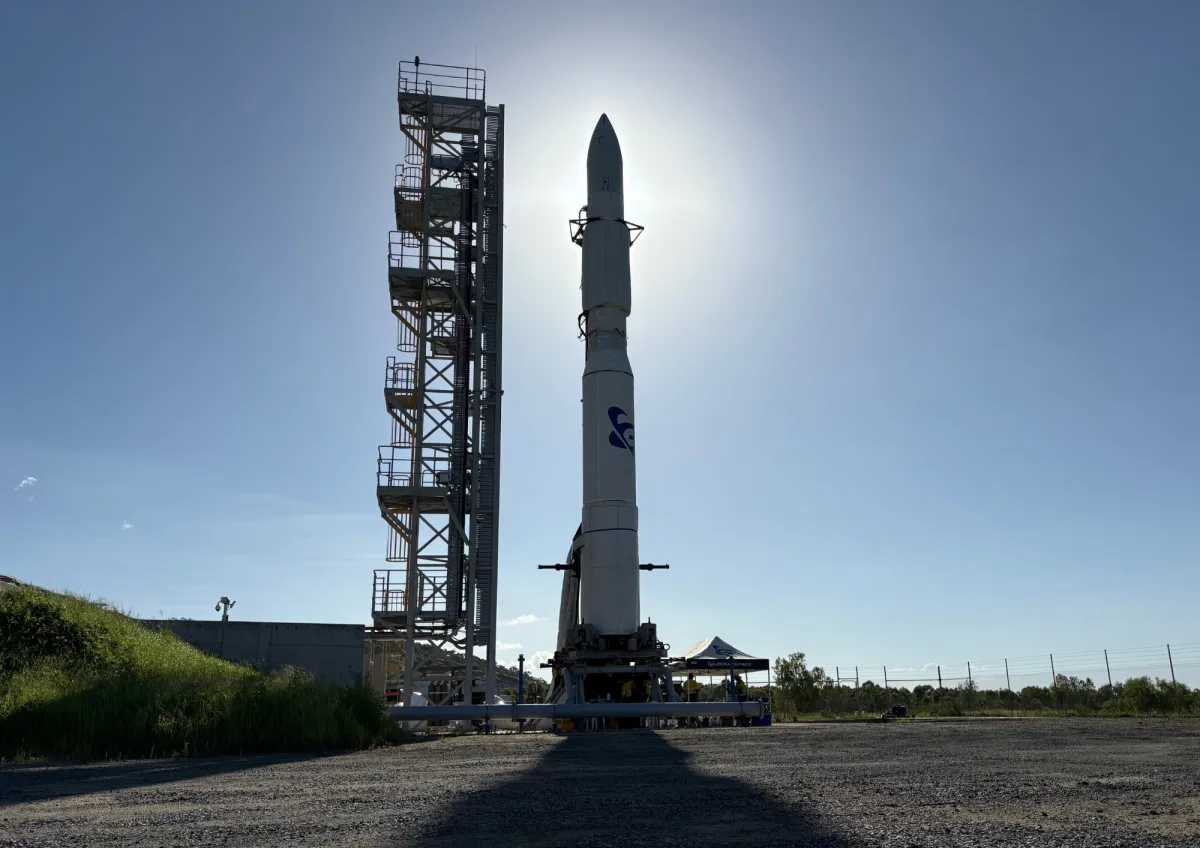
Key highlights include the launch of a Navy SEAL astronaut to the ISS, multi-billion dollar contracts awarded by the US Space Force, advancements in secure GPS technology, and a strategic ISR arrangement.
Space Force confirmed 9 companies won orbital Air Moving Target Indication contracts. Capability shifts airborne surveillance to satellites for expanded coverage and survivability.

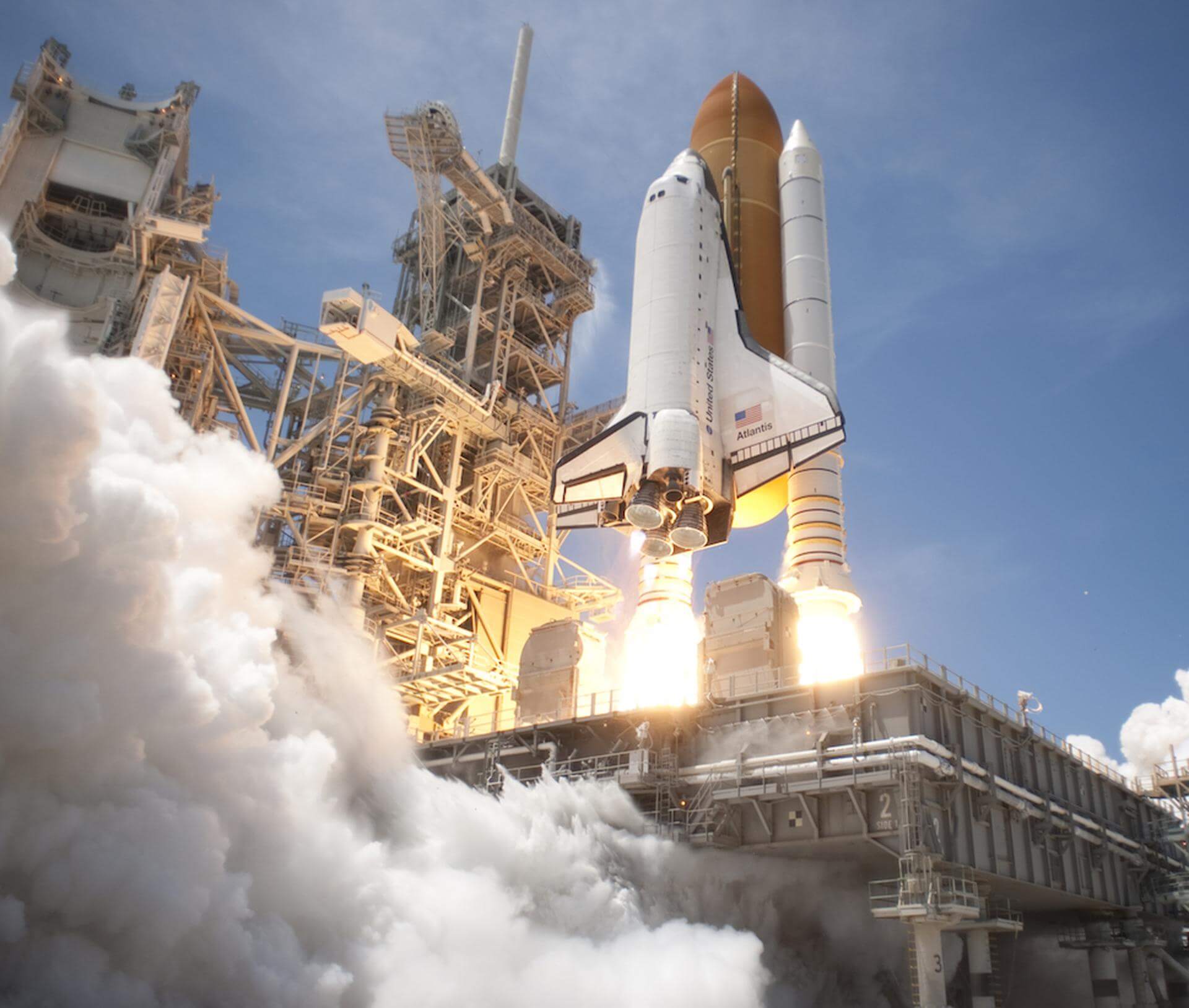
SpaceX's Fram2 mission lands in the Pacific, SpaceX secures U.S. military contracts, and Starlink expands with latest satellite launch.

NASA confirms first-ever ISS medical evacuation for January 14 via Crew Dragon. SpaceX launches 29 Starlink satellites in third mission of 2026. Artemis 2 moon mission timeline unaffected.
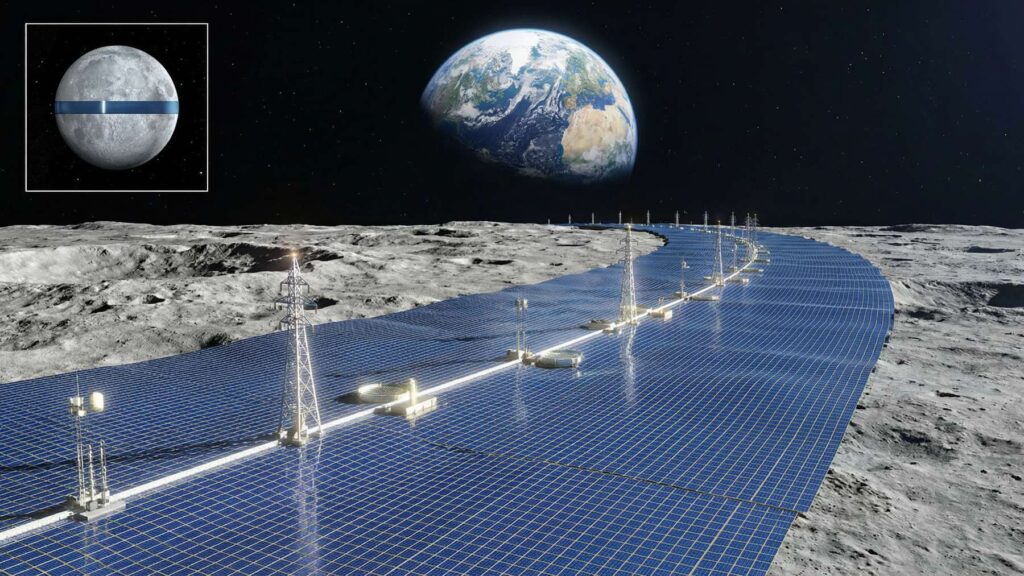
A 220-year-old Japanese construction company wants to build an 11,000-kilometer belt of solar cells around the lunar equator and beam the power back to Earth. The physics checks out. Everything else is another story.
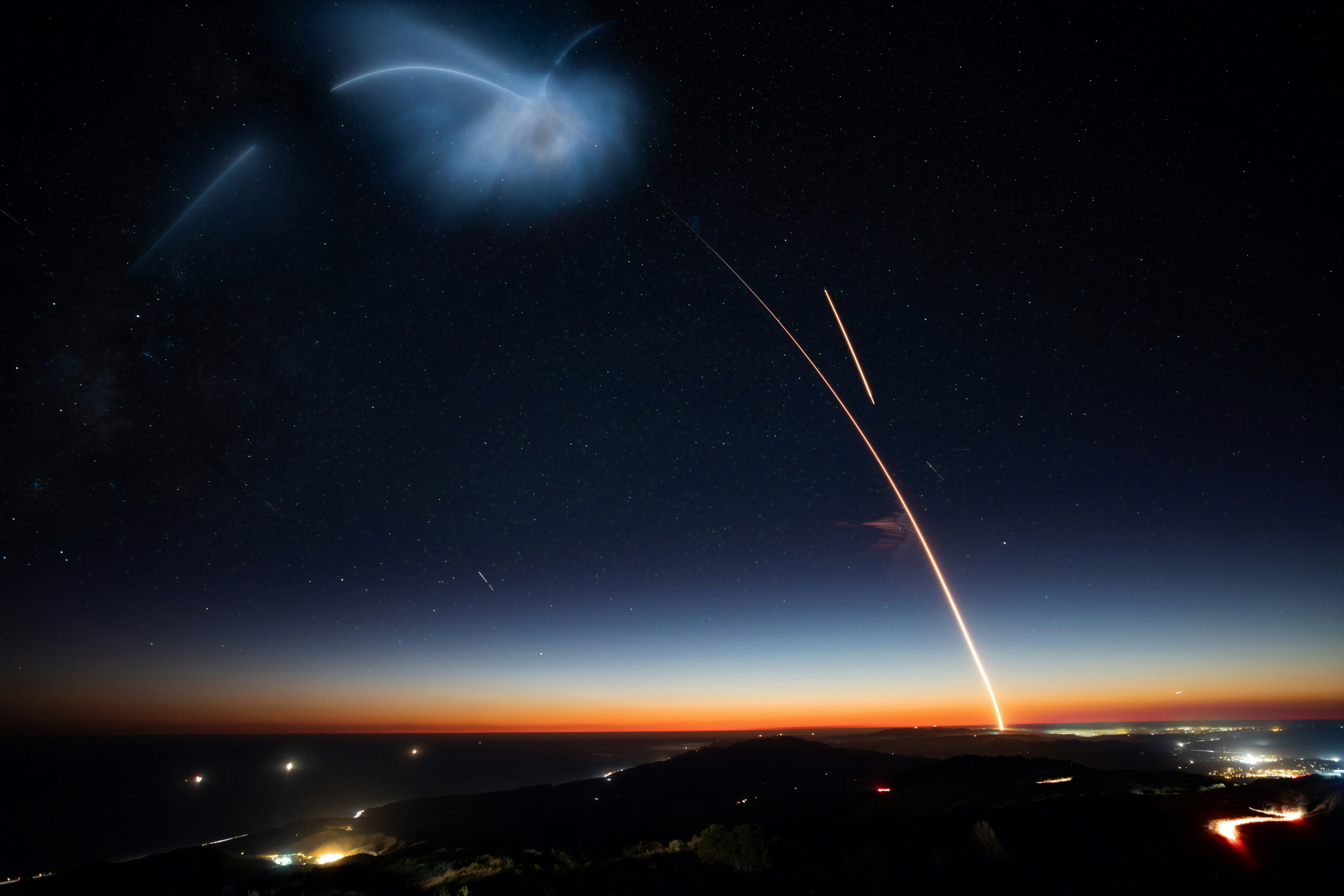
In a landmark achievement, SpaceX celebrated its 500th Falcon 9 launch by deploying 27 Starlink satellites while simultaneously advancing its reuse strategy with record-breaking milestones.