


Space Brief 31 Dec 2024
Today's Space Brief highlights the latest developments in China's megaconstellation funding, Russia's nuclear posturing in Europe, and other significant military activities.


Launch Date
November 20, 1998
Launch Site
Launch Pad
Pad 0A
Launch Vehicle
Antares 230
NORAD ID
43547
International Designator
1998-067NV
Decay Date
6/21/2021
Name
TEMPEST-D
Alternative Name
TEMPEST-D
Type
Status
Owner
CSU/JPL
Country
United States
Constellation
N/A
Related Satellites
Major Events
N/A
Length
0.3
Diameter
0.2
Span
1
Dry Mass
11.1
Launch Mass
11.1
Shape
Box + 2 pan
Radar Cross Section
Unknown
Visual Magnitude
Unknown
Color
Unknown
Material Composition
Unknown
Payload
TEMPEST-D
Purpose
Technology
Mission
Technology
Manufacturer
BLCAN
Life Expectancy
Unknown
Bus
Cubesat 6U
Configuration
CubeSat (6U)
Motor
Unknown
Equipment
CHARM
Power System
Solar cells, batteries
ADCS
Unknown
Transmitter Frequency
Unknown
Learn more about satellites and other related topics.
Today's Space Brief highlights the latest developments in China's megaconstellation funding, Russia's nuclear posturing in Europe, and other significant military activities.
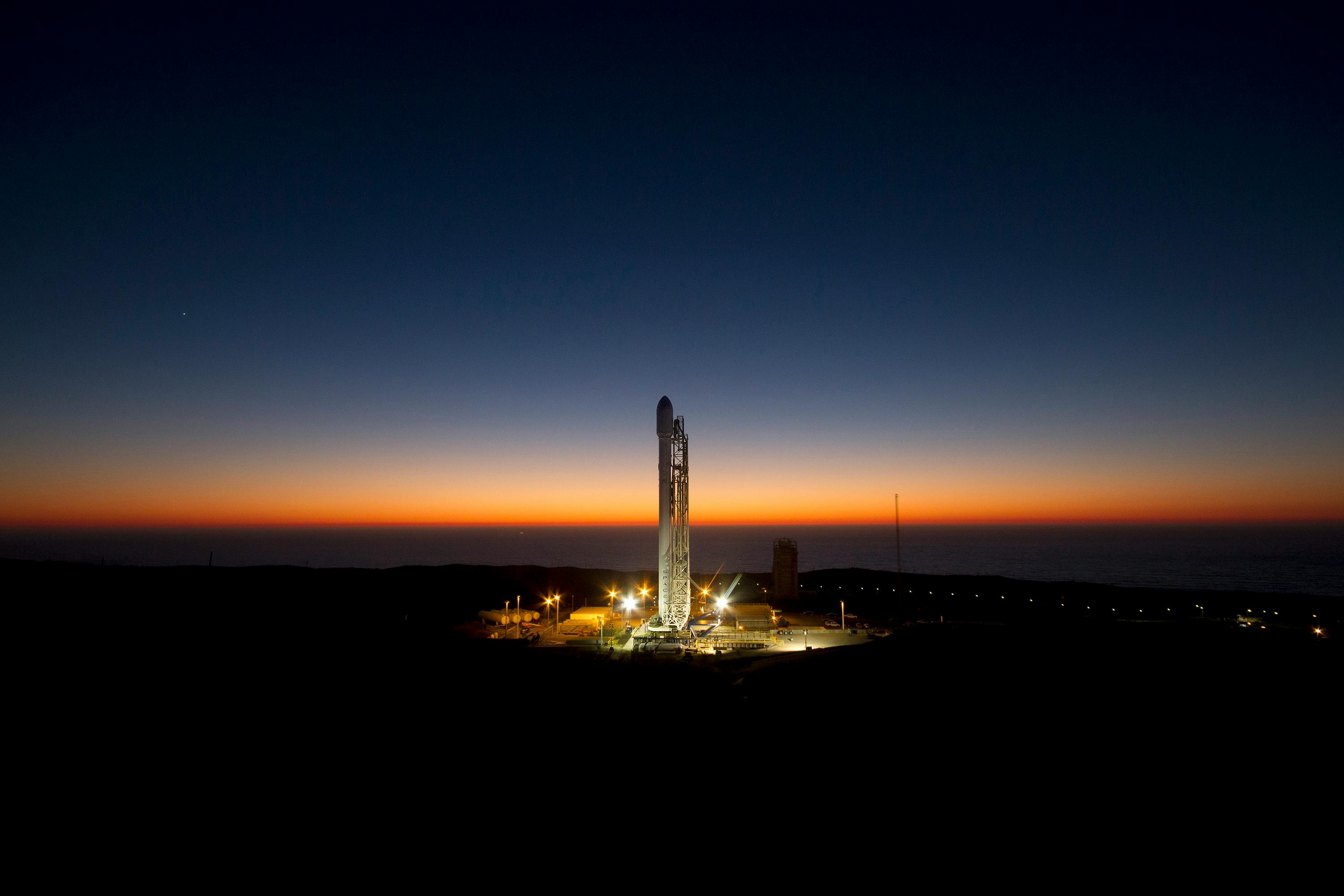
SpaceX has been active, with successful launches of Starlink satellites and major developments at Cape Canaveral, signaling a competitive edge in satellite communication and launch capabilities.

The Kessler Syndrome threatens humanity's future in space as cascading satellite collisions create exponential debris growth. With 36,000+ tracked objects and recent incidents accelerating risks, we face a critical juncture: implement solutions now or potentially lose access to low Earth orbit forever.

Explore China's ambitions to expand its Tiangong space station, NASA's next steps for the Europa Clipper mission, and ESA's efforts to support the European space industry. Discover the latest in satellite tracking and consider the fascinating findings on potential life on Mars.
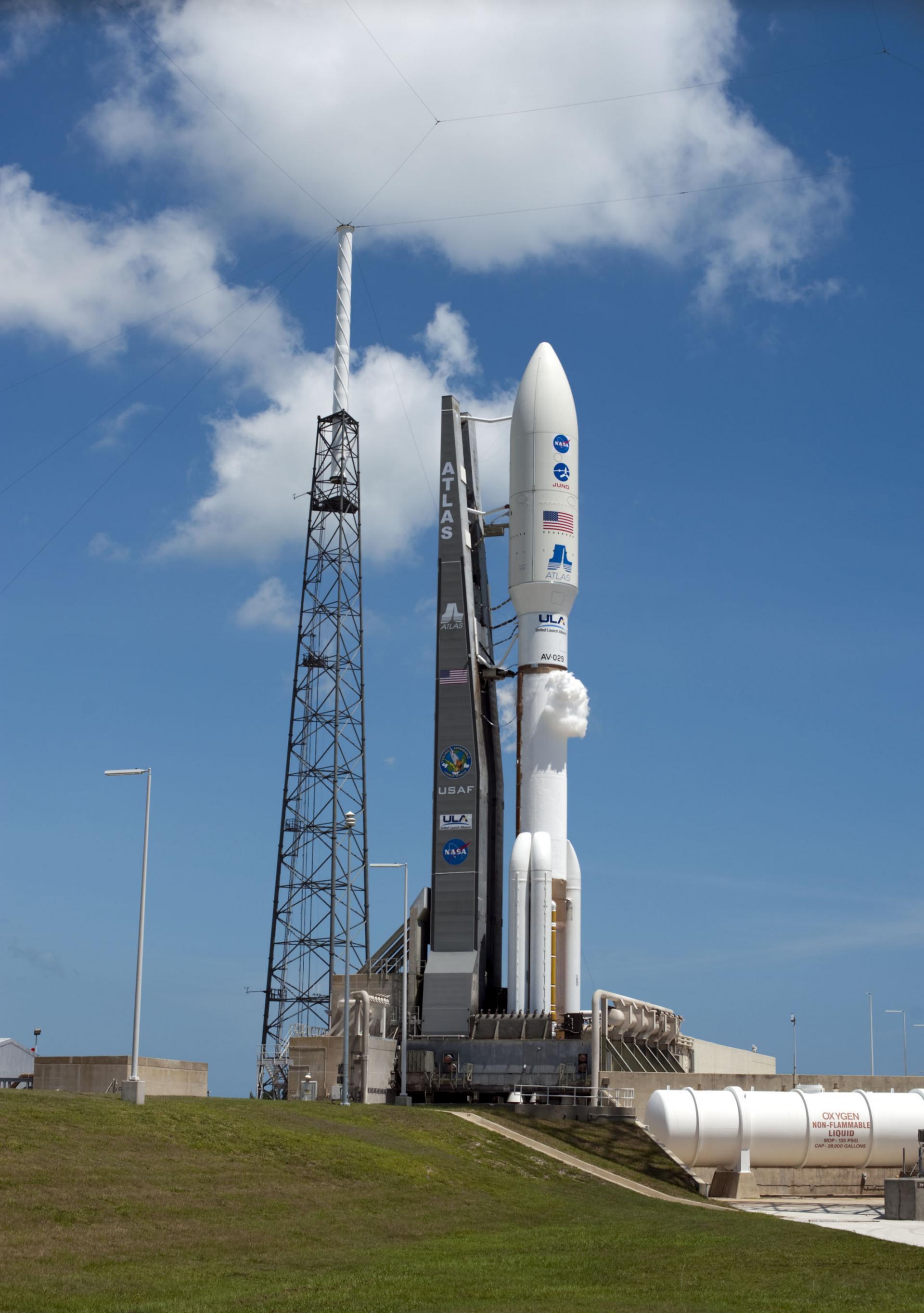
Today's brief covers a significant GPS satellite launch by SpaceX, China's classified satellite mission, and Rocket Lab's strategic steps in the defense sector.

Starlink restrictions reportedly hit Moscow's drone coordination and frontline comms. SpaceX and xAI enter Pentagon's $100M drone contest. Sentinel ICBM to clear key review this year.

Today's highlights include Space Force's new satcom design contracts, advances in AI training tools, Pentagon drone policy shifts, and the first Eris launch's failure.

SpaceX advances with Starship tests as Starlink continues global expansion. Key infrastructure updates from Cape Canaveral involve multiple industry players.