


Space Brief 4 Apr 2025
Today's highlights include the release of a mystery object by Russian military satellites, SpaceX Fram2 mission insights, Amazon's upcoming satellite launch, and more.


Launch Date
November 20, 1998
Launch Site
Launch Pad
Pad 0A
Launch Vehicle
Antares 230
NORAD ID
43546
International Designator
1998-067NU
Decay Date
11/26/2020
Name
CUBERRT
Alternative Name
CubeRRT
Type
Status
Owner
OSU
Country
United States
Constellation
N/A
Related Satellites
Major Events
N/A
Length
0.4
Diameter
0.2
Span
0.8
Dry Mass
11.4
Launch Mass
11.4
Shape
Box + pan + ant
Radar Cross Section
Unknown
Visual Magnitude
Unknown
Color
Unknown
Material Composition
Unknown
Payload
CubeRRT
Purpose
Technology
Mission
Technology
Manufacturer
BLCAN
Life Expectancy
Unknown
Bus
Cubesat 6U
Configuration
CubeSat (6U)
Motor
None
Equipment
Unknown
Power System
Deployable fixed solar array, batteries
ADCS
Unknown
Transmitter Frequency
Unknown
Learn more about satellites and other related topics.
Today's highlights include the release of a mystery object by Russian military satellites, SpaceX Fram2 mission insights, Amazon's upcoming satellite launch, and more.

Latest updates include China's Lijian-1 launching 15 satellites, a fiery Starlink reentry, SpaceX's milestone Falcon 9 booster landing, and China's support for its commercial space sector.
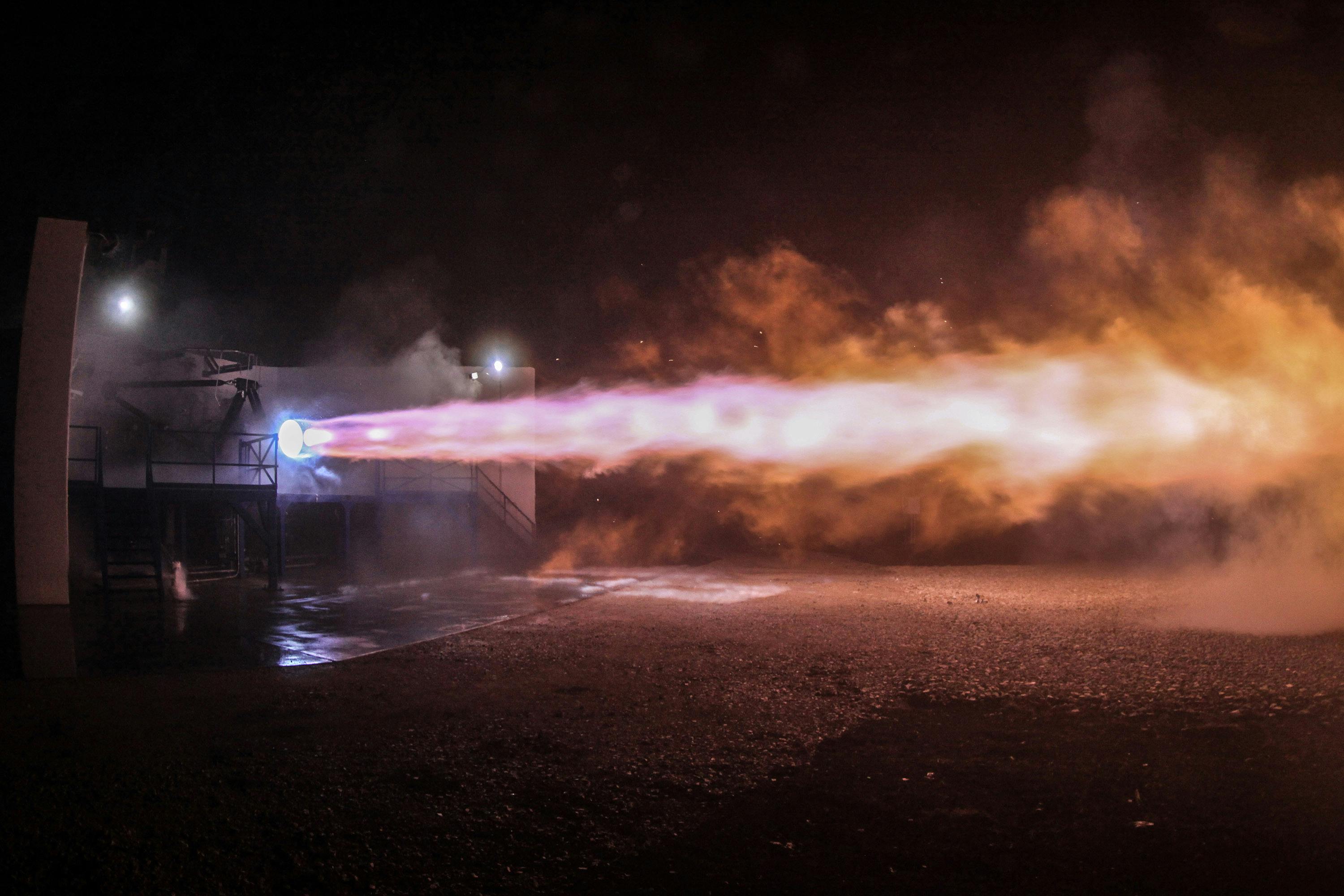
SpaceX's Crew-10 astronauts are set to return to Earth after a five-month mission, while the company prepares for the launch of 24 new Starlink satellites from Vandenberg Space Force Base.
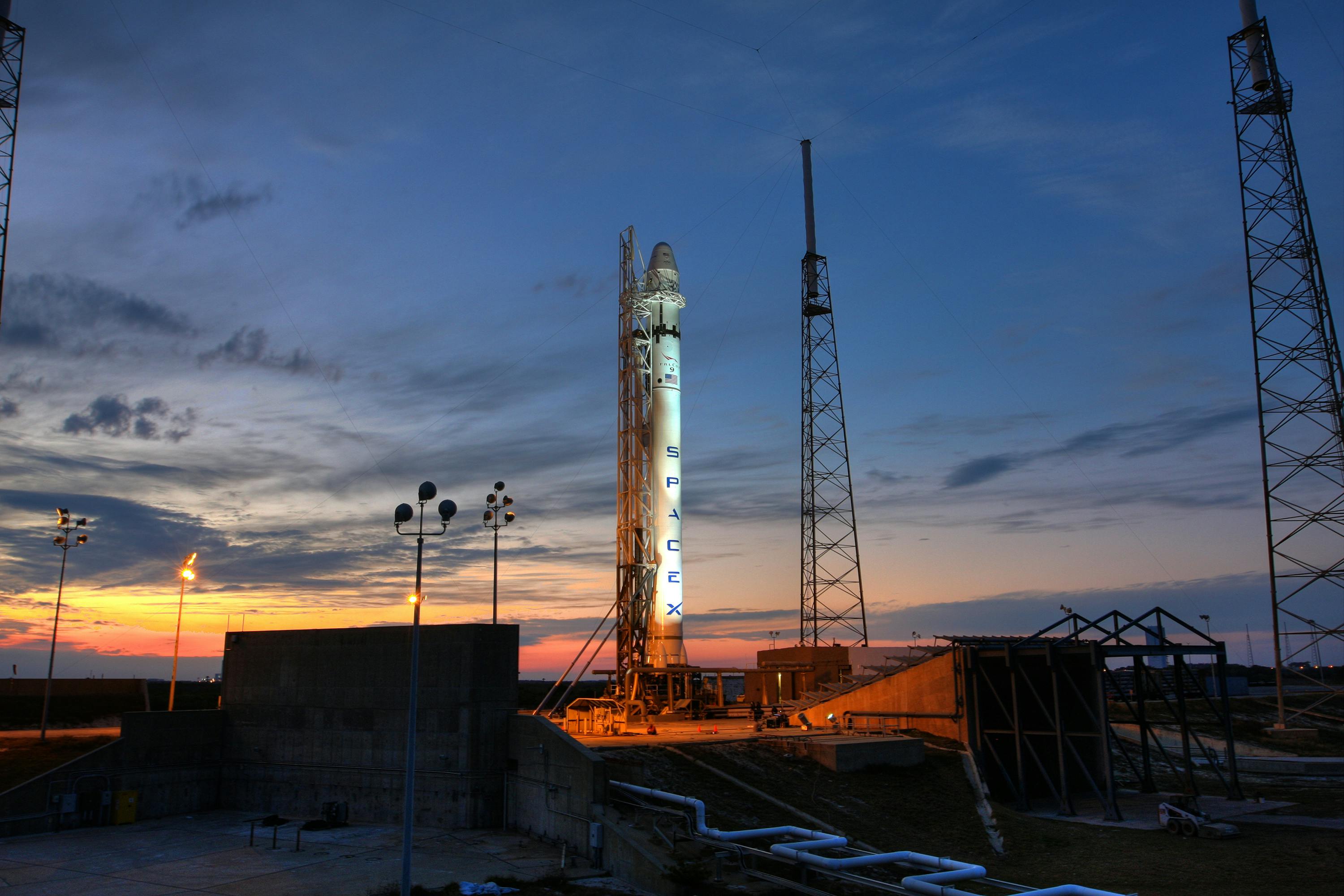
SpaceX successfully launches a new batch of Starlink satellites, while Viasat seeks LEO capacity amid rising competition.

SpaceX's Starship V3 targets Flight 12 with an unprecedented self-inspection maneuver, while Delta Air Lines walks away from Starlink inflight Wi-Fi.
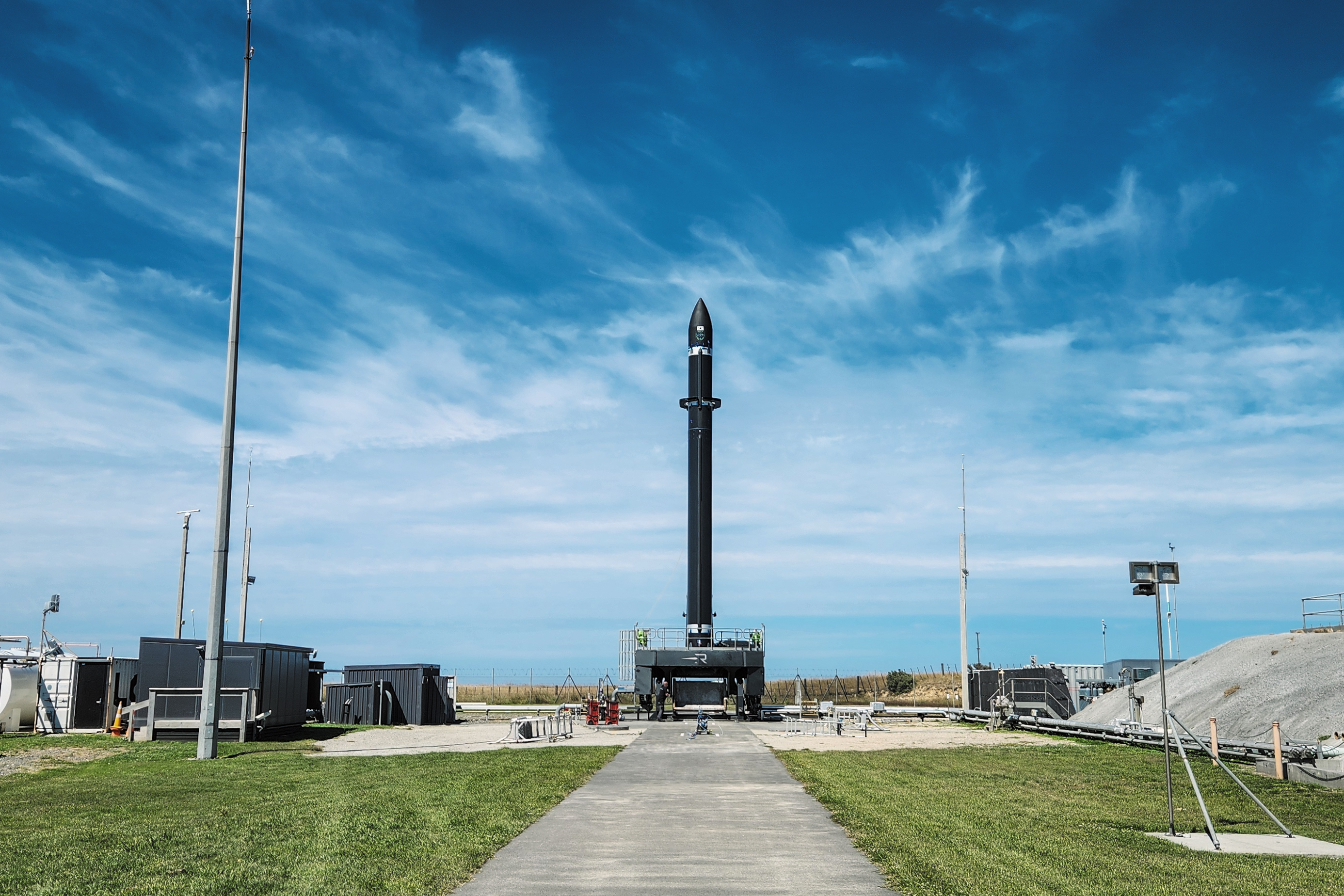
Today's highlights include Japan's new military satellite imagery initiative, NASA's SPHEREx map, and AST BlueBird 6's groundbreaking cellular array in low Earth orbit.
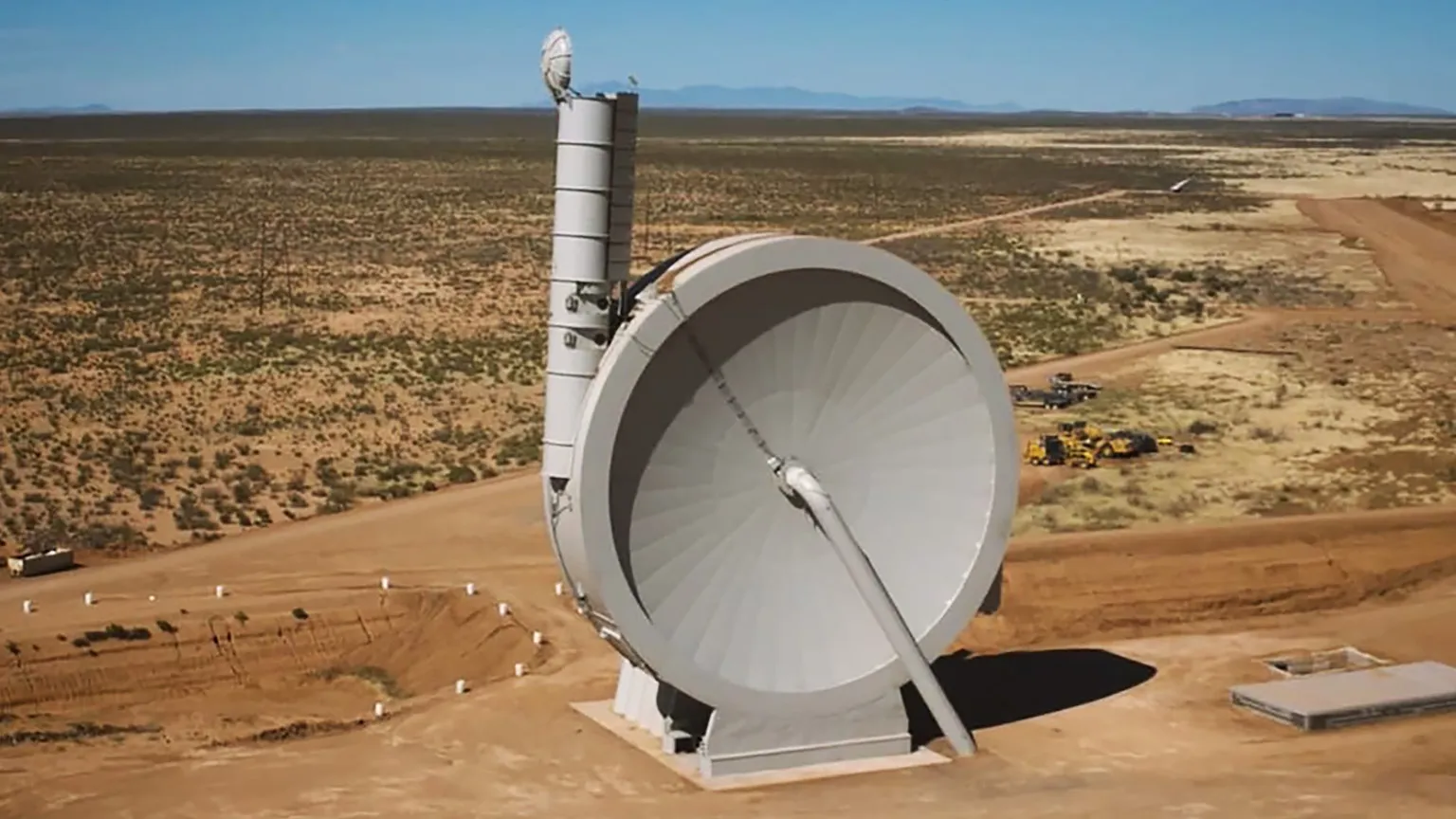
How a California startup's massive centrifuge could transform space access by eliminating rocket fuel, reducing costs by 70%, and enabling daily satellite launches - if it can overcome the physics of scaling from suborbital tests to orbital reality
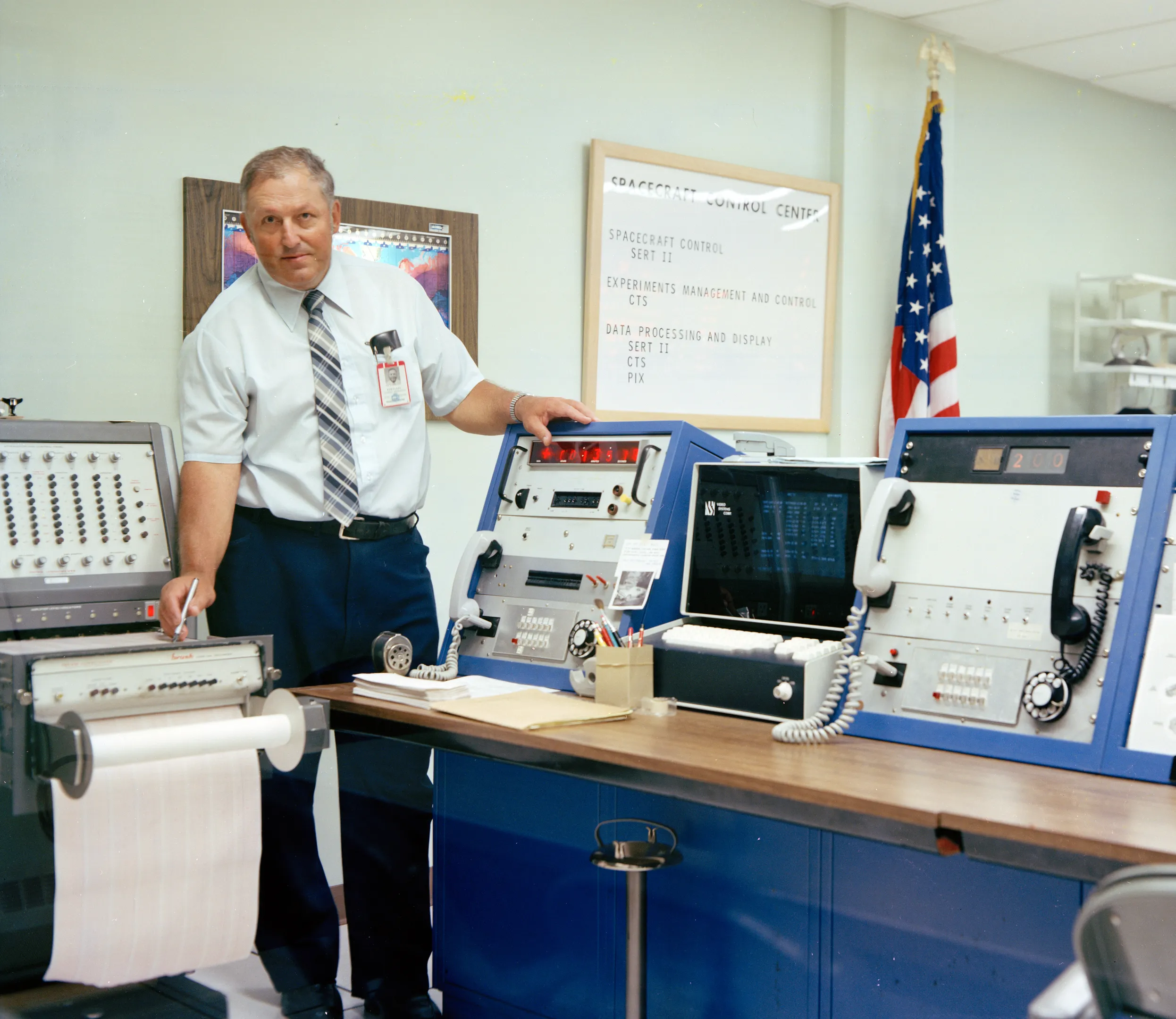
Fifty-five years ago, a revolutionary spacecraft launched from California carrying technology that would transform how we explore the solar system