

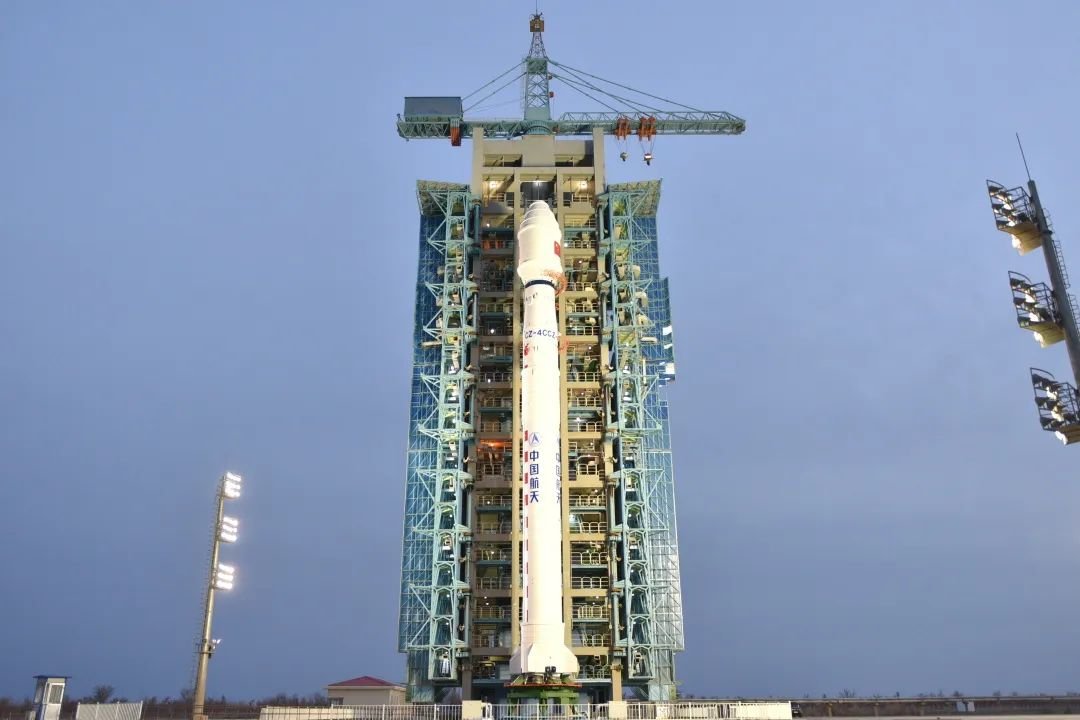
Space Brief 6 Nov 2024
Discover the latest in satellite technology with the launch of the world's first wooden satellite, new test materials for the ISS, and significant developments in orbital space debris.


Launch Date
November 20, 1998
Launch Site
Launch Pad
LC40
Launch Vehicle
NORAD ID
43510
International Designator
1998-067NT
Decay Date
12/4/2021
Name
REMOVEDEBRIS
Alternative Name
RemoveDebris
Type
Status
Owner
SSTLA
Country
United Kingdom
Constellation
N/A
Related Satellites
Major Events
N/A
Length
0.7
Diameter
0.7
Span
2
Dry Mass
100
Launch Mass
100
Shape
Box+boom
Radar Cross Section
Unknown
Visual Magnitude
Unknown
Color
Unknown
Material Composition
Unknown
Payload
RemoveDebris
Purpose
Technology
Mission
Technology
Manufacturer
SSTLA
Life Expectancy
Unknown
Bus
SSTL-42
Configuration
SSTL-42 (SSTL X50) (RemoveDEBRIS); CubeSat (2U) (DebrisSat 1, 2)
Motor
Unknown
Equipment
Unknown
Power System
Solar cells, batteries (Remove DEBRIS); batteries (DebrisSat 1); solar cells, batteries (DebrisSat 2)
ADCS
Unknown
Transmitter Frequency
Unknown
Learn more about satellites and other related topics.
Discover the latest in satellite technology with the launch of the world's first wooden satellite, new test materials for the ISS, and significant developments in orbital space debris.
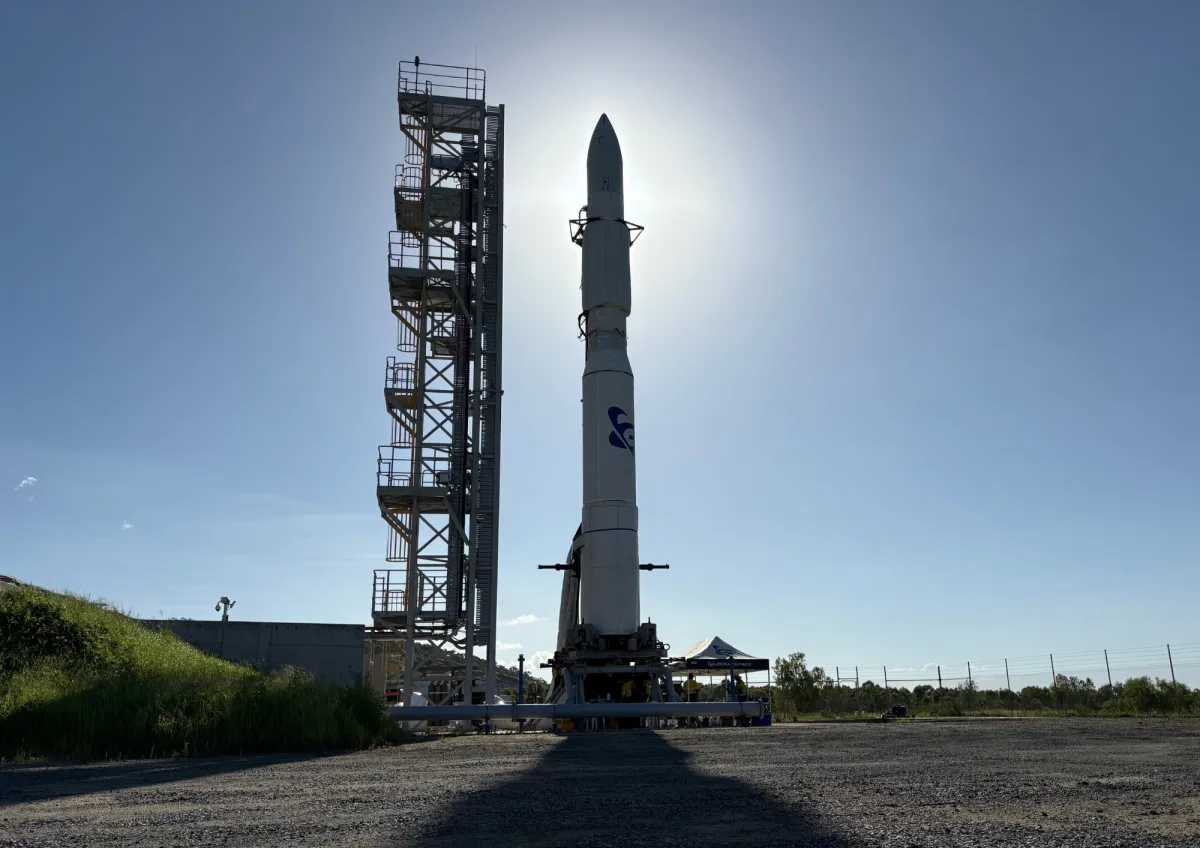
Key insights from the latest SpaceX Starship breakup, the establishment of a new satellite mobile service, and enhancing America's missile shield capabilities through satellites.
Rocket Lab to acquire Iridium's 66-satellite LEO constellation for end-to-end vertical integration. Deal includes spacecraft manufacturing, launch, and on-orbit operations control.
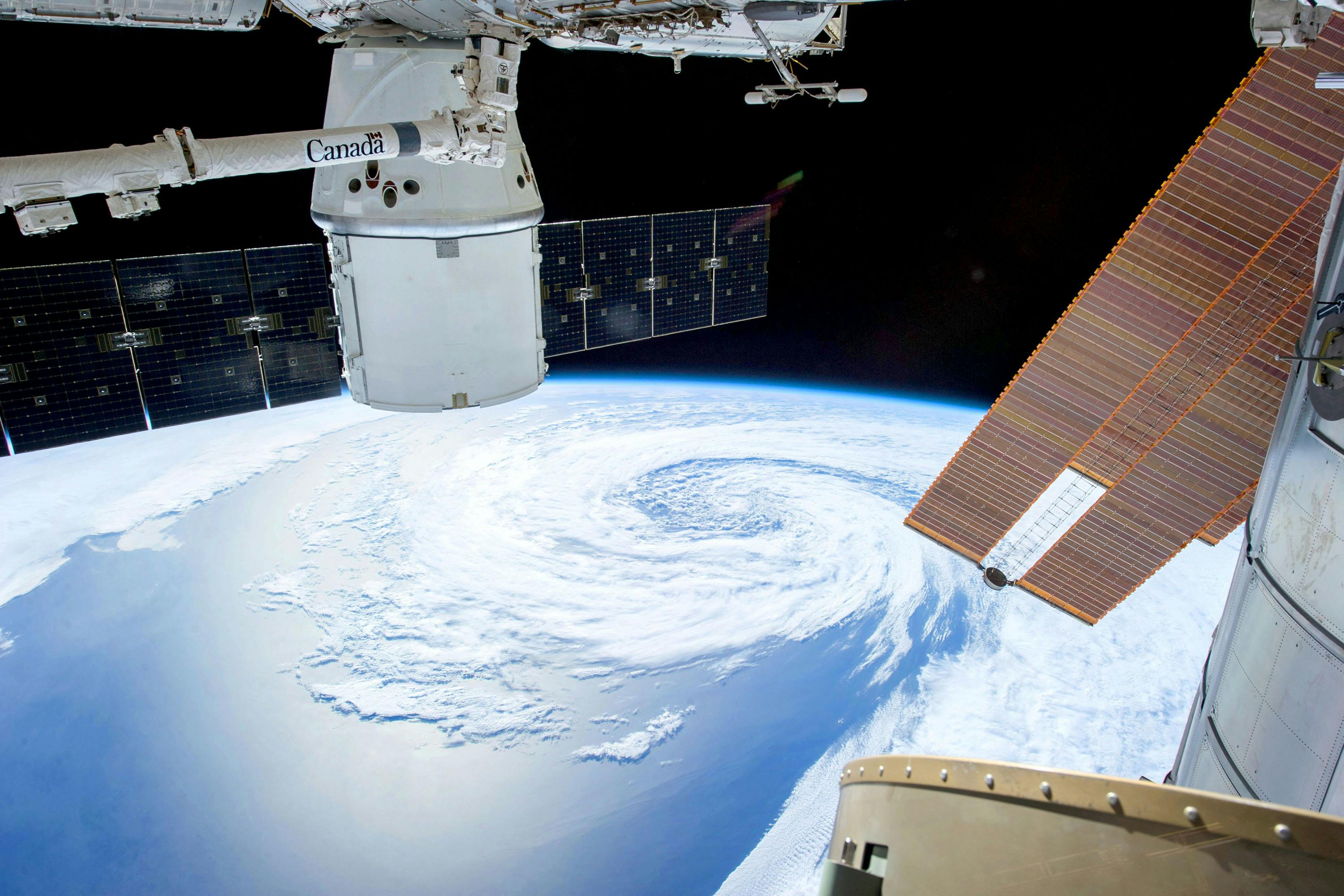
Starship V3 targets an April 2026 debut, the ride for next-gen Starlink V3 satellites. Fleet stands at 10,062 working of 11,587 launched.
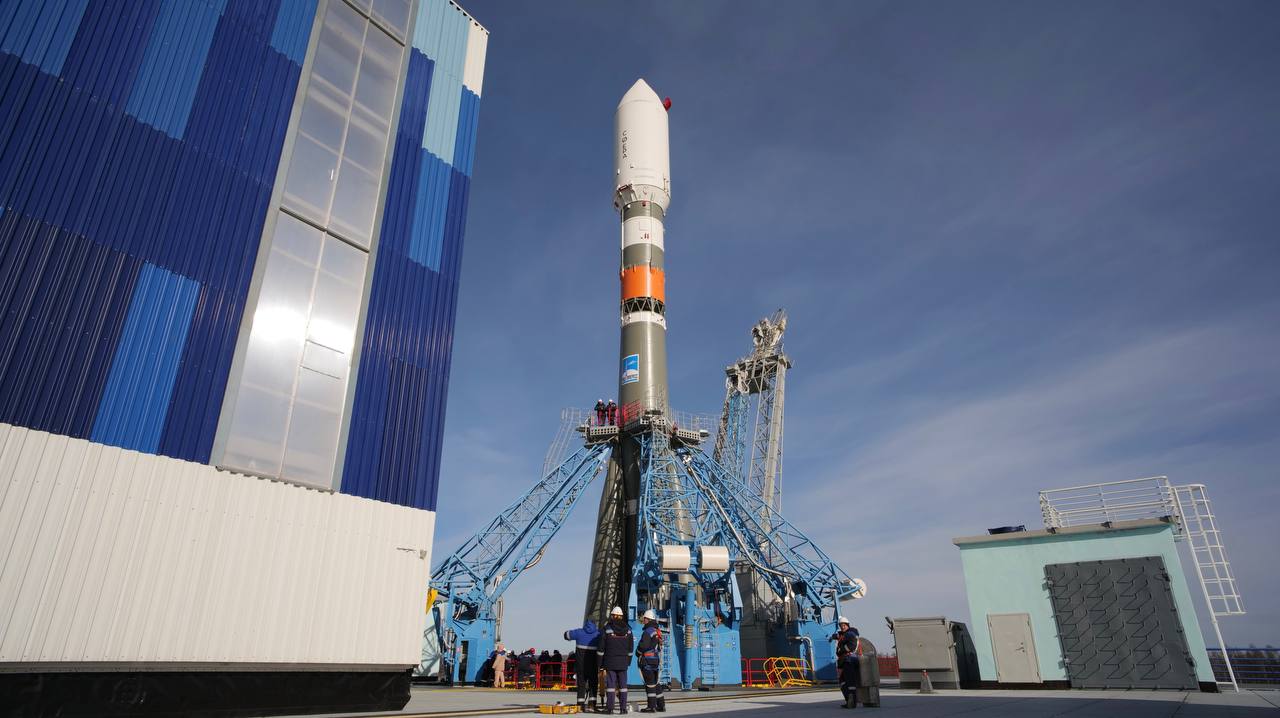
Today's brief covers influential space events including Space Force's interest in Starship, U.S. military constellation advancements, and technological developments in counter-drone capabilities.
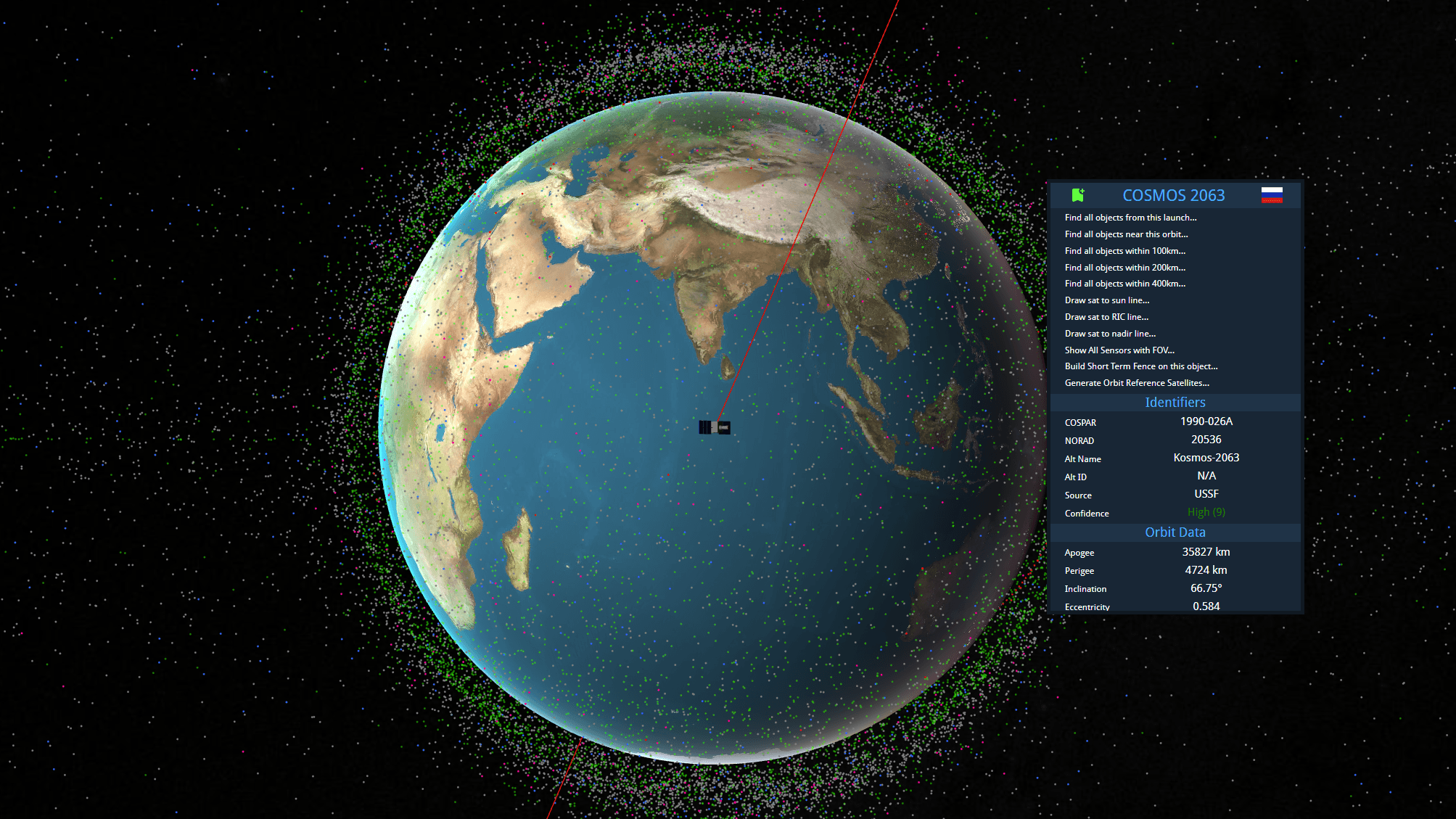
Today's Space Brief explores new satellite launches, significant reentries, funding milestones, and critical policy updates.

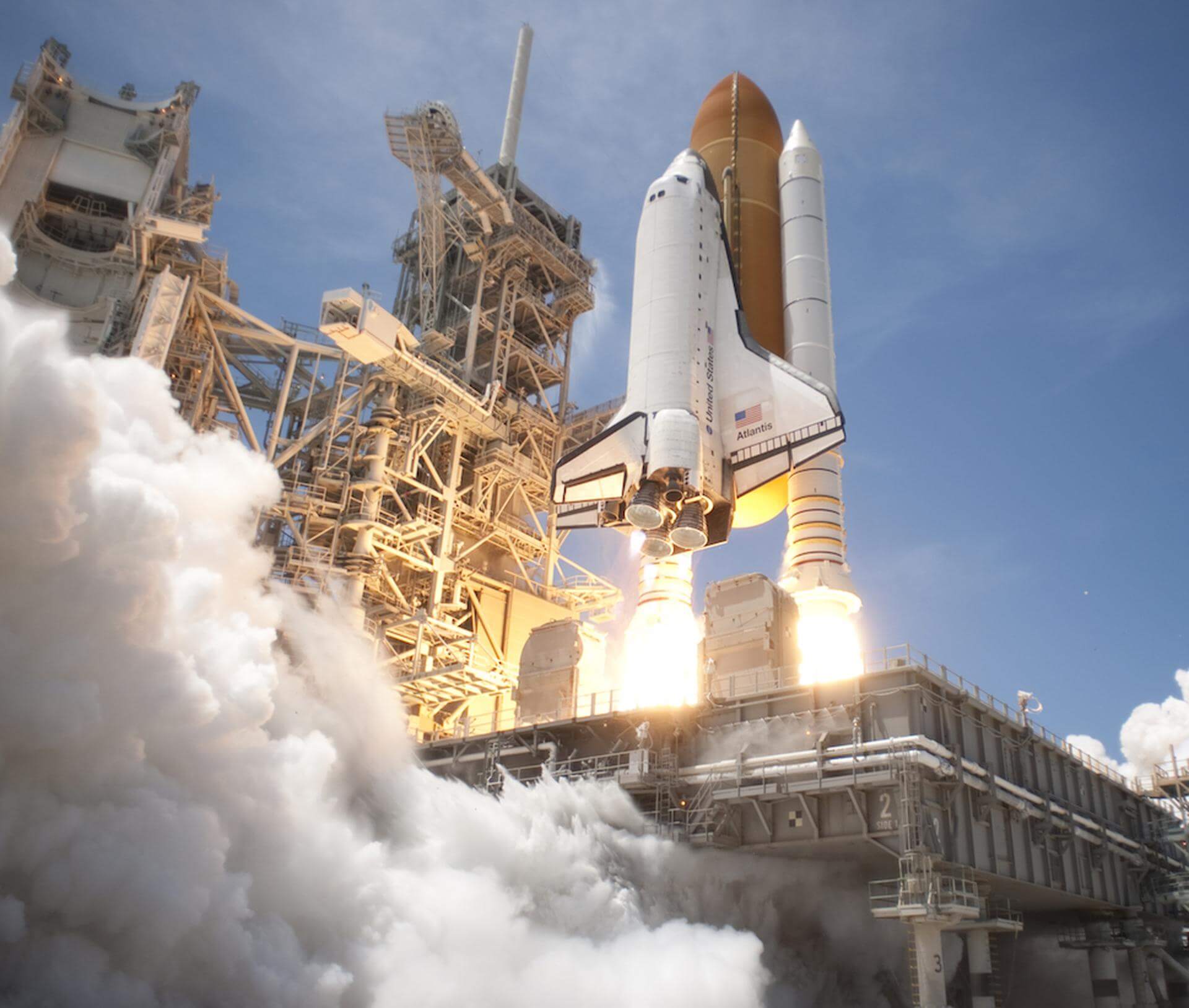
On May 4, 1989, Space Shuttle Atlantis lifted off from LC-39B carrying Magellan, NASA's first interplanetary mission since 1978. The eleven-year drought ended in a payload bay, and the radar that emerged would map ninety-eight percent of Venus through clouds that no camera could ever see through.
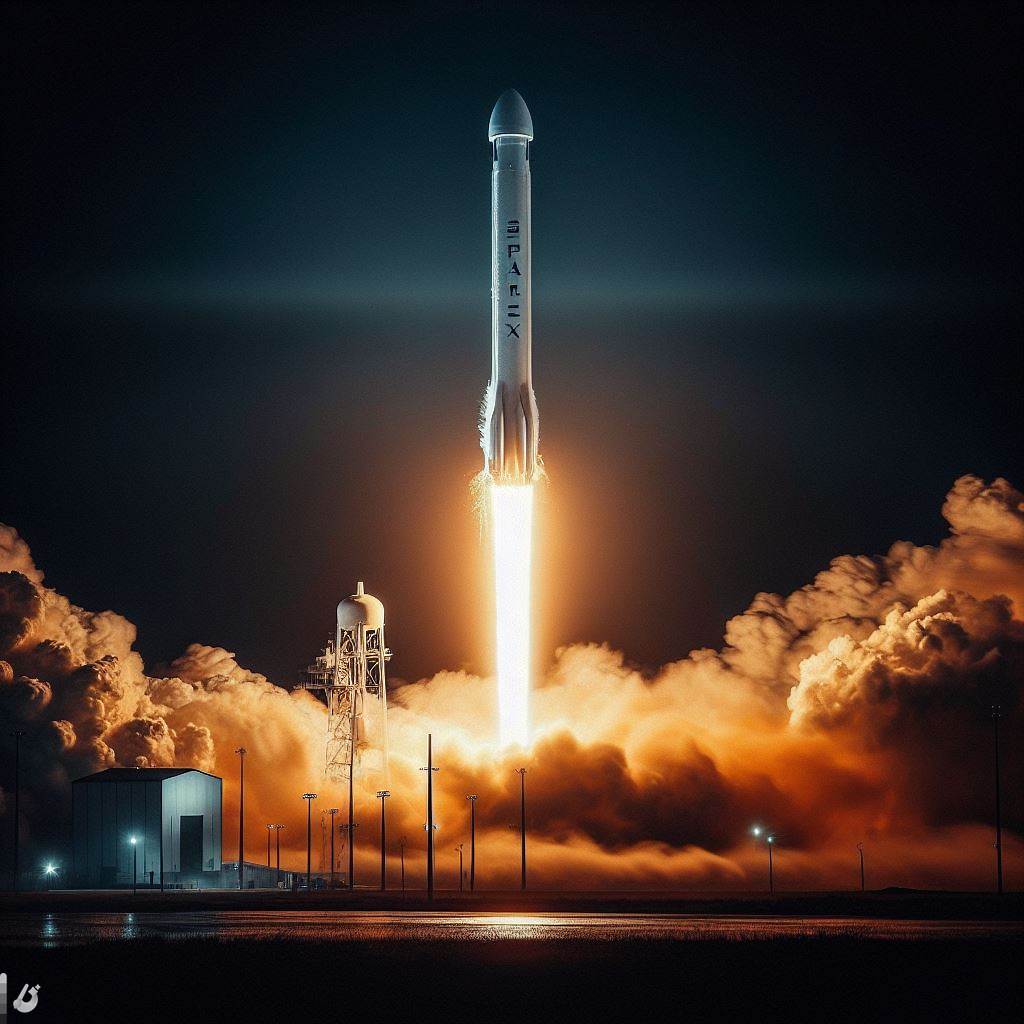
Elon Musk controls 79% of SpaceX's votes with just 42% of the equity - and the company just merged with his AI startup at a $1.25 trillion valuation. Here's who actually owns what, how the money works, and what a $1.75 trillion IPO means for investors.