

X Report 12 Apr 2025
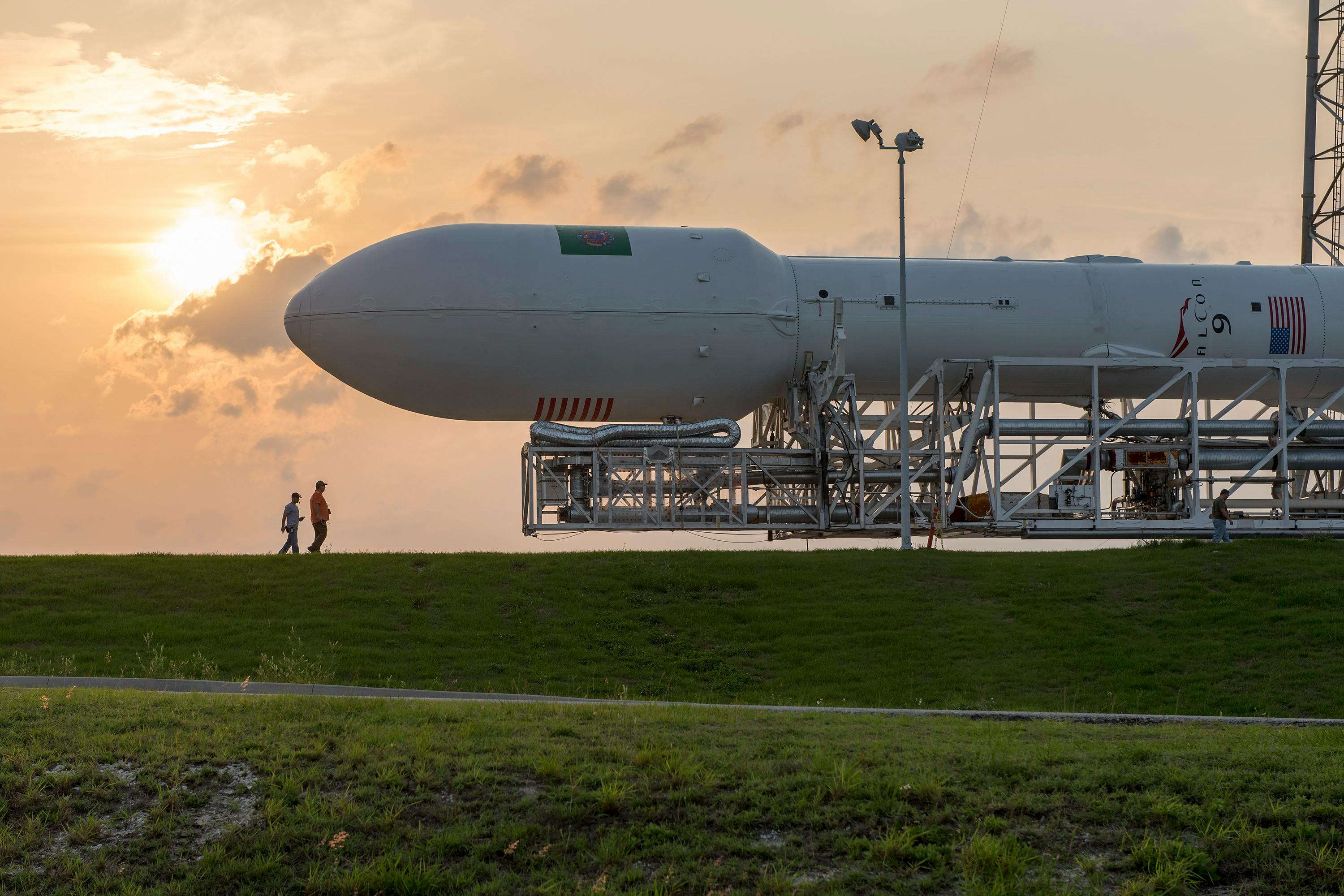
Key developments include the launch of Starshield satellites for the NRO and updates on Starlink launches and NASA access concerns involving Elon Musk's team.


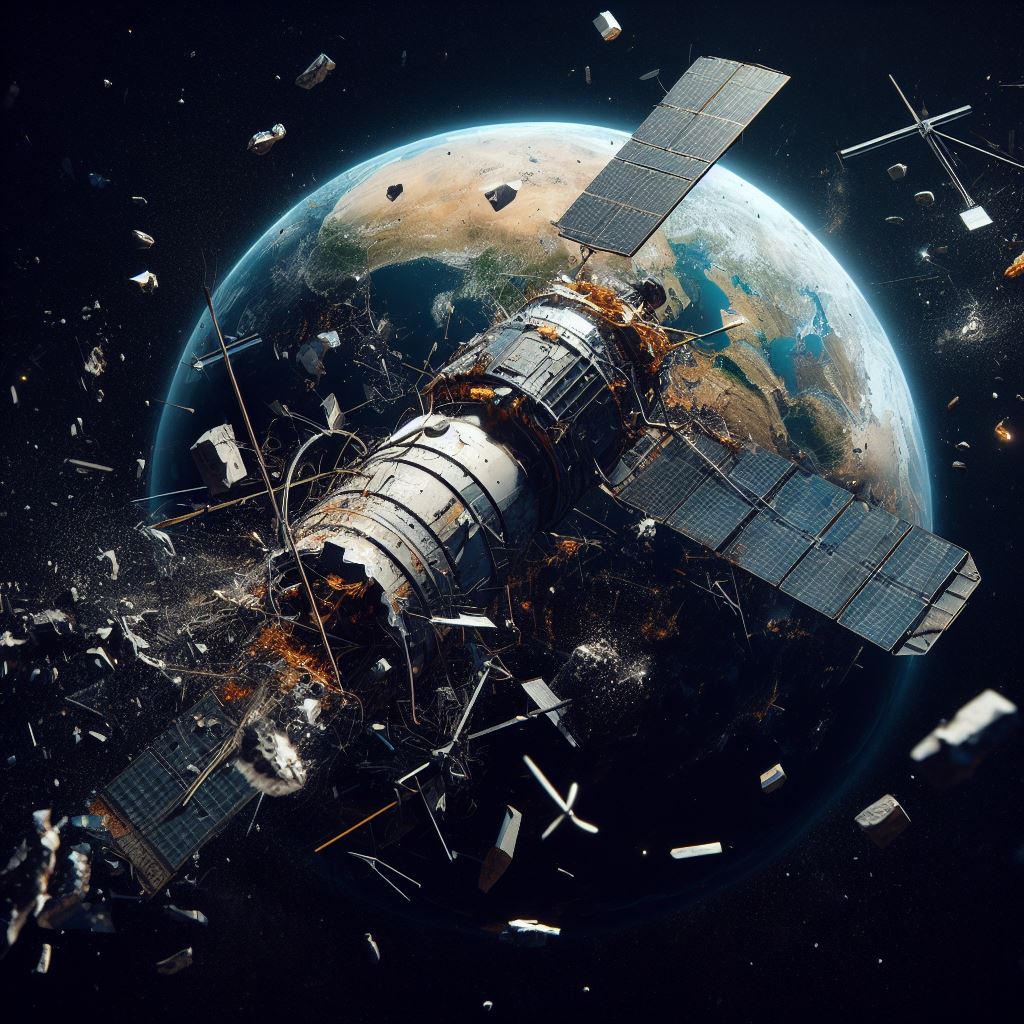
Launch Date
December 17, 2015
Launch Site
JSC
Launch Pad
LC603
Launch Vehicle
Chang Zheng 2D
NORAD ID
43426
International Designator
2015-078B
Decay Date
7/26/2024
Name
CZ-2D DEB
Alternative Name
CZ-2C sep motor cover
Type
Status
Owner
CNSA
Country
China
Constellation
N/A
Related Satellites
Major Events
N/A
Length
0
Diameter
0
Span
0
Dry Mass
0
Launch Mass
0
Shape
N/A
Radar Cross Section
Unknown
Visual Magnitude
Unknown
Color
Unknown
Material Composition
Unknown
Payload
Unknown
Purpose
Unknown
Mission
Unknown
Manufacturer
CAST
Life Expectancy
Unknown
Bus
Unknown
Configuration
Unknown
Motor
Unknown
Equipment
Unknown
Power System
Unknown
ADCS
Unknown
Transmitter Frequency
Unknown
Learn more about satellites and other related topics.
Key developments include the launch of Starshield satellites for the NRO and updates on Starlink launches and NASA access concerns involving Elon Musk's team.

Space Force scraps SDA transport layer, requests $1.6 billion for proliferated LEO SATCOM constellation. Roger Mason nominated to lead NRO.

Today's highlights include significant legal disputes in military satellite contracts, strategic investments in the defense space sector, and updates on major military budget developments impacting space capabilities.
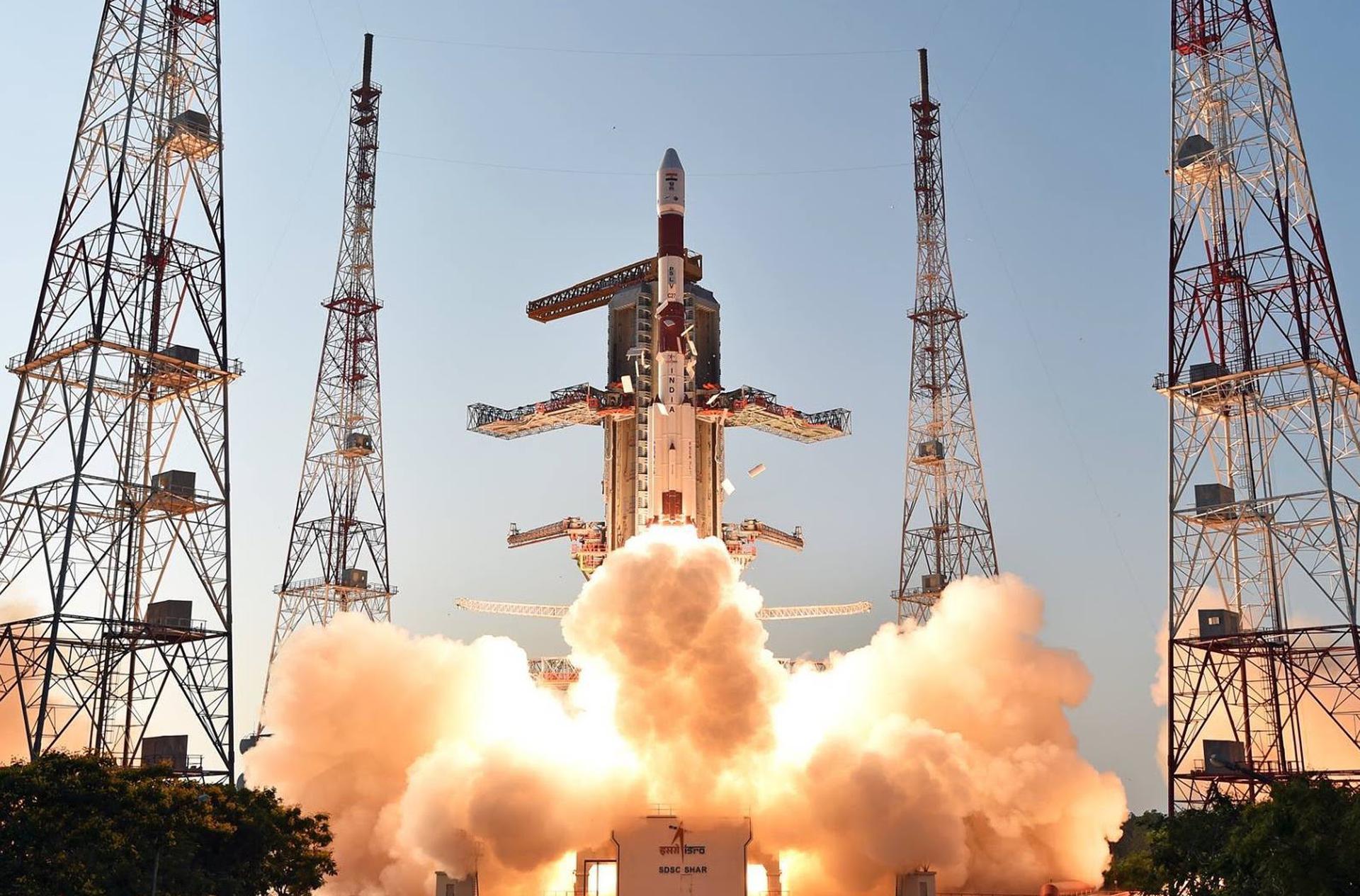
Today's highlights include China's latest satellite launches, Blue Origin's expansion plans, and Purdue University's groundbreaking suborbital mission with Virgin Galactic.

Thirty-nine years ago, the loss of Space Shuttle Challenger and its seven crew members forever transformed our approach to spaceflight safety and risk management
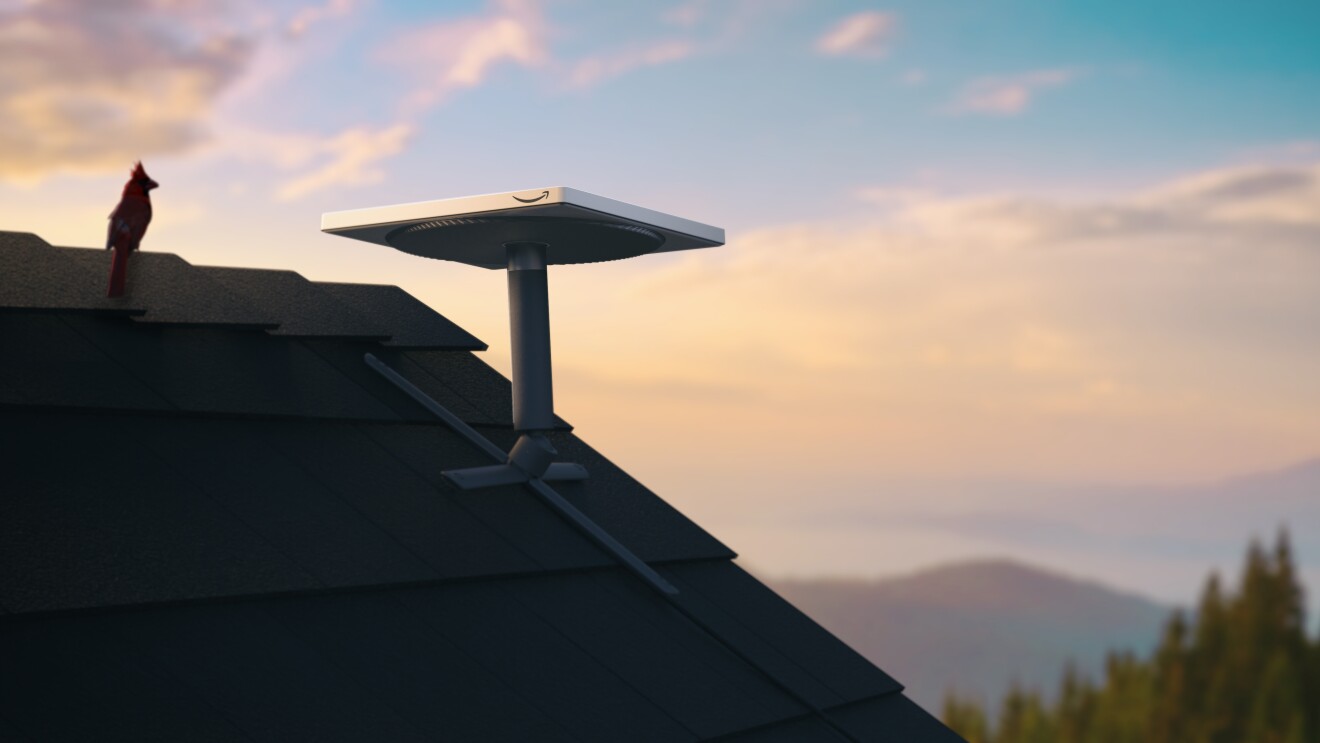
Today's brief covers key topics such as SpaceX's latest Starlink launch, the European Space Agency's new initiatives, and Space Force's integration of AI into its operations.
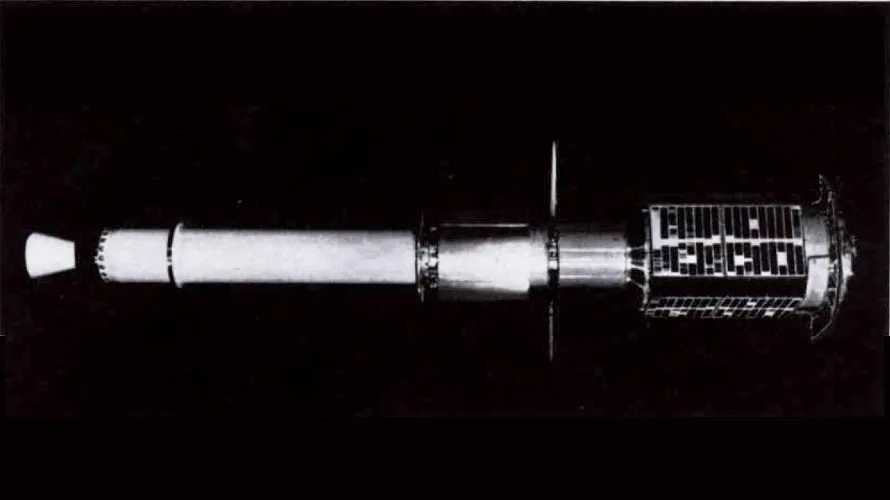
On April 27, 1961, a Scout rocket lifted a 37-kilogram NASA satellite into orbit from Wallops Island carrying the first serious instrument for detecting cosmic gamma rays. Explorer 11 operated for seven months before its tape recorder failed. In that time it registered 22 gamma-ray photons - a pitiful number by modern standards, but enough to launch an entire branch of astronomy.

Today's highlights include Pulsar Fusion's groundbreaking nuclear rocket plans, partnerships for the Haven-1 space station, and a spotlight on military collaboration in quantum technology.