ARIANE 40+ DEB (43351)

COSPAR: 1995-021J | Alt Name: deb ERS-2
DECAYED

Image
ARIANE 40+ DEB Satellite Image
Additional Sources
Launch Details

Launch Date

April 21, 1995

Launch Site

FRGUI

Launch Pad

ELA2

Launch Vehicle

Ariane 40

Orbital Elements

NORAD ID

43351

International Designator

1995-021J

Decay Date

10/27/2023

Basic Satellite Info

Name

ARIANE 40+ DEB

Alternative Name

deb ERS-2

Type

Debris

Status

Space Junk

Owner

ESA

Country

European Space Agency

Constellation

N/A

Related Satellites

Major Events

N/A

Summary
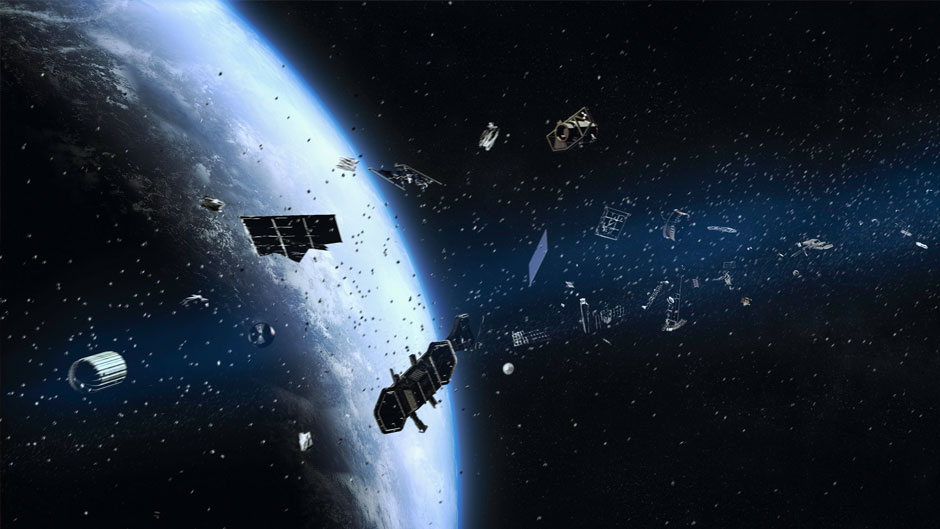
Space debris, also known as space junk, encompasses all non-functional objects orbiting Earth such as defunct satellites, spent rocket stages, and fragments from collisions or disintegrations. Over time, this debris can accumulate and create an increasingly hazardous environment in orbit. Even tiny fragments, traveling at extremely high velocities, can inflict significant damage on operational satellites and spacecraft. If left unmanaged, the density of debris raises the risk of catastrophic collisions and further fragmentation, compounding the problem and threatening the safety and sustainability of space activities.
Physical Characteristics

Length

0

Diameter

0

Span

0

Dry Mass

0

Launch Mass

0

Shape

N/A

Radar Cross Section

Unknown

Visual Magnitude

Unknown

Color

Unknown

Material Composition

Unknown

Technical Details

Payload

Unknown

Purpose

Unknown

Mission

Unknown

Manufacturer

Unknown

Life Expectancy

Unknown

Bus

Unknown

Configuration

Unknown

Motor

Unknown

Equipment

Unknown

Power System

Unknown

ADCS

Unknown

Transmitter Frequency

Unknown

Satellite Articles

View All Posts »

Learn more about satellites and other related topics.

The Kessler Syndrome

The Kessler Syndrome

The Kessler Syndrome threatens humanity's future in space as cascading satellite collisions create exponential debris growth. With 36,000+ tracked objects and recent incidents accelerating risks, we face a critical juncture: implement solutions now or potentially lose access to low Earth orbit forever.
Pentagon Pulls the Plug on GPS OCX | The $8 Billion Ground System That Never Worked

Pentagon Pulls the Plug on GPS OCX | The $8 Billion Ground System That Never Worked

On April 17, 2026, the U.S. Space Force officially cancelled the Next Generation Operational Control System after sixteen years of development, cost overruns, and testing failures. The $8 billion program was supposed to unlock the military's encrypted GPS signal. Instead, the satellites are flying with capabilities the ground can't command.

X Report 21 Oct 2025

X Report 21 Oct 2025

NASA considers opening the Artemis 3 lander to new bids as delays surface, while SpaceX gears up for multiple Falcon 9 launches this week and secures a redevelopment nod for SLC-6.

The Day America Entered the Space Age

The Day America Entered the Space Age

Sixty-seven years ago, a slender rocket carried America's first satellite into orbit, discovering a mysterious feature of our planet that would change our understanding of space forever

X Report 18 Nov 2025

X Report 18 Nov 2025

SpaceX successfully launched the Sentinel-6B satellite to monitor global sea levels while resuming daytime rocket launches. Furthermore, delays in the Starship timeline impact NASA's Artemis 3 mission schedule.

Space Brief 25 Mar 2025

Space Brief 25 Mar 2025

Today's brief covers SpaceX's launch of a secret US spy satellite, national security satellite launches, and Japan's missile ambitions. Also highlighted are Estonia's AI defense upgrades and autonomous airpower in Australia.

SpaceX Hits 600 Rocket Landings, Wins $175M Mars Deal | KeepTrack X Report

SpaceX Hits 600 Rocket Landings, Wins $175M Mars Deal | KeepTrack X Report

SpaceX's 600th Falcon 9 booster landing coincides with a $175M NASA Mars contract win and the final GPS III satellite launch this week.

FAA Grounds Starship V3 for Mishap Probe, X Report 29 May 2026

FAA Grounds Starship V3 for Mishap Probe, X Report 29 May 2026

FAA grounds Starship pending a mishap investigation into the V3 debut flight; return to flight hinges on FAA sign-off. Starlink 10-53 added 29 sats.