


Space Brief 9 Feb 2025
Today's highlights include Rocket Lab's successful 2025 kick-off launch, SpaceX's upcoming Starlink deployment, and a significant military satellite contract competition.


Launch Date
February 11, 1970
Launch Site
AFWTR
Launch Pad
SLC10W
Launch Vehicle
Thor Burner 2
NORAD ID
04332
International Designator
1970-012B
Epoch
Sat, 04 Jul 2026 04:14:27 GMT
Apogee
Calculating...
Perigee
Calculating...
Inclination
98.85°
Right Ascension
96.12°
Eccentricity
Calculating...
Argument of Perigee
131.23°
Period
100.56 min
Mean Motion
14.32 rev/day
Latitude
Calculating...
Longitude
Calculating...
Altitude
Calculating...
Velocity
Calculating...
Name
THOR BURNER 2 R/B
Alternative Name
Burner II No. 9
Type
Status
Owner
SAMSO
Country
United States
Constellation
N/A
Related Satellites
Major Events
N/A
1 04332U 70012B 26185.17670262 .00000192 00000-0 86882-4 0 9993
2 04332 98.8488 96.1227 0060181 131.2315 229.4076 14.32031945937267
Source: Celestrak
Length
1.7
Diameter
1.6
Span
1.7
Dry Mass
154
Launch Mass
154
Shape
Frust
Radar Cross Section
1.5471
Visual Magnitude
Unknown
Color
Unknown
Material Composition
Unknown
Payload
Star 37B
Purpose
Unknown
Mission
Unknown
Manufacturer
THKE
Life Expectancy
Unknown
Bus
Star 37
Configuration
Unknown
Motor
Unknown
Equipment
Unknown
Power System
Unknown
ADCS
Unknown
Transmitter Frequency
Unknown
Learn more about satellites and other related topics.
Today's highlights include Rocket Lab's successful 2025 kick-off launch, SpaceX's upcoming Starlink deployment, and a significant military satellite contract competition.
Explore a comprehensive breakdown of satellite counts by country, detailing the USA, Russia, China, and others.
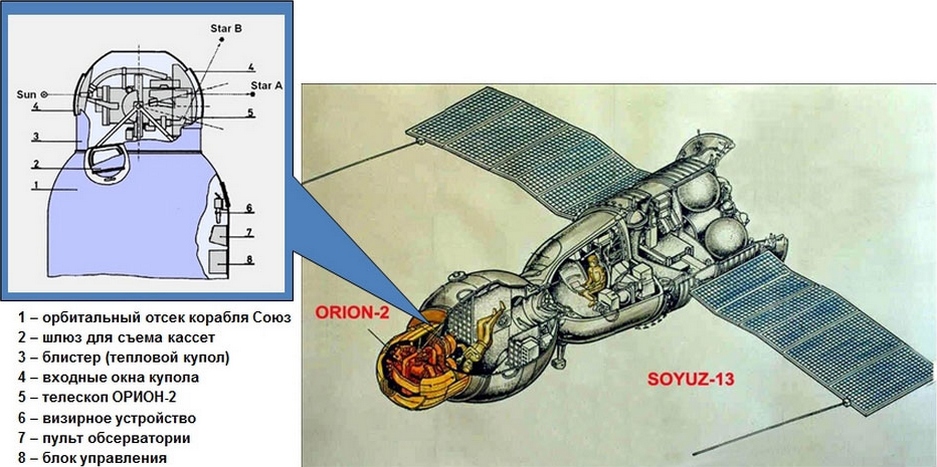
Exactly 52 years ago today, the Soviet Union launched Soyuz 13 - a scientific mission that marked the first time American astronauts and Soviet cosmonauts orbited Earth simultaneously. Armed with a revolutionary ultraviolet telescope, Pyotr Klimuk and Valentin Lebedev would discover elements never before seen in distant nebulae.
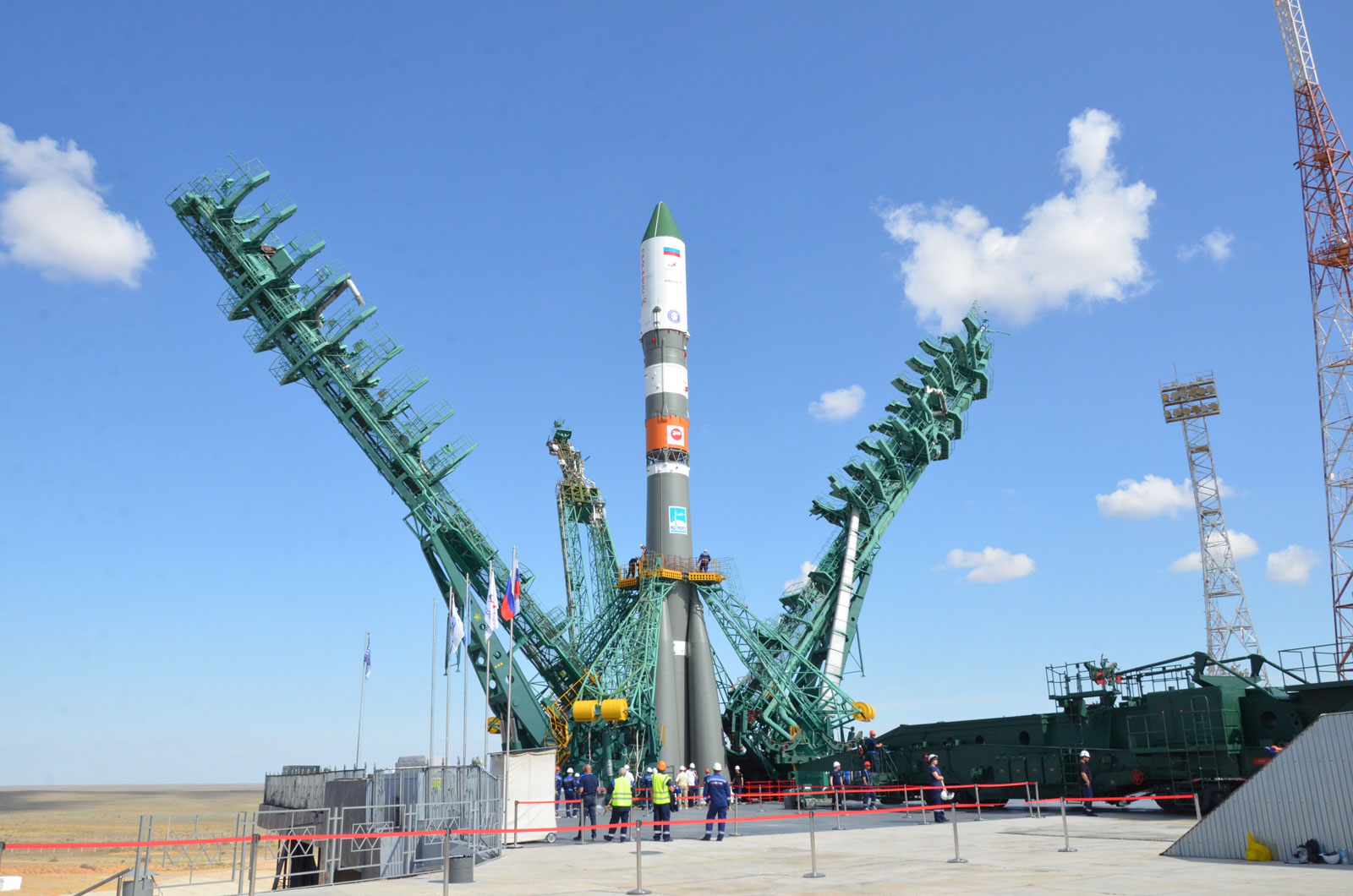
Today's highlights include the debut of a new Chinese rocket, a successful Starlink launch, and concerns about Artemis 3. We also cover DoD developments and a notable SpaceX milestone.

SpaceX's secretive Starfall reentry demo launched June 23 as Starmind AI constellation targets 1M orbital compute nodes.

Blue Origin's New Glenn suffered a damaging anomaly during hotfire testing at Launch Complex 36, grounding the heavy-lift rocket indefinitely with no return-to-flight timeline announced.

Artemis 2's four-person crew splashed down April 10 after first crewed lunar flyby since Apollo 17. Orion performance data critical for Artemis 3 south pole landing planning.
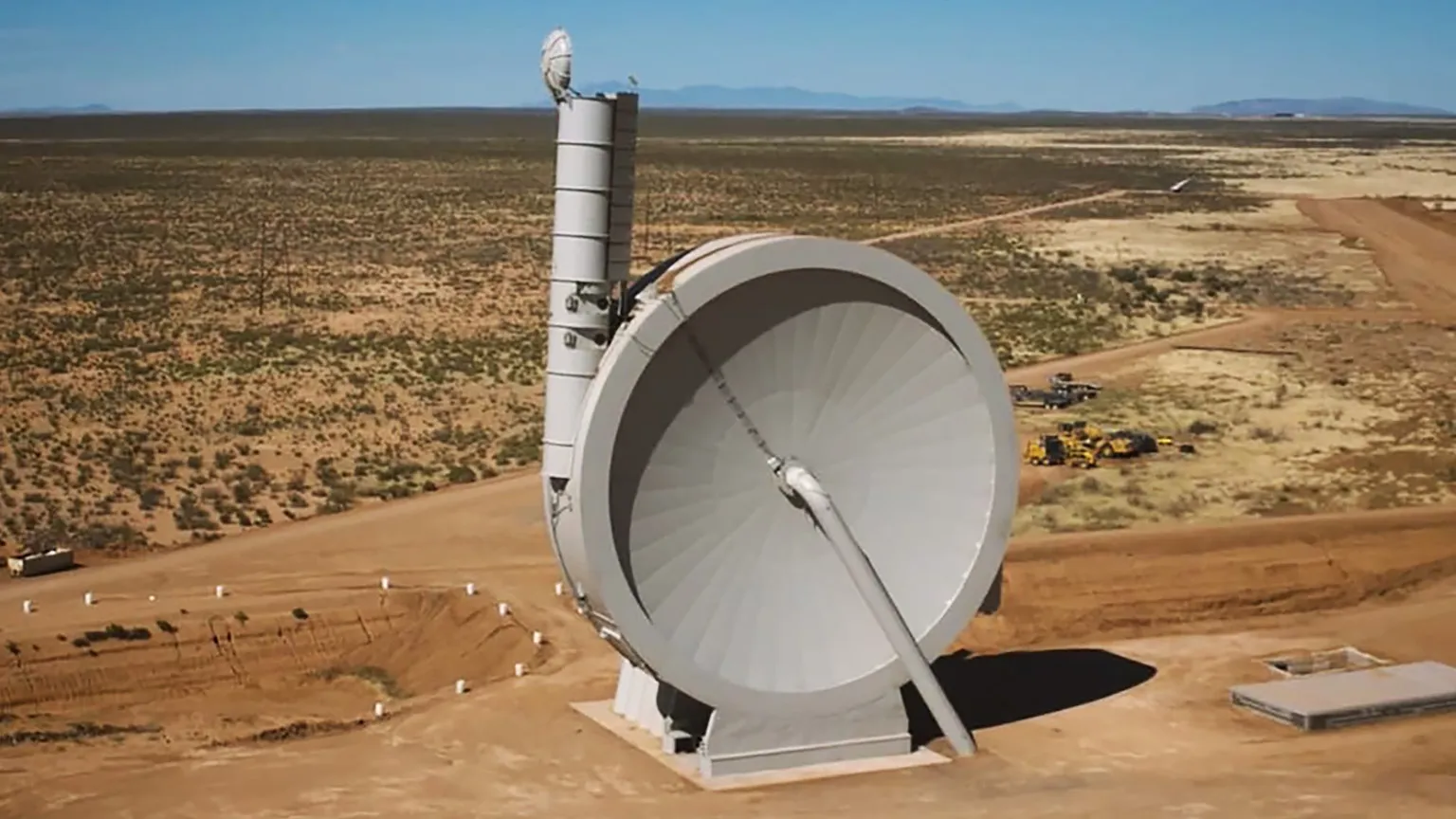
How a California startup's massive centrifuge could transform space access by eliminating rocket fuel, reducing costs by 70%, and enabling daily satellite launches - if it can overcome the physics of scaling from suborbital tests to orbital reality