


Space Brief 18 Jul 2025
Today's highlights include Space Force prioritizing military missions, testing new GPS satellite software, and international defense collaborations impacting space assets.



Launch Date
July 5, 1984
Launch Site
PLMSC
Launch Pad
LC32/2
Launch Vehicle
Tsiklon-3
NORAD ID
43310
International Designator
1984-072V
Epoch
Tue, 30 Jun 2026 21:39:59 GMT
Apogee
Calculating...
Perigee
Calculating...
Inclination
82.54°
Right Ascension
16.99°
Eccentricity
Calculating...
Argument of Perigee
41.28°
Period
103.18 min
Mean Motion
13.96 rev/day
Latitude
Calculating...
Longitude
Calculating...
Altitude
Calculating...
Velocity
Calculating...
Name
METEOR 2-11 DEB
Alternative Name
deb Meteor-2
Type
Status
Owner
VVKO
Country
Russia
Constellation
N/A
Related Satellites
Major Events
N/A
1 43310U 84072V 26181.90277462 .00001623 00000-0 11820-2 0 9993
2 43310 82.5444 16.9918 0016446 41.2834 318.9573 13.95560603585740
Source: Celestrak
Length
0
Diameter
0
Span
0
Dry Mass
0
Launch Mass
0
Shape
N/A
Radar Cross Section
Unknown
Visual Magnitude
Unknown
Color
Unknown
Material Composition
Unknown
Payload
Unknown
Purpose
Unknown
Mission
Unknown
Manufacturer
Unknown
Life Expectancy
Unknown
Bus
Unknown
Configuration
Unknown
Motor
Unknown
Equipment
Unknown
Power System
Unknown
ADCS
Unknown
Transmitter Frequency
Unknown
Learn more about satellites and other related topics.
Today's highlights include Space Force prioritizing military missions, testing new GPS satellite software, and international defense collaborations impacting space assets.
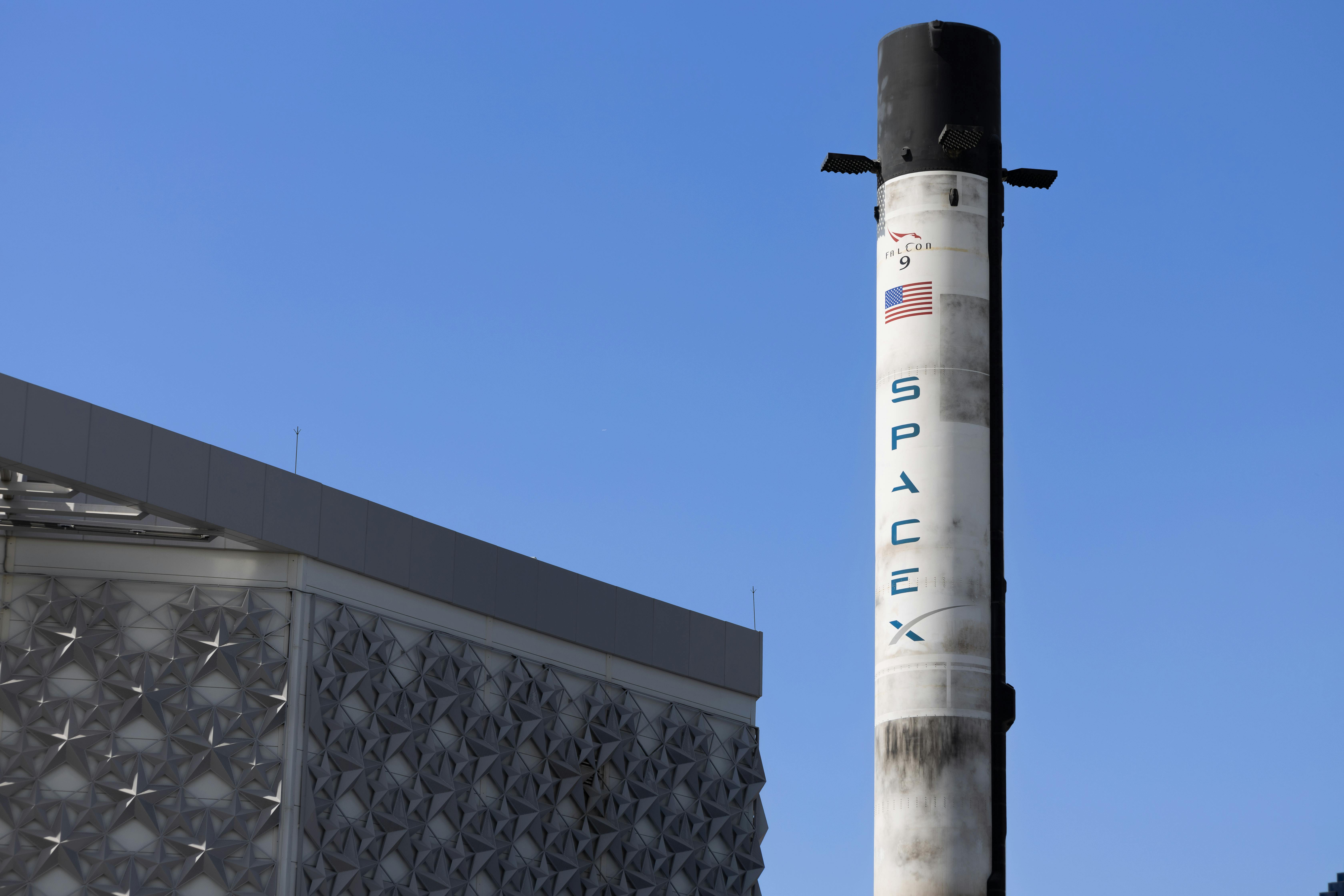
Today's brief highlights the upcoming X-37B military spaceplane launch, ongoing partnerships to protect radio astronomy, and West Virginia's minimal allocation of broadband subsidies to satellite providers like SpaceX.

Rocket Lab Neutron launch schedule holds at Q4 2026 for the first flight as a five-launch contract lands; barge recovery starts on flight two.
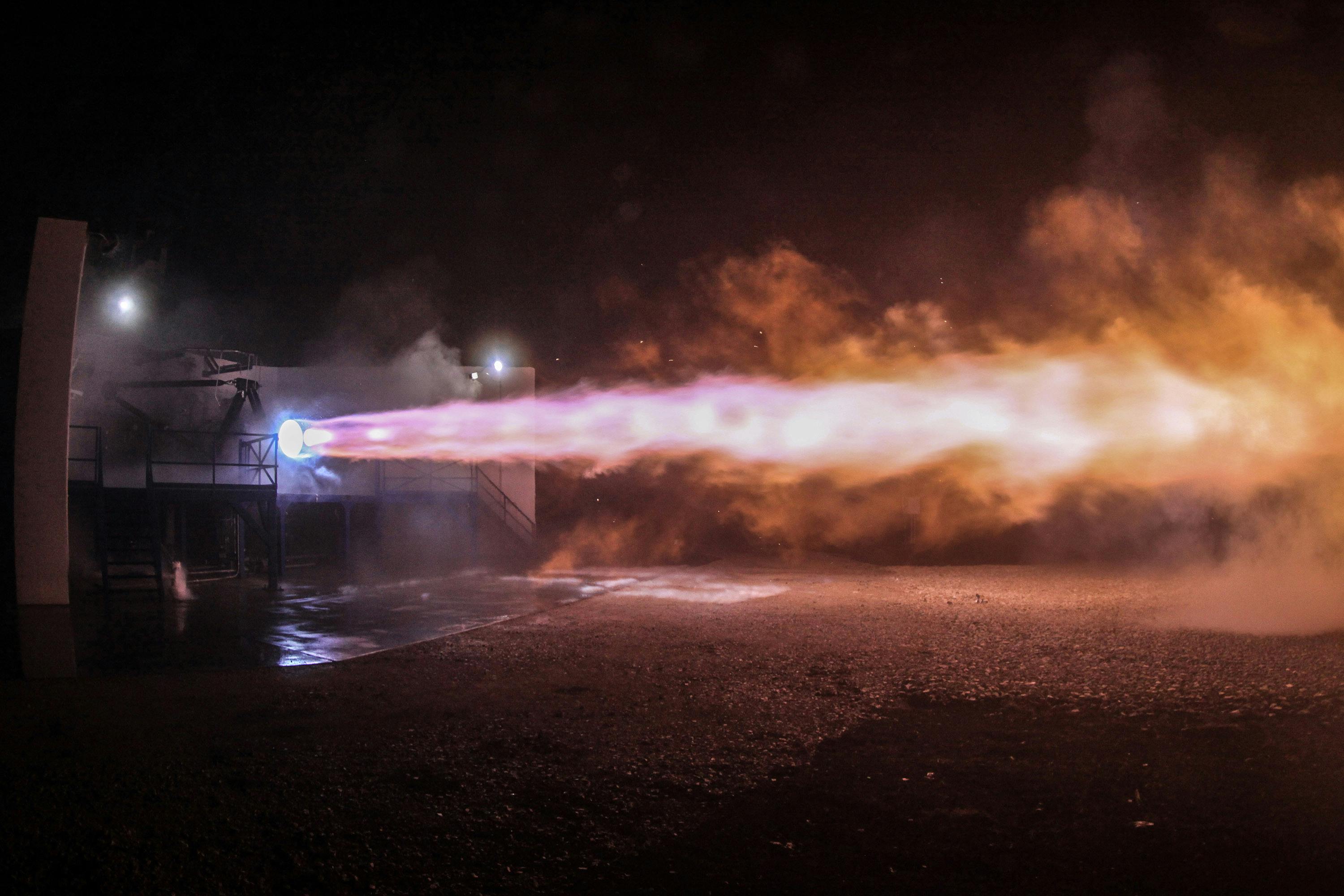
U.S. Space Force's Europe operations amidst Ukraine conflict, Maxar's new partnership, integration of military and commercial tech, and the Pentagon's new AI initiatives shape today's space discourse.

How a controversial telescope network has become a significant player in tracking the increasingly crowded orbital environment, raising important questions about transparency, dual-use technologies, and the future of space situational awareness.
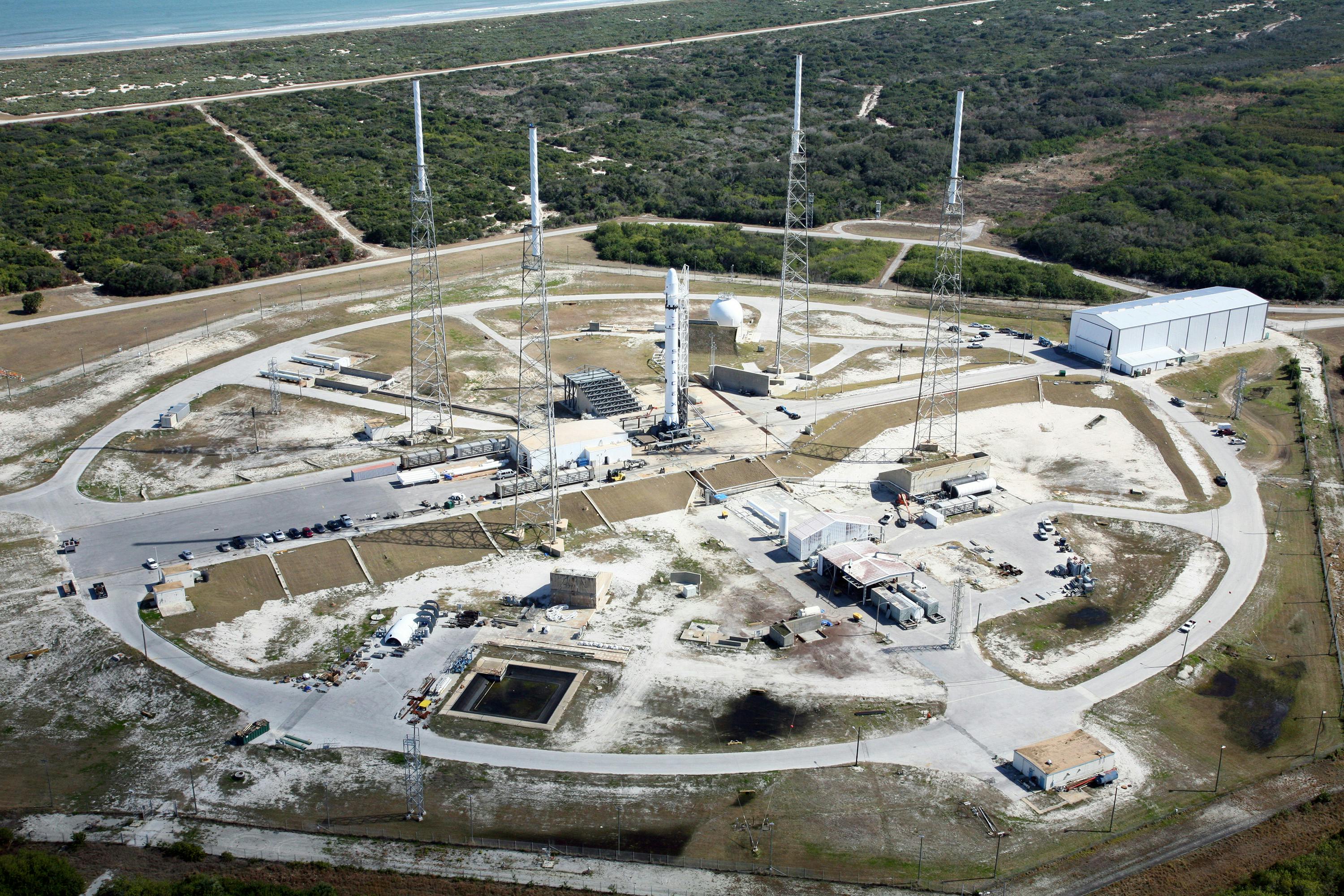
SpaceX makes strides with Starship testing while Starlink faces mounting competition as Viasat eyes Telesat's LEO capacity.
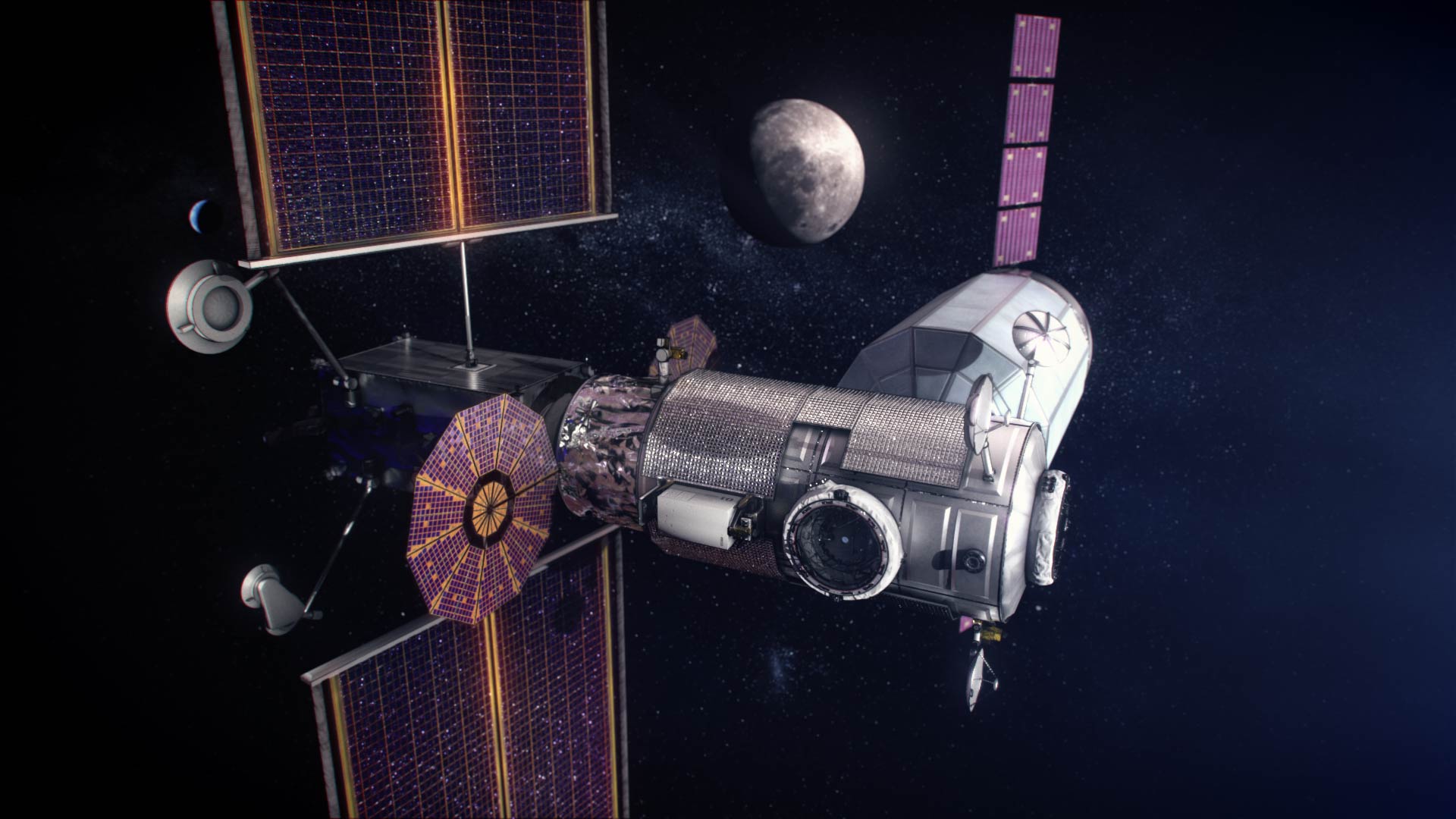
The volume of space between Earth and the Moon is roughly a thousand times larger than the orbit we actually watch, and almost none of it is under surveillance. As the U.S. and China race to build lunar outposts, the Space Force is scrambling to put eyes on a region it has been effectively blind to.
Today's brief covers significant advancements in space satellite launches, military spending impacts on space, and notable developments from the Space Force and SpaceX.