


Space Brief 9 Apr 2025
Today's brief covers Blue Origin’s new defense launch contracts, the ISS launch of a Navy SEAL astronaut, Sierra Space’s GPS security advancements for the U.S. Space Force, and the Space Force's 'Orbital Watch' initiative.



Launch Date
May 14, 1981
Launch Site
PLMSC
Launch Pad
LC43/3
Launch Vehicle
Vostok 8A92M
NORAD ID
43301
International Designator
1981-043Y
Epoch
Mon, 29 Jun 2026 22:06:13 GMT
Apogee
Calculating...
Perigee
Calculating...
Inclination
81.26°
Right Ascension
52.08°
Eccentricity
Calculating...
Argument of Perigee
343.46°
Period
100.65 min
Mean Motion
14.31 rev/day
Latitude
Calculating...
Longitude
Calculating...
Altitude
Calculating...
Velocity
Calculating...
Name
METEOR 2-7 DEB
Alternative Name
deb Meteor-2
Type
Status
Owner
KVR
Country
USSR
Constellation
N/A
Related Satellites
Major Events
N/A
1 43301U 81043Y 26180.92098526 .00001832 00000-0 68880-3 0 9992
2 43301 81.2582 52.0840 0042433 343.4618 16.5177 14.30718003516661
Source: Celestrak
Length
0
Diameter
0
Span
0
Dry Mass
0
Launch Mass
0
Shape
N/A
Radar Cross Section
Unknown
Visual Magnitude
Unknown
Color
Unknown
Material Composition
Unknown
Payload
Unknown
Purpose
Unknown
Mission
Unknown
Manufacturer
Unknown
Life Expectancy
Unknown
Bus
Unknown
Configuration
Unknown
Motor
Unknown
Equipment
Unknown
Power System
Unknown
ADCS
Unknown
Transmitter Frequency
Unknown
Learn more about satellites and other related topics.
Today's brief covers Blue Origin’s new defense launch contracts, the ISS launch of a Navy SEAL astronaut, Sierra Space’s GPS security advancements for the U.S. Space Force, and the Space Force's 'Orbital Watch' initiative.

Latest updates include China's Lijian-1 launching 15 satellites, a fiery Starlink reentry, SpaceX's milestone Falcon 9 booster landing, and China's support for its commercial space sector.

Falcon 9 stand-down may impact next ISS crew rotation as NASA monitors the situation. Musk merges xAI into SpaceX to build space data centers. 9,633 Starlink sats on orbit.

Today's briefing covers a DARPA award for Redwire's innovative satellite project, Ursa Major's expansion in defense engines, a Rocket Lab military test flight, and more.

Blue Origin lost New Glenn during static fire testing at Launch Complex 36. Vehicle sustained serious damage in anomaly. NASA Artemis timeline impacts possible.
Key military and technology developments in space; US Space Force and Army strategize national security with new rocket certifications and space training initiatives.
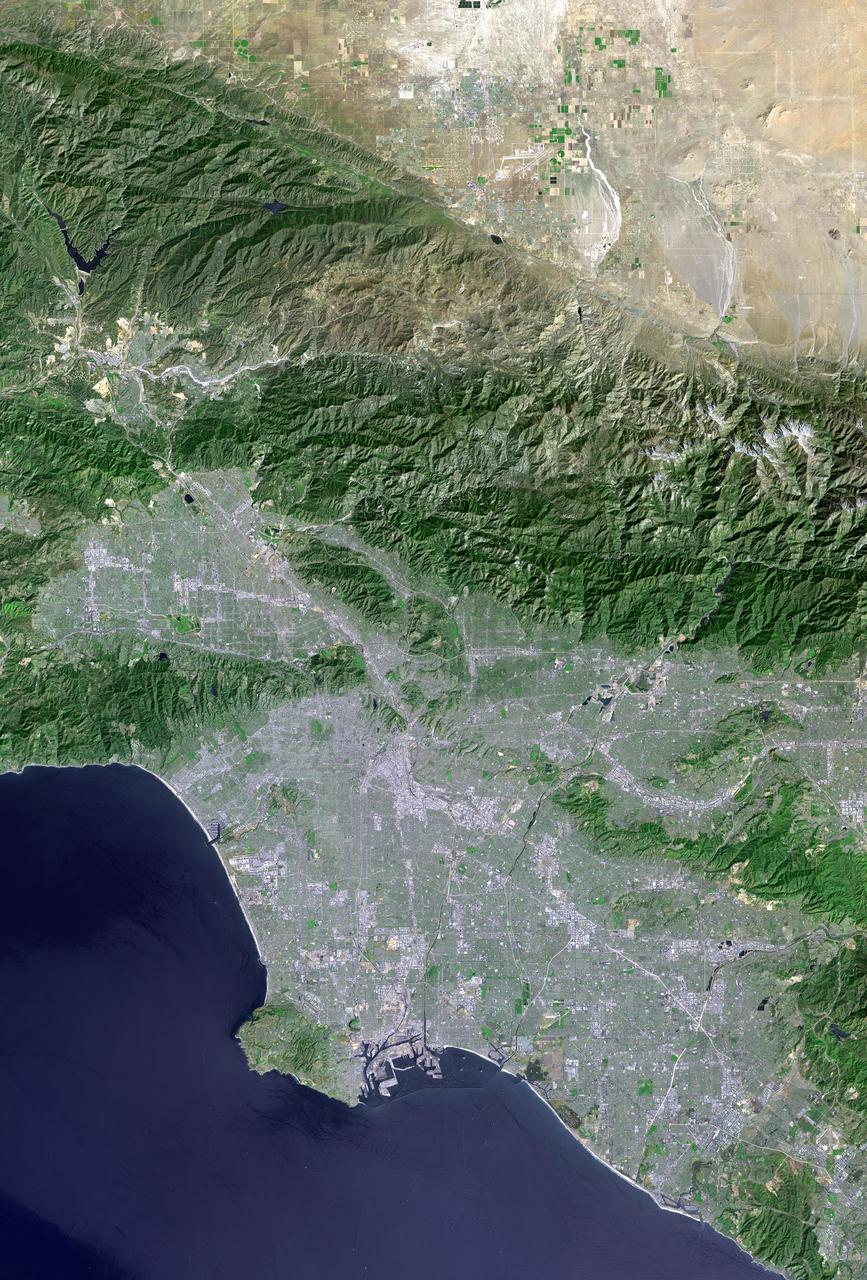
Landsat 7 launched on April 15, 1999, designed to last five years. It operated for twenty-five, survived a failure that destroyed a fifth of every image it took, and became part of the longest continuous record of Earth's surface ever assembled. Then they made the data free.

SpaceX wins a $4.16 billion Space Force satellite contract to track airborne threats worldwide, while dual-pad launches add 53 Starlink satellites.