


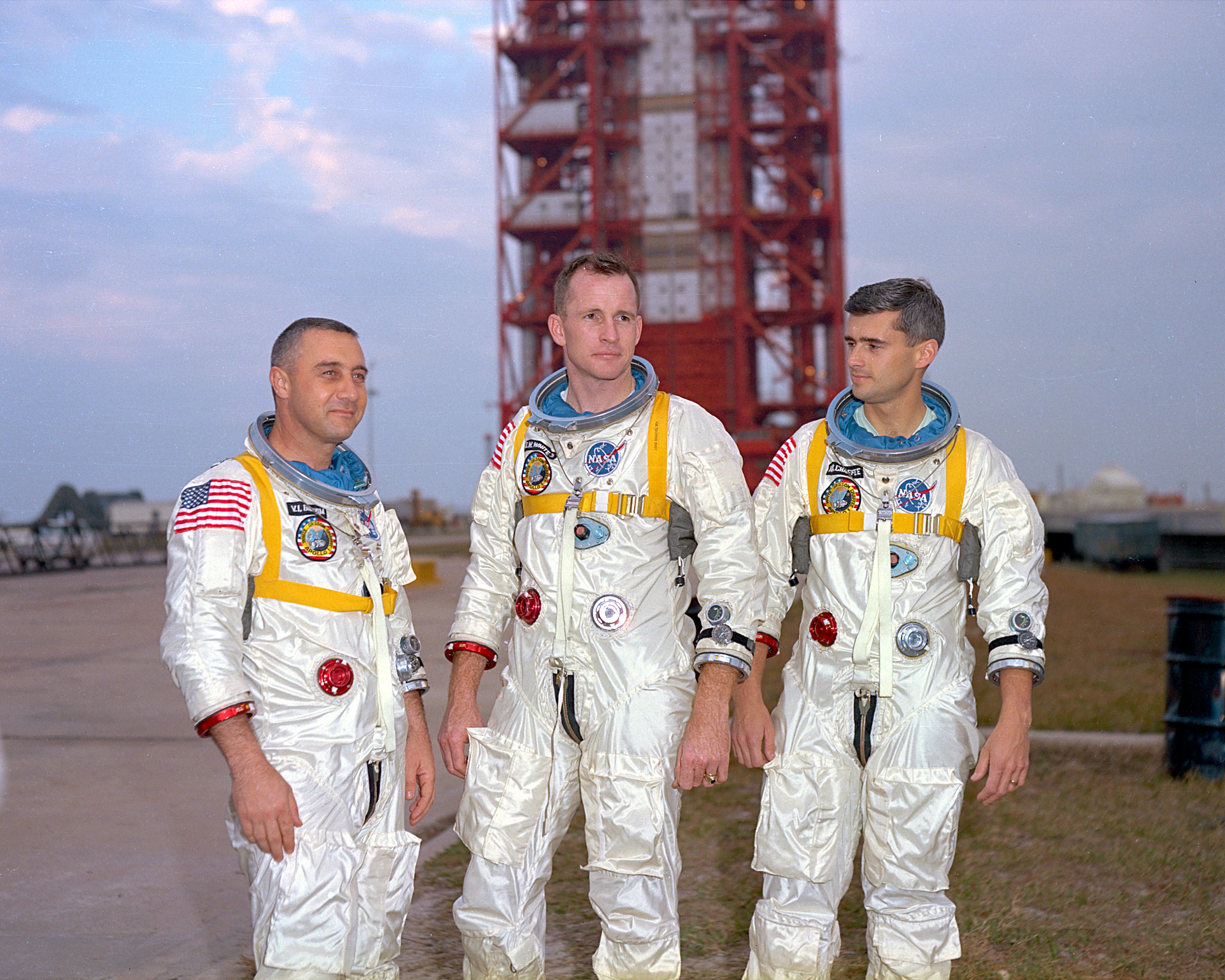
The Day We Lost Apollo 1
Fifty-eight years ago, a tragic fire during a routine test transformed spacecraft design and created the foundation of modern spaceflight safety culture


Launch Date
March 1, 2018
Launch Site
Launch Pad
SLC41
Launch Vehicle
Atlas V 541
NORAD ID
43226
International Designator
2018-022A
Epoch
Sat, 04 Jul 2026 03:11:51 GMT
Apogee
Calculating...
Perigee
Calculating...
Inclination
0.98°
Right Ascension
85.45°
Eccentricity
Calculating...
Argument of Perigee
49.84°
Period
1436.10 min
Mean Motion
1.00 rev/day
Latitude
Calculating...
Longitude
Calculating...
Altitude
Calculating...
Velocity
Calculating...
Name
GOES 17
Alternative Name
GOES 17
Type
Status
Owner
NOAA
Country
United States
Constellation
N/A
Related Satellites
Major Events
N/A
1 43226U 18022A 26185.13323792 -.00000171 00000-0 00000-0 0 9992
2 43226 0.9775 85.4459 0000699 49.8448 105.3262 1.00271299 30590
Source: Celestrak
Length
6.1
Diameter
3.9
Span
12
Dry Mass
2857
Launch Mass
5192
Shape
Box + panel + boom
Radar Cross Section
Unknown
Visual Magnitude
Unknown
Color
Unknown
Material Composition
Unknown
Payload
GOES S
Purpose
Meteorology
Mission
Meteorology
Manufacturer
LMCSS
Life Expectancy
15 years (10 operational, after 5 years on-orbit spare)
Bus
A2100
Configuration
A2100A
Motor
Leros-1C
Equipment
imager, sounder, solar X-ray imager, S-band, L-band, UHF communication channels
Power System
Deployable solar array, batteries
ADCS
Unknown
Transmitter Frequency
Unknown
Learn more about satellites and other related topics.
Fifty-eight years ago, a tragic fire during a routine test transformed spacecraft design and created the foundation of modern spaceflight safety culture

Latest updates include China's Lijian-1 launching 15 satellites, a fiery Starlink reentry, SpaceX's milestone Falcon 9 booster landing, and China's support for its commercial space sector.
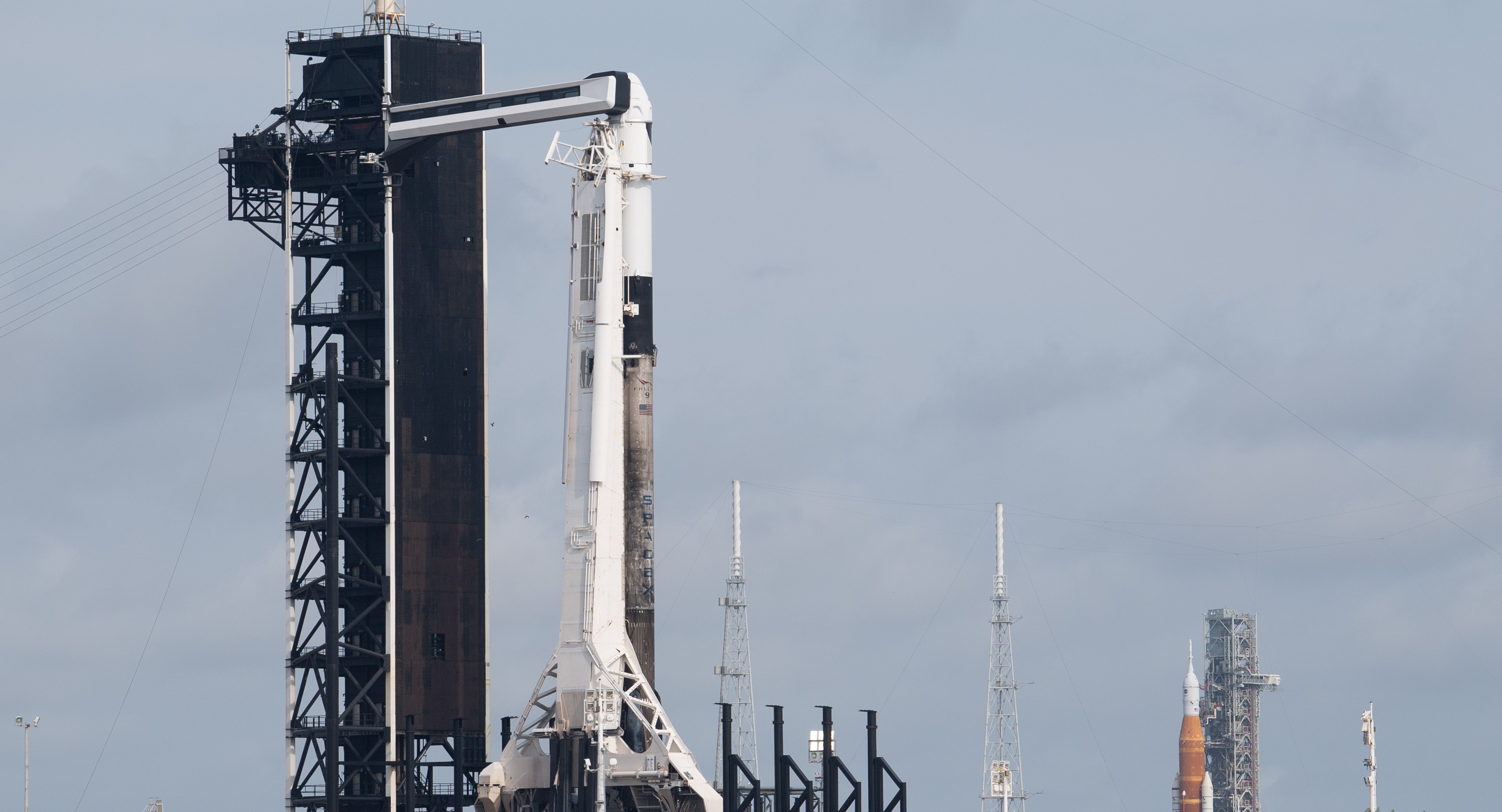
Discover lesser-known aspects of SpaceX's history, achievements, and innovations that have shaped the commercial space industry over the past two decades.

Key developments include political attention on SpaceX's ISS crew return and competition forecasts between SpaceX and ULA for national security missions.

FAA grounds SpaceX Starship V3 after the Flight 12 mishap, freezing the launch schedule. Plus a $2.29B Space Force contract and 10,397 working Starlinks.
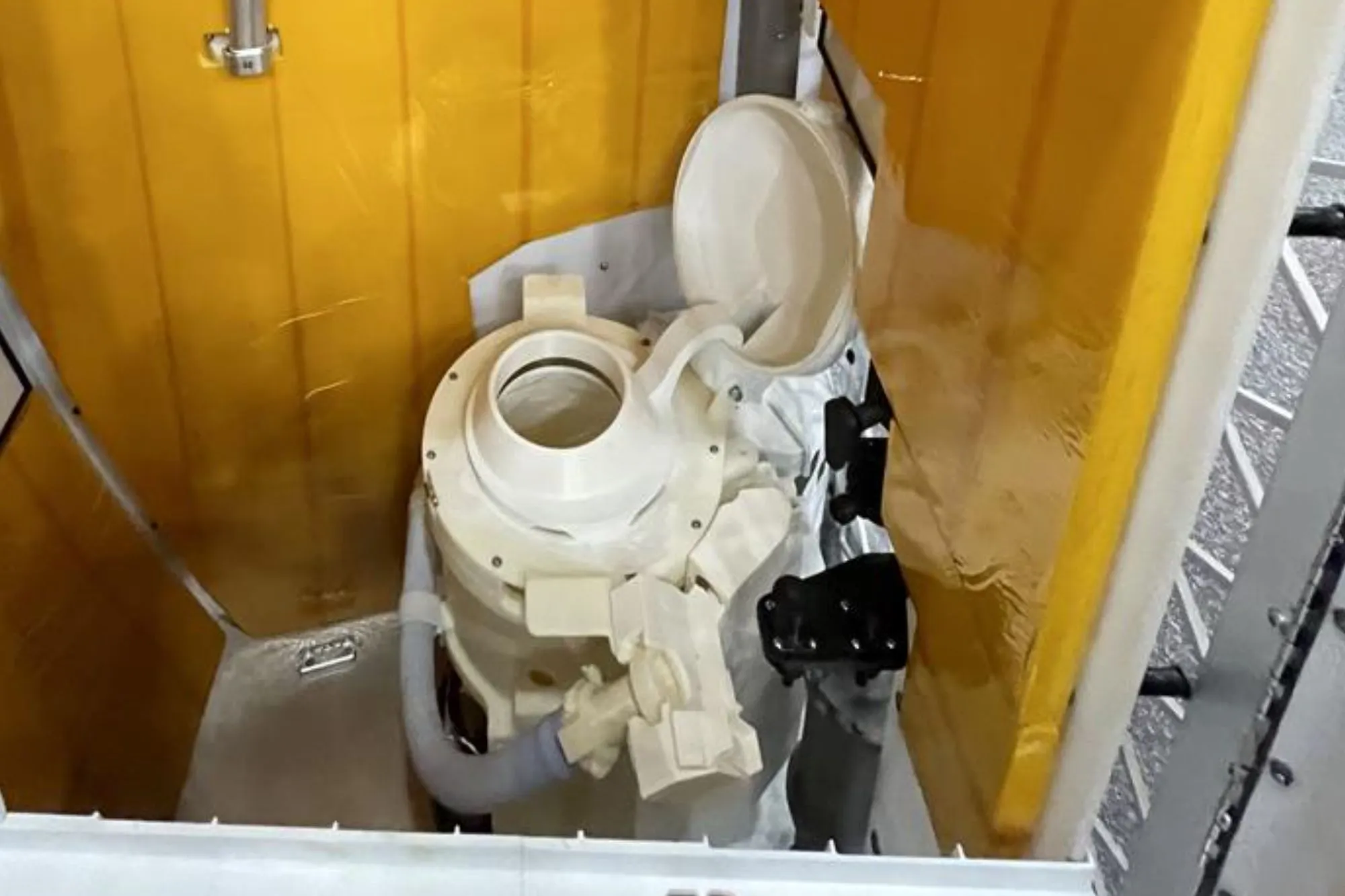
Sixty years of space toilet engineering, a decade of development, and a $30 million contract - and the Artemis II crew still had to pee in bags on Day 1.
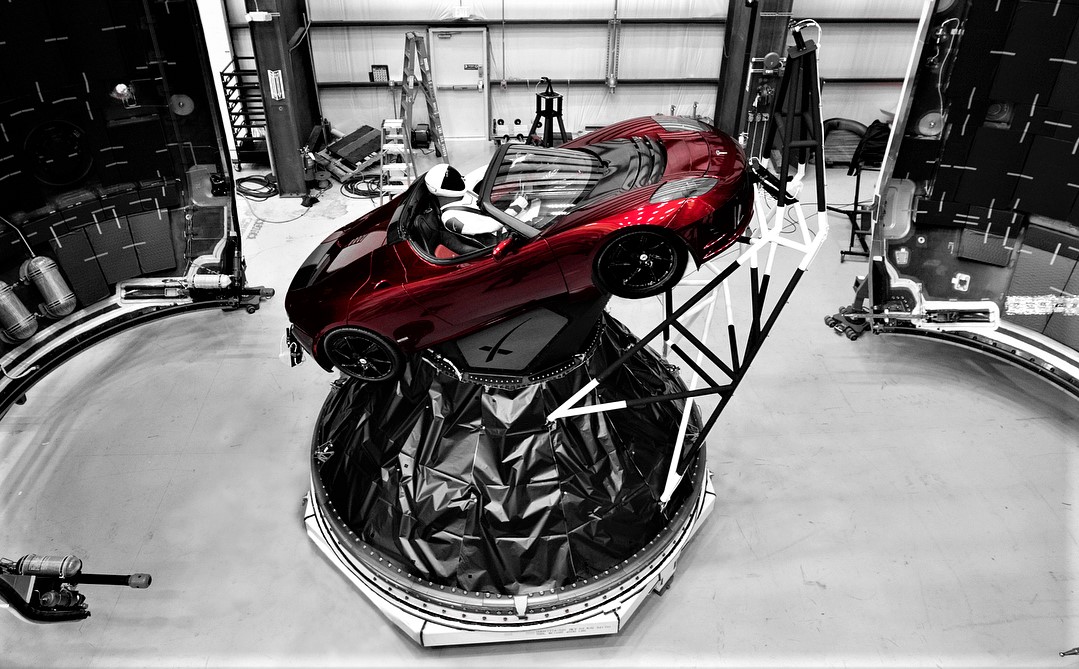
Seven years ago, SpaceX revolutionized spaceflight by launching the most powerful operational rocket in the world, carrying with it a cherry-red Tesla Roadster that captured global imagination

As Ukraine explores alternatives to SpaceX's Starlink, the potential adoption of Eutelsat OneWeb's satellite network raises critical questions about connectivity, resilience, and strategic autonomy.