

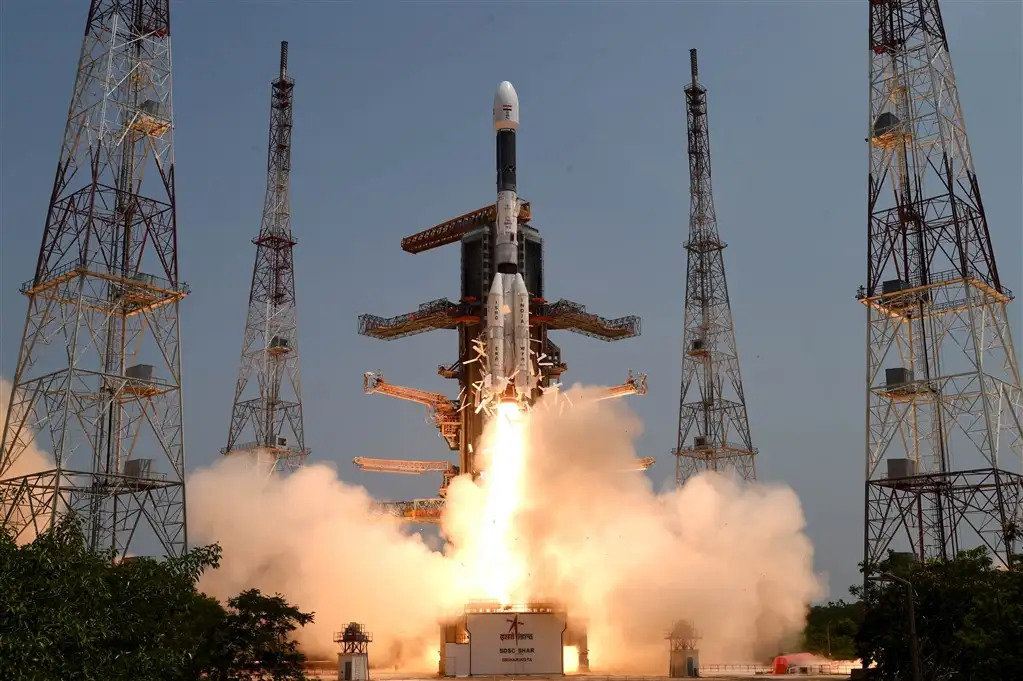
Space Brief 15 Jan 2025
Focus on Varda's second mission launch, new U.S. Defense Department tool for satellite anomaly investigation, and a detailed Satellite Spotlight on CELESTIS 21/Varisat 1C.


Launch Date
February 2, 2018
Launch Site
JSC
Launch Pad
LC603
Launch Vehicle
Chang Zheng 2D
NORAD ID
43195
International Designator
2018-015D
Decay Date
1/4/2024
Name
NUSAT-4 (ADA)
Alternative Name
Ada
Type
Status
Owner
URUGUS
Country
Uruguay
Constellation
N/A
Related Satellites
Major Events
N/A
Length
0.75
Diameter
0.4
Span
0.75
Dry Mass
37
Launch Mass
37
Shape
Box
Radar Cross Section
Unknown
Visual Magnitude
Unknown
Color
Unknown
Material Composition
Unknown
Payload
Nusat-4
Purpose
Earth observation
Mission
Earth observation
Manufacturer
URUGUS
Life Expectancy
3-4 years
Bus
Aleph
Configuration
Unknown
Motor
None
Equipment
Imaging payload (all), LUSEX U/V linear transponder payload (#1)
Power System
Solar cells, batteries
ADCS
Unknown
Transmitter Frequency
Unknown
Learn more about satellites and other related topics.
Focus on Varda's second mission launch, new U.S. Defense Department tool for satellite anomaly investigation, and a detailed Satellite Spotlight on CELESTIS 21/Varisat 1C.
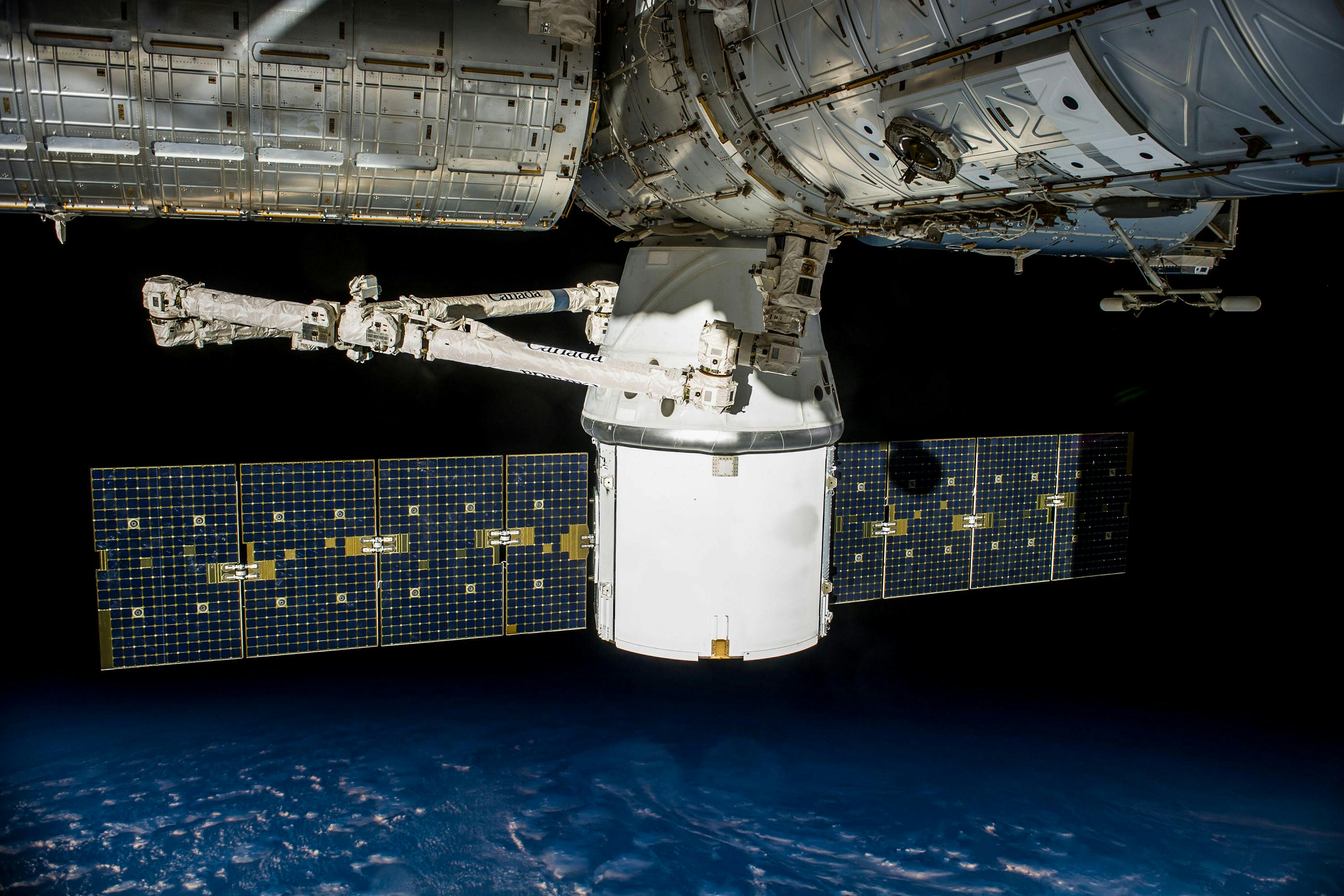
NASA considers opening the Artemis 3 lander to new bids as delays surface, while SpaceX gears up for multiple Falcon 9 launches this week and secures a redevelopment nod for SLC-6.
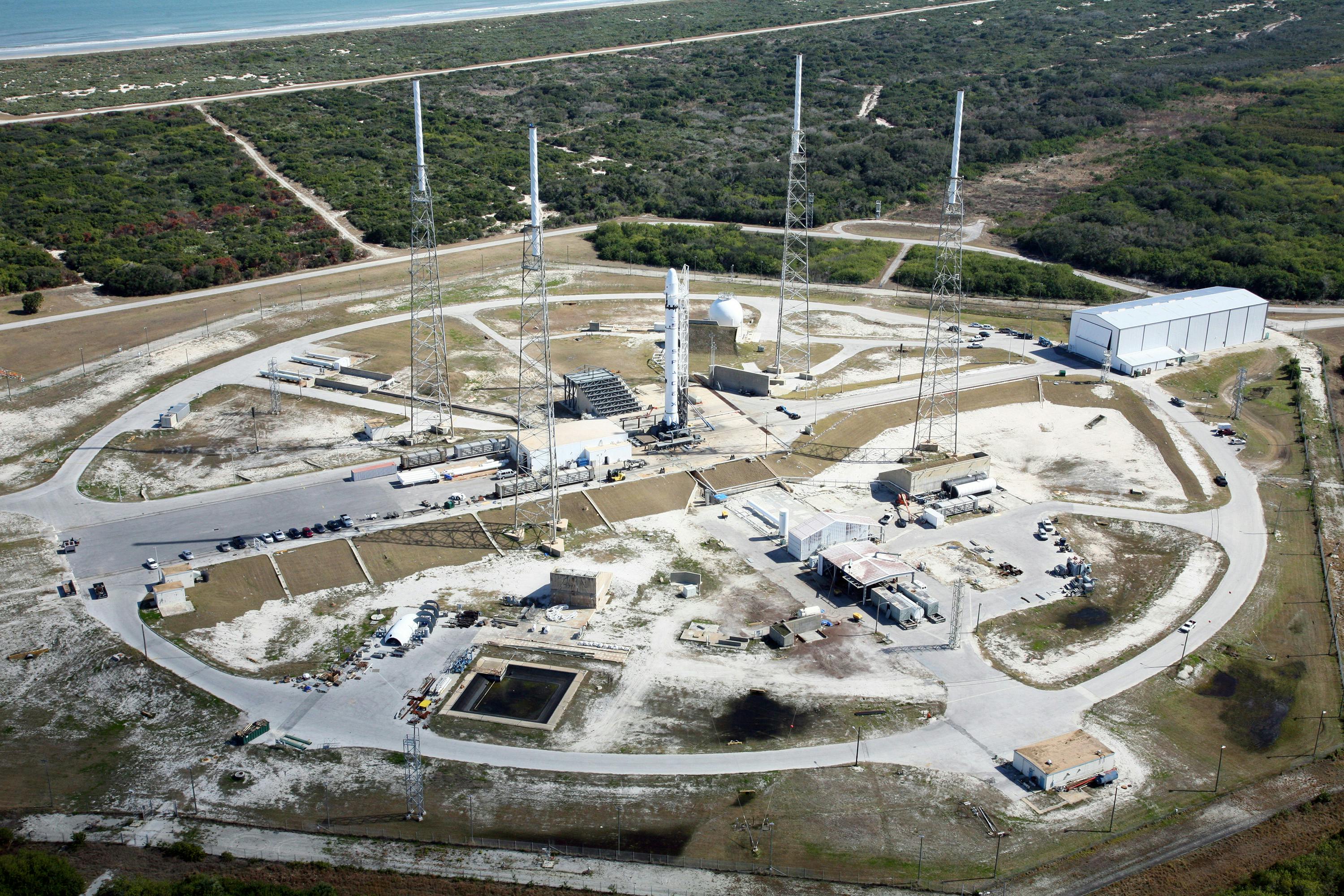
The FAA has approved an increase in Falcon 9 launches while reviewing the environmental impacts of Starship launches in Florida, amidst growing community concerns on noise and other issues related to the Starship program.
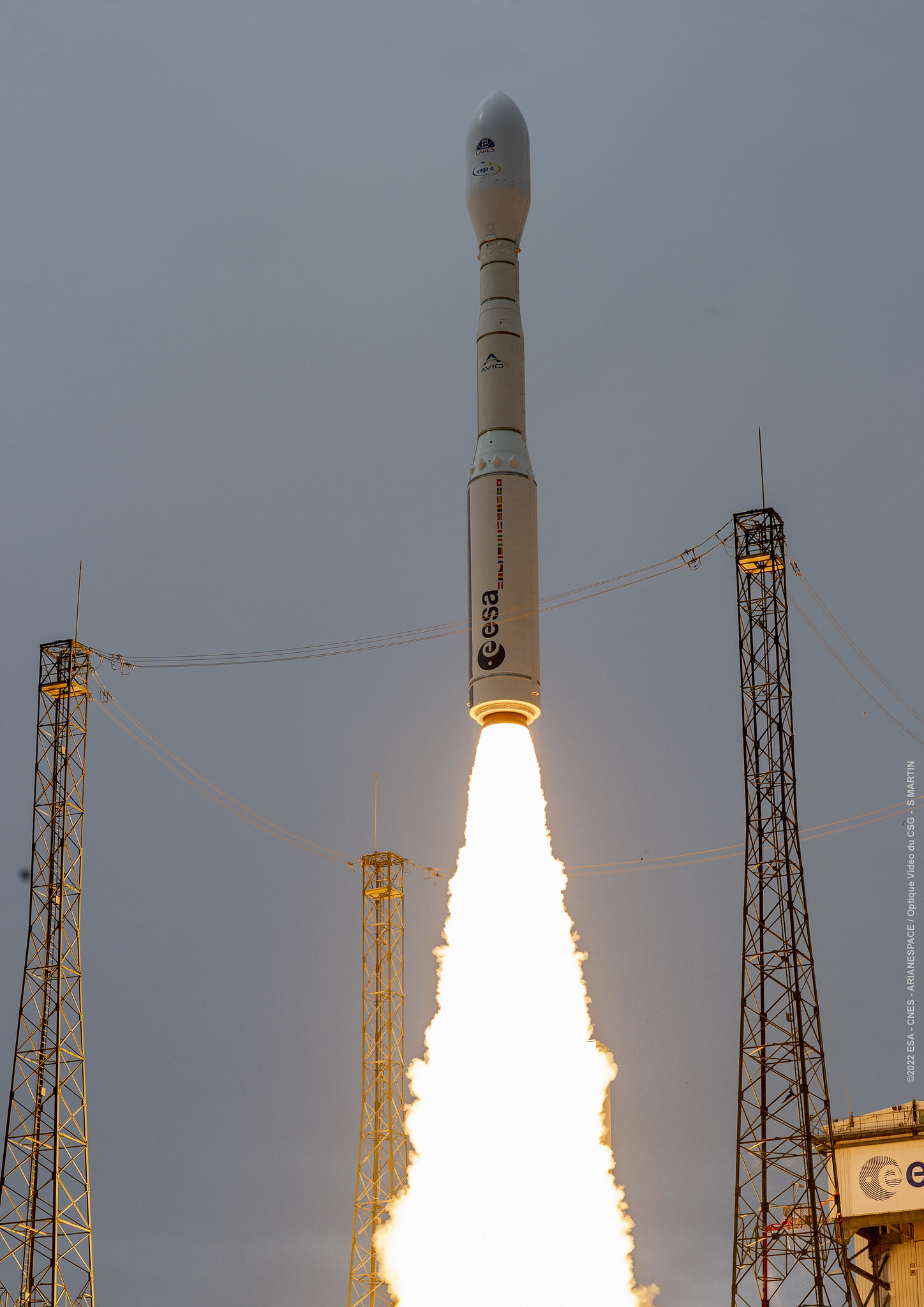
Highlights include significant advances in satellite refueling experiments, a key design milestone for missile defense, and a feature on the satellite Cosmos 2246.
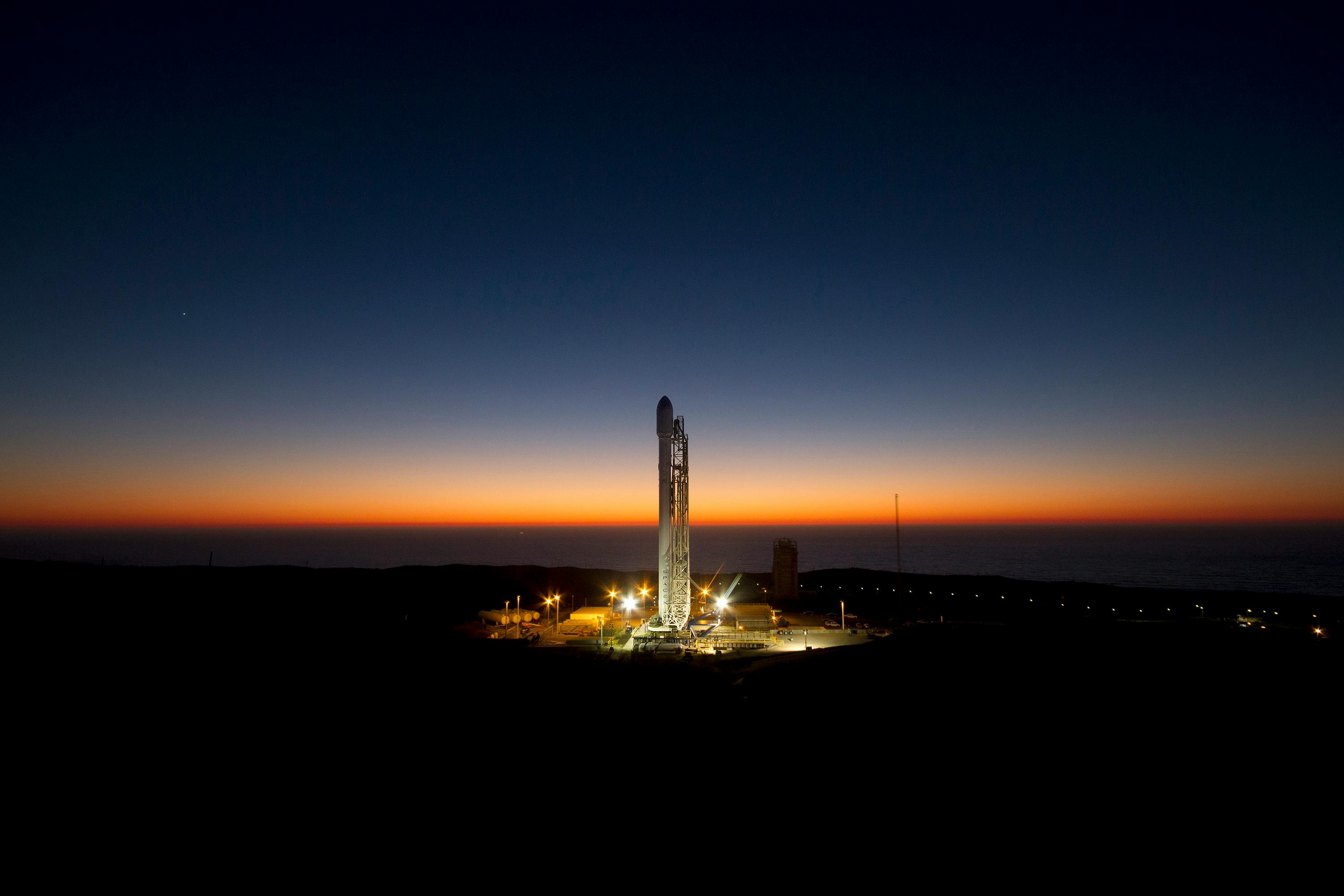
SpaceX successfully launches 21 Starlink satellites, marking their return post-Starship explosion. Starship's recent test flight leaves debris washing ashore, while Blue Origin's New Glenn debut sparks discussion.

Space Force procures second Otter spacecraft for satellite repositioning. Momentus and NASA sign Space Act Agreement for orbital servicing tests. Pentagon delays contractor review.

SpaceX scrubs Crew-10 launch due to hydraulics issue; successful Falcon 9 launch for NASA missions, and Texas supports SpaceX expansion.
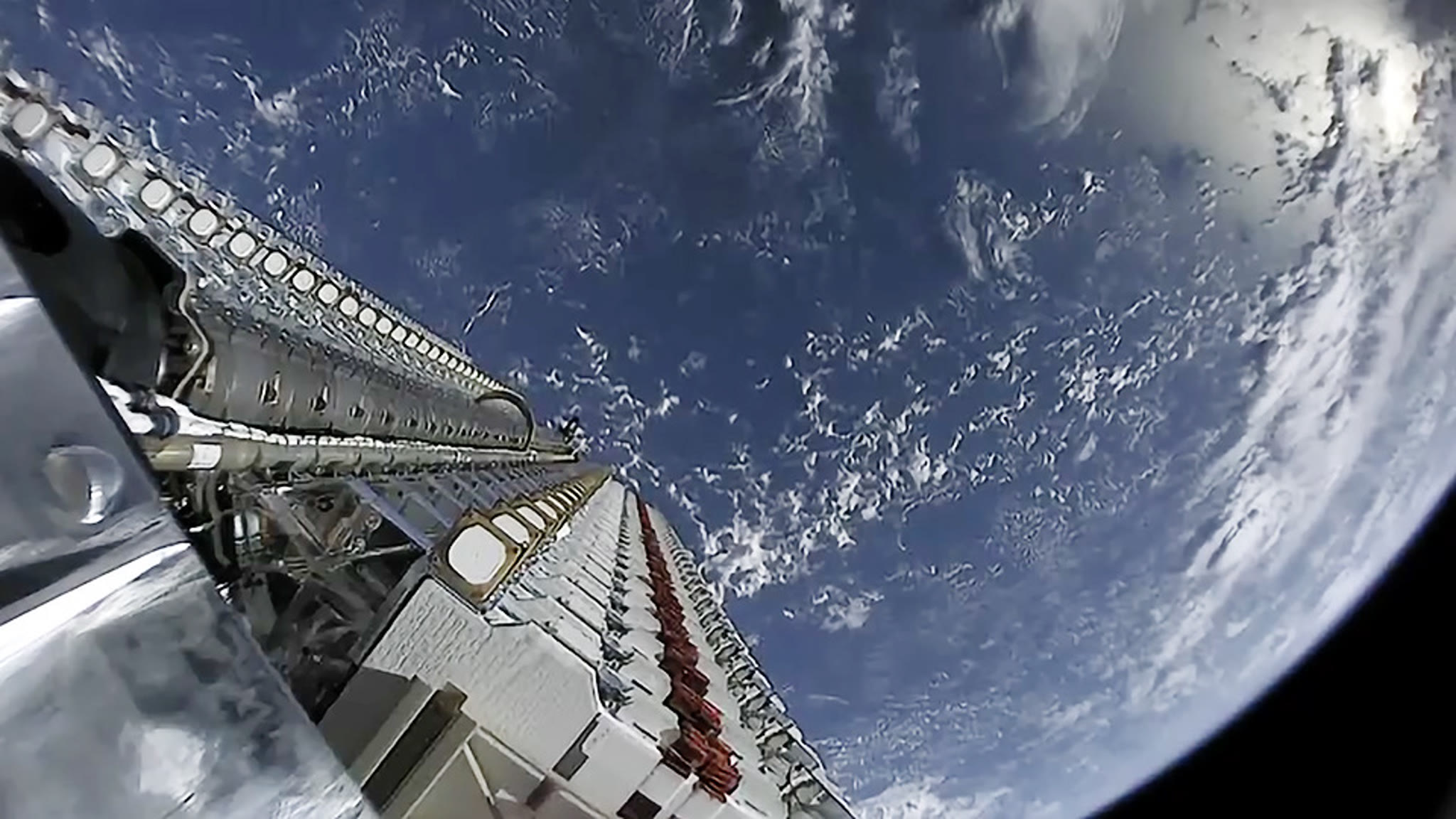
Starlink satellites fired their thrusters to dodge a collision roughly 300,000 times in 2025, about 822 times a day. Behind that number is a fragile, half-automated system of warnings, probabilities, and judgment calls that decides which close approaches are worth a maneuver and which are just noise.