LEMUR-2-THENICKMOLO (43185)

COSPAR: 2018-014F | Alt Name: Lemur-2-TheNickMolo
DECAYED

Image
LEMUR-2-THENICKMOLO Satellite Image
Additional Sources
Launch Details

Launch Date

February 1, 2018

Launch Site

VOSTO

Launch Pad

PU1S

Launch Vehicle

Soyuz-2-1A

Orbital Elements

NORAD ID

43185

International Designator

2018-014F

Decay Date

9/27/2025

Basic Satellite Info

Name

LEMUR-2-THENICKMOLO

Alternative Name

Lemur-2-TheNickMolo

Type

Payload

Status

Decayed

Owner

SPIRE

Country

United States

Constellation

N/A

Related Satellites

Major Events

N/A

Summary
LEMUR-2-THENICKMOLO, also known as Lemur-2-TheNickMolo, is a CubeSat (3U) satellite manufactured by SPIREG and owned by Spire. It was launched on February 1, 2018, from the VOSTO site using a Soyuz-2-1A launch vehicle from pad PU1S. The satellite has dimensions of 0.3 meters in length and span, with a diameter of 0.1 meters, and it weighs 4.6 kilograms both at launch and dry mass. Equipped with solar cells and batteries for power, its equipment includes STRATOS (GPS radio occultation payload), SENSE (AIS-receiver), and AirSafe (ASD-B payload). The satellite has a box shape with two panels.
Physical Characteristics

Length

0.3

Diameter

0.1

Span

0.3

Dry Mass

4.6

Launch Mass

4.6

Shape

Box+2 pan

Radar Cross Section

Unknown

Visual Magnitude

Unknown

Color

Unknown

Material Composition

Unknown

Technical Details

Payload

Lemur FM78

Purpose

Unknown

Mission

Unknown

Manufacturer

SPIREG

Life Expectancy

Unknown

Bus

Cubesat 3U

Configuration

CubeSat (3U)

Motor

None

Equipment

STRATOS (GPS radio occultation payload), SENSE (AIS-receiver), AirSafe (ASD-B payload, #78 and later)

Power System

Solar cells, batteries

ADCS

Unknown

Transmitter Frequency

Unknown

Satellite Articles

View All Posts »

Learn more about satellites and other related topics.

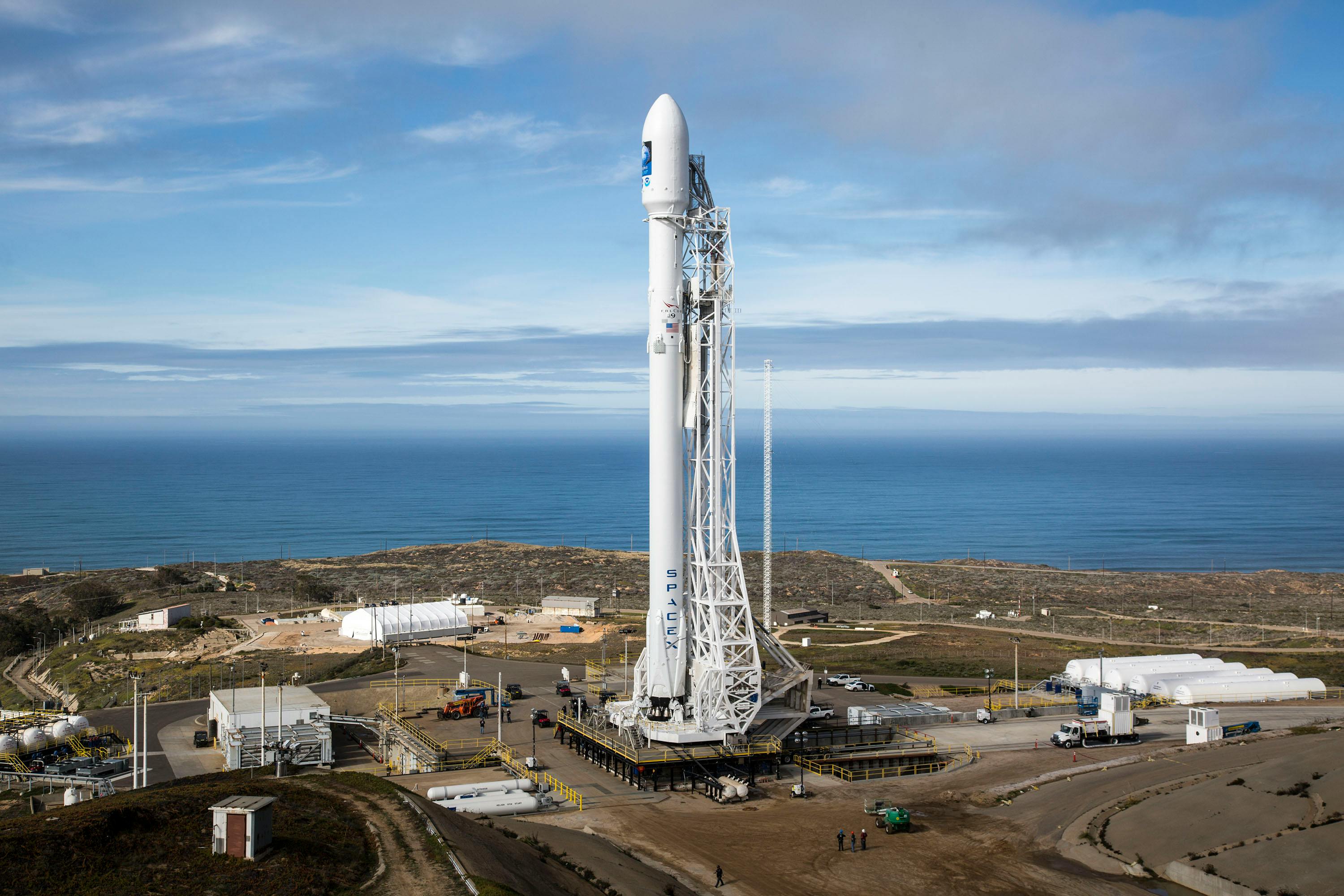
SpaceX Preps First February Starlink Launch, Orbital Data Centers Gain Traction | KeepTrack X Report

SpaceX Preps First February Starlink Launch, Orbital Data Centers Gain Traction | KeepTrack X Report

SpaceX readies Starlink 17-32 launch of 25 satellites from Vandenberg. Orbital data center economics draw attention from Musk and Bezos. 9,614 Starlink sats on orbit.

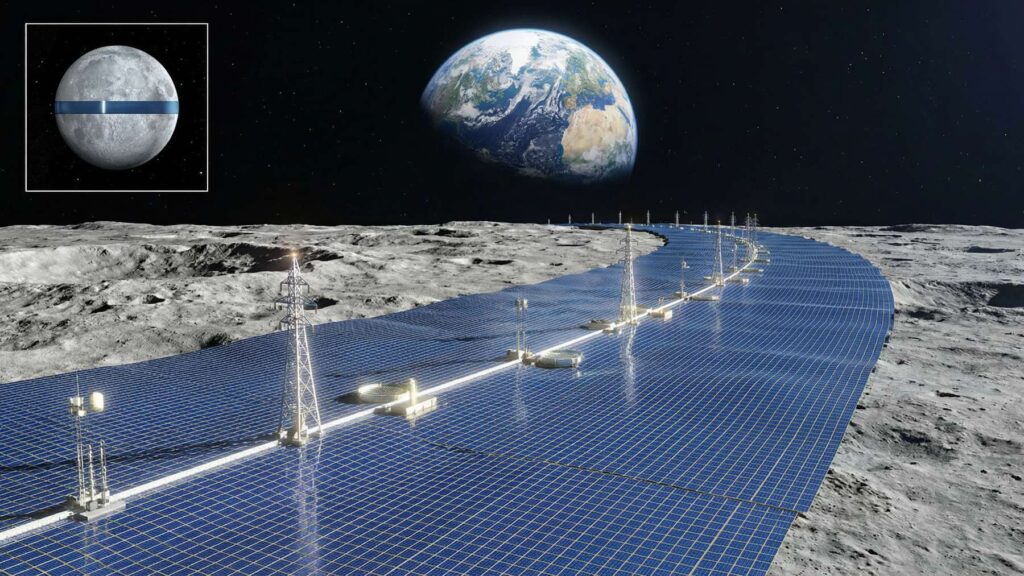
Shimizu's Luna Ring - The Plan to Wrap the Moon in Solar Panels

Shimizu's Luna Ring - The Plan to Wrap the Moon in Solar Panels

A 220-year-old Japanese construction company wants to build an 11,000-kilometer belt of solar cells around the lunar equator and beam the power back to Earth. The physics checks out. Everything else is another story.

X Report 17 Mar 2025

X Report 17 Mar 2025

SpaceX's Crew-10 mission safely docks with the ISS, setting up for a crew rotation. Starlink continues its global expansion with additional satellite deployments.

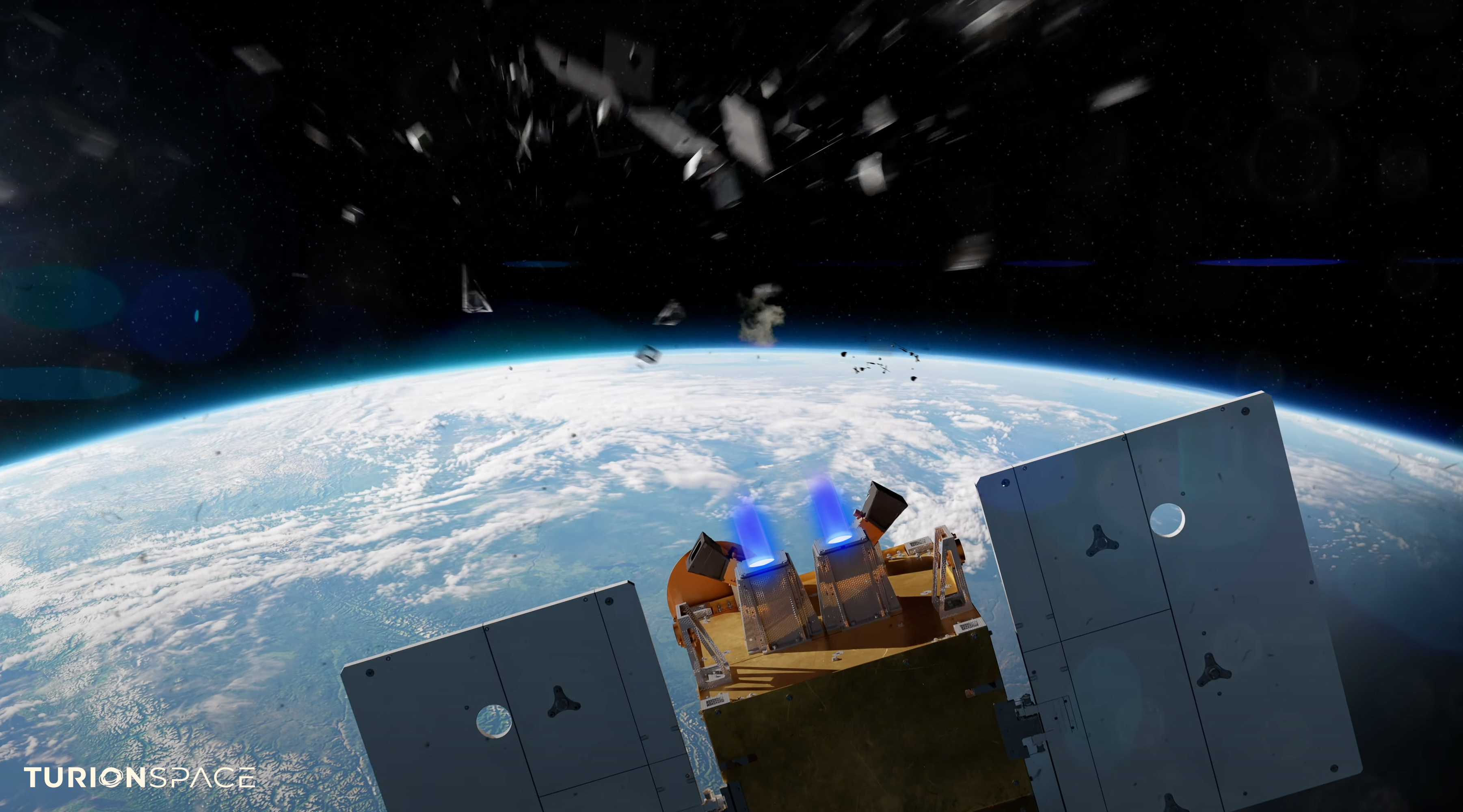
DROID.002 - Turion Space's Eyes on the Orbital Junkyard

DROID.002 - Turion Space's Eyes on the Orbital Junkyard

A 90-kilogram spacecraft with iodine thrusters and two Australian-built cameras is quietly building the case that tracking space debris is a business worth billions - and that a four-year-old startup from Irvine can own it.

X Report 6 May 2025

X Report 6 May 2025

SpaceX prepares for its 250th mission from SLC-40, while Starlink experiences a surge during a crisis in Spain and Portugal. Additionally, SpaceX celebrates the official designation of Starbase City, aiming to boost launch capabilities.

Hypersonica Missile Hits Mach 6 in Norway Flight Test | KeepTrack Space Brief

Hypersonica Missile Hits Mach 6 in Norway Flight Test | KeepTrack Space Brief

Hypersonica completes Mach 6+ hypersonic missile flight test in Norway covering 300+ km. Pentagon seeks commercial GEO spy satellites. Gilat wins $9M Israeli defense satcom deal.

Musk Confirms Starmind AI Constellation, X Report 24 Jun 2026

Musk Confirms Starmind AI Constellation, X Report 24 Jun 2026

Musk confirms Starmind, an AI satellite constellation targeting 1 million orbital compute nodes. Starfall's debut and Dragon's ISS departure follow.

The Day a Jupiter-Bound Spacecraft Traveled Past Venus

The Day a Jupiter-Bound Spacecraft Traveled Past Venus

Thirty-five years ago, NASA's Galileo spacecraft made a crucial flyby of Venus, pioneering a complex path through the inner solar system that would revolutionize planetary exploration