XIAOXIANG-2 (43155)

COSPAR: 2018-008A | Alt Name: Hunan xiangjian xinqu hao
DECAYED

Image
XIAOXIANG-2 Satellite Image
Additional Sources
Launch Details

Launch Date

January 19, 2018

Launch Site

JSC

Launch Pad

LC43/95

Launch Vehicle

Chang Zheng 11

Orbital Elements

NORAD ID

43155

International Designator

2018-008A

Decay Date

8/22/2024

Basic Satellite Info

Name

XIAOXIANG-2

Alternative Name

Hunan xiangjian xinqu hao

Type

Payload

Status

Decayed

Owner

CTYK

Country

China

Constellation

N/A

Related Satellites

Major Events

N/A

Summary
XIAOXIANG-2 (also known as Hunan xiangjian xinqu hao) is a 6U CubeSat technology satellite launched on January 19, 2018, from Jiuquan Satellite Launch Center's LC43/95 launch pad aboard the Chang Zheng 11 launch vehicle. The spacecraft measures 0.3 meters in length and diameter, with a span of 0.3 meters and has a dry mass of 8 kilograms. It is equipped with a stabilized camera system for technology demonstration purposes. Power is provided by two deployable fixed solar arrays and batteries. Manufactured by CTYK (China Tianyuan Satellite Technology Co., Ltd.), the satellite's mission is focused on technology development, with no specific lifetime indicated.
Physical Characteristics

Length

0.3

Diameter

0.2

Span

0.3

Dry Mass

8

Launch Mass

8

Shape

Box

Radar Cross Section

Unknown

Visual Magnitude

Unknown

Color

Unknown

Material Composition

Unknown

Technical Details

Payload

Tianyi-2

Purpose

Technology

Mission

Technology

Manufacturer

CTYK

Life Expectancy

Unknown

Bus

Cubesat 6U

Configuration

CubeSat (6U)

Motor

Unknown

Equipment

Stabilized camera system

Power System

2 deployable fixed solar arrays, batteries

ADCS

Unknown

Transmitter Frequency

Unknown

Satellite Articles

View All Posts »

Learn more about satellites and other related topics.

X Report 5 Dec 2025

X Report 5 Dec 2025

SpaceX made significant strides with the launch of 28 Starlink satellites while navigating regulatory challenges regarding rural broadband funding. Additionally, developments on the Crew Dragon mission continue to evolve with a change in cosmonaut assignment.

Space Brief 3 Oct 2025

Space Brief 3 Oct 2025

Today's Space Brief delves into military satellite advancements and significant contract awards for space platforms, alongside pivotal European missile warning systems.

X Report 9 Jun 2025

X Report 9 Jun 2025

Tensions between SpaceX and the U.S. government escalate as President Trump's threats could have significant implications on the company's operations and future plans. Meanwhile, India takes a significant step in its space endeavors with a historic astronaut launch.

Falling Space Debris Risk to Aircraft Grows, North Korea Tests Hypersonic Missiles | KeepTrack Space Brief

Falling Space Debris Risk to Aircraft Grows, North Korea Tests Hypersonic Missiles | KeepTrack Space Brief

Experts warn falling space debris risk to aircraft is increasing. North Korea tests advanced hypersonic missiles. Space Force seeks launch providers for Cape Canaveral and Vandenberg pads.

X Report 20 Nov 2024

X Report 20 Nov 2024

SpaceX conducts another Starship test flight, with high-profile audience; SEOPS secures Falcon 9 for rideshare mission; Ontario partners with Starlink for rural connectivity.

Space Brief 11 Jun 2025

Space Brief 11 Jun 2025

Today's Space Brief covers a major partnership in space tech distribution, China's orbital refueling preparations under U.S. scrutiny, recent U.S. defense budget reveals, and an exciting hyperspectral imagery release from Xplore.

Space Brief 28 Nov 2025

Space Brief 28 Nov 2025

Discover the latest on China's Zhuque-3 launch, ISS crew updates, ESA's budget dealings, a strategic super-resolution partnership, and ACME Space's innovative plans.

The Day the Dyna-Soar Dream Died

The Day the Dyna-Soar Dream Died

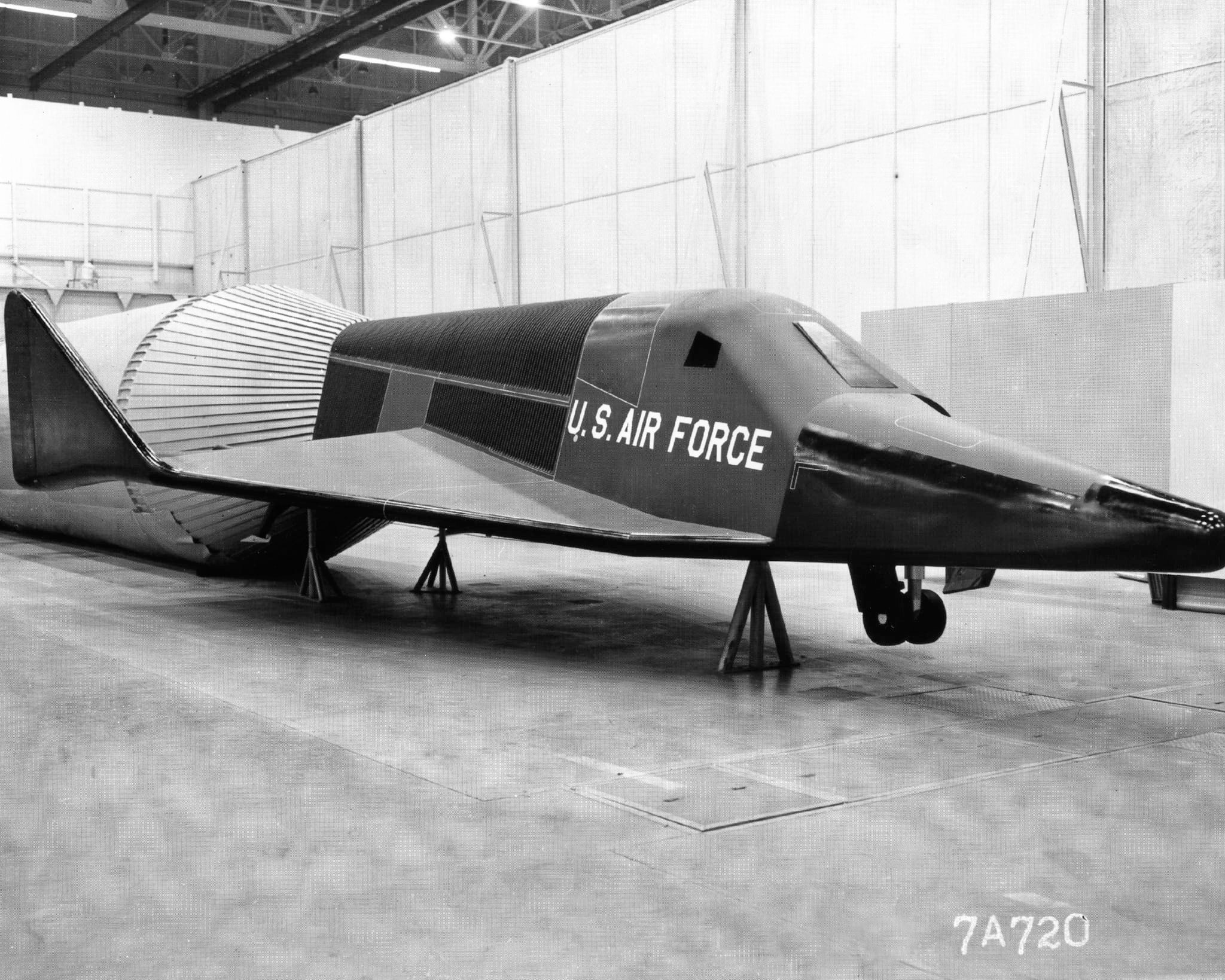
Exactly 62 years ago, Defense Secretary Robert McNamara ended the X-20 Dyna-Soar program, canceling one of the most ambitious spaceplane projects of the early Space Race - a vehicle that could have put aircraft in orbit decades before the Space Shuttle.