


X Report 29 Mar 2025
Starlink gains ground in geopolitical shifts, while SpaceX makes progress on next-gen facilities and prepares for Crew-11 mission to ISS.


Launch Date
January 12, 2018
Launch Site
SRILR
Launch Pad
FLP
Launch Vehicle
PSLV-XL
NORAD ID
43129
International Designator
2018-004U
Decay Date
1/17/2019
Name
PSLV R/B
Alternative Name
PSLV-C40 PS4
Type
Status
Owner
ISRO
Country
India
Constellation
N/A
Related Satellites
Major Events
N/A
Length
2.7
Diameter
2.1
Span
2.7
Dry Mass
920
Launch Mass
920
Shape
Cyl + Cyl
Radar Cross Section
Unknown
Visual Magnitude
Unknown
Color
Unknown
Material Composition
Unknown
Payload
PSLV-C40 PS4
Purpose
Unknown
Mission
Unknown
Manufacturer
LPSC
Life Expectancy
Unknown
Bus
PS-4
Configuration
Unknown
Motor
Unknown
Equipment
Unknown
Power System
Unknown
ADCS
Unknown
Transmitter Frequency
Unknown
Learn more about satellites and other related topics.
Starlink gains ground in geopolitical shifts, while SpaceX makes progress on next-gen facilities and prepares for Crew-11 mission to ISS.
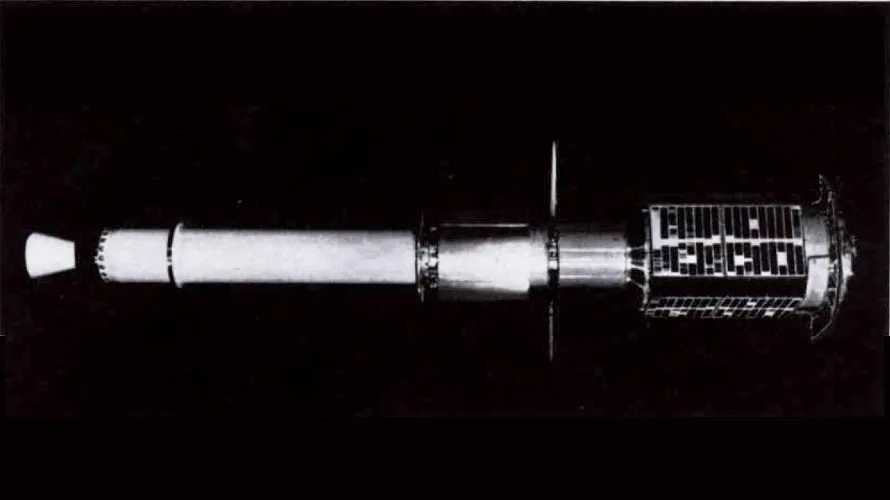
On April 27, 1961, a Scout rocket lifted a 37-kilogram NASA satellite into orbit from Wallops Island carrying the first serious instrument for detecting cosmic gamma rays. Explorer 11 operated for seven months before its tape recorder failed. In that time it registered 22 gamma-ray photons - a pitiful number by modern standards, but enough to launch an entire branch of astronomy.
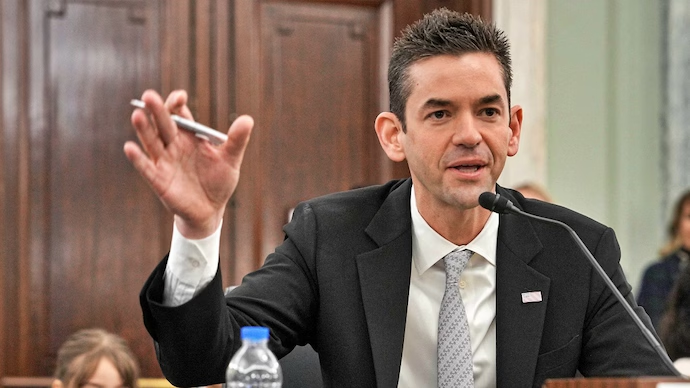
The White House wants to cut NASA's science budget nearly in half for the second year running. Administrator Jared Isaacman says it's enough. Congress already rejected this exact idea once.
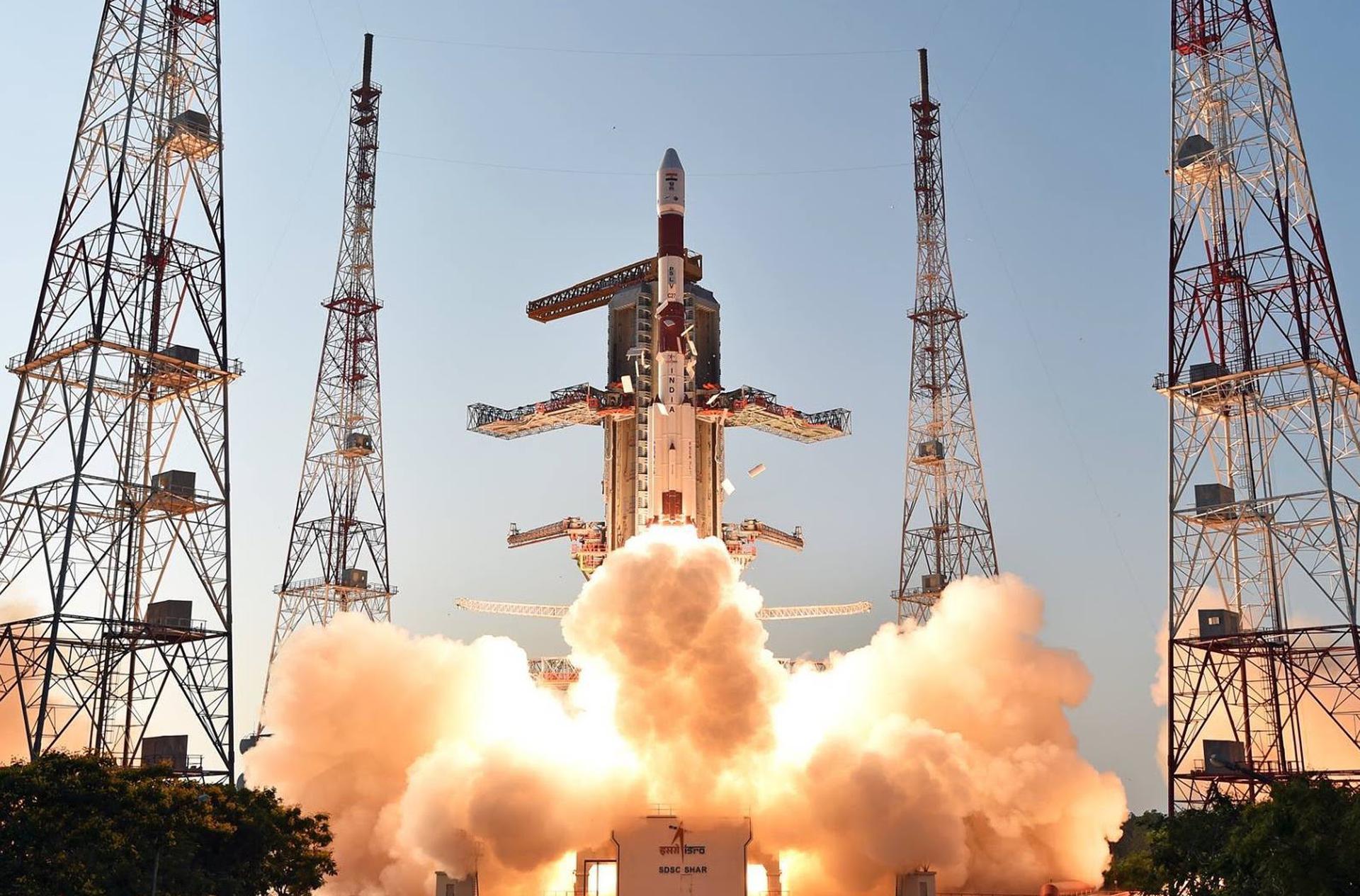
Today's highlights include China's latest satellite launches, Blue Origin's expansion plans, and Purdue University's groundbreaking suborbital mission with Virgin Galactic.

SpaceX bids farewell to LZ-1 while continuing its mission towards advancements in satellite technology and the ongoing Starlink project.
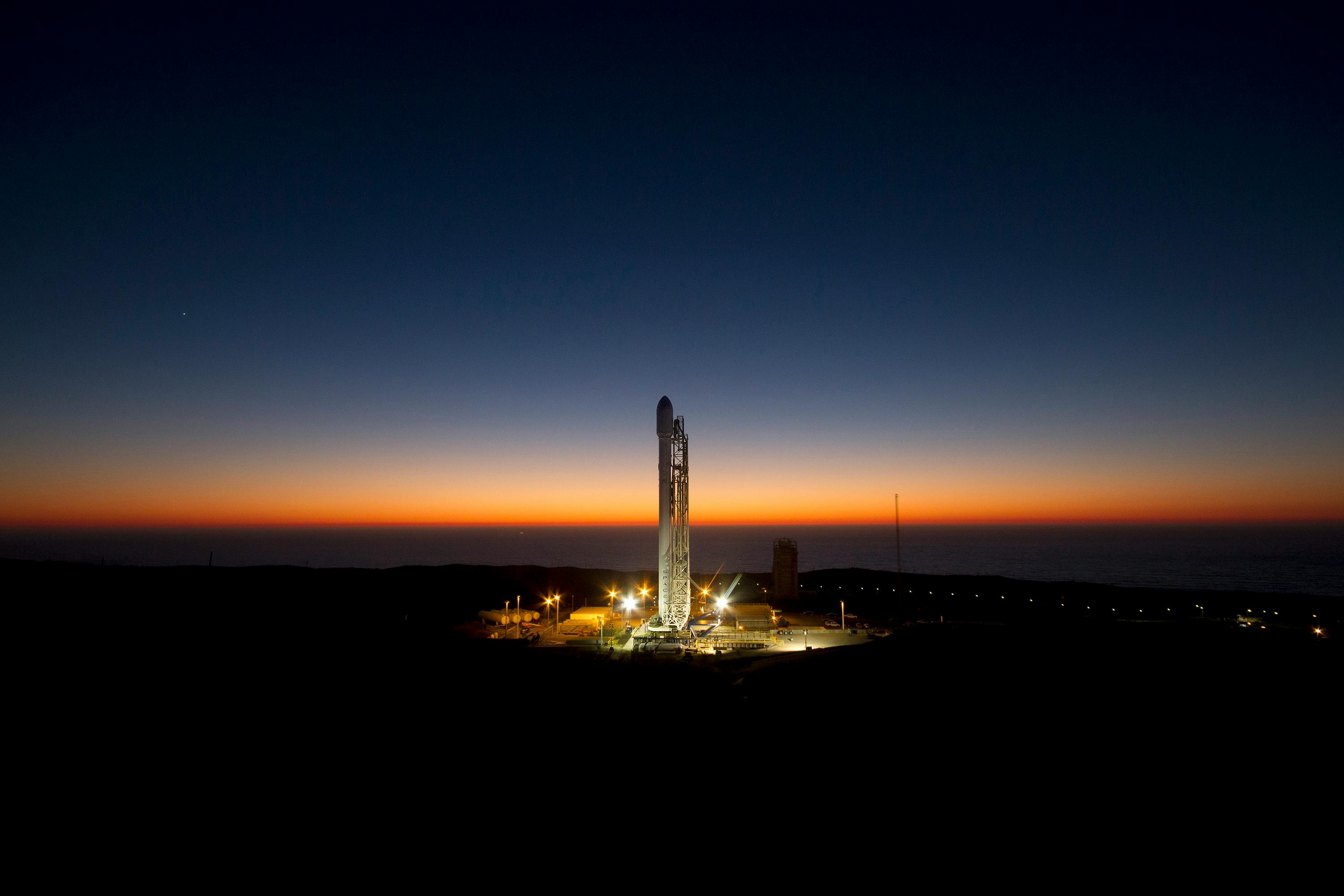
SpaceX addresses the cause of its recent Starship Flight 8 explosion, while successfully launching 23 more Starlink satellites as it continues to expand its constellation.
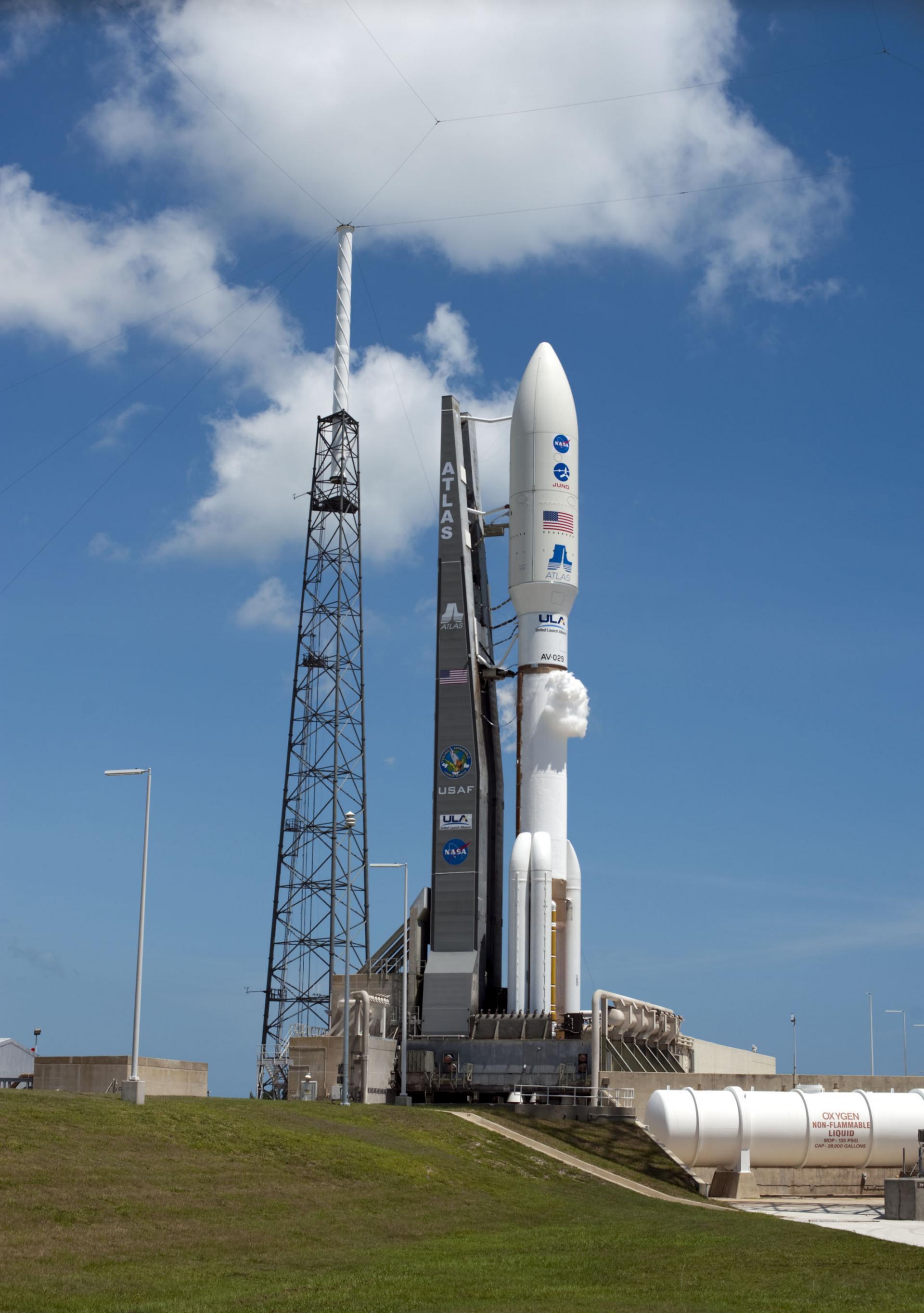
Highlights include China's recent satellite launch, advancements in nuclear propulsion, non-kinetic tech developments for maritime defense, SpaceX's direct-to-device spectrum tests, and maneuvering satellites for Space Force missions.
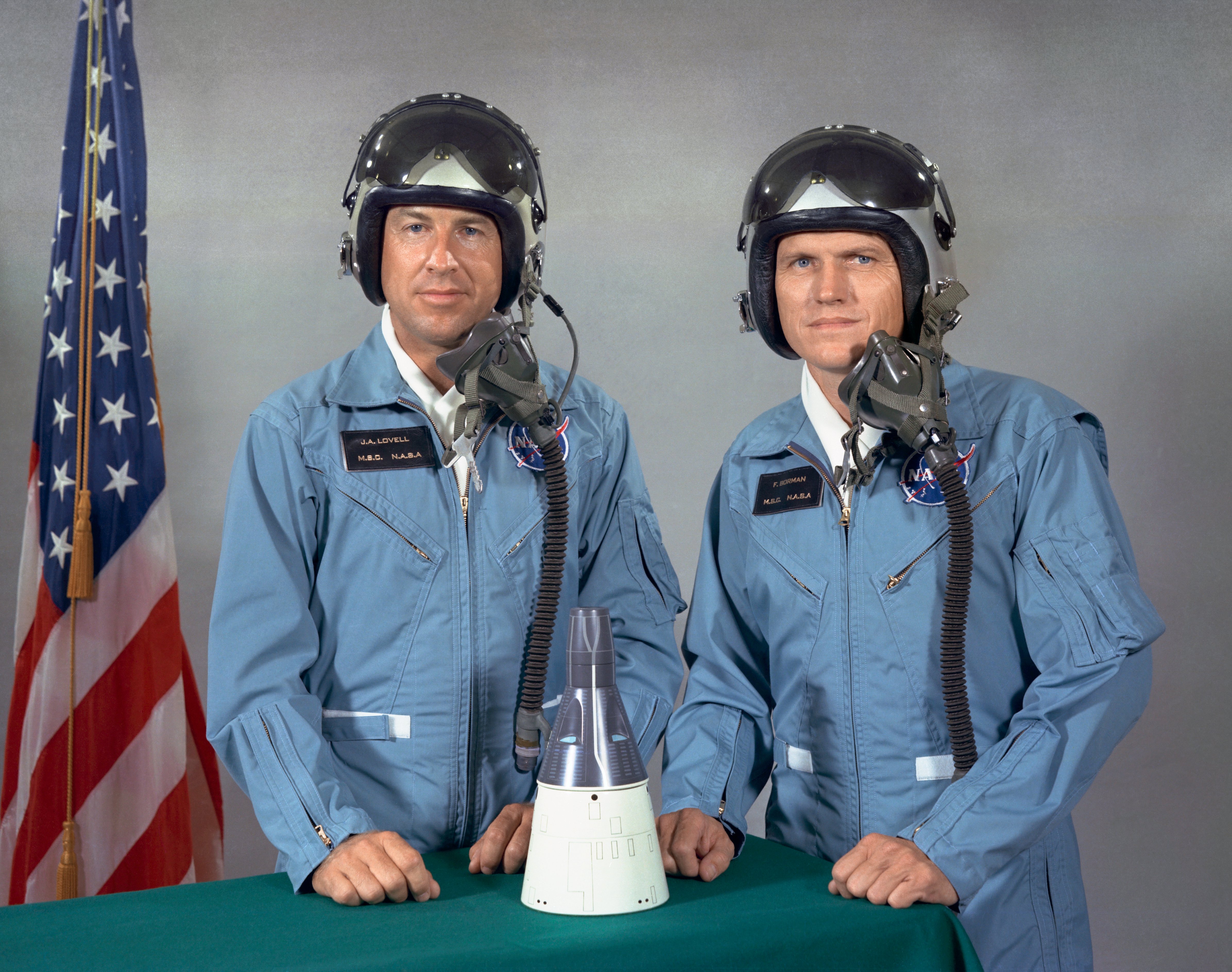
Sixty years ago, Frank Borman and James Lovell launched aboard Gemini 7 for a grueling 14-day mission that would prove humans could endure the journey to the moon and achieve the first true rendezvous in space