DRAGON CRS-13 (43060)

COSPAR: 2017-080A | Alt Name: Dragon CRS-13
DECAYED

Image
DRAGON CRS-13 Satellite Image
Additional Sources
Launch Details

Launch Date

December 15, 2017

Launch Pad

LC40

Launch Vehicle

Falcon 9

Orbital Elements

NORAD ID

43060

International Designator

2017-080A

Decay Date

1/13/2018

Basic Satellite Info

Name

DRAGON CRS-13

Alternative Name

Dragon CRS-13

Type

Payload

Status

Decayed

Owner

SPX

Country

United States

Constellation

N/A

Related Satellites

Major Events

N/A

Summary
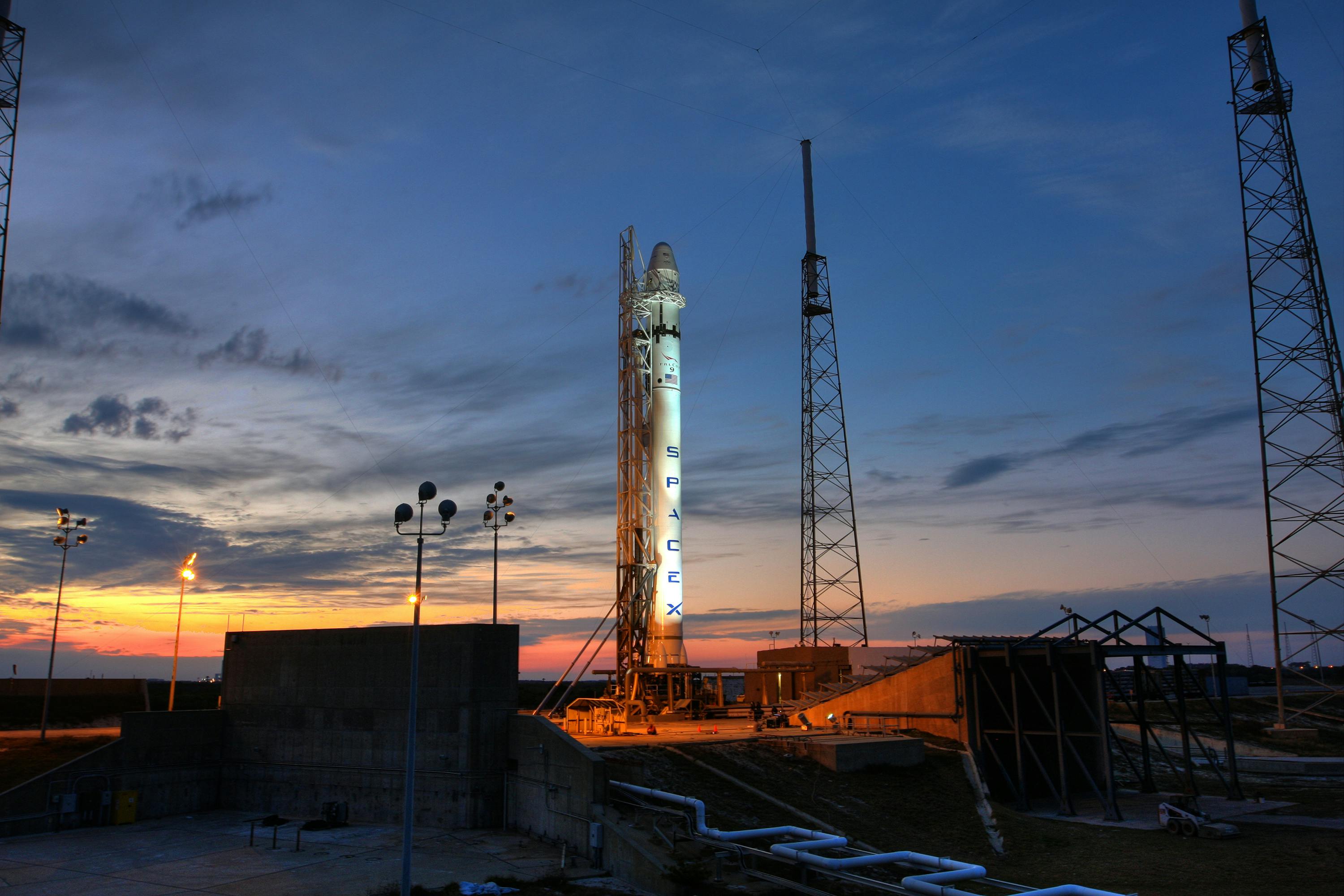
DRAGON CRS-13, also known as Dragon CRS-13, is a spacecraft operated by SPX (SpaceX) and was launched on December 15, 2017, from Cape Canaveral Air Force Station’s Launch Complex 40 using the Falcon 9 launch vehicle. The satellite is configured for supply and return missions to space stations. It measures 5.3 meters in length with a diameter of 3.7 meters and has a span of 16.5 meters, indicating its solar arrays are likely deployed. Its dry mass is 4690 kg, while it had a launch mass of 5690 kg. The spacecraft’s propulsion system consists of 18 Draco thrusters and it uses two deployable solar arrays along with batteries for power generation. DRAGON CRS-13 was launched on the same date as its stable date, suggesting immediate operational status post-launch.
Physical Characteristics

Length

5.3

Diameter

3.7

Span

16.5

Dry Mass

4690

Launch Mass

5690

Shape

Frust + Cyl + 2 pan

Radar Cross Section

Unknown

Visual Magnitude

Unknown

Color

Unknown

Material Composition

Unknown

Technical Details

Payload

Dragon C108

Purpose

Supply and return

Mission

Supply and return

Manufacturer

SPX

Life Expectancy

Unknown

Bus

Dragon CM

Configuration

Unknown

Motor

18 Draco thrusters

Equipment

Unknown

Power System

2 deployable solar arrays, batteries

ADCS

Unknown

Transmitter Frequency

Unknown

Satellite Articles

View All Posts »

Learn more about satellites and other related topics.

GAO Warns Space Force Satellite Costs Rising, Workforce Cuts Add Risk | KeepTrack Space Brief

GAO Warns Space Force Satellite Costs Rising, Workforce Cuts Add Risk | KeepTrack Space Brief

GAO flags growing cost problems across Space Force satellite portfolio with workforce reductions compounding risks to missile-warning constellations like NGG and SWAT.

STARLINK-4621 Faces Critical Conjunction as Eight Satellites Reenter | KeepTrack X Report

STARLINK-4621 Faces Critical Conjunction as Eight Satellites Reenter | KeepTrack X Report

A HIGH-risk conjunction between STARLINK-4621 and the defunct SL-18 rocket body leads the July 11 safety picture, with eight Starlink satellites set to reenter through July 14.

Space Brief 18 Jan 2025

Space Brief 18 Jan 2025

In today's brief: high-profile personnel changes in the Space Force, the inclusion of Space Force in historical political events, and strategic shifts in defense highlighted with a focus on satellite applications.

X Report 9 Nov 2024

X Report 9 Nov 2024

SpaceX successfully launches a new batch of Starlink satellites, while Viasat seeks LEO capacity amid rising competition.

Space Brief 3 Sep 2024

Space Brief 3 Sep 2024

Today's brief covers China's Yaogan-43 satellite launch, delays in ESA's BepiColombo mission, regulatory approval for OHB's KKR deal, and an upcoming Sentinel-2C launch.

Space Brief 6 Nov 2024

Space Brief 6 Nov 2024

Discover the latest in satellite technology with the launch of the world's first wooden satellite, new test materials for the ISS, and significant developments in orbital space debris.

Falcon Heavy Returns | A Six-Ton Bet on Geostationary Broadband

Falcon Heavy Returns | A Six-Ton Bet on Geostationary Broadband

Falcon Heavy flew for the first time in eighteen months on April 29, 2026, expending its center core to push Viasat's final ViaSat-3 satellite toward geostationary orbit. The mission is a flagship rocket doing what only it can still do, for an operator betting six tons of high-throughput hardware on a market Starlink is rapidly redefining.

X Report 26 Dec 2024

X Report 26 Dec 2024

Launch of 21 new Starlink satellites, featuring cell phone connectivity, and updates on NASA and SpaceX collaborative missions.