TECHEDSAT 6 (43026)

COSPAR: 1998-067NK | Alt Name: TechEdSat-6
DECAYED

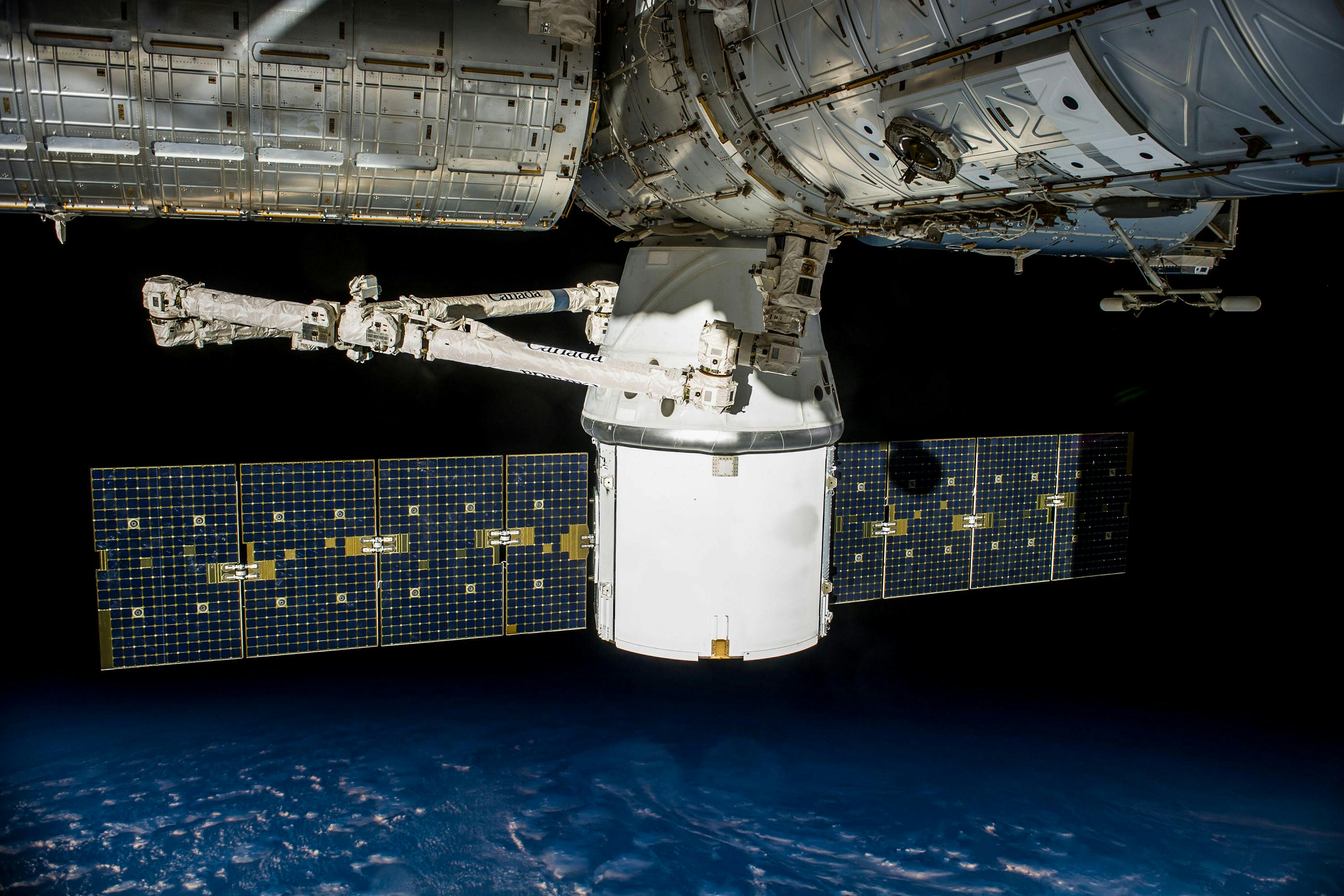
Image
TECHEDSAT 6 Satellite Image
Additional Sources
Launch Details

Launch Date

November 20, 1998

Launch Pad

Pad 0A

Launch Vehicle

Antares 230

Orbital Elements

NORAD ID

43026

International Designator

1998-067NK

Decay Date

5/15/2018

Basic Satellite Info

Name

TECHEDSAT 6

Alternative Name

TechEdSat-6

Type

Payload

Status

Decayed

Owner

ARC/SJSU

Country

United States

Constellation

N/A

Related Satellites

Major Events

N/A

Summary
TECHEDSAT 6 (also known as TechEdSat-6) is a CubeSat (3.5U) satellite managed by ARC/SJSU and launched on November 20, 1998, from the TYZMC launch site using the Antares 230 vehicle from Pad 0A. The spacecraft has dimensions of 0.3 meters in length, a diameter of 0.1 meters, and spans 0.8 meters. It features a dry mass of 4 kg and was equipped with solar cells and batteries for power supply. Its mission focuses on technology and education purposes. Notably, it was launched with an innovative Modulated Exo-Brake equipment. The satellite became stable in orbit by November 15, 2017.
Physical Characteristics

Length

0.3

Diameter

0.1

Span

0.8

Dry Mass

4

Launch Mass

4

Shape

Box+truss+sail

Radar Cross Section

Unknown

Visual Magnitude

Unknown

Color

Unknown

Material Composition

Unknown

Technical Details

Payload

TES-6

Purpose

Technology, education

Mission

Technology, education

Manufacturer

ARC

Life Expectancy

Unknown

Bus

Cubesat 3U

Configuration

CubeSat (3.5U)

Motor

None

Equipment

Modulated Exo-Brake

Power System

Solar cells, batteries

ADCS

Unknown

Transmitter Frequency

Unknown

Satellite Articles

View All Posts »

Learn more about satellites and other related topics.

Space Brief 4 Aug 2025

Space Brief 4 Aug 2025

Key developments in space today include significant satellite launches, advancements in space technology, and an exciting crewed suborbital flight. Highlights cover China's satellite internet progress, a promising innovation for solar cells, and recent SpaceX and Blue Origin activities.
Space Brief 14 Nov 2024

Space Brief 14 Nov 2024

Today's brief covers potential shifts in Space Force's strategy, new milestones in military satellite programs, and advancements in ground systems for missile defense. We'll also highlight Rocket Lab's latest contract win and critical design reviews in drone technology.

SpaceX Targets 600th Falcon Booster Landing on Starlink 17-22 | KeepTrack X Report

SpaceX Targets 600th Falcon Booster Landing on Starlink 17-22 | KeepTrack X Report

SpaceX attempts its 600th Falcon 9 booster landing during the Starlink 17-22 mission, adding 25 satellites from Vandenberg SFB.

Space Brief 2 Dec 2025

Space Brief 2 Dec 2025

Today's brief covers China's classified Shijian-28 satellite launch, AI-designed spacecraft records, and upcoming global launch activities.

Space Force Terminates $1.7B SCAR Contract, Relaunches | KeepTrack Space Brief

Space Force Terminates $1.7B SCAR Contract, Relaunches | KeepTrack Space Brief

Space Force terminated its $1.7B SCAR ground antenna modernization contract and is relaunching competition. Delays extend reliance on aging legacy systems for MEO and GEO satellite command.

X Report 4 Dec 2025

X Report 4 Dec 2025

SpaceX successfully launched another batch of Starlink satellites and received approval for a new Starship launch site, while facing challenges with crew assignments on upcoming missions.

SpaceX Unveils Space Traffic Management System, Bahamas Landings Resume | KeepTrack X Report

SpaceX Unveils Space Traffic Management System, Bahamas Landings Resume | KeepTrack X Report

SpaceX unveils new space traffic management system for orbital coordination. Bahamas grants permission for rocket landings after Starship debris pause. Musk proposes lunar satellite catapult.

STS-30 | When Atlantis Sent a Radar to Venus

STS-30 | When Atlantis Sent a Radar to Venus

On May 4, 1989, Space Shuttle Atlantis lifted off from LC-39B carrying Magellan, NASA's first interplanetary mission since 1978. The eleven-year drought ended in a payload bay, and the radar that emerged would map ninety-eight percent of Venus through clouds that no camera could ever see through.