


X Report 31 Jul 2025
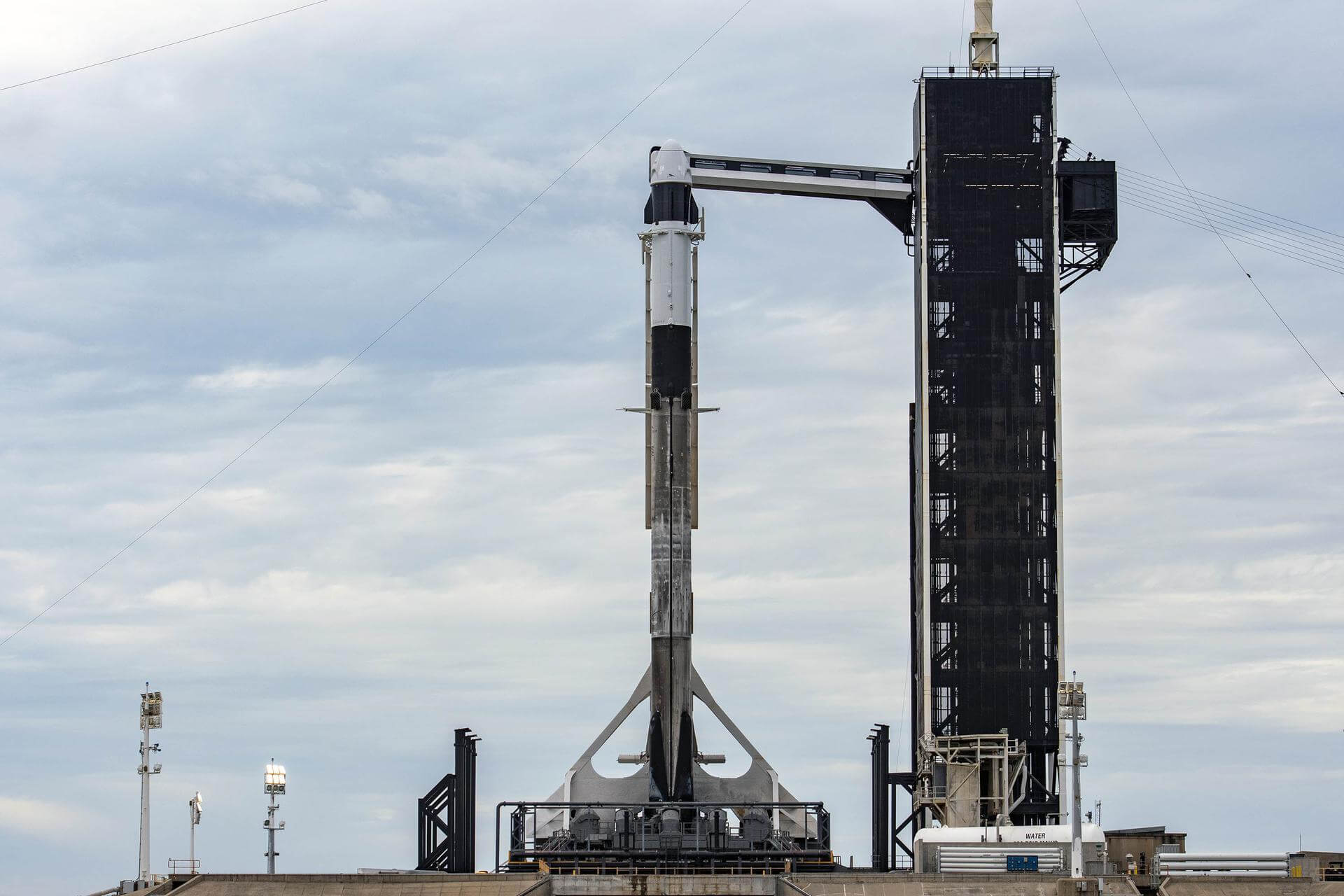
Today's highlights include the ongoing Crew-11 mission launch and Starship preparations for its upcoming test flight.


Launch Date
November 21, 2017
Launch Site
TAISC
Launch Pad
LC16
Launch Vehicle
Chang Zheng 6
NORAD ID
43023
International Designator
2017-074B
Epoch
Sat, 04 Jul 2026 06:38:49 GMT
Apogee
Calculating...
Perigee
Calculating...
Inclination
97.49°
Right Ascension
291.67°
Eccentricity
Calculating...
Argument of Perigee
155.75°
Period
93.86 min
Mean Motion
15.34 rev/day
Latitude
Calculating...
Longitude
Calculating...
Altitude
Calculating...
Velocity
Calculating...
Name
JILIN-1 05
Alternative Name
Jilin-1 Shipin 5
Type
Status
Owner
CGSTL
Country
China
Constellation
N/A
Related Satellites
Major Events
N/A
1 43023U 17074B 26185.27696222 .00010925 00000-0 33275-3 0 9999
2 43023 97.4876 291.6657 0005815 155.7535 204.3982 15.34146406476628
Source: Celestrak
Length
1.5
Diameter
1
Span
1.5
Dry Mass
95
Launch Mass
95
Shape
Box
Radar Cross Section
Unknown
Visual Magnitude
Unknown
Color
Unknown
Material Composition
Unknown
Payload
Jilin-1 Shipin 5
Purpose
Earth observation
Mission
Earth observation
Manufacturer
HARB/CIOMP
Life Expectancy
> 3 years
Bus
JL-1
Configuration
Unknown
Motor
Unknown
Equipment
Unknown
Power System
Fixed solar array, batteries
ADCS
Unknown
Transmitter Frequency
Unknown
Learn more about satellites and other related topics.
Today's highlights include the ongoing Crew-11 mission launch and Starship preparations for its upcoming test flight.

Today's brief covers China's Gaofen-14 satellite launch, Europe's advancements in asteroid defense through GomSpace, and Russia's controversial Burevestnik missile test.
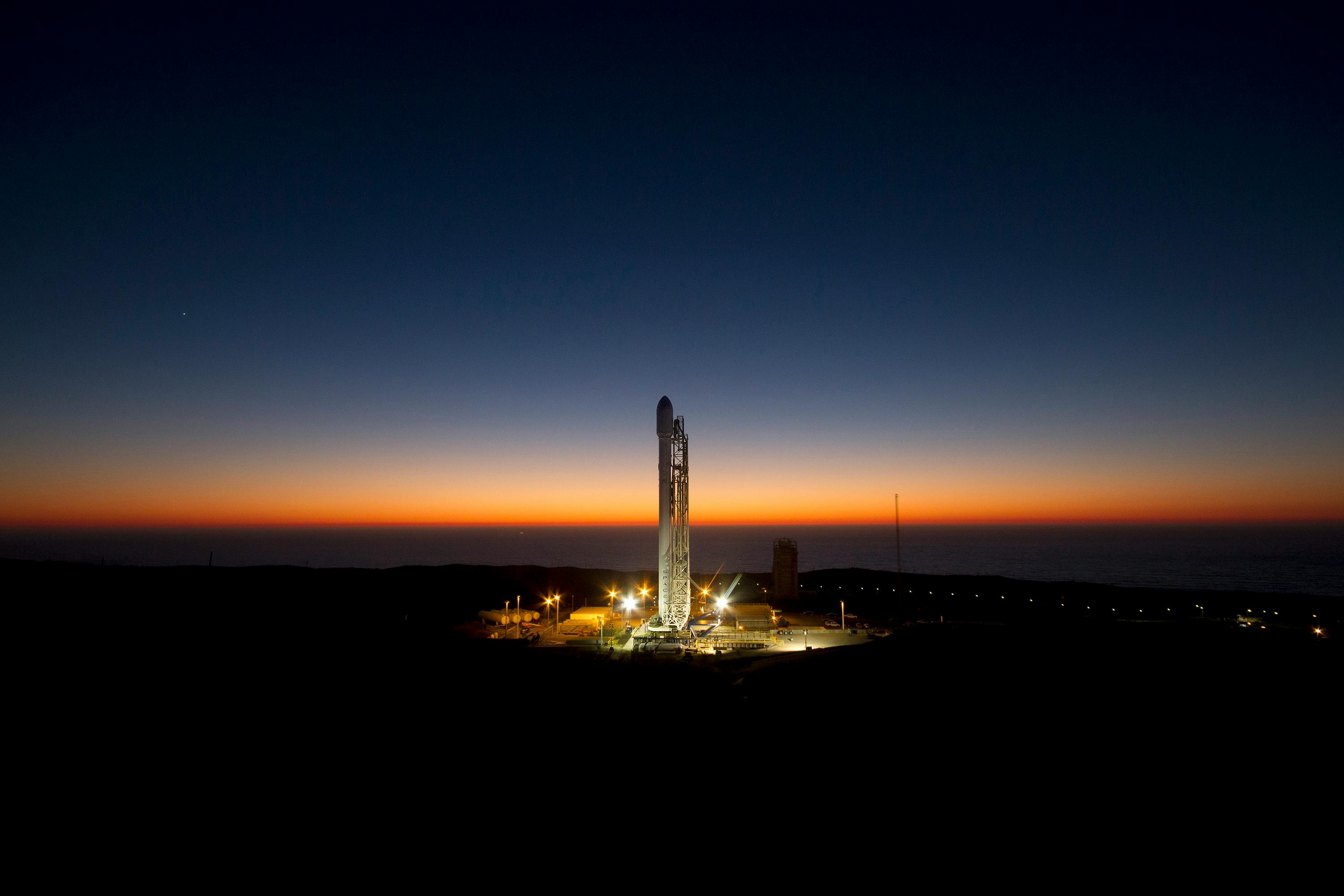
SpaceX sets launch milestones with quick turnarounds and new Starlink deployments, while eyeing rapid Starship expansions next year.
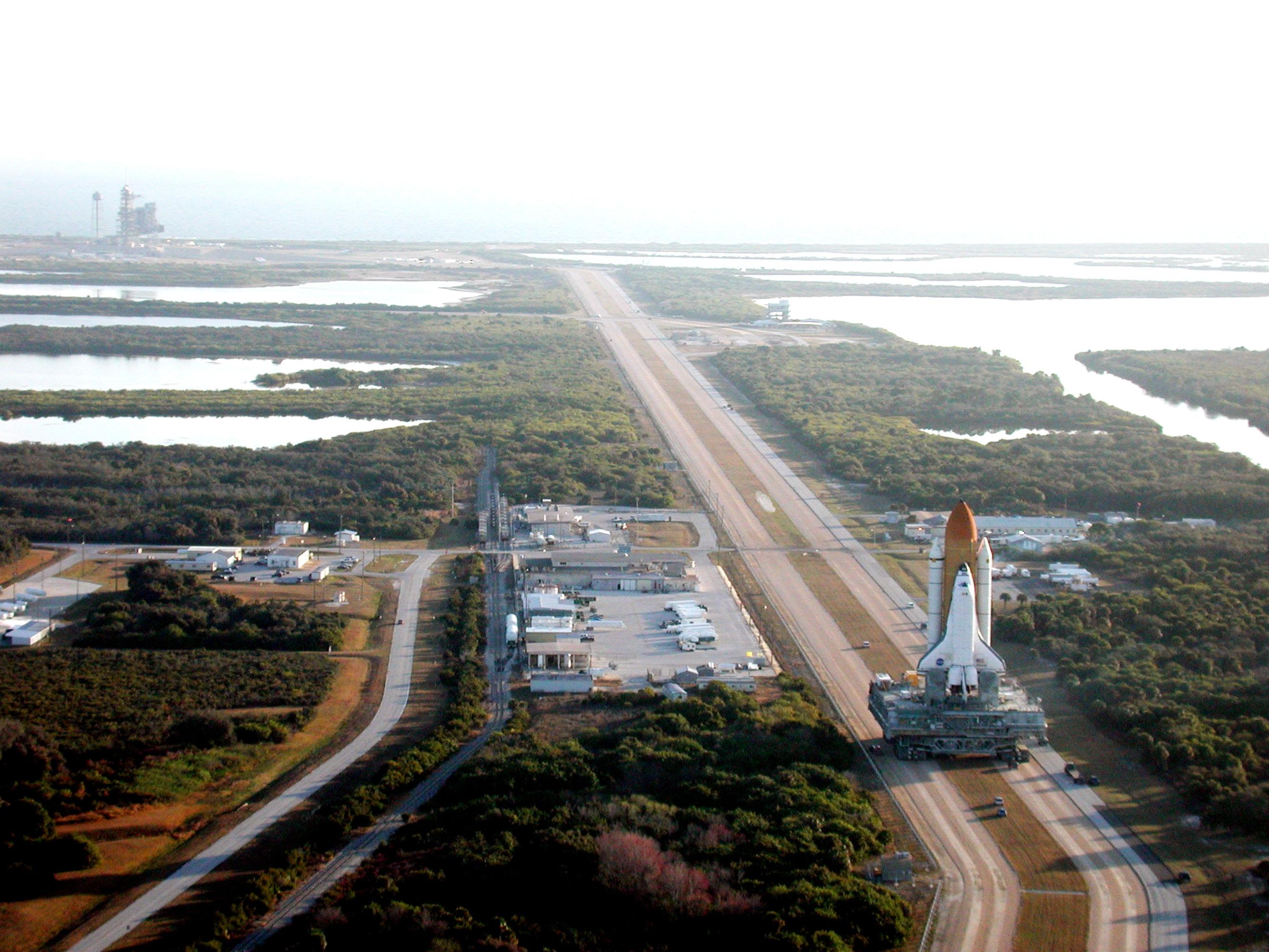
Twenty-four years ago, two spacewalking astronauts battled an ammonia leak while installing the U.S. Laboratory module Destiny, transforming the International Space Station from a construction site to a world-class research facility
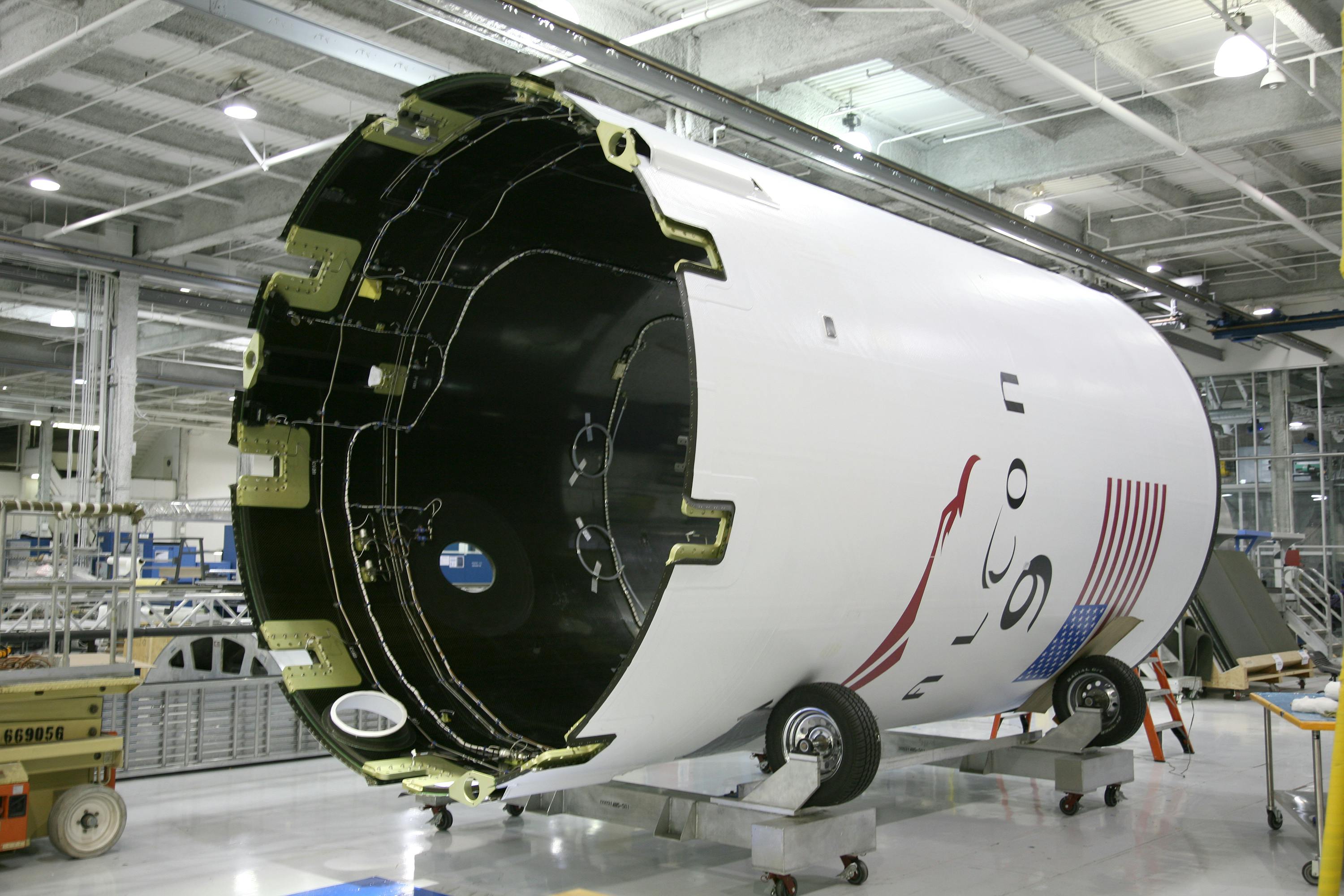
SpaceX prepares for a monumental sixth Starship test flight while achieving a historic Falcon 9 booster landing. Meanwhile, a Starlink satellite lights up the night sky as it reenters Earth's atmosphere.
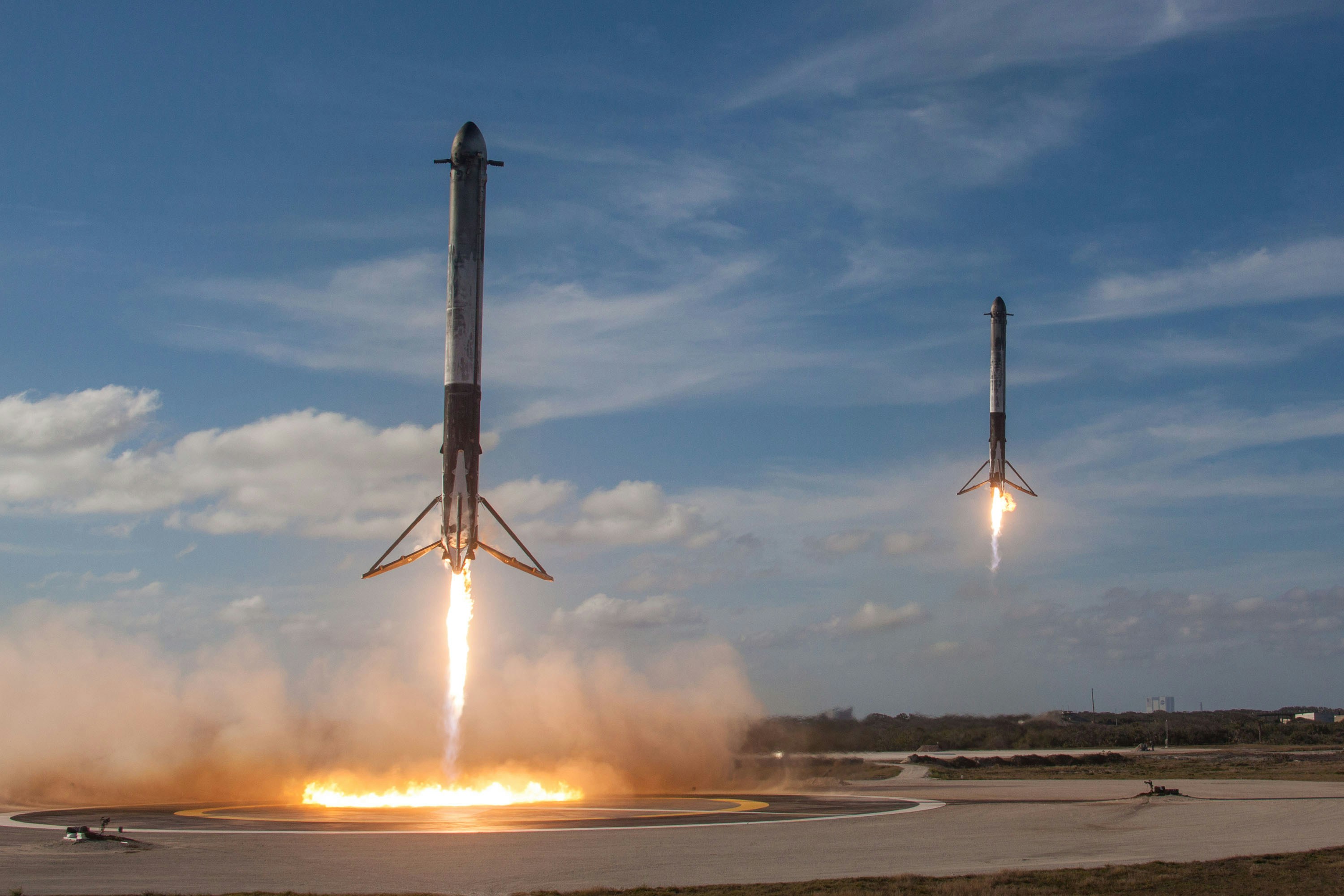
SpaceX successfully launched its ninth Starlink mission of the month, boosting broadband coverage with additional satellites deployed from both coasts. The latest missions underscore the company's commitment to expanding global internet access.

Three Chinese rocket bodies have exploded over four years, creating debris clouds that will linger for decades to centuries, according to LeoLabs analysis. Fragmentation events threaten commercial and military operators.
Today's highlights include the certification of ULA's Vulcan rocket for national security missions, developments in nuclear timekeeping for GPS systems, and updates on the Space Force's new warfighting framework.