


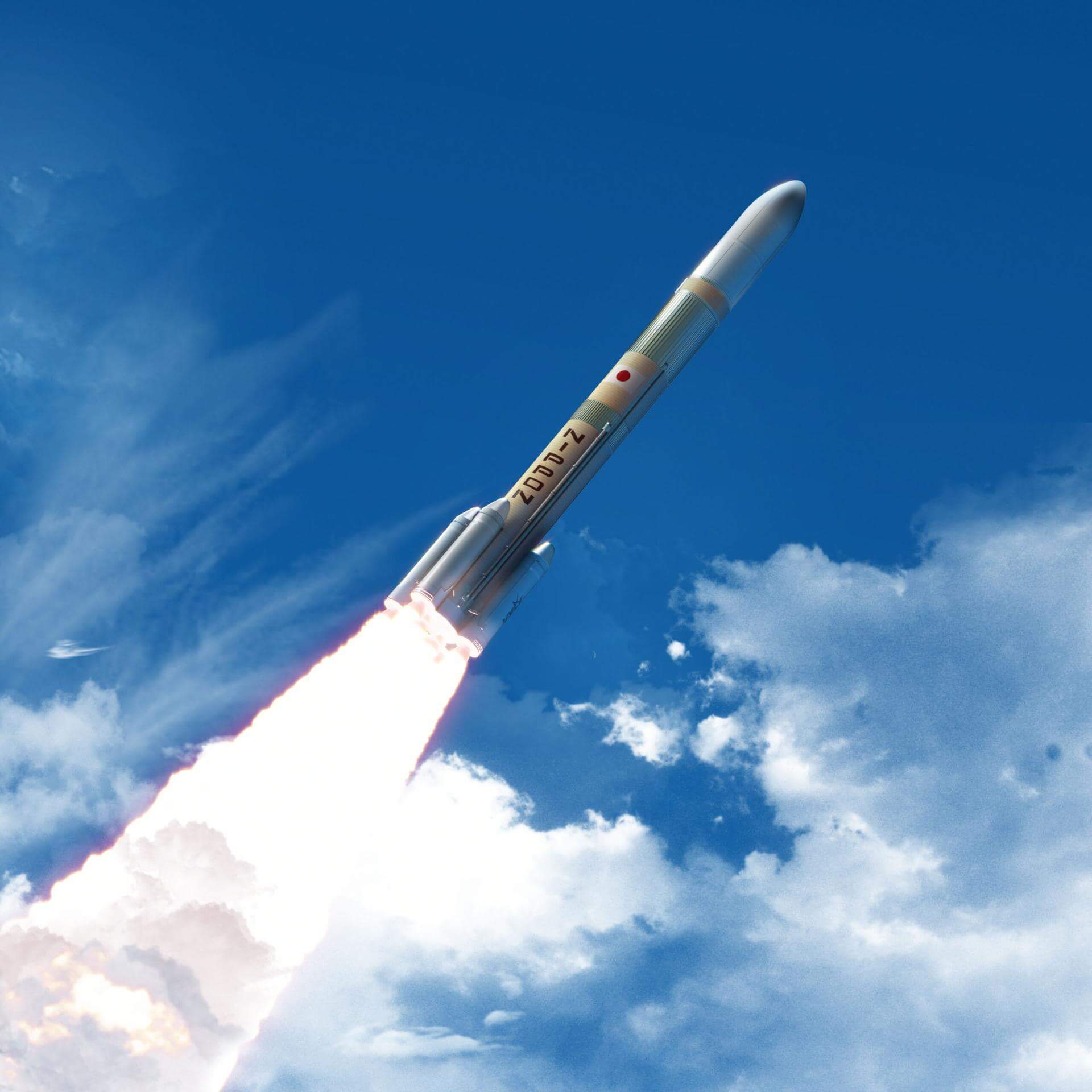
Space Brief 21 Oct 2025
Today's brief covers the latest in satellite technology contracts, China's rocket launch ambitions, and new launch authorizations paving the way for space exploration advancements.


Launch Date
November 14, 2017
Launch Site
TAISC
Launch Pad
LC9
Launch Vehicle
Chang Zheng 4C
NORAD ID
43011
International Designator
2017-072B
Epoch
Sat, 04 Jul 2026 07:49:36 GMT
Apogee
Calculating...
Perigee
Calculating...
Inclination
98.95°
Right Ascension
204.29°
Eccentricity
Calculating...
Argument of Perigee
102.67°
Period
100.78 min
Mean Motion
14.29 rev/day
Latitude
Calculating...
Longitude
Calculating...
Altitude
Calculating...
Velocity
Calculating...
Name
HEAD-1
Alternative Name
HEAD-1
Type
Status
Owner
HEAD
Country
China
Constellation
N/A
Related Satellites
Major Events
N/A
1 43011U 17072B 26185.32611843 .00000396 00000-0 17562-3 0 9998
2 43011 98.9540 204.2910 0011140 102.6667 257.5760 14.28808972449805
Source: Celestrak
Length
0.5
Diameter
0.2
Span
2
Dry Mass
45
Launch Mass
45
Shape
Box + 2 Pan
Radar Cross Section
Unknown
Visual Magnitude
Unknown
Color
Unknown
Material Composition
Unknown
Payload
Hede-1
Purpose
Communication M2M/IoT, traffic monitoring
Mission
Communication M2M/IoT, traffic monitoring
Manufacturer
LIZH/SAST
Life Expectancy
2-3 years
Bus
HEAD-1
Configuration
Unknown
Motor
Unknown
Equipment
high performance AIS-receiver
Power System
2 deployable solar arrays, batteries
ADCS
Unknown
Transmitter Frequency
Unknown
Learn more about satellites and other related topics.
Today's brief covers the latest in satellite technology contracts, China's rocket launch ambitions, and new launch authorizations paving the way for space exploration advancements.

SpaceX gears up for significant upcoming launches while Starlink makes an impactful difference in disaster recovery efforts. Meanwhile, ESA and Avio reveal plans for competitive advancements in reusable rocket technology.

Today's Space Brief covers reentries, the impact of NOAA dismissals on space weather tracking, a strategic academic partnership probing cosmic mysteries, and a newly unveiled space motto.
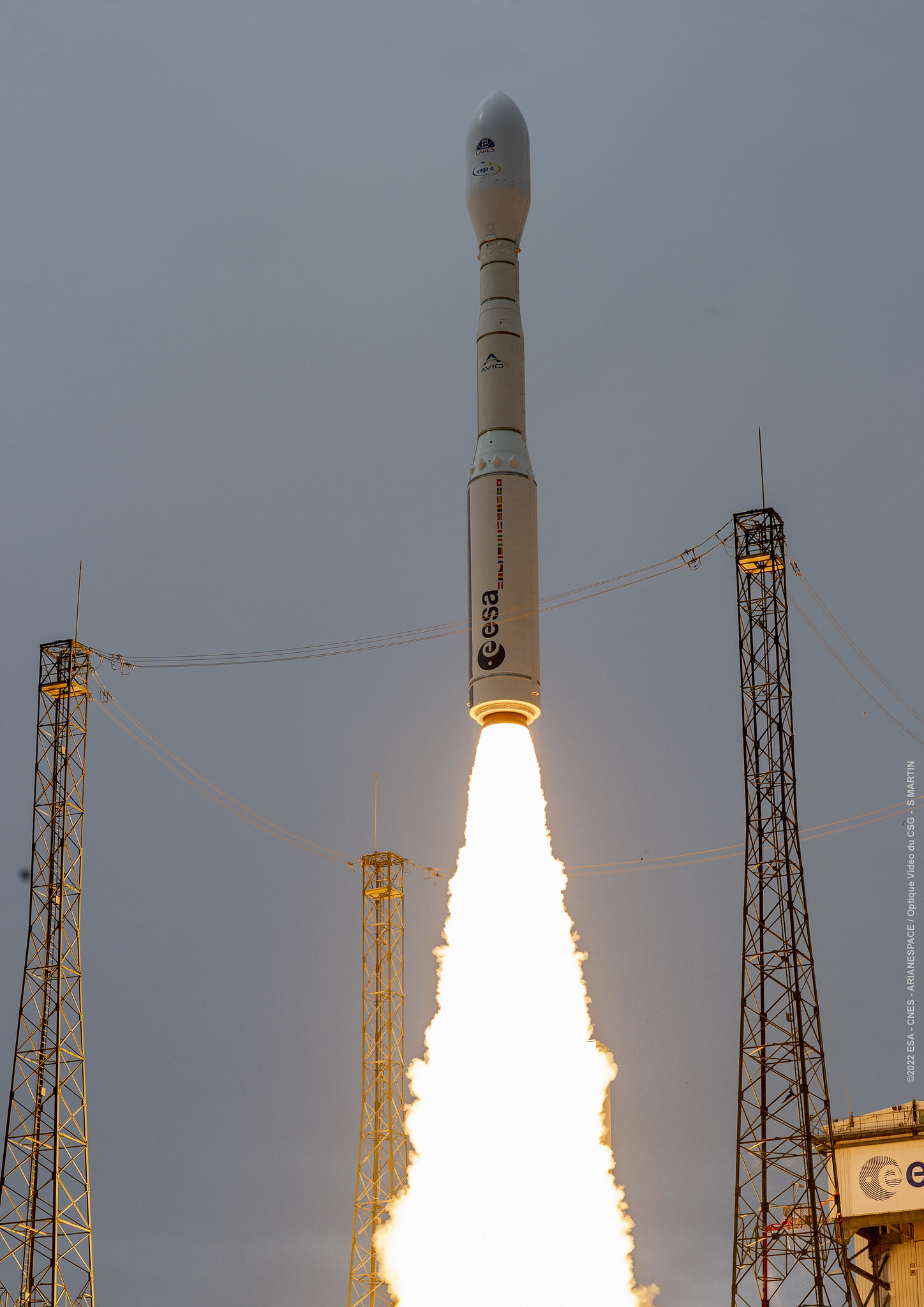
Today's briefing covers the largest-ever spectrum sharing demo planned by the Pentagon, innovative strategies for drone deployment in the Air Force, and significant military procurement developments.
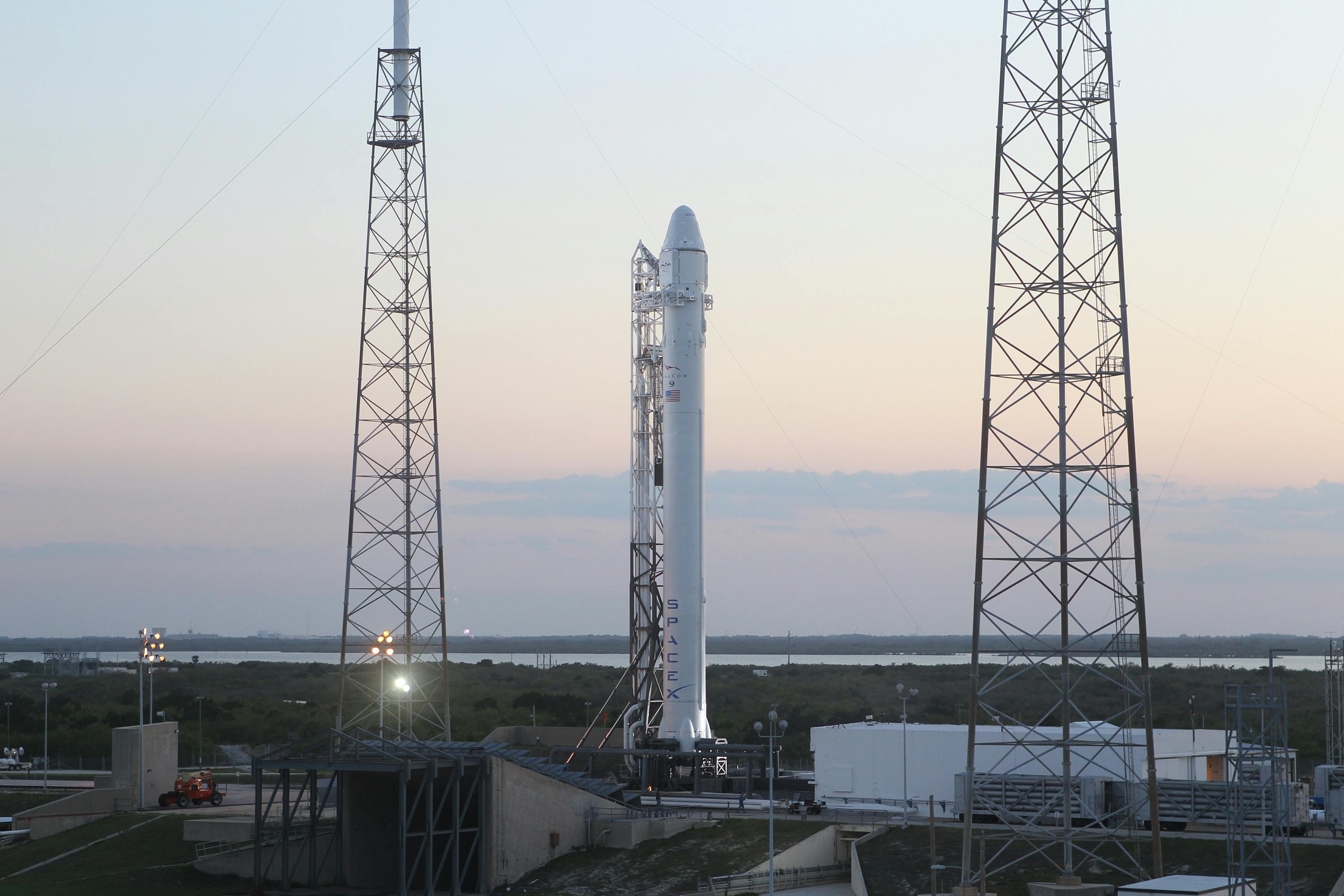
SpaceX targets July 16 for Starship Flight 13, testing V3 fixes and deploying functioning Starlink satellites for the first time.

Johns Hopkins researchers use seismic networks to track space debris in near real-time. Pentagon faces Golden Dome production scale challenges. SpaceX launches 25 Starlink sats in seventh 2026 mission.
Today we explore defense-driven shifts in satellite operations amid geopolitical tensions and innovative projects pushing the boundaries of space technology.
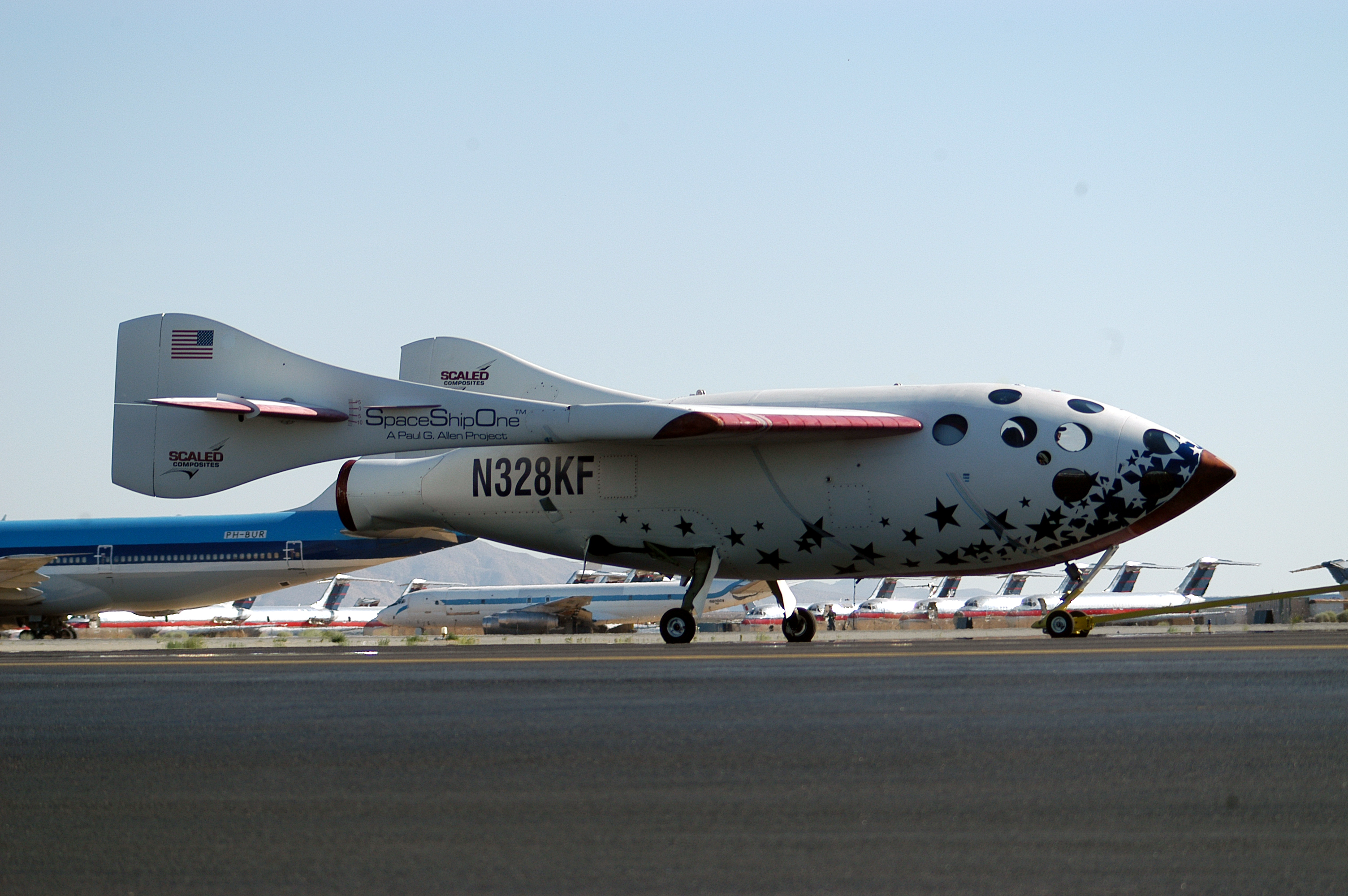
On 21 June 2004, a 63-year-old test pilot rode a homebuilt rocket plane to 100,124 meters above the Mojave Desert, clearing the edge of space by about the length of a city block. He came down the first private astronaut in history, holding a sign that read 'SpaceShipOne, GovernmentZero.'