


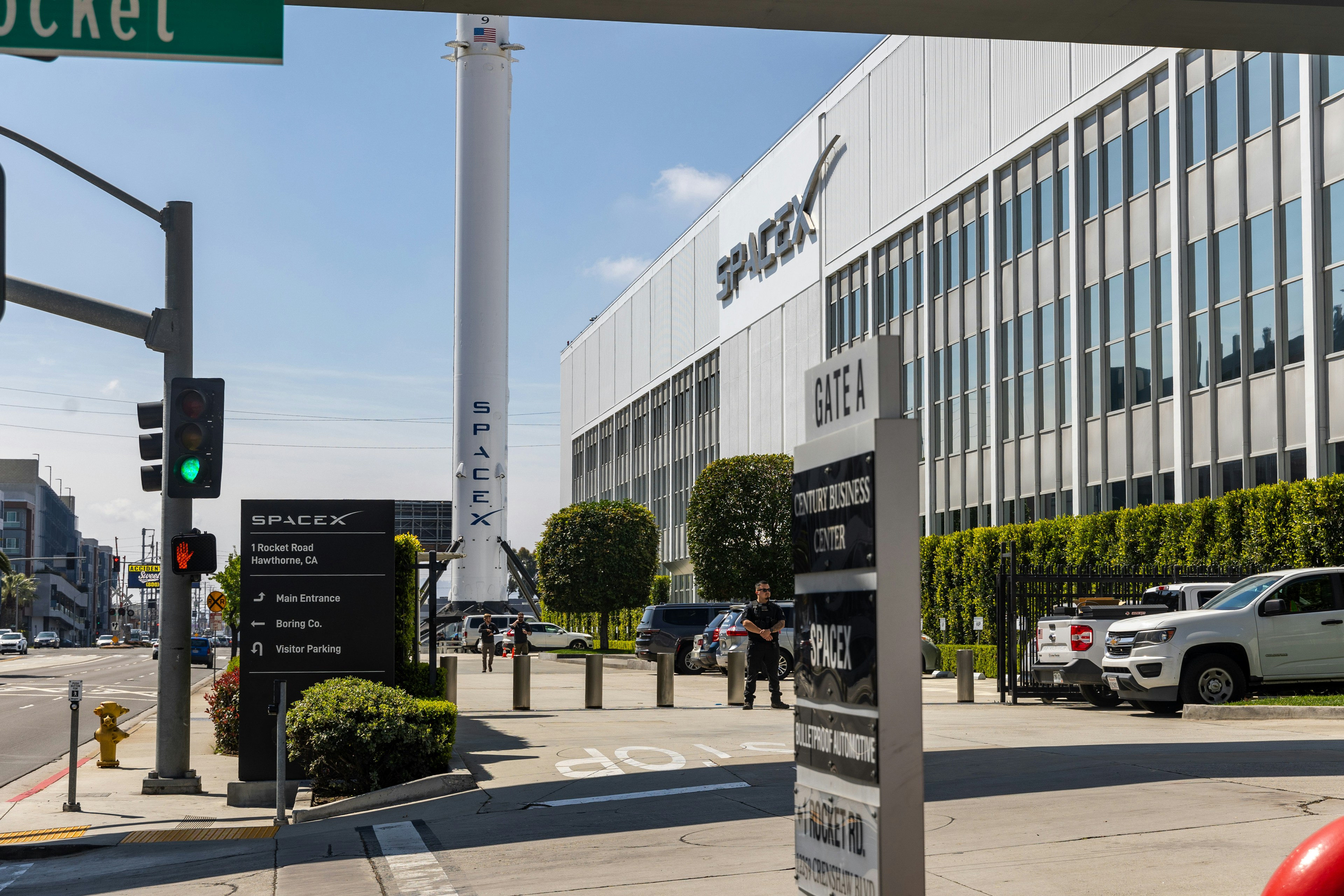
X Report 19 Jul 2025
SpaceX successfully launched 24 Starlink satellites from California while investigations begin on a possible Starship salvage operation near Mexico.


Launch Date
October 30, 2017
Launch Site
Launch Pad
LC39A
Launch Vehicle
NORAD ID
42984
International Designator
2017-067A
Epoch
Fri, 03 Jul 2026 21:39:54 GMT
Apogee
Calculating...
Perigee
Calculating...
Inclination
0.02°
Right Ascension
306.46°
Eccentricity
Calculating...
Argument of Perigee
150.48°
Period
1436.14 min
Mean Motion
1.00 rev/day
Latitude
Calculating...
Longitude
Calculating...
Altitude
Calculating...
Velocity
Calculating...
Name
KOREASAT 5A
Alternative Name
Mugunghwa 5A
Type
Status
Owner
KTSAT
Country
South Korea
Constellation
N/A
Related Satellites
Major Events
N/A
1 42984U 17067A 26184.90271443 -.00000346 00000-0 00000-0 0 9993
2 42984 0.0214 306.4610 0000850 150.4844 263.0767 1.00268488 31692
Source: Celestrak
Length
5
Diameter
2.5
Span
38
Dry Mass
2000
Launch Mass
3700
Shape
Box + 2 Pan
Radar Cross Section
Unknown
Visual Magnitude
Unknown
Color
Unknown
Material Composition
Unknown
Payload
Koreasat 5A
Purpose
Communication
Mission
Communication
Manufacturer
THALES
Life Expectancy
15 years
Bus
Spacebus 4000B2
Configuration
Spacebus-4000B2
Motor
S400
Equipment
Ku-band transponders
Power System
2 deployable solar arrays, batteries
ADCS
Unknown
Transmitter Frequency
Unknown
Learn more about satellites and other related topics.
SpaceX successfully launched 24 Starlink satellites from California while investigations begin on a possible Starship salvage operation near Mexico.
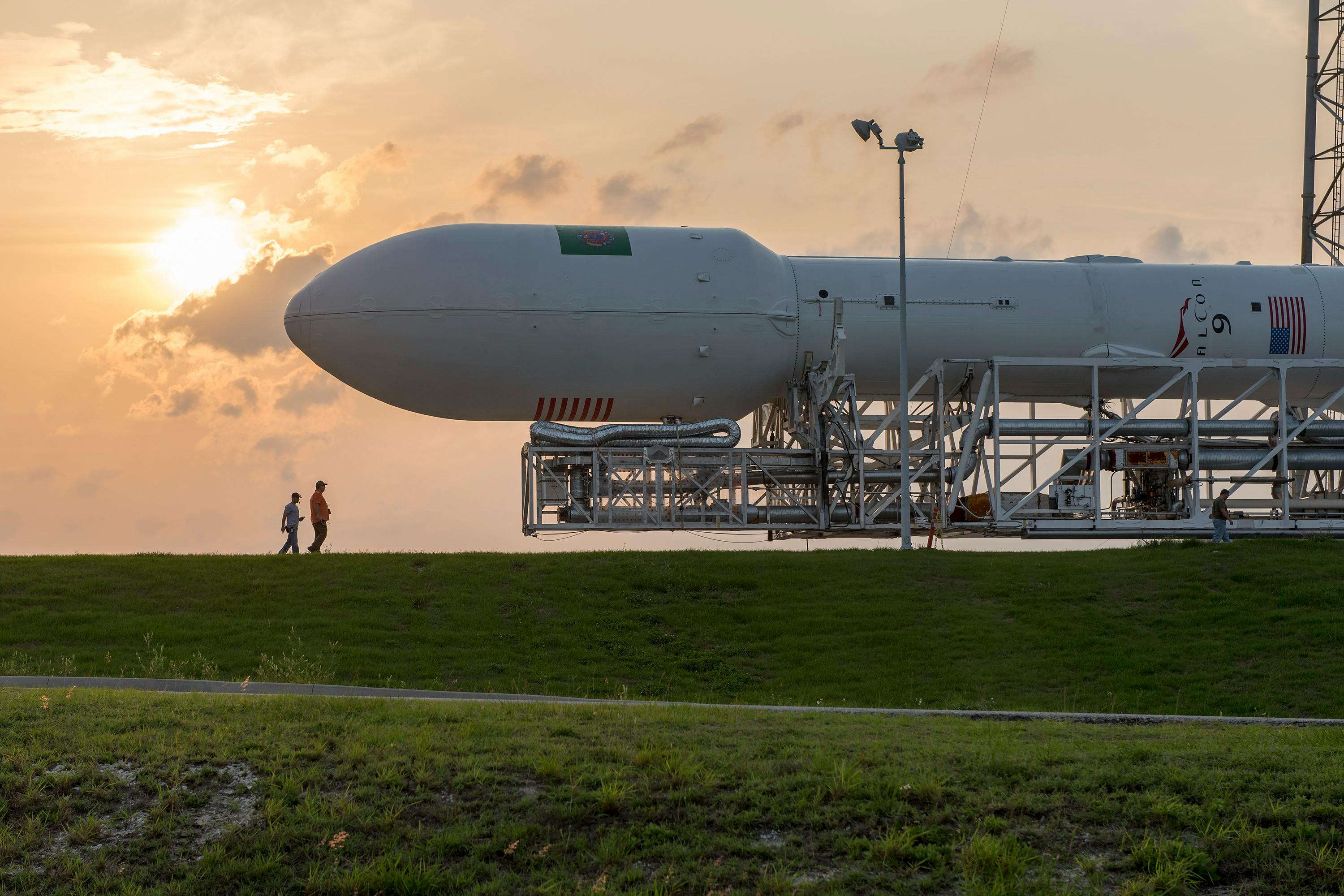
Key developments include the launch of Starshield satellites for the NRO and updates on Starlink launches and NASA access concerns involving Elon Musk's team.
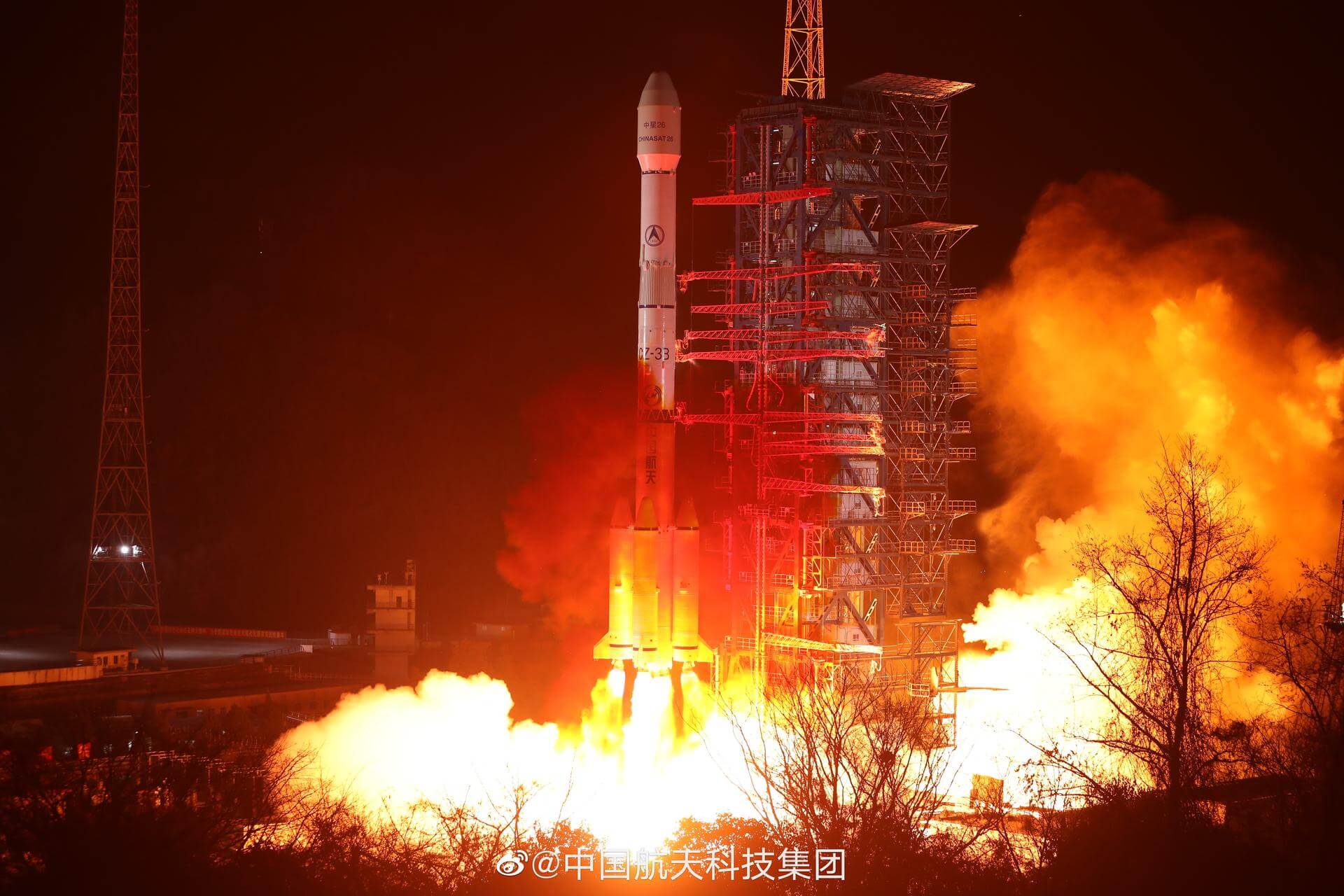
Focusing on military satellite initiatives, defense strategies, and advancements in air and cyber capabilities

A second Starlink satellite has generated on-orbit debris in just over 3 months, threatening SpaceX's 10,151-satellite working constellation.
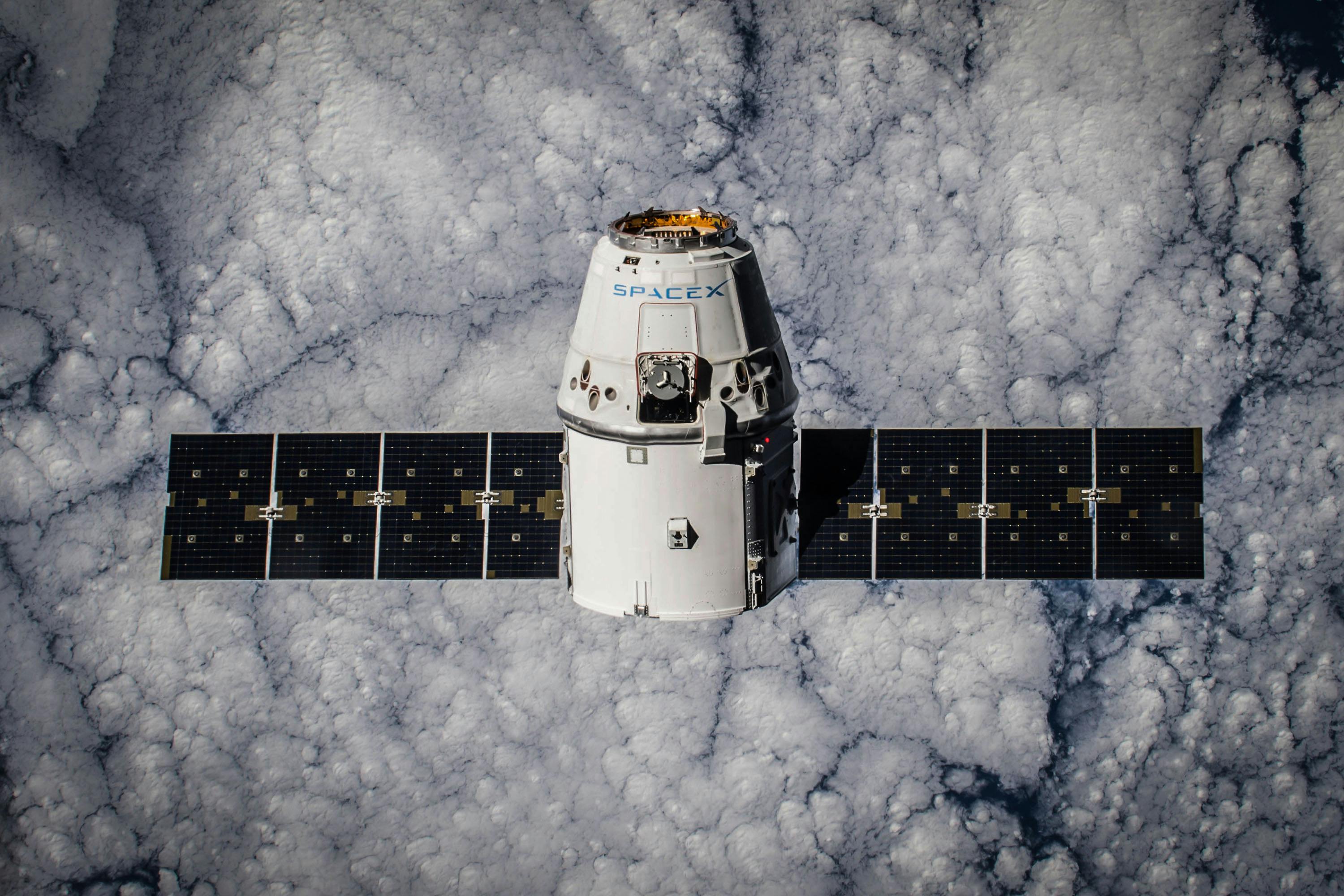
SpaceX is finalizing Pad 2 upgrades at Starbase ahead of Booster 19's return flight, as Starlink's active constellation holds at 10,185 satellites.
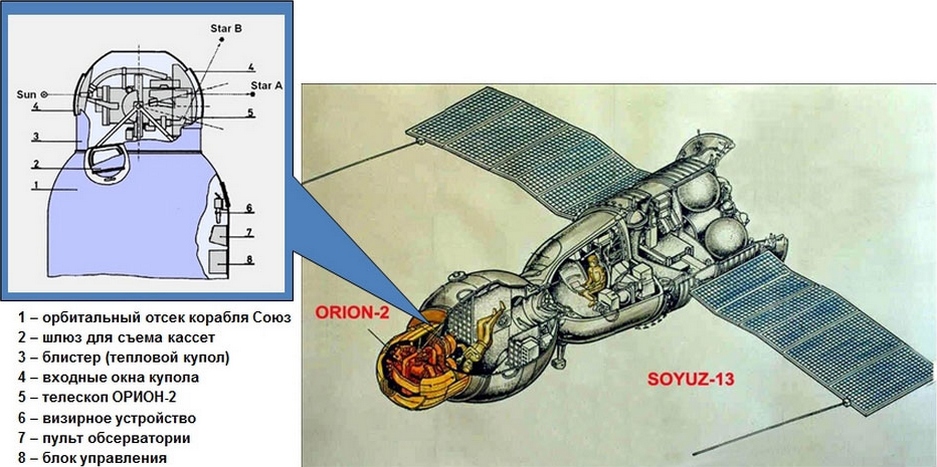
Exactly 52 years ago today, the Soviet Union launched Soyuz 13 - a scientific mission that marked the first time American astronauts and Soviet cosmonauts orbited Earth simultaneously. Armed with a revolutionary ultraviolet telescope, Pyotr Klimuk and Valentin Lebedev would discover elements never before seen in distant nebulae.
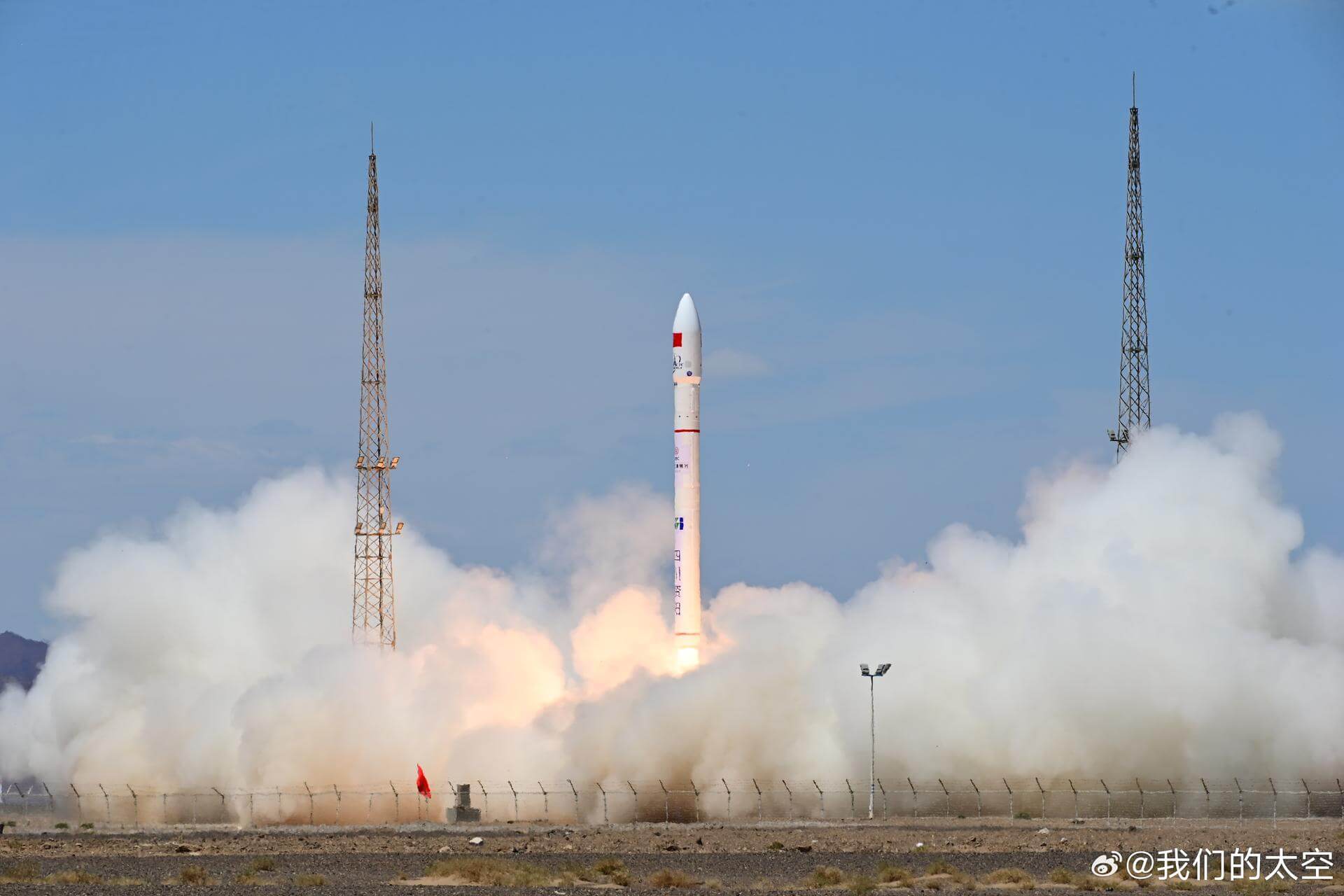
Today's briefing covers significant events, including advancements in US missile warning systems, SpaceX's Florida Starship plans, a European rocket's success, and NASA's upcoming missions.

Today's key space events include a milestone Falcon booster landing, advances in US military satellite operations, and a new missile defense initiative.