


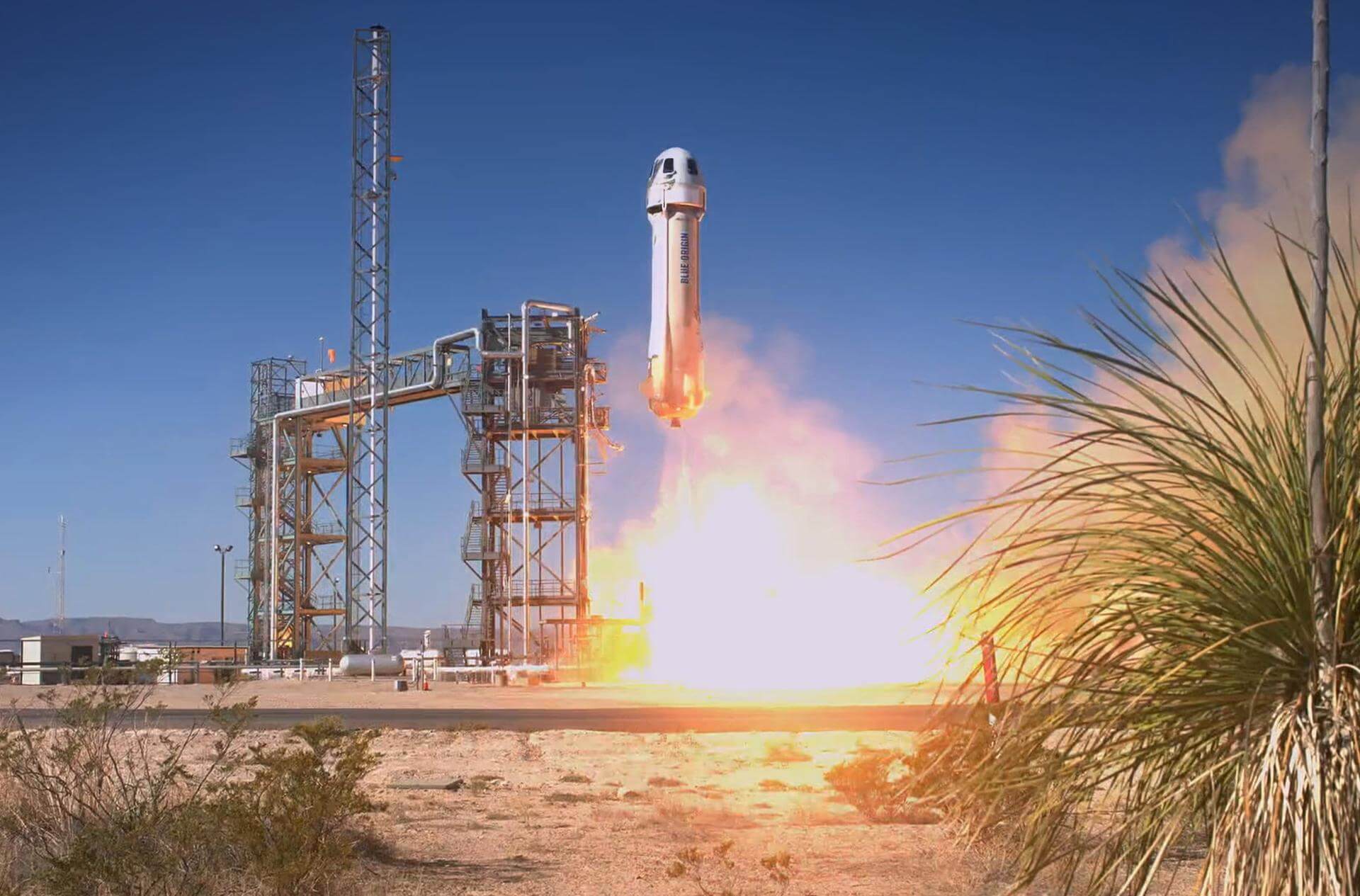
Space Brief 15 Dec 2025
Today's highlights include multiple SpaceX Starlink launches, a successful Rocket Lab mission for JAXA, and a scheduled launch update from Kennedy Space Center.


Launch Date
September 29, 2017
Launch Site
FRGUI
Launch Pad
ELA3
Launch Vehicle
Ariane 5ECA
NORAD ID
42950
International Designator
2017-059A
Epoch
Sat, 04 Jul 2026 05:14:48 GMT
Apogee
Calculating...
Perigee
Calculating...
Inclination
0.02°
Right Ascension
39.28°
Eccentricity
Calculating...
Argument of Perigee
64.21°
Period
1436.08 min
Mean Motion
1.00 rev/day
Latitude
Calculating...
Longitude
Calculating...
Altitude
Calculating...
Velocity
Calculating...
Name
INTELSAT 37E (IS-37E)
Alternative Name
Intelsat IS-37e
Type
Status
Owner
INTELU
Country
United States
Constellation
N/A
Related Satellites
Major Events
N/A
1 42950U 17059A 26185.21861733 -.00000129 00000-0 00000-0 0 9998
2 42950 0.0186 39.2814 0002794 64.2124 239.4448 1.00272747 32239
Source: Celestrak
Length
7.9
Diameter
3.2
Span
44
Dry Mass
2950
Launch Mass
6538
Shape
Box + 2 panels
Radar Cross Section
Unknown
Visual Magnitude
Unknown
Color
Unknown
Material Composition
Unknown
Payload
Intelsat IS-37e
Purpose
Communication
Mission
Communication
Manufacturer
BOES
Life Expectancy
15 years
Bus
BSS-702MP
Configuration
BSS-702MP
Motor
BT-4
Equipment
C-band high-throughput transponders, Ku-band high-throughput transponders, Ka-band high-throughput transponders
Power System
2 deployable solar arrays, batteries
ADCS
Unknown
Transmitter Frequency
Unknown
Learn more about satellites and other related topics.
Today's highlights include multiple SpaceX Starlink launches, a successful Rocket Lab mission for JAXA, and a scheduled launch update from Kennedy Space Center.
The laser-based crosslinks that turn Starlink into a mesh, anchor the SDA Transport Layer, and just made their GPS debut on GPS III SV10 - quietly rewriting how data moves through space.

Today's brief covers the new Space Force operations doctrine, international defense collaborations by the UAE, and satellite tracking technology innovations.
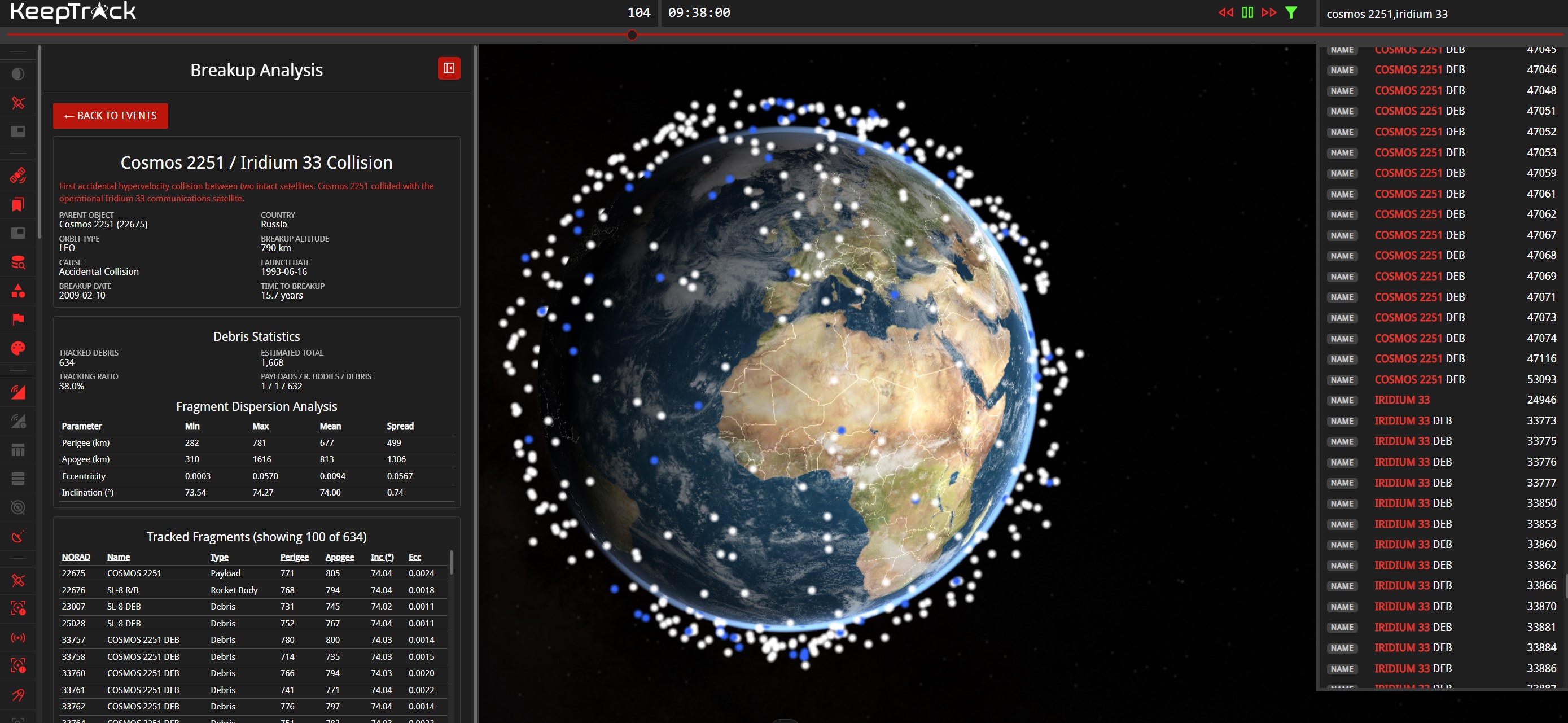
On February 10, 2009, an active Iridium communications satellite and a derelict Soviet military spacecraft slammed into each other 789 kilometers above Siberia. The collision produced more than 2,300 pieces of trackable debris that are still up there. Seventeen years later, the Iridium-Cosmos collision remains the event that made space debris a policy problem the world could no longer ignore.
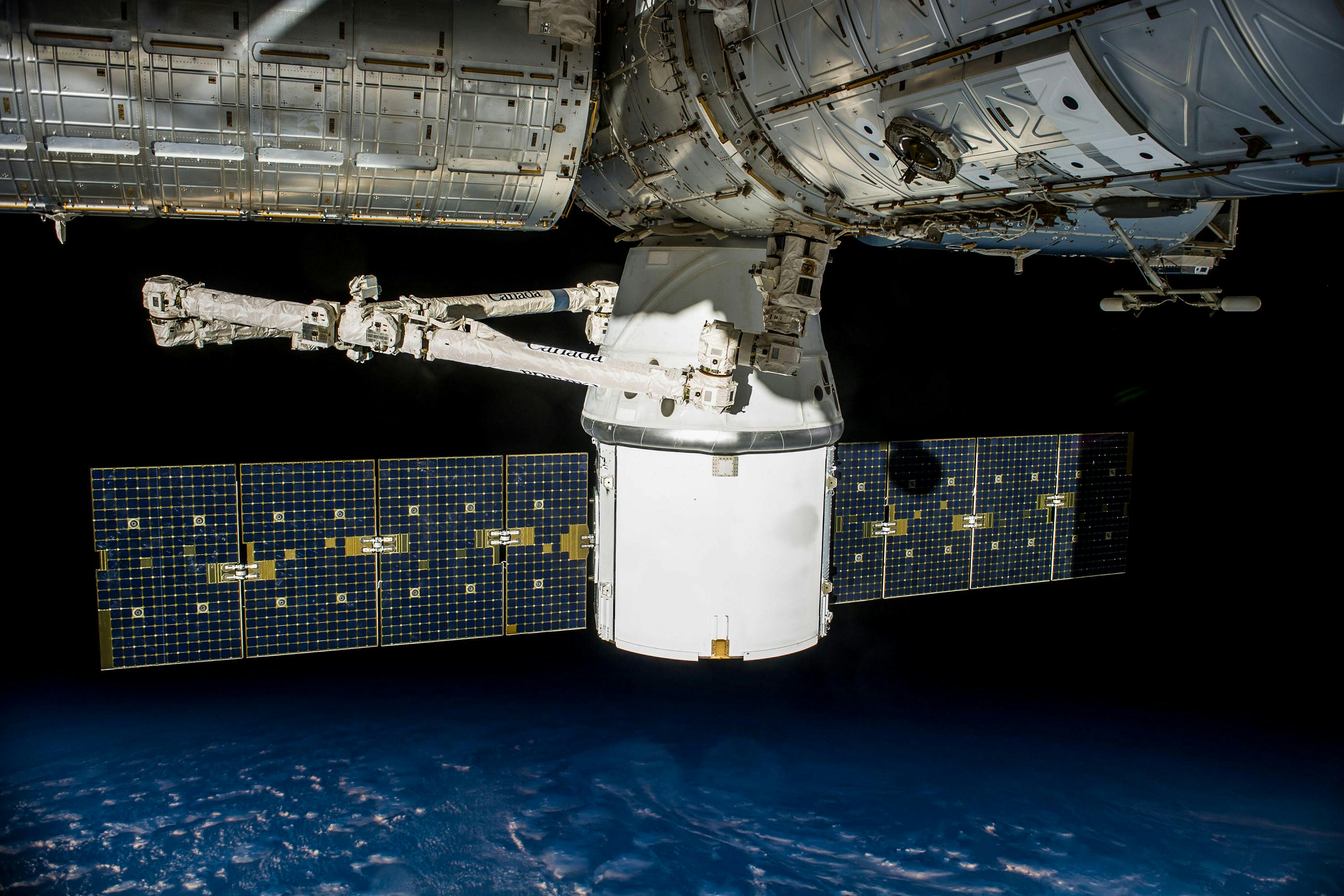
SpaceX prepares for Bandwagon-2 rideshare mission launch, while FAA updates license for Starship's next flight; Crew Dragon mission faces delays.
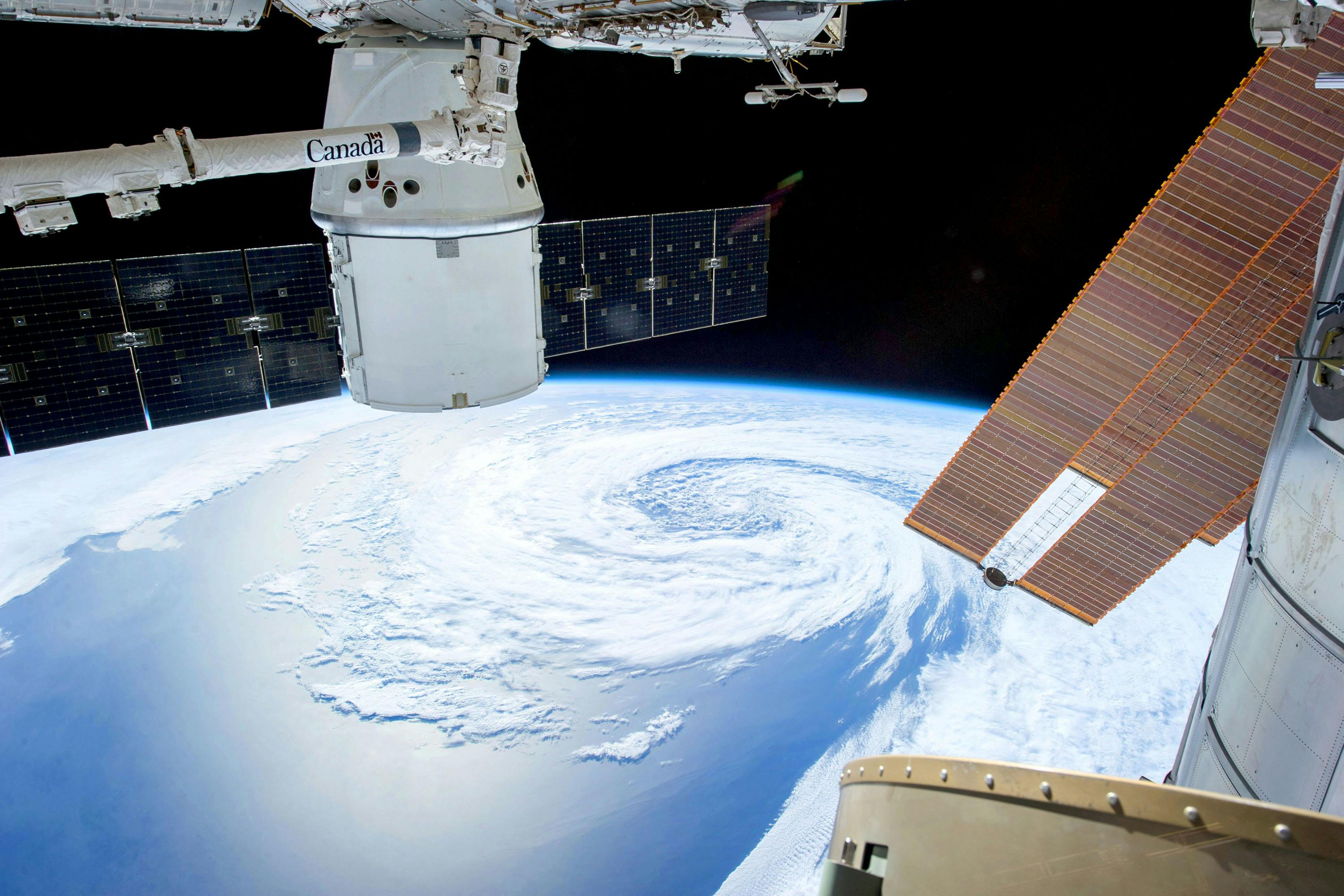
SpaceX's S-1 reveals $18.7B in revenue as Starship Flight 12 debuts Block 3 hardware from Pad 2 on May 21, 2026.
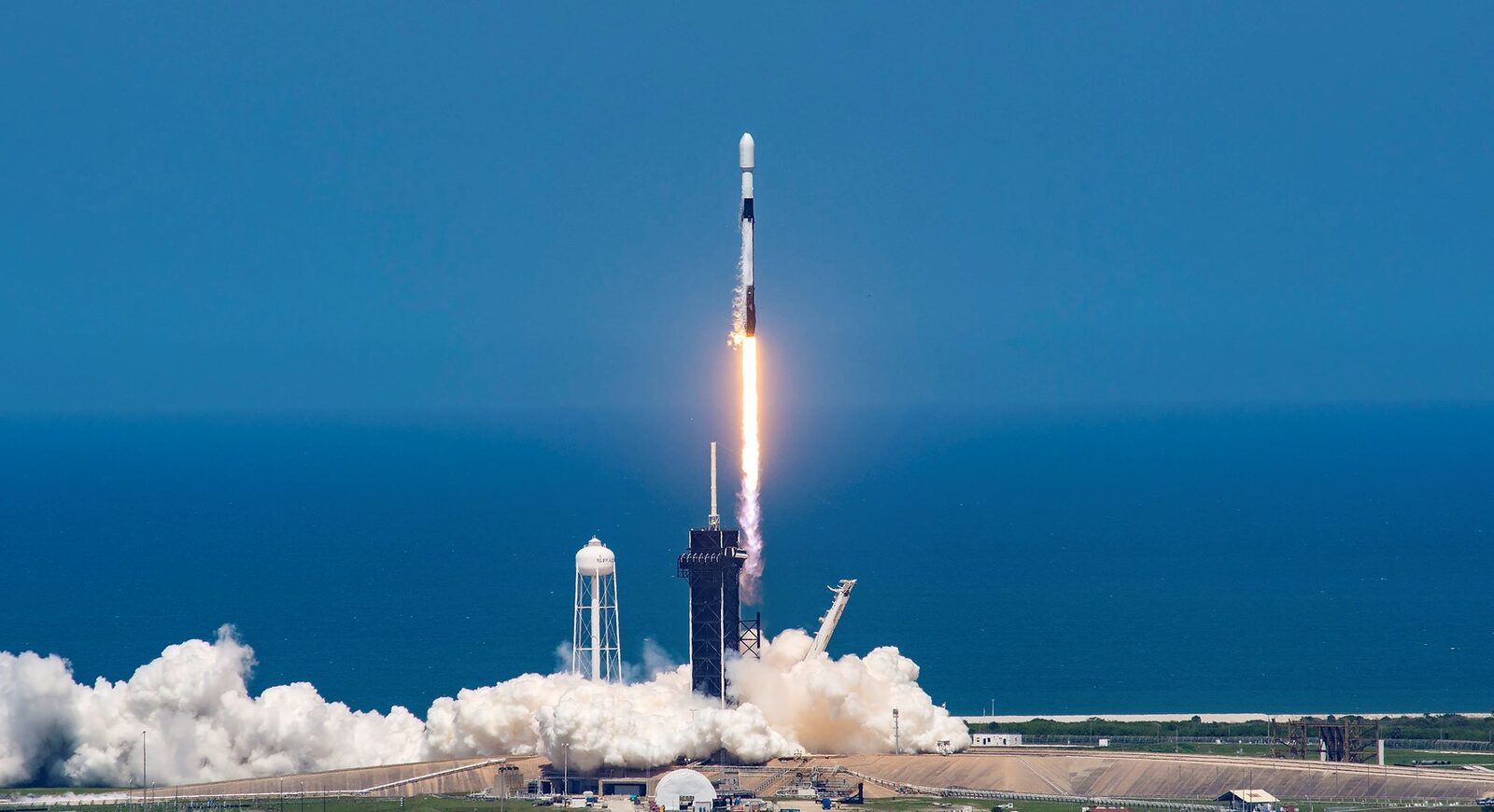
SpaceX completed a full 33-engine static fire on Booster 20, the longest duration test to date. The milestone clears a major hurdle before the next Starship flight attempt.
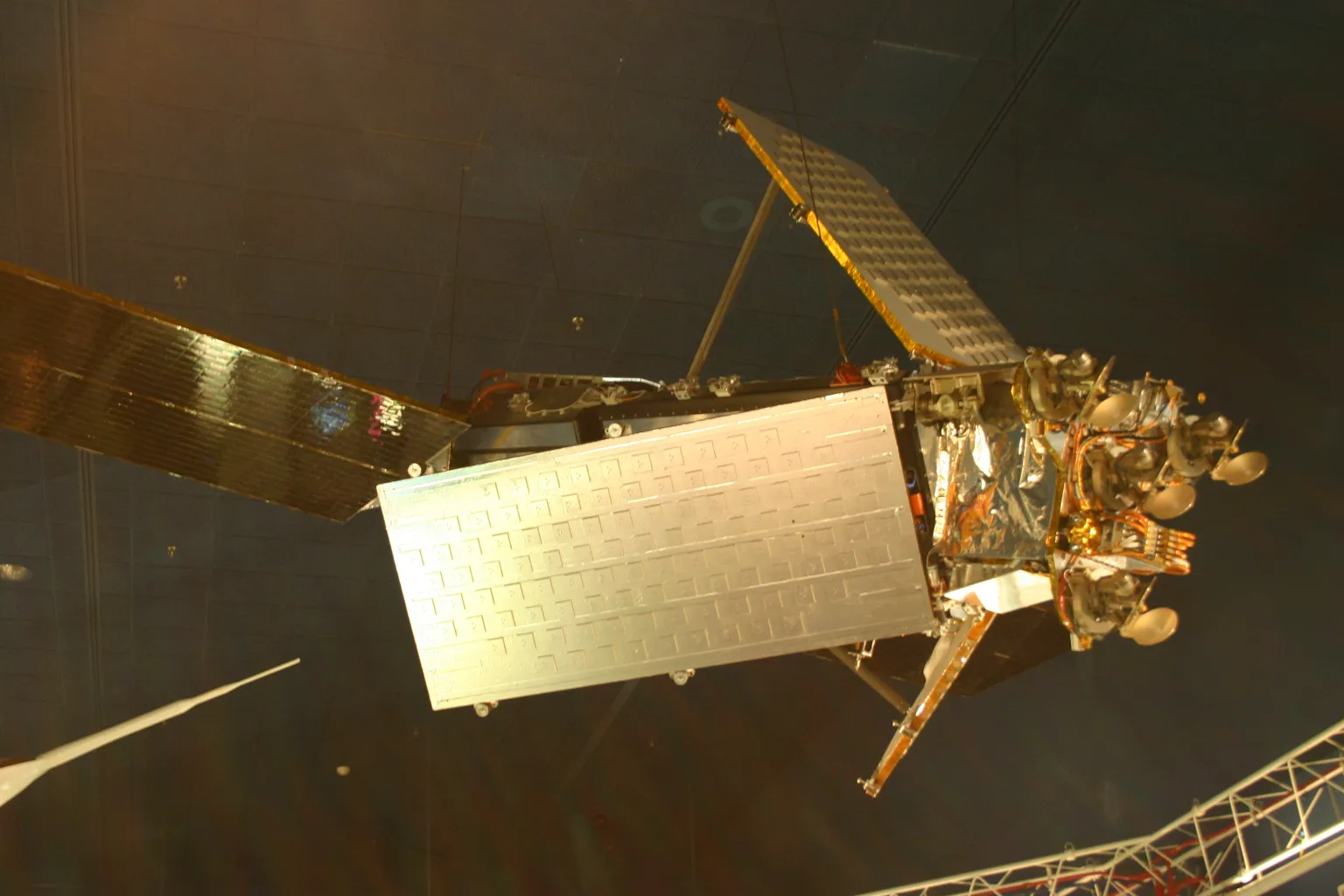
Seventeen years ago today, an operational American communications satellite and a dead Russian military relay crossed paths over Siberia. What happened next created more than 2,000 pieces of trackable debris - and fundamentally changed how the world thinks about space traffic.