


Space Brief 30 May 2025
Today's brief highlights significant advancements in satellite launches, new defense contracts, and technological integrations between major firms in the space sector.


Launch Date
November 20, 1998
Launch Site
Launch Pad
LC31
Launch Vehicle
Soyuz-2-1A
NORAD ID
42911
International Designator
1998-067NA
Decay Date
7/30/2019
Name
TANYUSHA 1 (RS-6S)
Alternative Name
Tanyusha YuZGU No. 1
Type
Status
Owner
YUZGU
Country
Russia
Constellation
N/A
Related Satellites
Major Events
N/A
Length
0.3
Diameter
0.1
Span
0.3
Dry Mass
5
Launch Mass
5
Shape
Box
Radar Cross Section
Unknown
Visual Magnitude
Unknown
Color
Unknown
Material Composition
Unknown
Payload
Radioskaf RS-6S
Purpose
Technology, communication
Mission
Technology, communication
Manufacturer
YUZGU
Life Expectancy
6 months
Bus
Cubesat 3U
Configuration
3U Cubesat with handle
Motor
None
Equipment
Unknown
Power System
Solar cells, batteries
ADCS
Unknown
Transmitter Frequency
Unknown
Learn more about satellites and other related topics.
Today's brief highlights significant advancements in satellite launches, new defense contracts, and technological integrations between major firms in the space sector.

In today's briefing: China accelerates its satellite megaconstellation. A comprehensive ESA-led optical data network is in the works, marking a key step in satellite communications. NASA's Artemis II crew visits Ohio in preparation for their lunar journey. SpaceX's record-breaking rocket launches continue. Plus, insights into nuclear rockets that could drastically shorten Mars missions.

Today's brief covers the new Space Force operations doctrine, international defense collaborations by the UAE, and satellite tracking technology innovations.
Today's briefing covers the latest satellite communications advancements, a secretive military launch by SpaceX, and new space defense organizational structures.
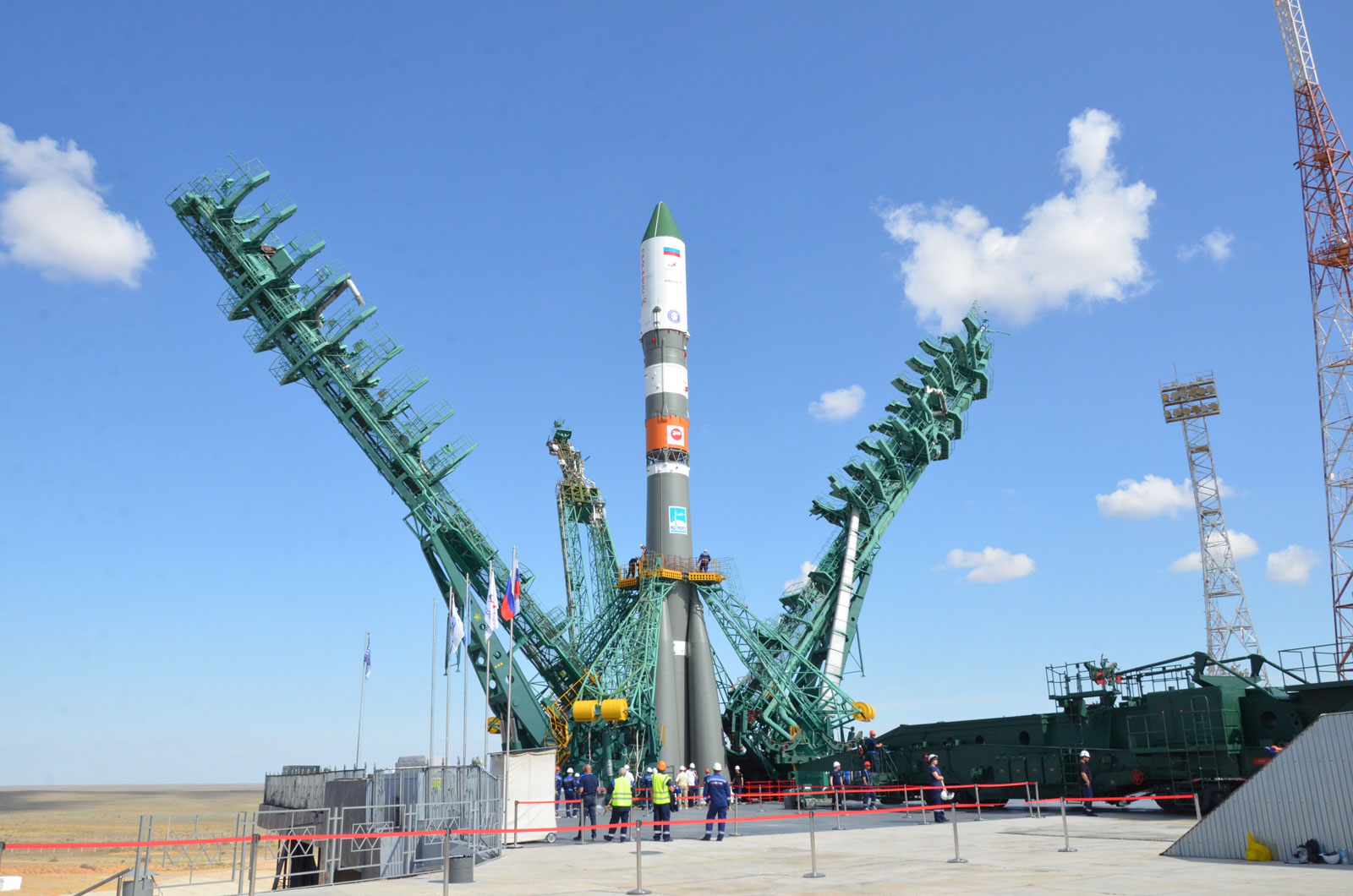
Today's highlights include a record-breaking event at the International Space Station, significant funding for hypersonic missile production, and several key military developments impacting space strategy.
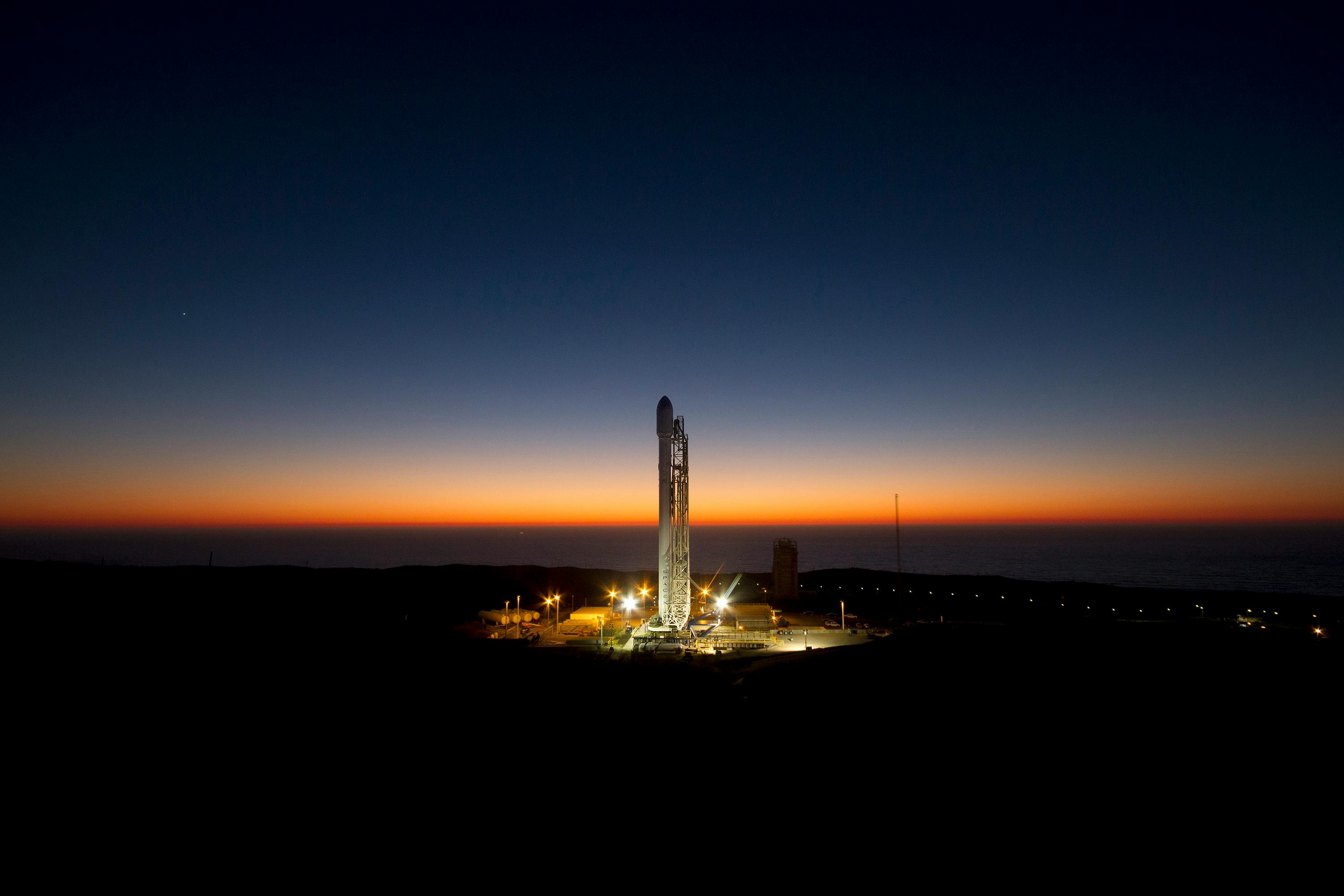
Starship launch site construction progresses at Kennedy Space Center and Cape Canaveral. Elon Musk trolls Ryanair after budget airline refuses to install Starlink on its fleet.
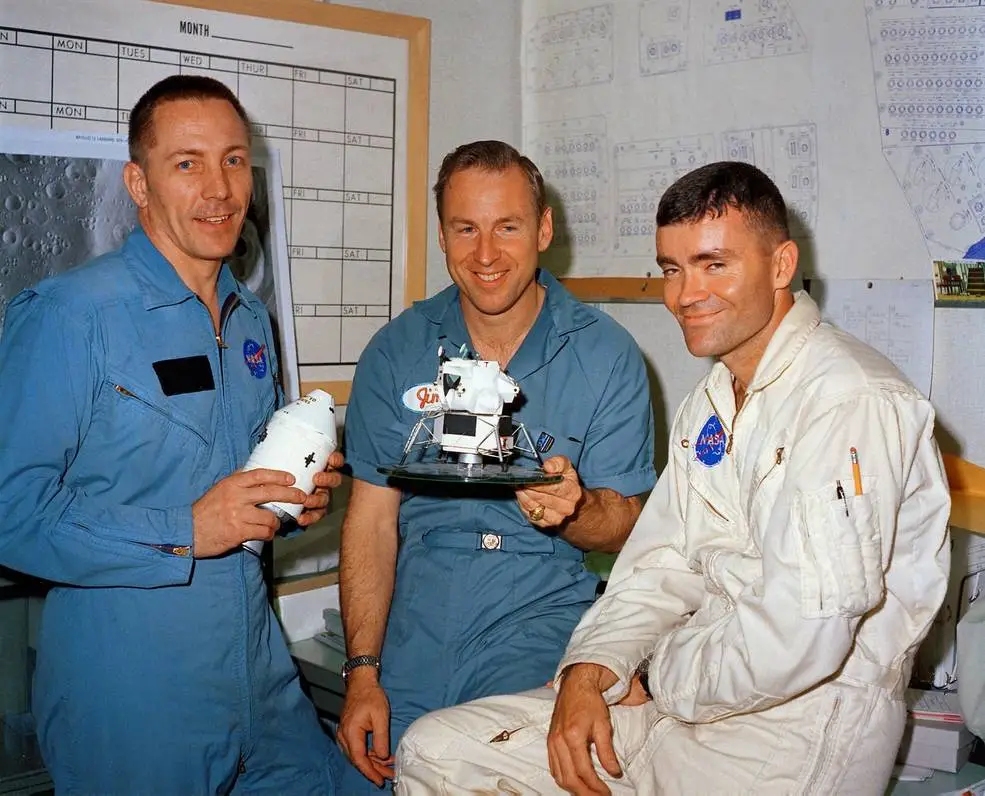
An overlooked thermostat, eight hours of overheating on a Florida launch pad, and 200,000 miles of coasting through deep space. Then Oxygen Tank No. 2 tore itself apart, and three men had to figure out how to come home alive in a spacecraft designed to land on the Moon.
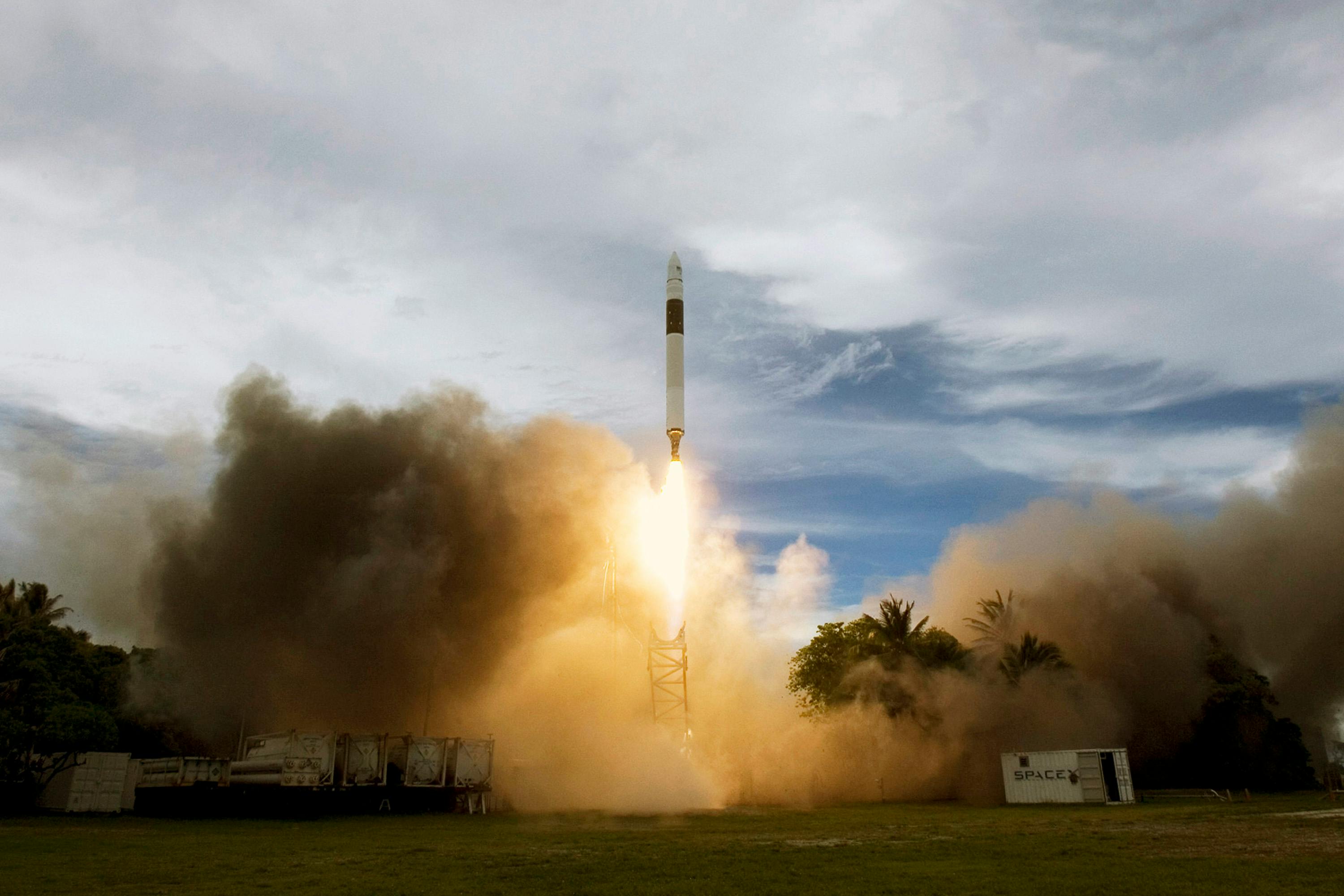
A Falcon 9 lifted off from SLC-40 at 6:50 a.m. EDT carrying Starlink satellites and Besxar Space Industries semiconductor test pods.