

Space Brief 2 Apr 2025
DARPA's accidental SpaceX detection highlights Earth as a natural sensor, while SpaceX's Fram2 launches into a polar orbit. Helsinki's defense budget rise hints at increased military satellite activity.


Launch Date
July 14, 2017
Launch Site
Launch Pad
LC31
Launch Vehicle
Soyuz-2-1A
NORAD ID
42896
International Designator
2017-042BZ
Decay Date
5/1/2022
Name
FLOCK 2K-9
Alternative Name
Flock 2k-9
Type
Status
Owner
PLAN
Country
United States
Constellation
N/A
Related Satellites
Major Events
N/A
Length
0.3
Diameter
0.1
Span
0.3
Dry Mass
4.7
Launch Mass
4.7
Shape
Box+2 pan
Radar Cross Section
Unknown
Visual Magnitude
Unknown
Color
Unknown
Material Composition
Unknown
Payload
Dove 0F2E
Purpose
Technology
Mission
Technology
Manufacturer
PLAN
Life Expectancy
~ 1 year (ISS orbit); 2-3 years (SSO)
Bus
Cubesat 3U
Configuration
CubeSat (3U)
Motor
None (most); FEEP (#Flock-3p')
Equipment
PS0, PS1 or PS2 imaging payload
Power System
Solar cells, batteries
ADCS
Unknown
Transmitter Frequency
Unknown
Learn more about satellites and other related topics.
DARPA's accidental SpaceX detection highlights Earth as a natural sensor, while SpaceX's Fram2 launches into a polar orbit. Helsinki's defense budget rise hints at increased military satellite activity.
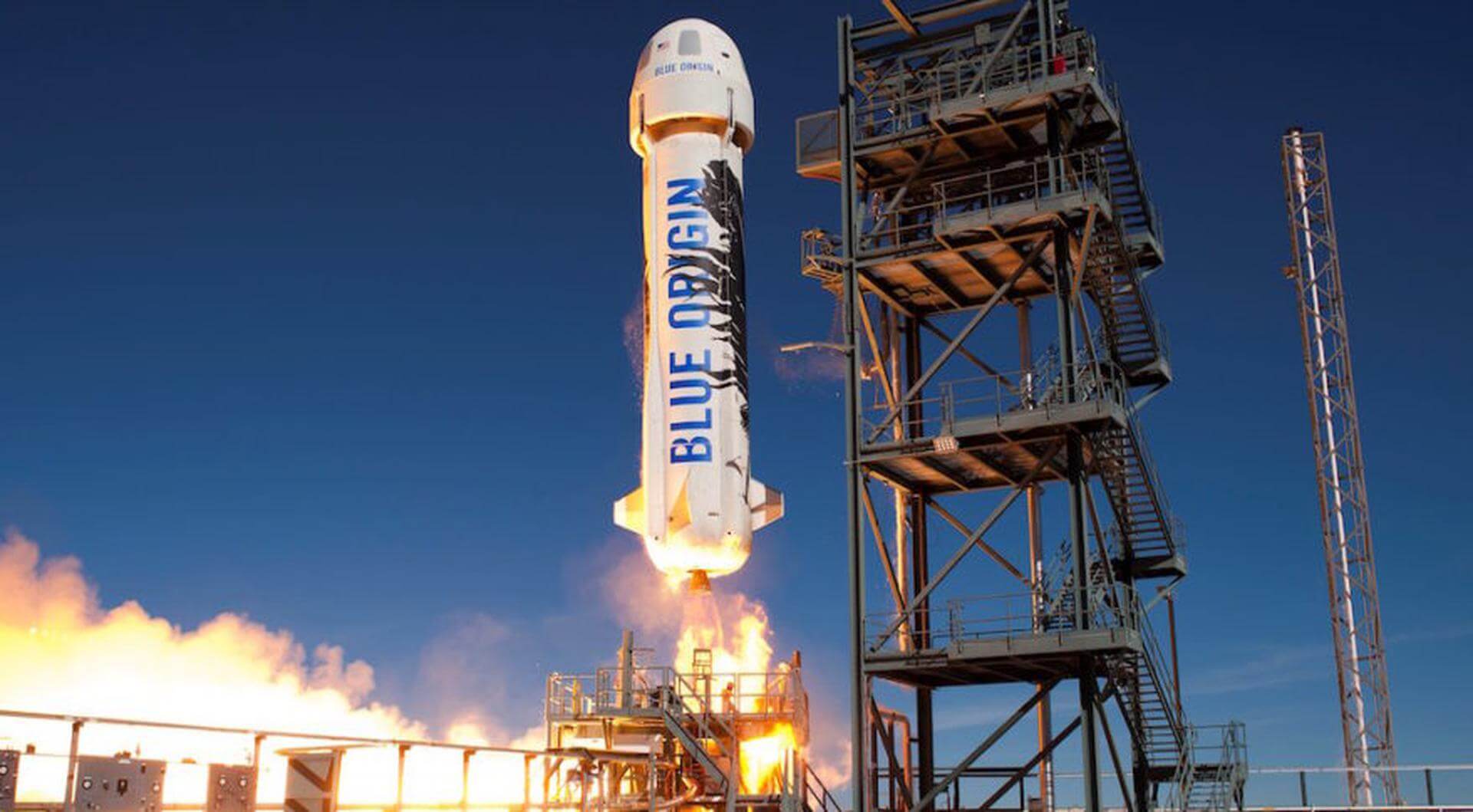
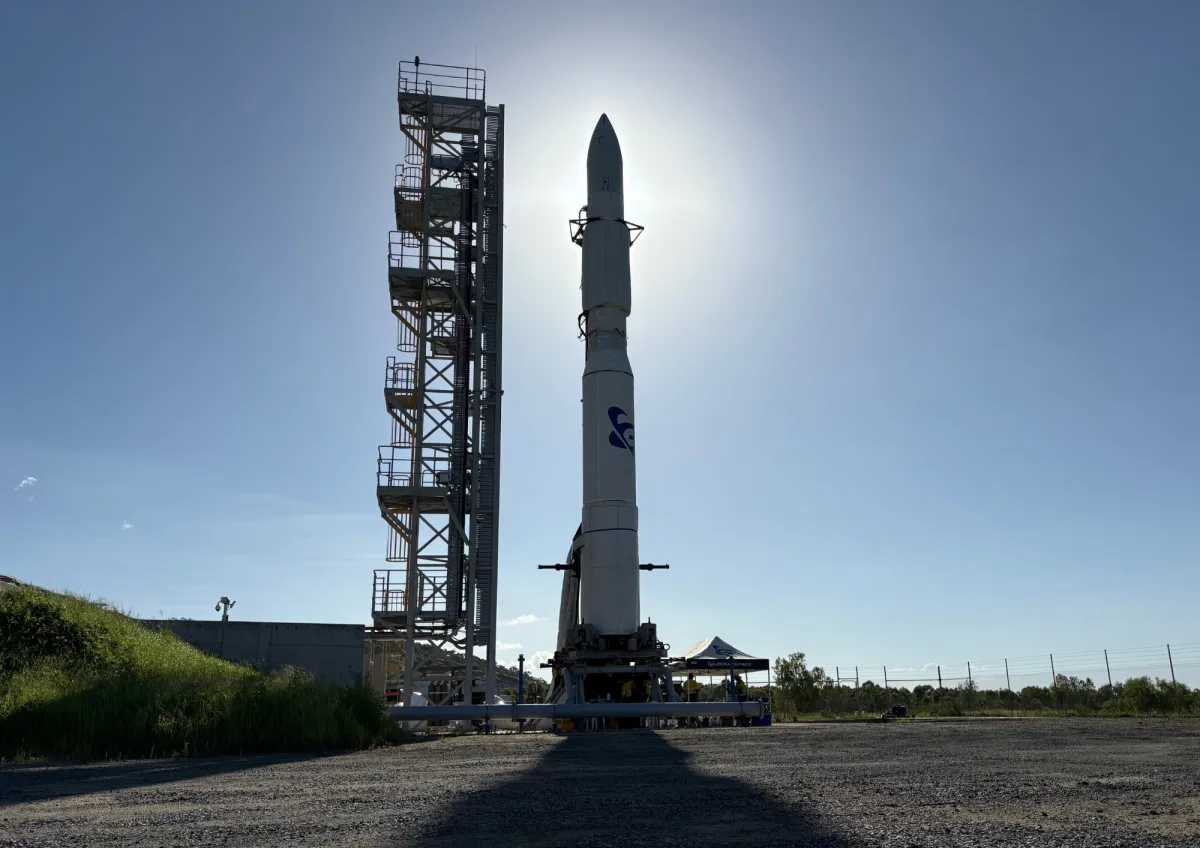
Today's brief covers significant space events, including milestone national security certifications for ULA Vulcan and Rocket Lab, SpaceX's groundbreaking polar orbit mission, and a failed launch attempt by Isar Aerospace.
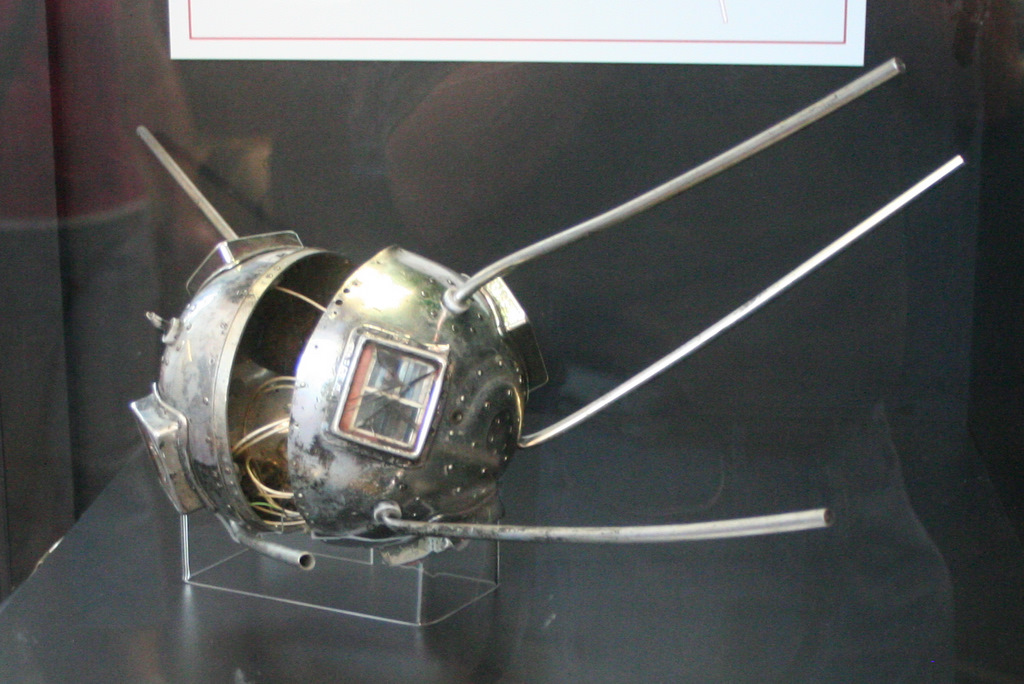
Sixty-eight years ago, America's first satellite exploded on the launchpad in front of the entire world. But from the ashes of Vanguard TV-3 came the determination that would eventually win the Space Race.

Today's report highlights the causes behind a recent Starship explosion, a significant delay in Axiom-4's launch, and the ongoing tension surrounding SpaceX's market dominance.
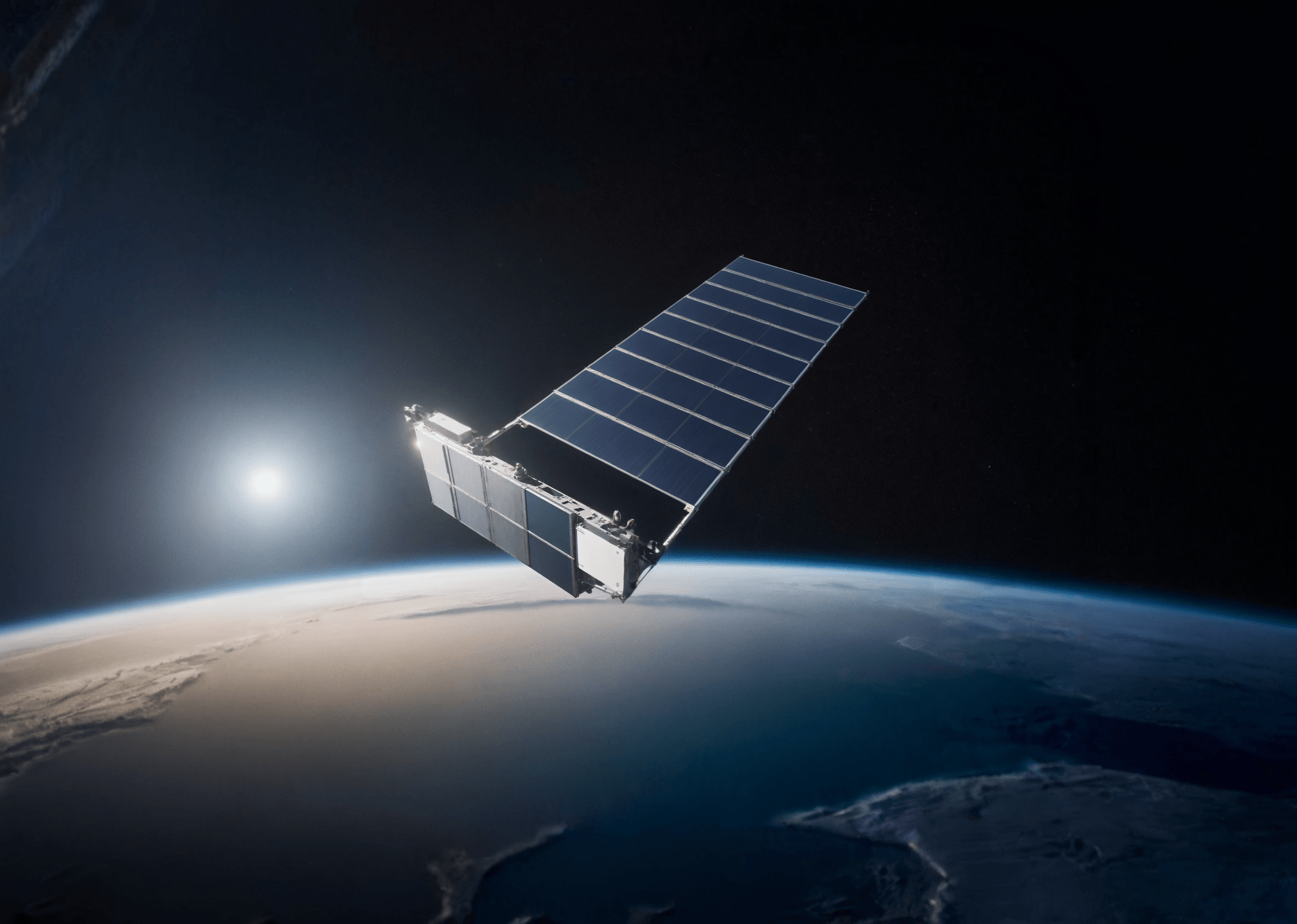
As of March 2024, SpaceX's Starlink has made remarkable strides in its quest to provide global broadband internet access. With an astounding number of satellites already in orbit and ambitious plans for expansion, Starlink is on track to dominate Earth's orbit in the coming years.
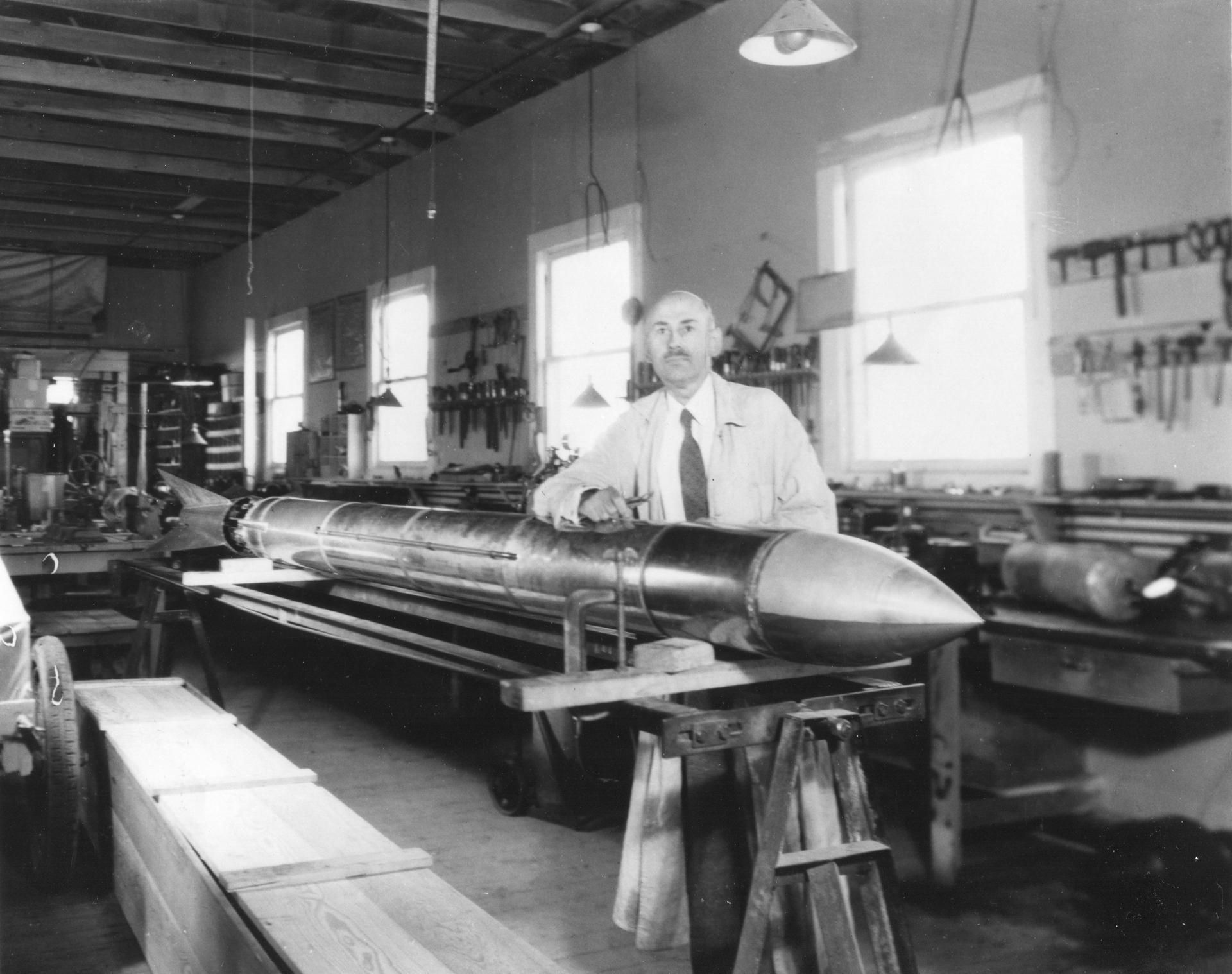
On February 2, 1909, Robert Goddard made a revolutionary breakthrough in his notebook: liquid oxygen and liquid hydrogen could achieve 50% efficiency in converting heat energy to kinetic energy for rocket propulsion

As humanity increasingly relies on satellites, the escalating space junk problem poses a dire threat to our space-based infrastructure. With debris counts reaching alarming levels, urgent action is needed to prevent a cascade of collisions that could make key orbits unusable.

Today's briefing focuses on key developments in military space activities, technological advancements, and strategic challenges faced by the U.S. in space dominance. Notably, the Space Force is expanding its missile warning capabilities, and significant funding discussions are underway.