FLOCK 2K-15 (42890)

COSPAR: 2017-042BT | Alt Name: Flock 2k-15
DECAYED

Image
FLOCK 2K-15 Satellite Image
Additional Sources
Launch Details

Launch Date

July 14, 2017

Launch Pad

LC31

Launch Vehicle

Soyuz-2-1A

Orbital Elements

NORAD ID

42890

International Designator

2017-042BT

Decay Date

9/2/2022

Basic Satellite Info

Name

FLOCK 2K-15

Alternative Name

Flock 2k-15

Type

Payload

Status

Decayed

Owner

PLAN

Country

United States

Constellation

N/A

Related Satellites

Major Events

N/A

Summary
The FLOCK 2K-15 satellite, also known as Flock 2k-15, is a CubeSat (3U) technology satellite manufactured by PLAN and owned by the same entity. It was launched on July 14, 2017, from TYMSC LC31 using a Soyuz-2-1A launch vehicle. The satellite has dimensions of 0.3 meters in length, 0.1 meters in diameter, and spans 0.3 meters. It weighs 4.7 kilograms both at launch and dry mass. Equipped with PS0, PS1 or PS2 imaging payload known as Dove 0F3C, the satellite's power comes from solar cells and batteries. Its shape is described as box+2 pan configuration without an ADCS system specified. The expected lifetime of FLOCK 2K-15 ranges approximately between one year in ISS orbit to two to three years in SSO (Sun-Synchronous Orbit).
Physical Characteristics

Length

0.3

Diameter

0.1

Span

0.3

Dry Mass

4.7

Launch Mass

4.7

Shape

Box+2 pan

Radar Cross Section

Unknown

Visual Magnitude

Unknown

Color

Unknown

Material Composition

Unknown

Technical Details

Payload

Dove 0F3C

Purpose

Technology

Mission

Technology

Manufacturer

PLAN

Life Expectancy

~ 1 year (ISS orbit); 2-3 years (SSO)

Bus

Cubesat 3U

Configuration

CubeSat (3U)

Motor

None (most); FEEP (#Flock-3p')

Equipment

PS0, PS1 or PS2 imaging payload

Power System

Solar cells, batteries

ADCS

Unknown

Transmitter Frequency

Unknown

Satellite Articles

View All Posts »

Learn more about satellites and other related topics.

X Report 5 Dec 2025

X Report 5 Dec 2025

SpaceX made significant strides with the launch of 28 Starlink satellites while navigating regulatory challenges regarding rural broadband funding. Additionally, developments on the Crew Dragon mission continue to evolve with a change in cosmonaut assignment.

The Day Humanity Broke Its Last Tether to Earth

The Day Humanity Broke Its Last Tether to Earth

Forty-one years ago, astronaut Bruce McCandless II became the first human to float completely free in space, pushing the boundaries of both technology and human courage

The Day Humanity Got Its First Close-up of the Future Apollo Landing Site

The Day Humanity Got Its First Close-up of the Future Apollo Landing Site

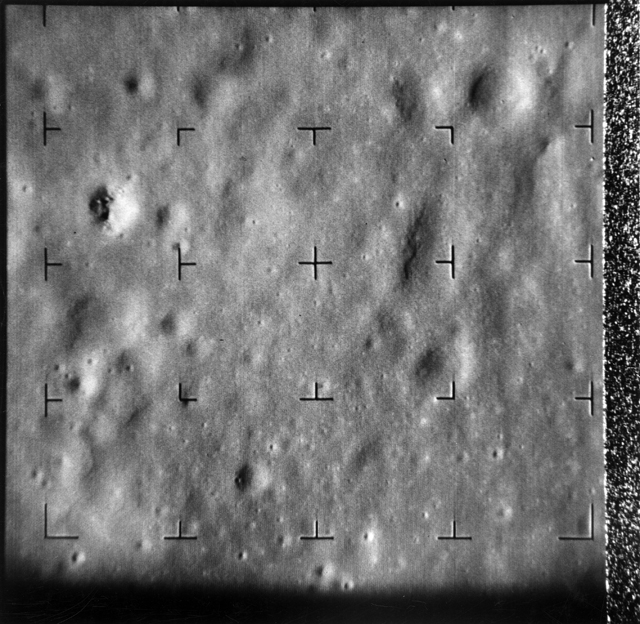
Sixty years ago, a pioneering spacecraft called Ranger 8 captured thousands of detailed photographs of the lunar surface before intentionally crashing into the Moon, helping pave the way for humanity's first steps on another world

Six Missions Worth Watching After Artemis II

Six Missions Worth Watching After Artemis II

Artemis II grabbed the headlines, but six other missions are quietly approaching milestones that could reshape what we know about Mercury, Mars, asteroids, exoplanets, and the Moon's south pole. Here is what is actually happening with each of them.

SpaceX Preps Seventh Starlink Launch of 2026 With 25 Satellites | KeepTrack X Report

SpaceX Preps Seventh Starlink Launch of 2026 With 25 Satellites | KeepTrack X Report

SpaceX readies Starlink 17-20 launch of 25 satellites to polar orbit from Vandenberg pad 4E — seventh Starlink mission of the year. 11,009 total Starlink satellites launched to date.

Starship Barge Spotted for Component Transport to Kennedy Space Center | KeepTrack X Report

Starship Barge Spotted for Component Transport to Kennedy Space Center | KeepTrack X Report

Starship transport barge identified for shipping components from Starbase to Kennedy Space Center. Starlink's 2025 report shows 4.6M new customers and expansion to 35 new regions.

X Report 25 Feb 2025

X Report 25 Feb 2025

SpaceX has completed the investigation into Starship Flight 7, announcing causes ahead of the next planned launch, while numerous missions are lined up for launch this week.

Joe Engle and the Youngest Astronaut Wings Ever Earned

Joe Engle and the Youngest Astronaut Wings Ever Earned

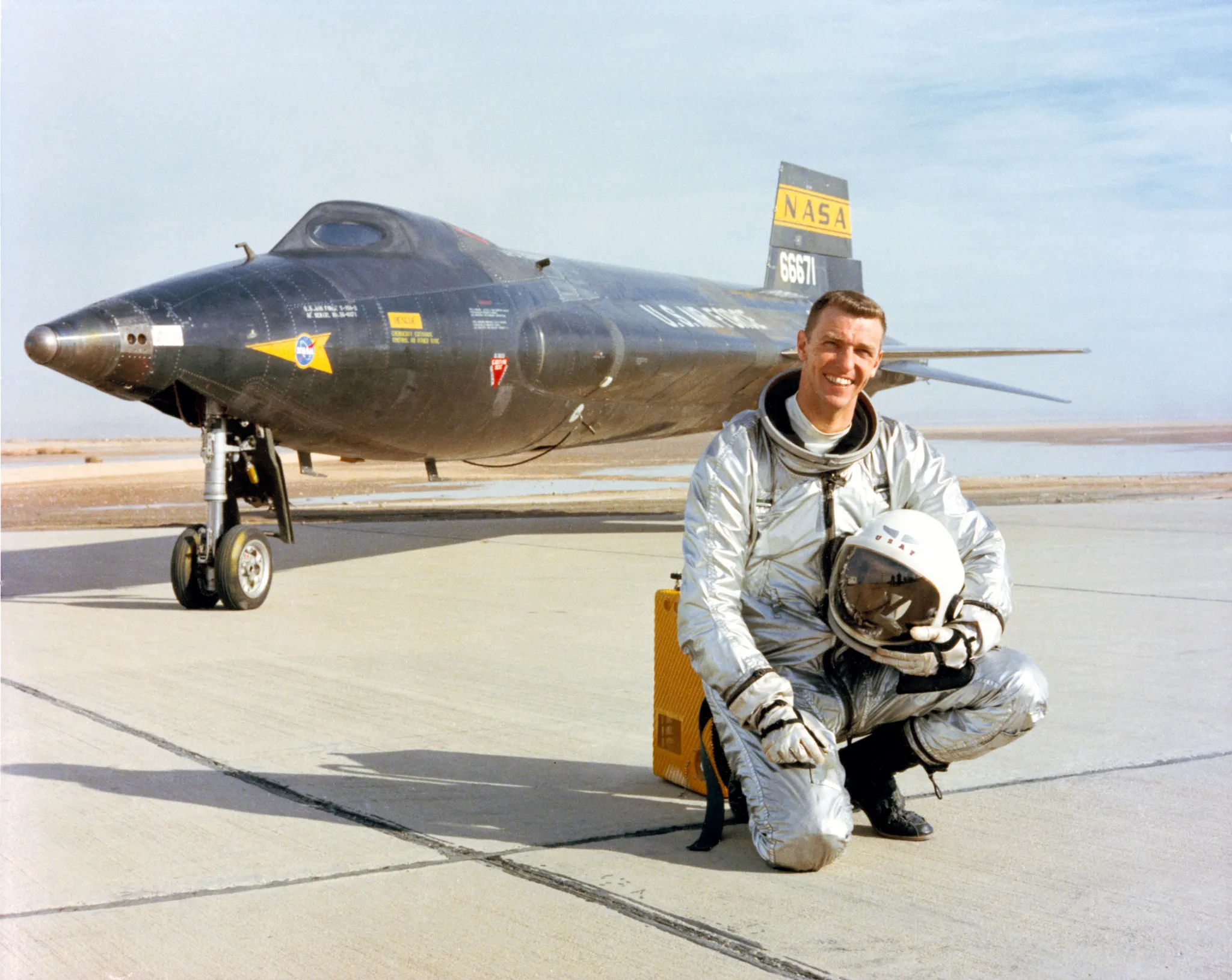
On 29 June 1965, a young Air Force test pilot rode a rocket-powered airplane to 280,600 feet above the California desert. He landed ten minutes later as the youngest person ever to earn astronaut wings.