


Space Brief 26 Nov 2024
Today's headlines include new launch schedules, military industrial base challenges, and NASA's exploration of historic Cold War sites. Discover significant space events and satellite insights.


Launch Date
July 14, 2017
Launch Site
Launch Pad
LC31
Launch Vehicle
Soyuz-2-1A
NORAD ID
42879
International Designator
2017-042BG
Decay Date
1/14/2022
Name
FLOCK 2K-33
Alternative Name
Flock 2k-33
Type
Status
Owner
PLAN
Country
United States
Constellation
N/A
Related Satellites
Major Events
N/A
Length
0.3
Diameter
0.1
Span
0.3
Dry Mass
4.7
Launch Mass
4.7
Shape
Box+2 pan
Radar Cross Section
Unknown
Visual Magnitude
Unknown
Color
Unknown
Material Composition
Unknown
Payload
Dove 104C
Purpose
Technology
Mission
Technology
Manufacturer
PLAN
Life Expectancy
~ 1 year (ISS orbit); 2-3 years (SSO)
Bus
Cubesat 3U
Configuration
CubeSat (3U)
Motor
None (most); FEEP (#Flock-3p')
Equipment
PS0, PS1 or PS2 imaging payload
Power System
Solar cells, batteries
ADCS
Unknown
Transmitter Frequency
Unknown
Learn more about satellites and other related topics.
Today's headlines include new launch schedules, military industrial base challenges, and NASA's exploration of historic Cold War sites. Discover significant space events and satellite insights.

Today's brief covers SpaceX's secretive military launch, advancements in nuclear fusion, and groundbreaking observations of dying stars and supernovae.
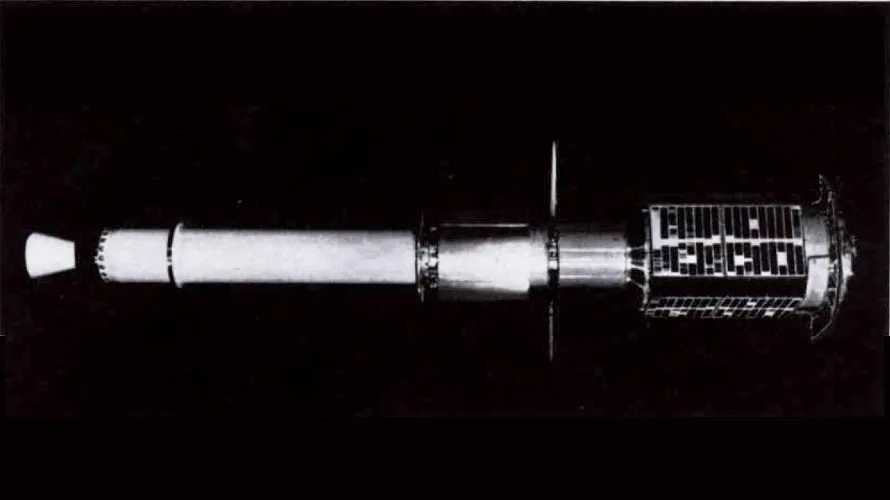
On April 27, 1961, a Scout rocket lifted a 37-kilogram NASA satellite into orbit from Wallops Island carrying the first serious instrument for detecting cosmic gamma rays. Explorer 11 operated for seven months before its tape recorder failed. In that time it registered 22 gamma-ray photons - a pitiful number by modern standards, but enough to launch an entire branch of astronomy.

Today's Space Brief covers the reentry of Firefly's Blue Ghost moon lander, a compelling study on space debris exacerbated by climate change, and new advancements from the Vera Rubin Observatory.

Today's brief highlights a Pentagon satellite network challenge, the expanding use of AI in military strategy, and advancements in commercial launch vehicle production.

Elon Musk confirms Starship V3 tower catch attempt plans with SN1 headed for ground tests. SpaceX wraps February with 83 Starlink satellites across three launches. 9,826 sats on orbit.
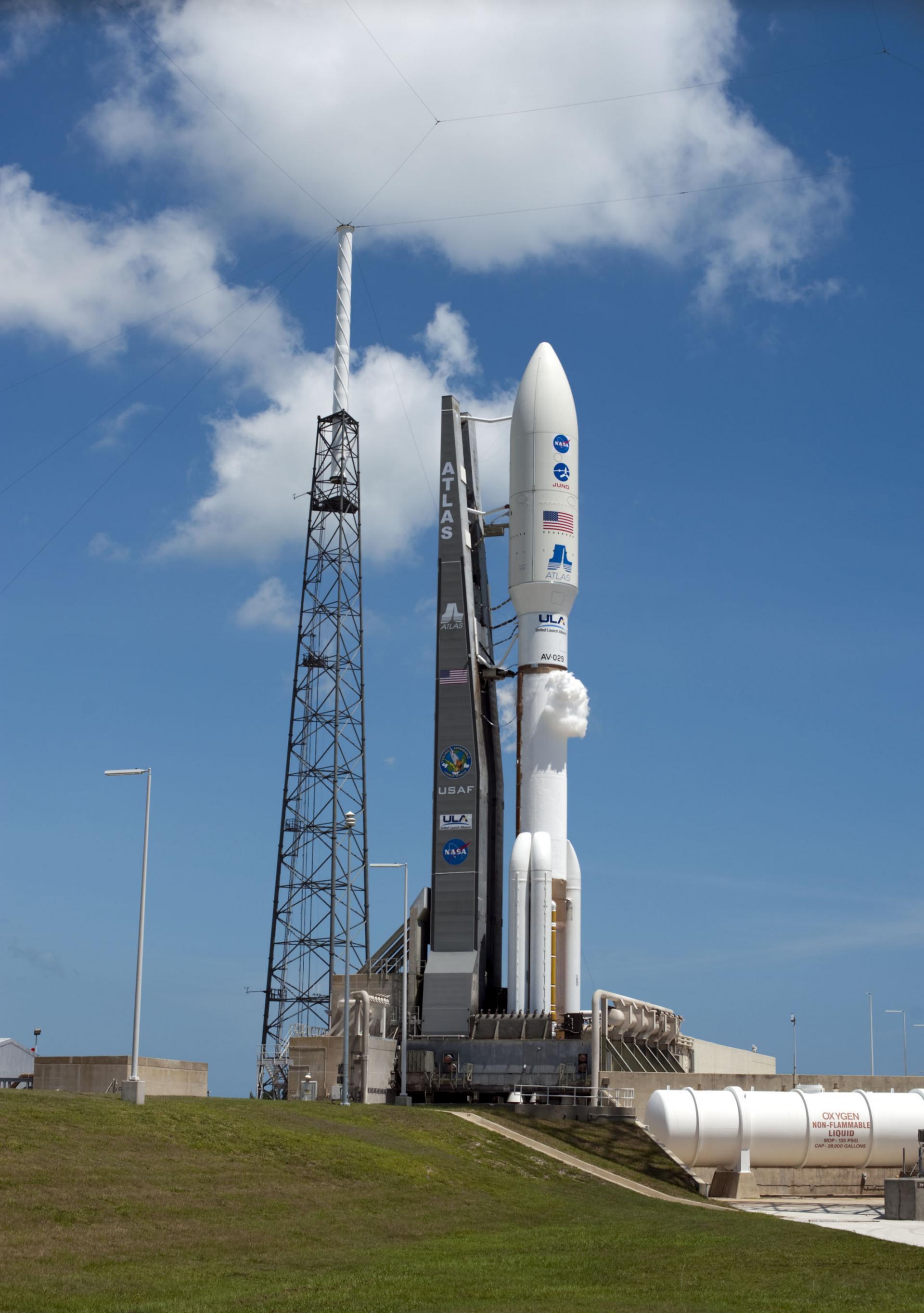
Today's briefing covers space-based missile defense, AI maritime surveillance, and new governmental shifts impacting the defense sector.
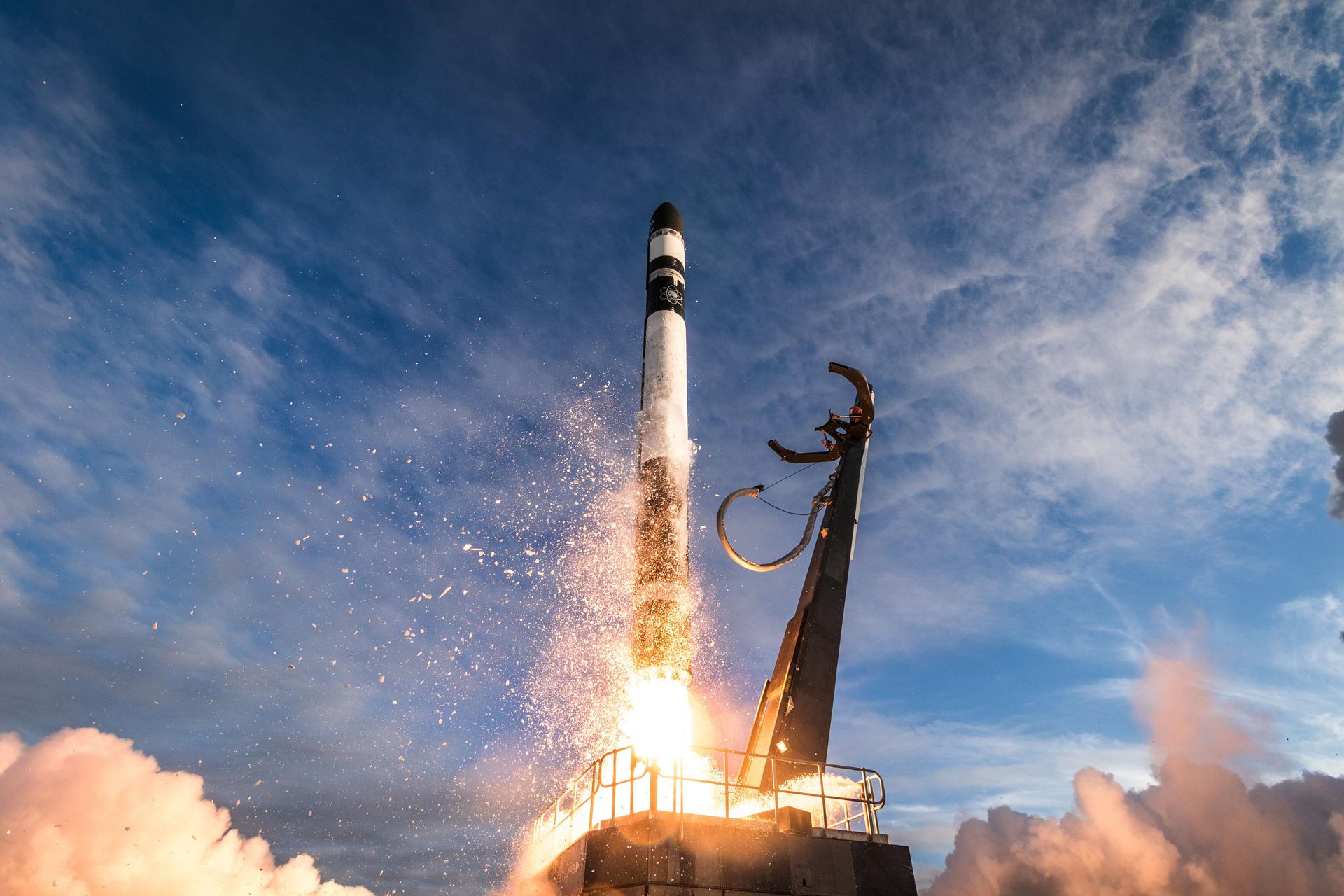
Today's focus spans critical developments in military space initiatives, strategic policy shifts, and modest steps in semiconductor advancements. Key developments include Rocket Lab's new U.S. Air Force contract, Sierra Space's progress in satellite programs, and potential policy changes under Trump's leadership.