

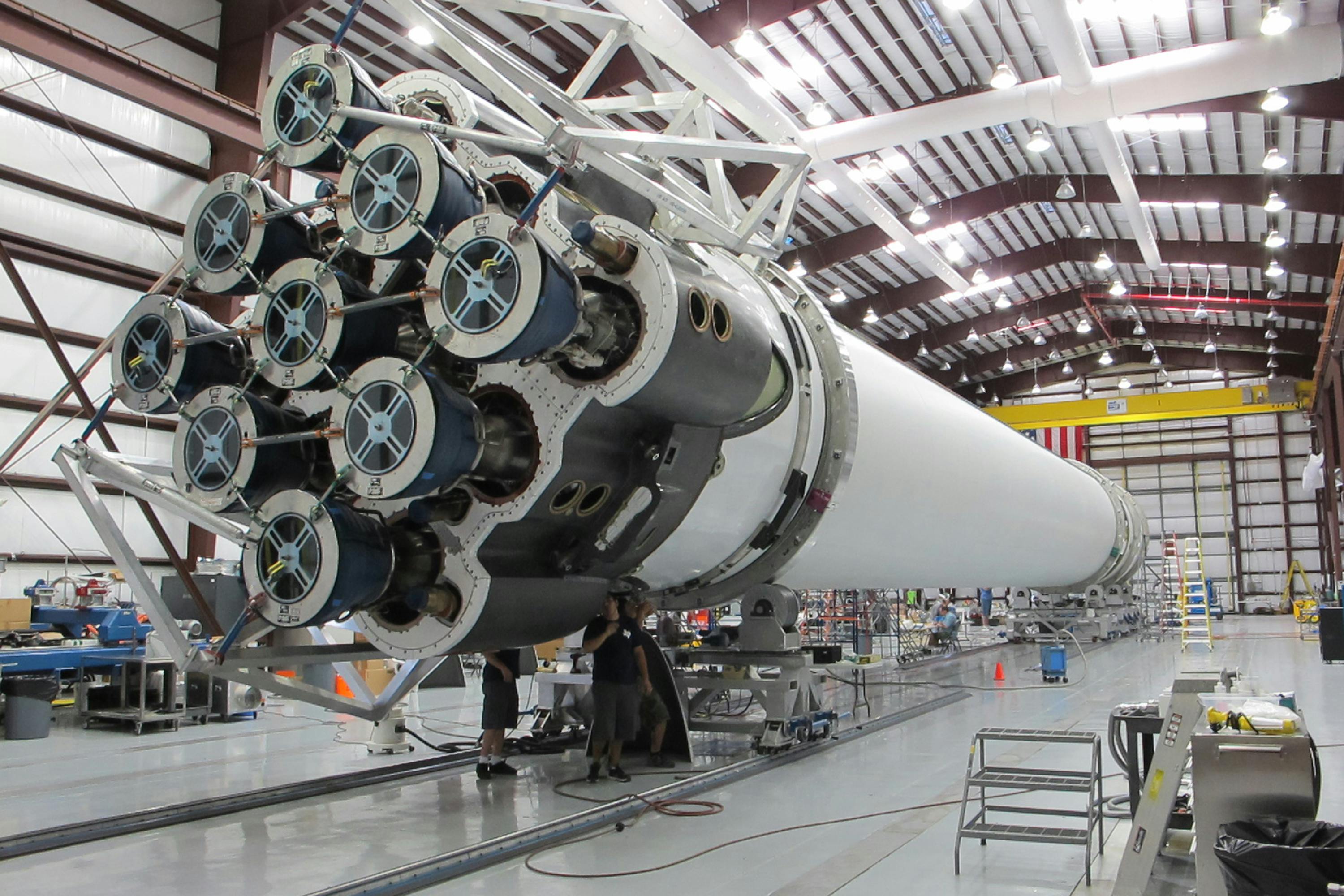
All 33 Raptor V3 Engines Ignite in Super Heavy Static Fire | KeepTrack X Report
SpaceX ignited all 33 next-gen Raptor V3 engines on the Super Heavy booster at Starbase, Texas, marking a critical milestone toward the next Starship flight.


Launch Date
July 14, 2017
Launch Site
Launch Pad
LC31
Launch Vehicle
Soyuz-2-1A
NORAD ID
42865
International Designator
2017-042AS
Decay Date
8/28/2022
Name
FLOCK 2K-40
Alternative Name
Flock 2k-40
Type
Status
Owner
PLAN
Country
United States
Constellation
N/A
Related Satellites
Major Events
N/A
Length
0.3
Diameter
0.1
Span
0.3
Dry Mass
4.7
Launch Mass
4.7
Shape
Box+2 pan
Radar Cross Section
Unknown
Visual Magnitude
Unknown
Color
Unknown
Material Composition
Unknown
Payload
Dove 1053
Purpose
Technology
Mission
Technology
Manufacturer
PLAN
Life Expectancy
~ 1 year (ISS orbit); 2-3 years (SSO)
Bus
Cubesat 3U
Configuration
CubeSat (3U)
Motor
None (most); FEEP (#Flock-3p')
Equipment
PS0, PS1 or PS2 imaging payload
Power System
Solar cells, batteries
ADCS
Unknown
Transmitter Frequency
Unknown
Learn more about satellites and other related topics.
SpaceX ignited all 33 next-gen Raptor V3 engines on the Super Heavy booster at Starbase, Texas, marking a critical milestone toward the next Starship flight.
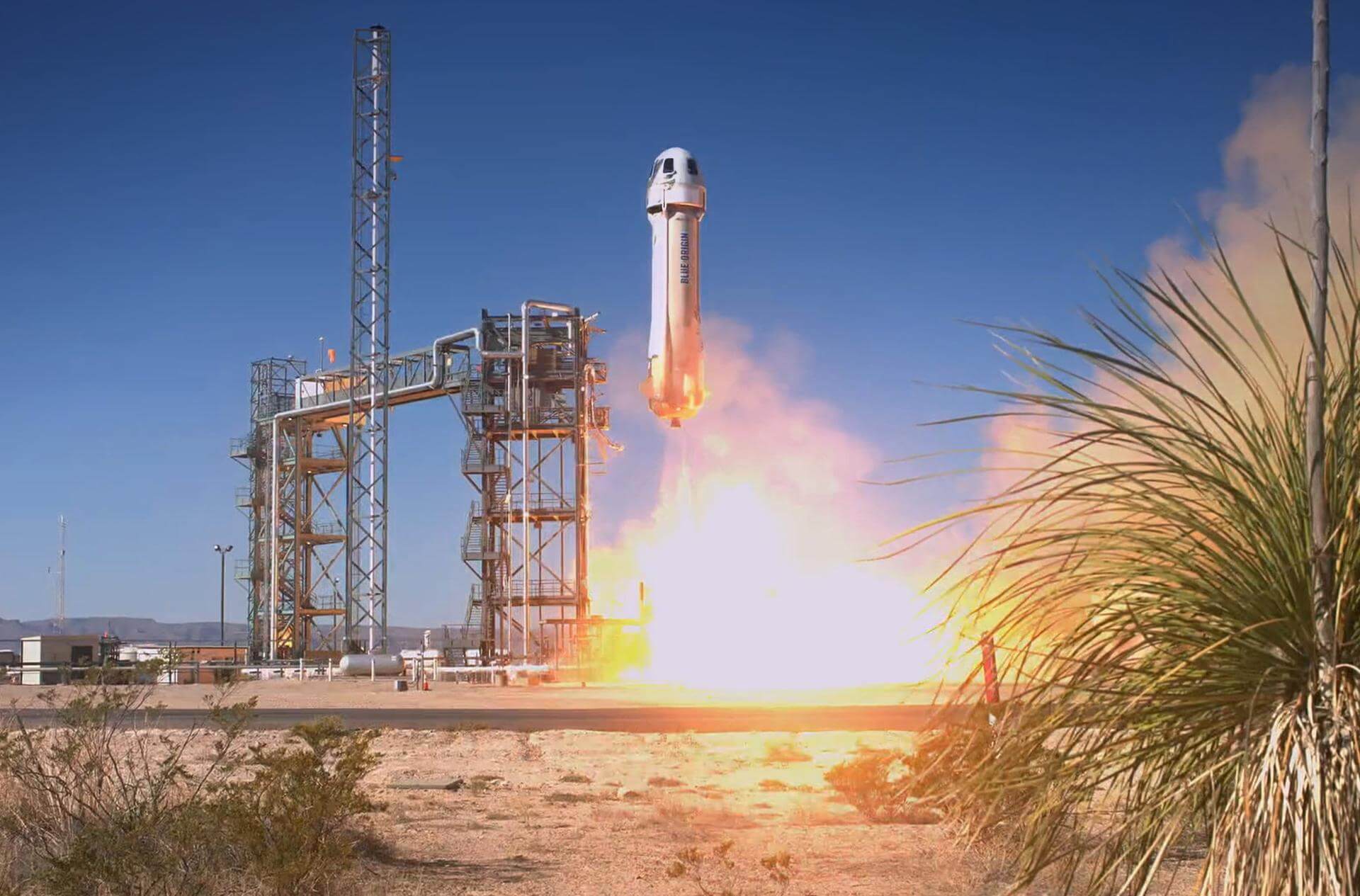
Today's highlights include multiple SpaceX Starlink launches, a successful Rocket Lab mission for JAXA, and a scheduled launch update from Kennedy Space Center.

SpaceX continues to make strides with multiple launches, including 28 Starlink satellites and NASA's IMAP mission, highlighting its ongoing role in advancing space weather research.
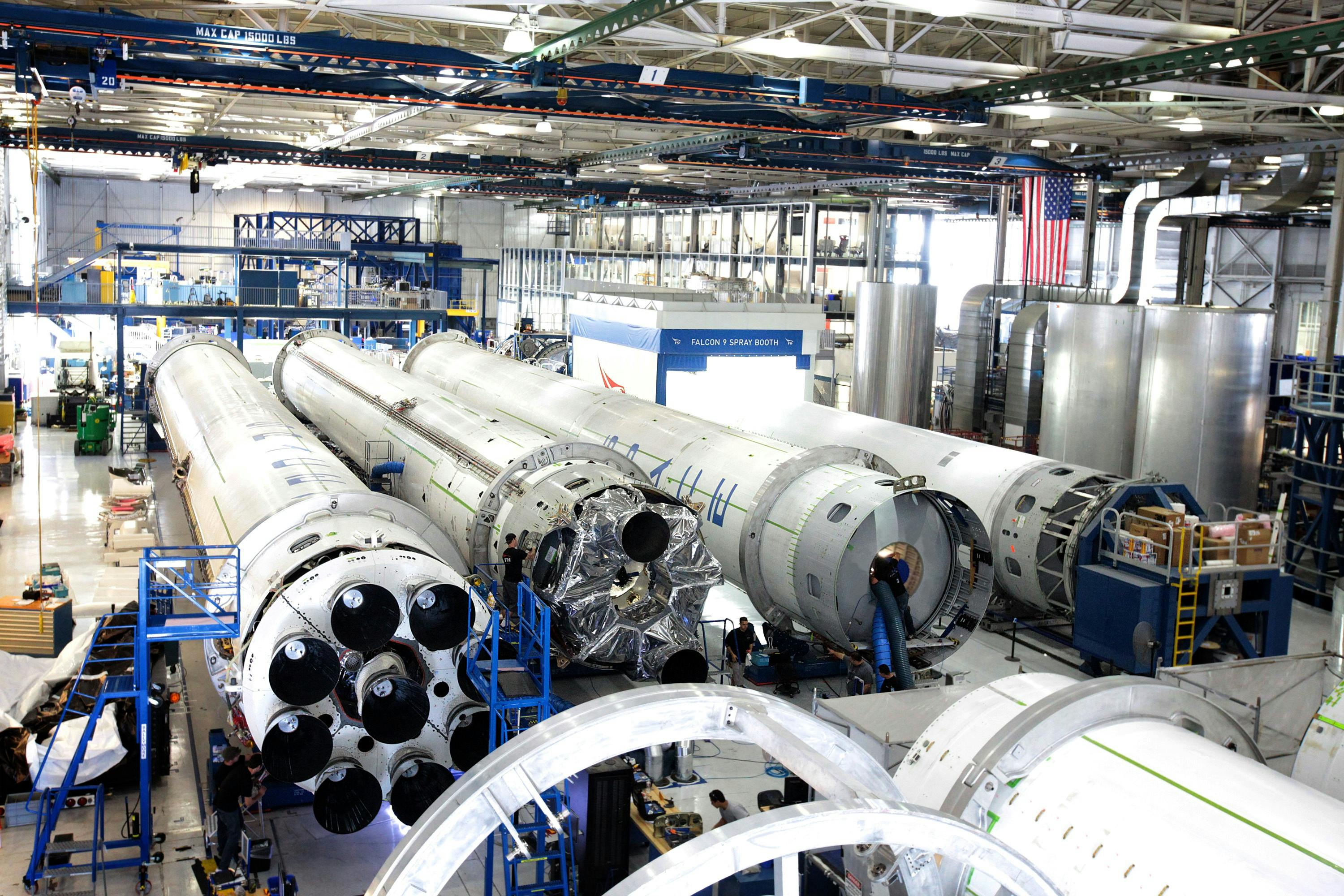
SpaceX gears up for the Transporter 14 rideshare mission, while recent Starship setbacks have not deterred plans for Falcon 9 launches.

SpaceX scrubbed Starship Flight 12's V3 debut due to a hydraulic pin fault, then filed an $18.7B IPO S-1 targeting Nasdaq under ticker SPCX.
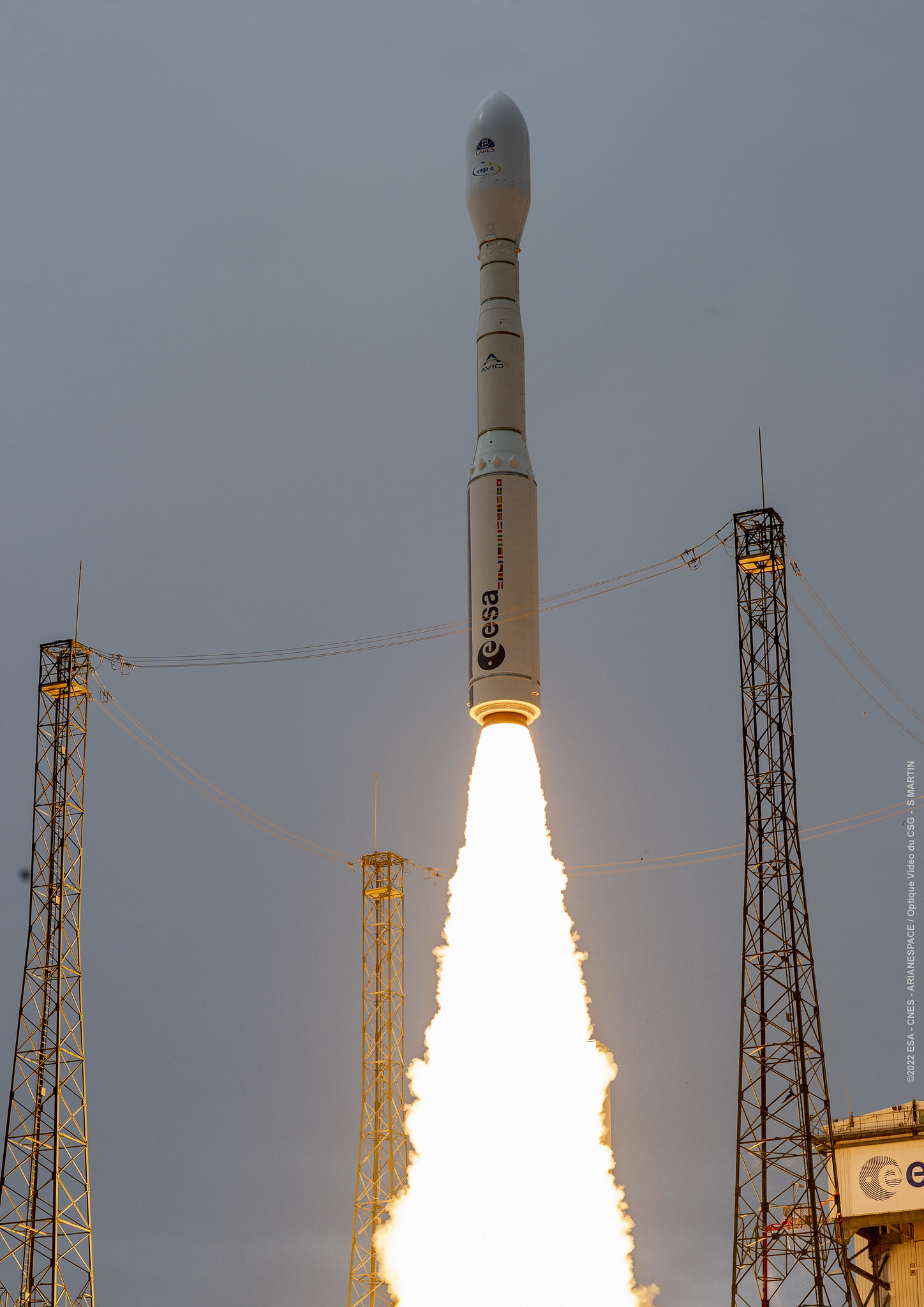
SpaceX launches a doubleheader of satellites while Blue Origin prepares for a historic all-female spaceflight. Also, meet FORMOSAT-5 in our Satellite Spotlight.
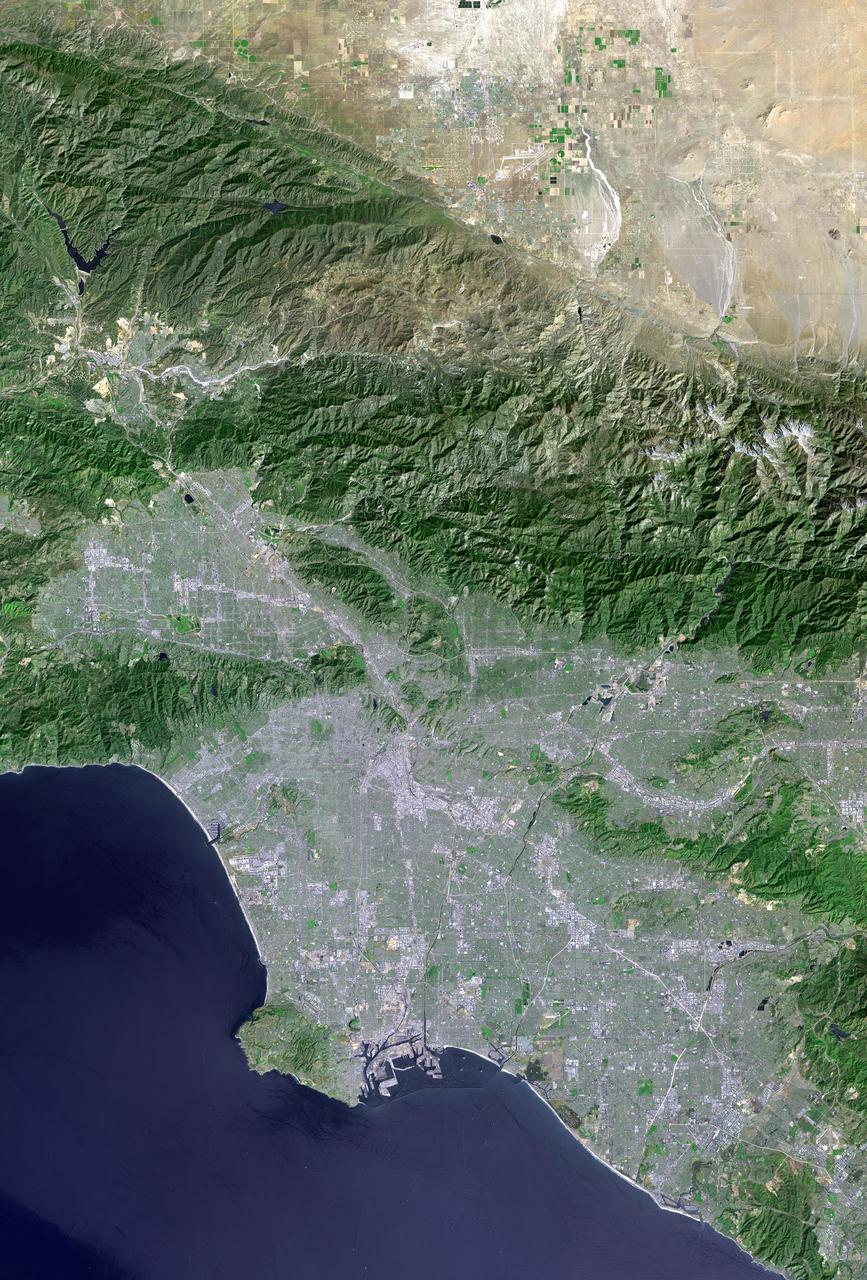
Landsat 7 launched on April 15, 1999, designed to last five years. It operated for twenty-five, survived a failure that destroyed a fifth of every image it took, and became part of the longest continuous record of Earth's surface ever assembled. Then they made the data free.

SpaceX IPO paperwork stokes Tesla merger predictions: the amended S-1 sank Tesla stock 5% in a day. Starlink stands at 10,492 working satellites.