

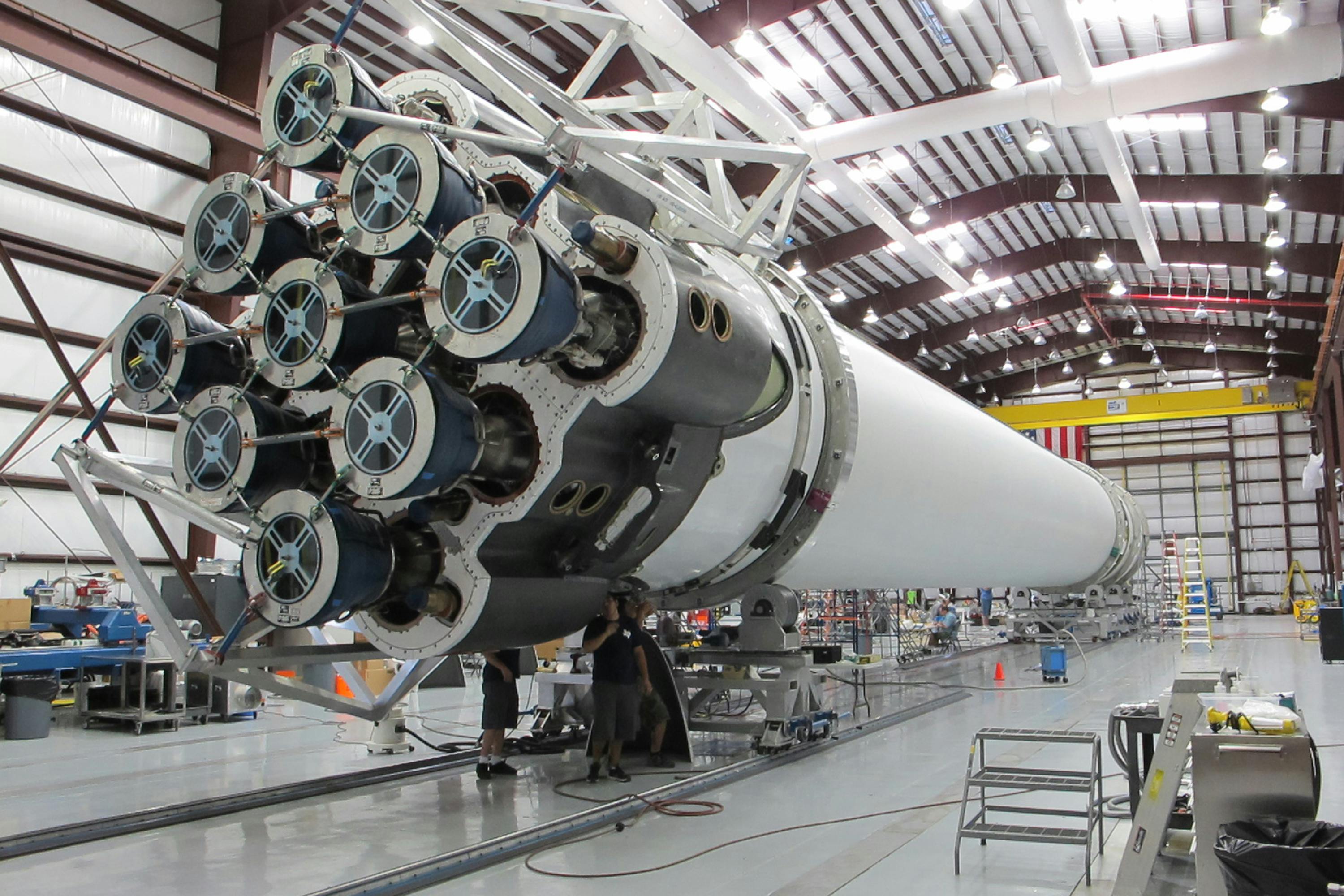
X Report 5 Jan 2025
SpaceX prepares for the next Starship test flight with significant vehicle upgrades, launches UAE's Thuraya-4 satellite, and reflects on a record-breaking 2024 while planning for a promising 2025.


Launch Date
July 14, 2017
Launch Site
Launch Pad
LC31
Launch Vehicle
Soyuz-2-1A
NORAD ID
42852
International Designator
2017-042AD
Decay Date
3/17/2022
Name
FLOCK 2K-1
Alternative Name
Flock 2k-1
Type
Status
Owner
PLAN
Country
United States
Constellation
N/A
Related Satellites
Major Events
N/A
Length
0.3
Diameter
0.1
Span
0.3
Dry Mass
4.7
Launch Mass
4.7
Shape
Box+2 pan
Radar Cross Section
Unknown
Visual Magnitude
Unknown
Color
Unknown
Material Composition
Unknown
Payload
Dove 0F1A
Purpose
Technology
Mission
Technology
Manufacturer
PLAN
Life Expectancy
~ 1 year (ISS orbit); 2-3 years (SSO)
Bus
Cubesat 3U
Configuration
CubeSat (3U)
Motor
None (most); FEEP (#Flock-3p')
Equipment
PS0, PS1 or PS2 imaging payload
Power System
Solar cells, batteries
ADCS
Unknown
Transmitter Frequency
Unknown
Learn more about satellites and other related topics.
SpaceX prepares for the next Starship test flight with significant vehicle upgrades, launches UAE's Thuraya-4 satellite, and reflects on a record-breaking 2024 while planning for a promising 2025.

SpaceX publicly confirmed 2 Starshield government satellites launched from Vandenberg on June 6, a rare disclosure for the classified Starlink variant.
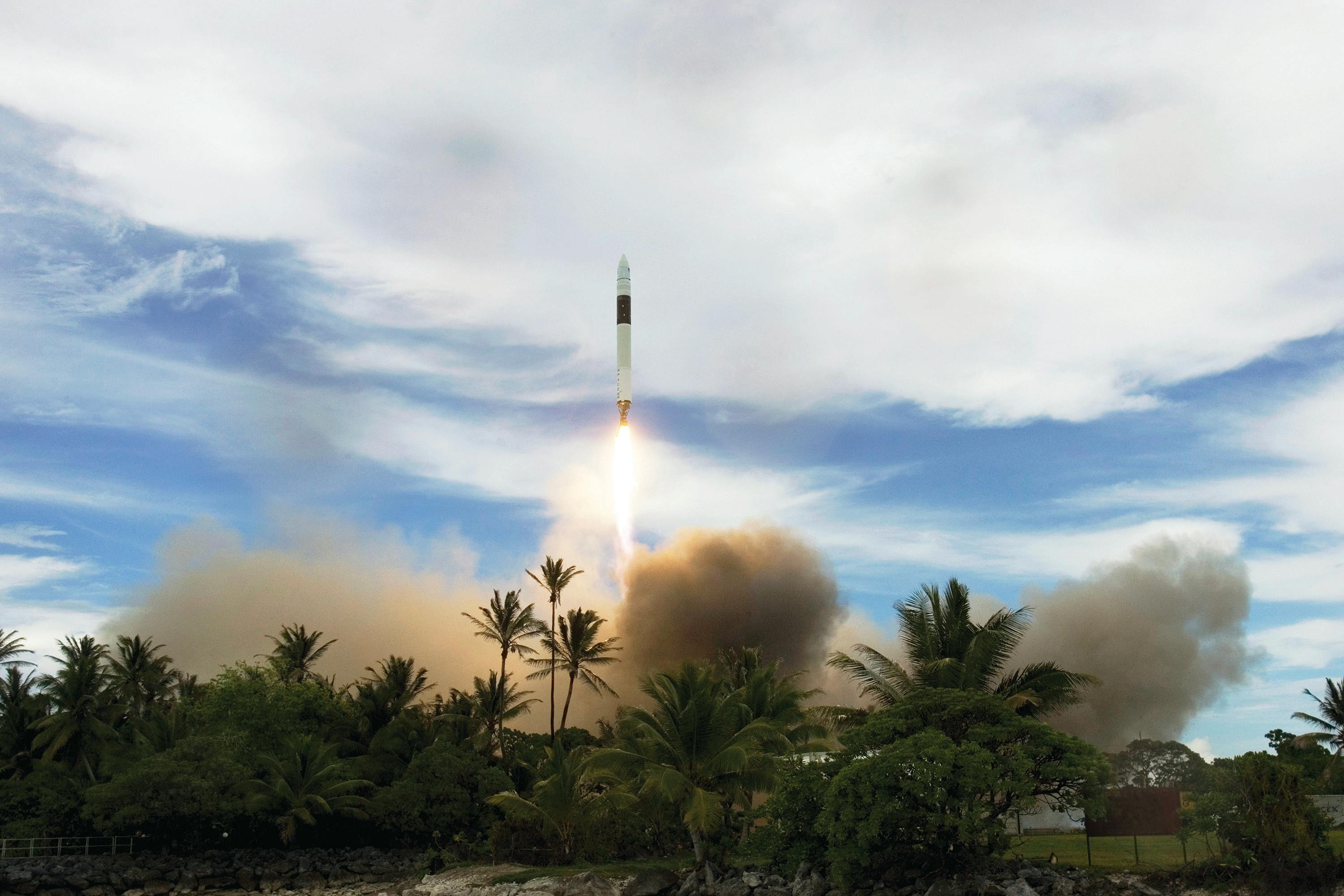
SpaceX's busy launch schedule faces scrubs, while industry leaders call for infrastructure upgrades, highlighting challenges in the bustling space sector.

Space highlights include a debut launch of ZhuQue-2E, Firefly's lunar lander timeline, semiconductor funding for satellites, and ISS debris avoidance.

Jonathan's Space Report is a comprehensive resource for space launch and satellite data, compiled by astrophysicist Dr. Jonathan McDowell.
Today's highlights include Rocket Lab's successful 2025 kick-off launch, SpaceX's upcoming Starlink deployment, and a significant military satellite contract competition.

Today's highlights include Pulsar Fusion's groundbreaking nuclear rocket plans, partnerships for the Haven-1 space station, and a spotlight on military collaboration in quantum technology.

The Kessler Syndrome threatens humanity's future in space as cascading satellite collisions create exponential debris growth. With 36,000+ tracked objects and recent incidents accelerating risks, we face a critical juncture: implement solutions now or potentially lose access to low Earth orbit forever.