



Space Brief 26 Nov 2024
Today's headlines include new launch schedules, military industrial base challenges, and NASA's exploration of historic Cold War sites. Discover significant space events and satellite insights.


Launch Date
July 14, 2017
Launch Site
Launch Pad
LC31
Launch Vehicle
Soyuz-2-1A
NORAD ID
42849
International Designator
2017-042AA
Epoch
Sat, 04 Jul 2026 04:03:58 GMT
Apogee
Calculating...
Perigee
Calculating...
Inclination
97.43°
Right Ascension
350.35°
Eccentricity
Calculating...
Argument of Perigee
51.06°
Period
95.50 min
Mean Motion
15.08 rev/day
Latitude
Calculating...
Longitude
Calculating...
Altitude
Calculating...
Velocity
Calculating...
Name
CICERO 3
Alternative Name
CICERO-3
Type
Status
Owner
GEOOPT
Country
United States
Constellation
N/A
Related Satellites
Major Events
N/A
1 42849U 17042AA 26185.16942830 .00003949 00000-0 26116-3 0 9990
2 42849 97.4267 350.3540 0012008 51.0619 309.1678 15.07870615489776
Source: Celestrak
Apologies, there is no summary for this satellite yet. I am working to generate these for every object in the catalog, but it is going to take time.
Length
0.3
Diameter
0.2
Span
0.6
Dry Mass
10
Launch Mass
10
Shape
Box+2 pan
Radar Cross Section
Unknown
Visual Magnitude
Unknown
Color
Unknown
Material Composition
Unknown
Payload
CICERO-3
Purpose
Earth observation
Mission
Earth observation
Manufacturer
TYVAK
Life Expectancy
Unknown
Bus
Cubesat 6U
Configuration
CubeSat (6U)
Motor
Unknown
Equipment
Cion GPS radio occultation payload
Power System
Solar cells, batteries
ADCS
Unknown
Transmitter Frequency
Unknown
Learn more about satellites and other related topics.
Today's headlines include new launch schedules, military industrial base challenges, and NASA's exploration of historic Cold War sites. Discover significant space events and satellite insights.

SpaceX successfully launches 27 Starlink satellites and gains approval for internet services in Vietnam.

GPS III SV10 launched April 21 on a SpaceX Falcon 9 with 3x better accuracy and 8x anti-jamming. Starlink stands at 10,263 working satellites.

Starlink gains ground in geopolitical shifts, while SpaceX makes progress on next-gen facilities and prepares for Crew-11 mission to ISS.
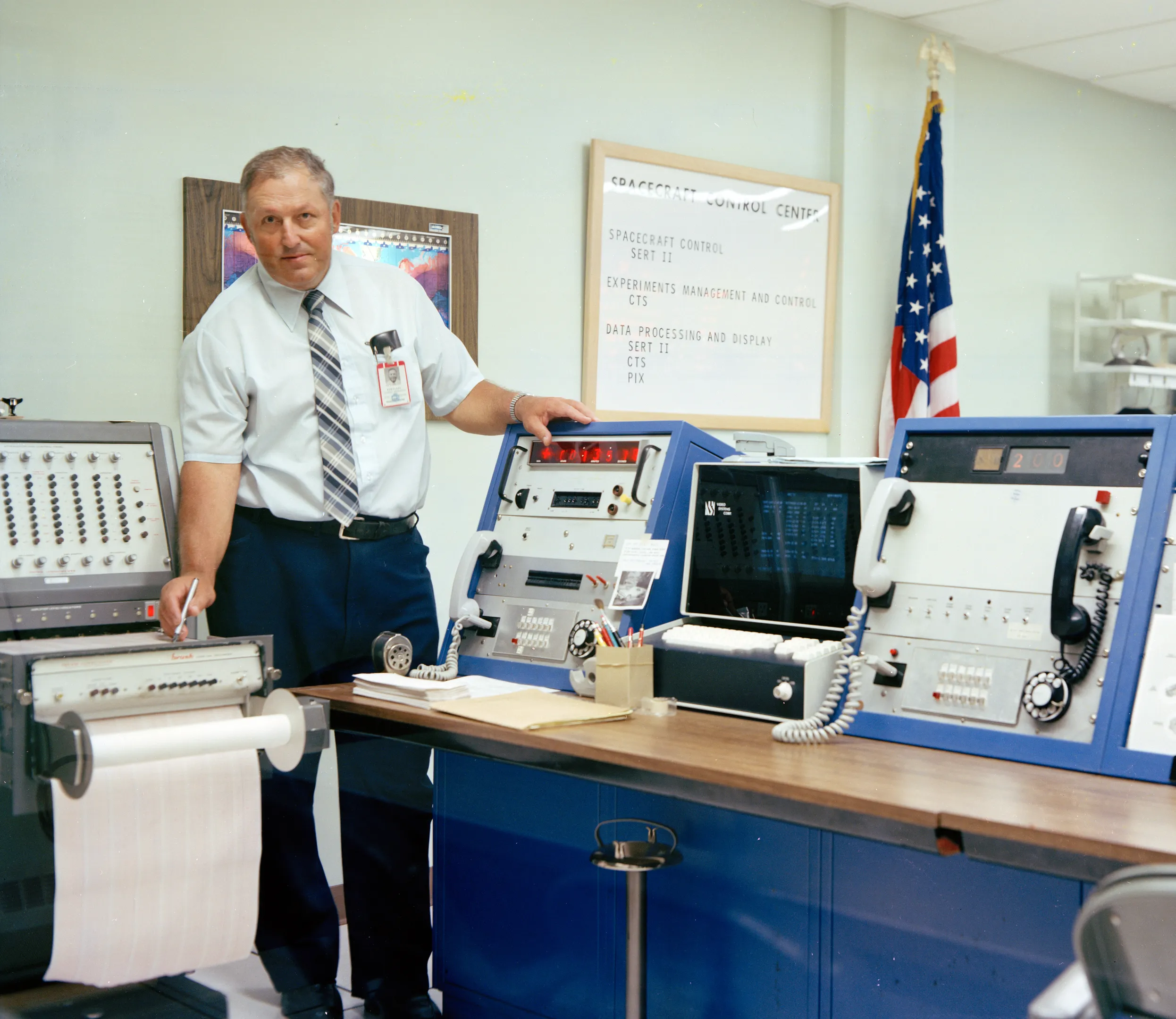
Fifty-five years ago, a revolutionary spacecraft launched from California carrying technology that would transform how we explore the solar system
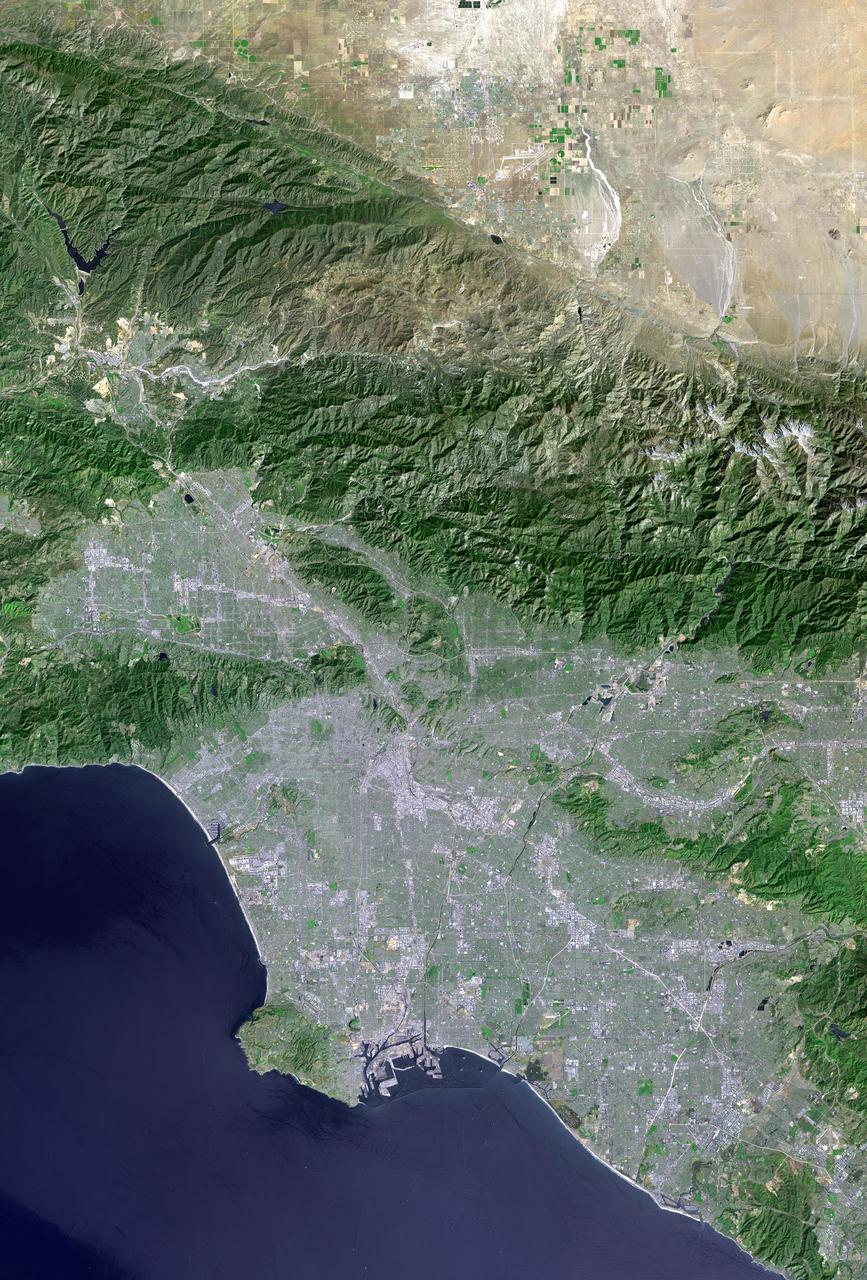
Landsat 7 launched on April 15, 1999, designed to last five years. It operated for twenty-five, survived a failure that destroyed a fifth of every image it took, and became part of the longest continuous record of Earth's surface ever assembled. Then they made the data free.

Today's Space Brief highlights advances in satellite communication for defense, regulatory changes for Starlink in South Africa, SpaceX's ongoing Starlink launches, and a significant contract for a Chinese satellite constellation.
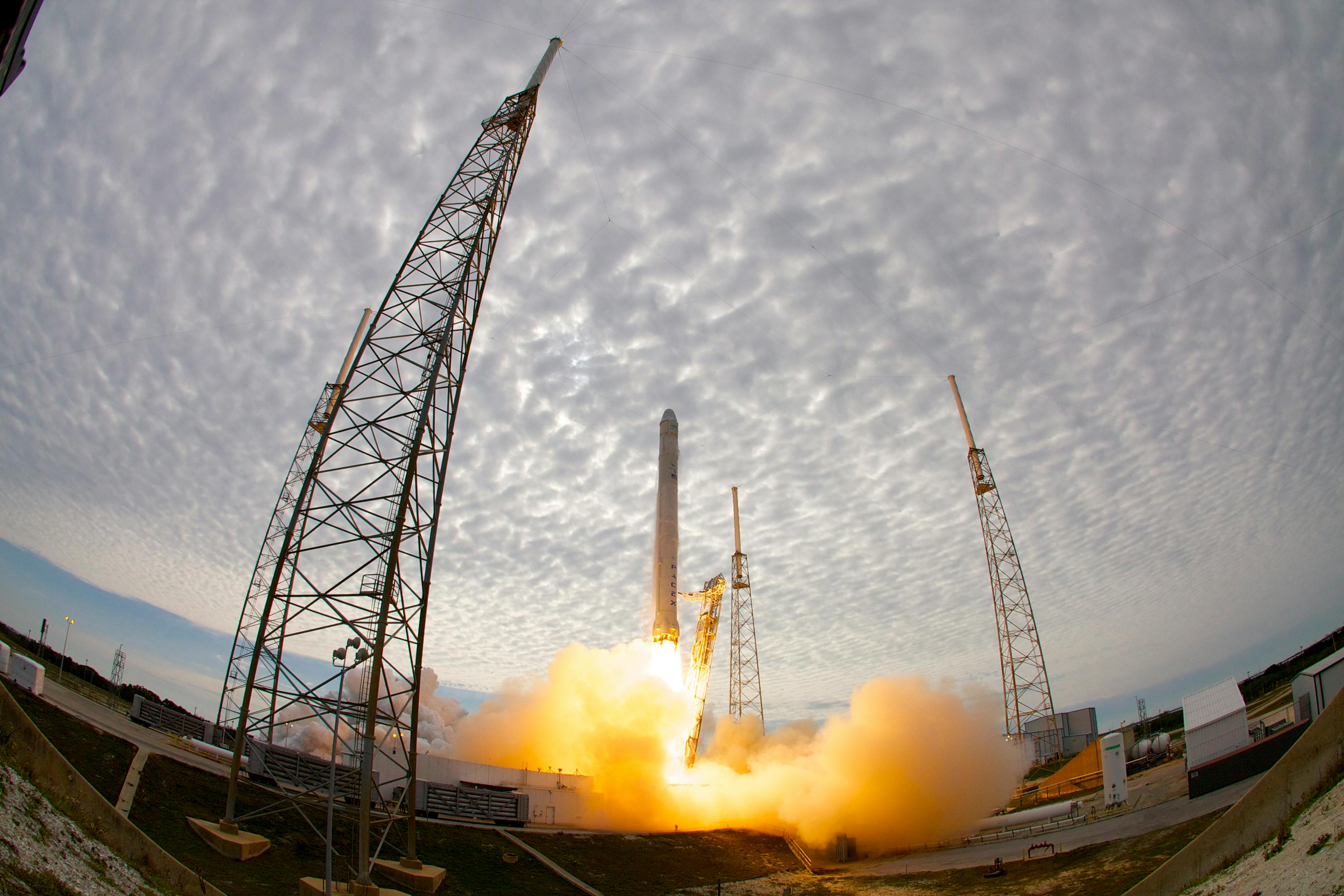
SpaceX successfully launched 24 Starlink satellites from California, enhancing its global internet coverage as the company continues to dominate the satellite communications market.