


X Report 2 May 2025
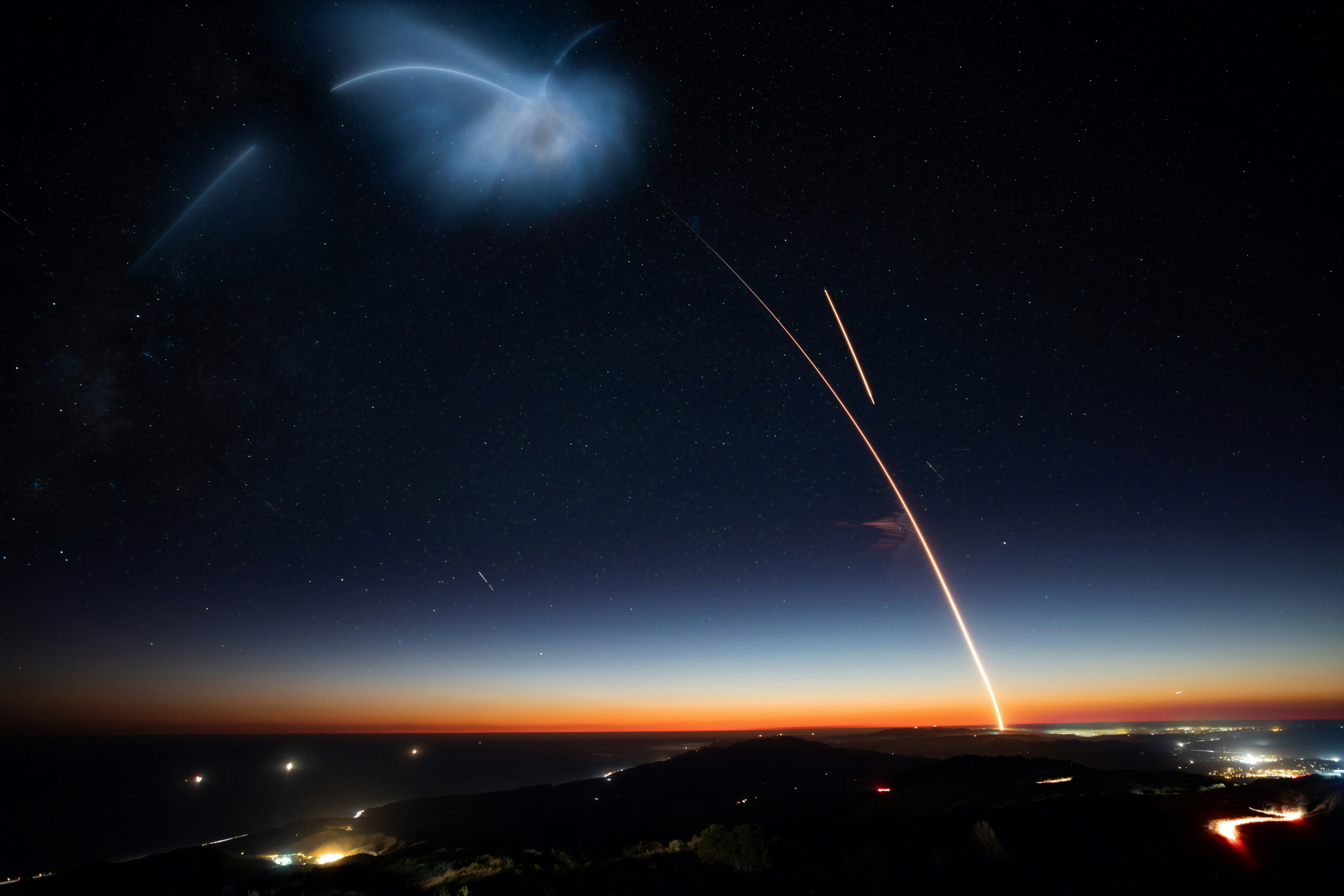
SpaceX successfully launched 28 more Starlink satellites from Cape Canaveral, marking another milestone in its satellite constellation expansion.


NORAD ID
42805
International Designator
2017-039C
Epoch
Sat, 04 Jul 2026 02:49:54 GMT
Apogee
Calculating...
Perigee
Calculating...
Inclination
86.40°
Right Ascension
314.88°
Eccentricity
Calculating...
Argument of Perigee
98.78°
Period
100.40 min
Mean Motion
14.34 rev/day
Latitude
Calculating...
Longitude
Calculating...
Altitude
Calculating...
Velocity
Calculating...
Name
IRIDIUM 120
Alternative Name
Iridium Next SV120
Type
Status
Owner
IRIDS
Country
United States
Constellation
N/A
Related Satellites
Major Events
N/A
1 42805U 17039C 26185.11799672 .00000209 00000-0 67647-4 0 9998
2 42805 86.3977 314.8818 0002267 98.7827 261.3625 14.34219564473606
Source: Celestrak
Length
3.1
Diameter
1.5
Span
9.4
Dry Mass
700
Launch Mass
860
Shape
Half Hex Prism+2 pan
Radar Cross Section
Unknown
Visual Magnitude
Unknown
Color
Unknown
Material Composition
Unknown
Payload
Iridium Next SV120
Purpose
Communication, traffic monitoring
Mission
Communication, traffic monitoring
Manufacturer
OATKGA
Life Expectancy
10 years (design), 15 years (planned)
Bus
EliteBus
Configuration
ELiTeBus-1000
Motor
?
Equipment
L-band payload, Ka-band cross-links, Ka-band downlinks, ADS-B payload, AIS-receiver (on 58 satellites)
Power System
2 deployable solar arrays, batteries
ADCS
Unknown
Transmitter Frequency
Unknown
Learn more about satellites and other related topics.
SpaceX successfully launched 28 more Starlink satellites from Cape Canaveral, marking another milestone in its satellite constellation expansion.
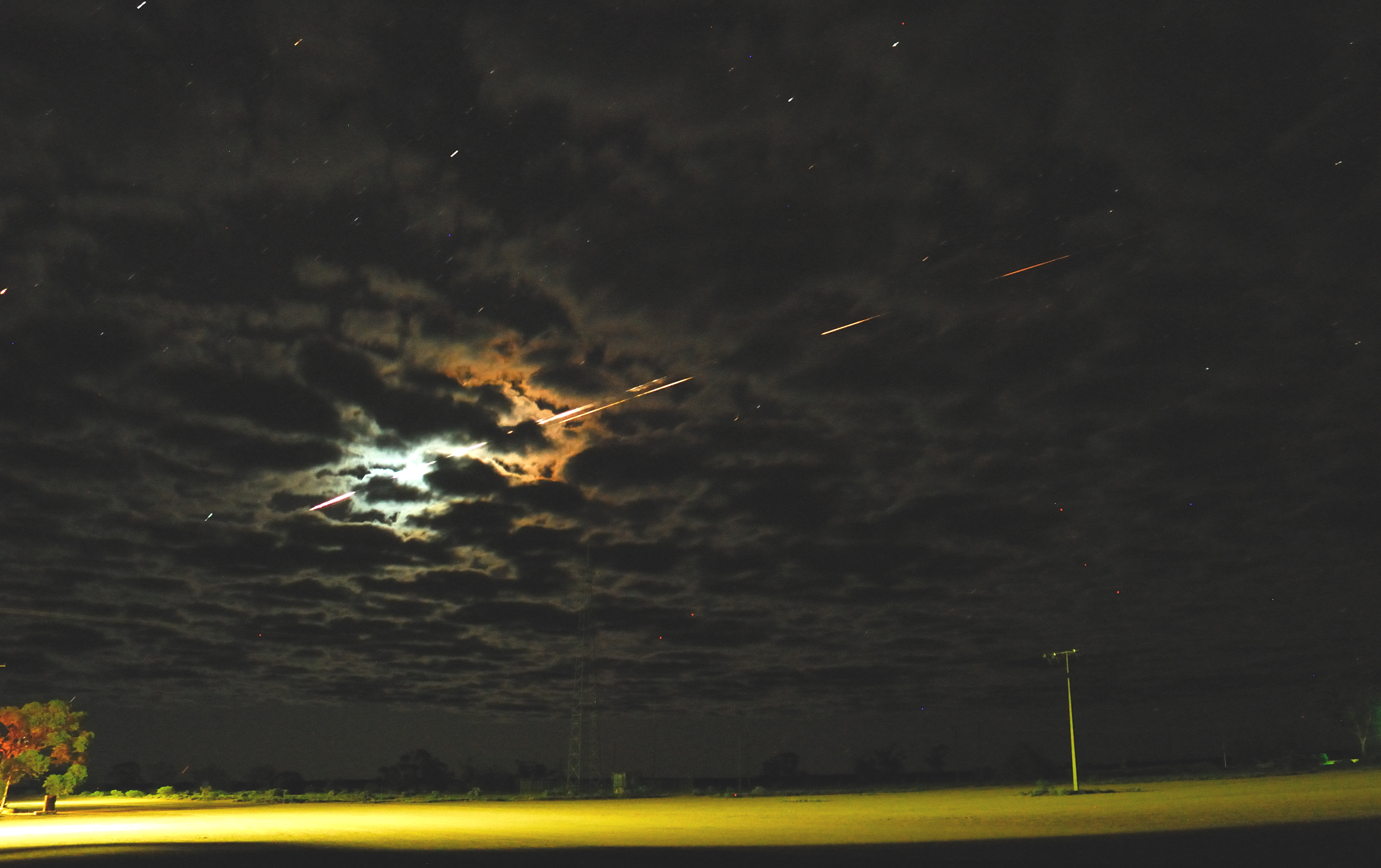
Sixteen years ago today, a fireball tore across the Australian outback. Most of it was a dying Japanese spacecraft burning up after a seven-year ordeal. The bright dot racing ahead of the wreckage was a capsule holding the first grains of an asteroid ever returned to Earth.
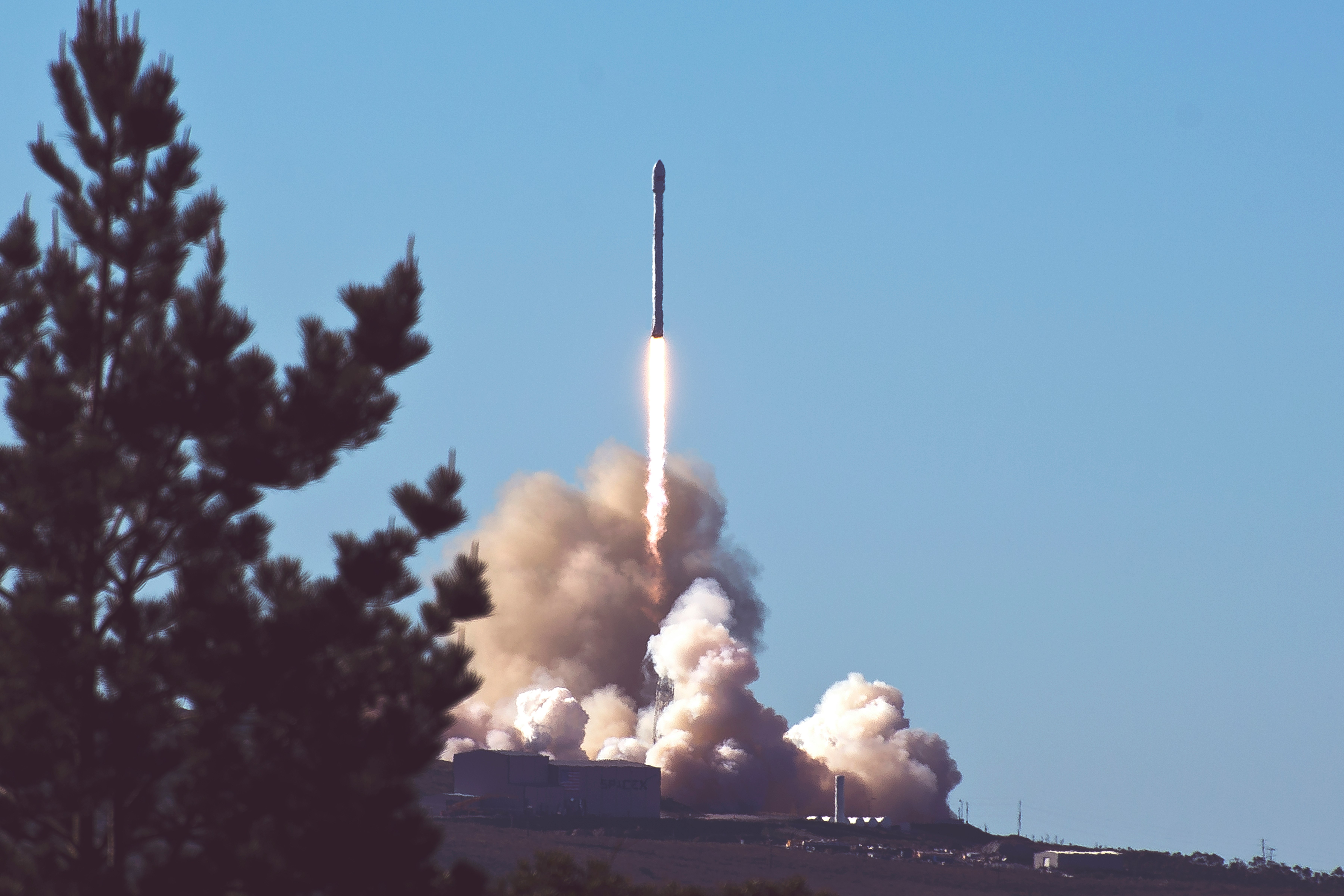
SpaceX successfully completes a critical test flight of its Starship vehicle while gearing up for another Starlink satellite launch, showcasing significant advancements in their launch capabilities.
On December 15, 1970, a battered Soviet probe accomplished something no spacecraft had done before - it survived landing on another world and lived to tell about it.
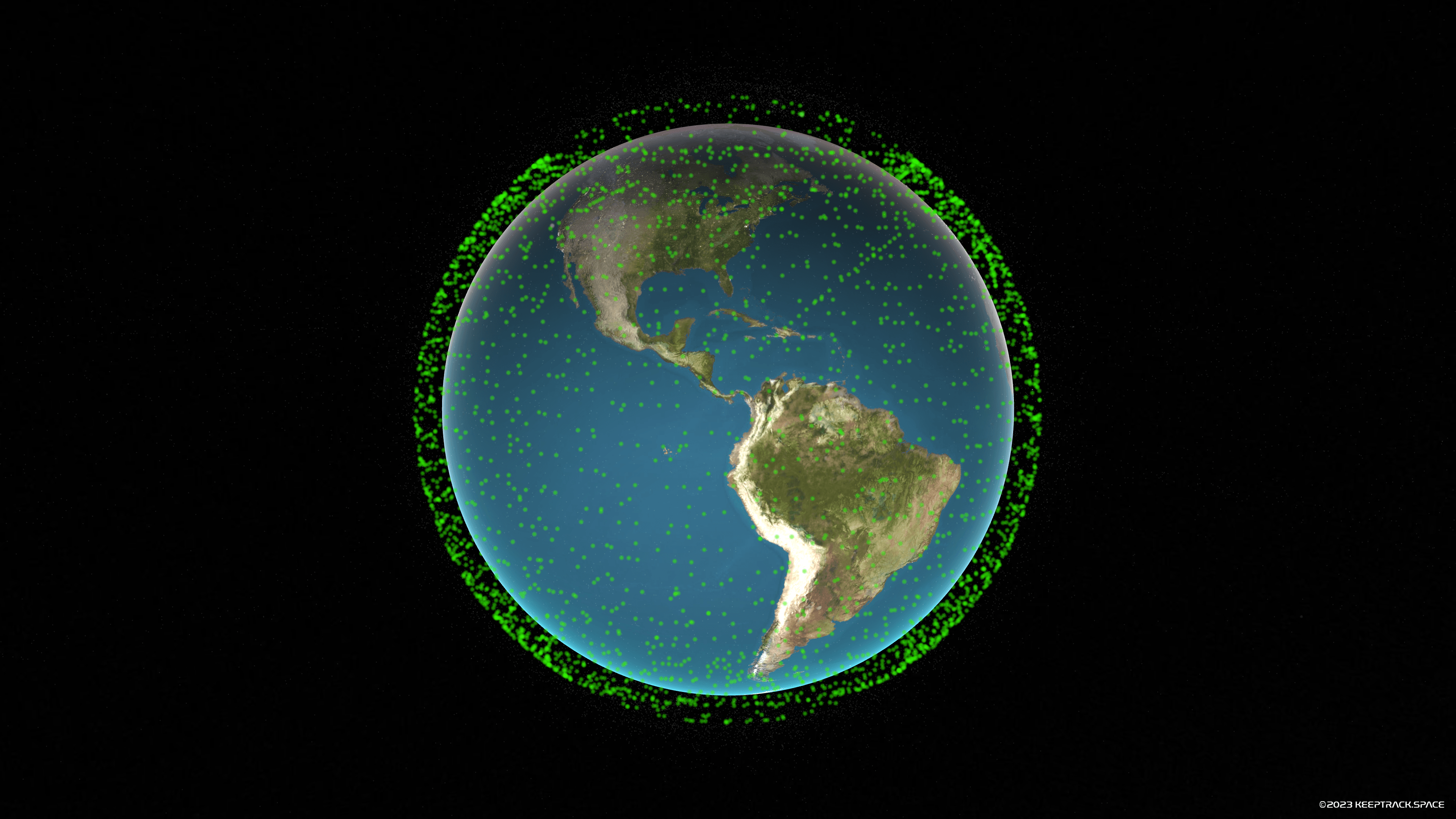
The U.S. Federal Communications Commission reaffirms its decision to deny SpaceX's Starlink unit $885.5 million in rural broadband subsidies, impacting the company's plans for expanding internet access.
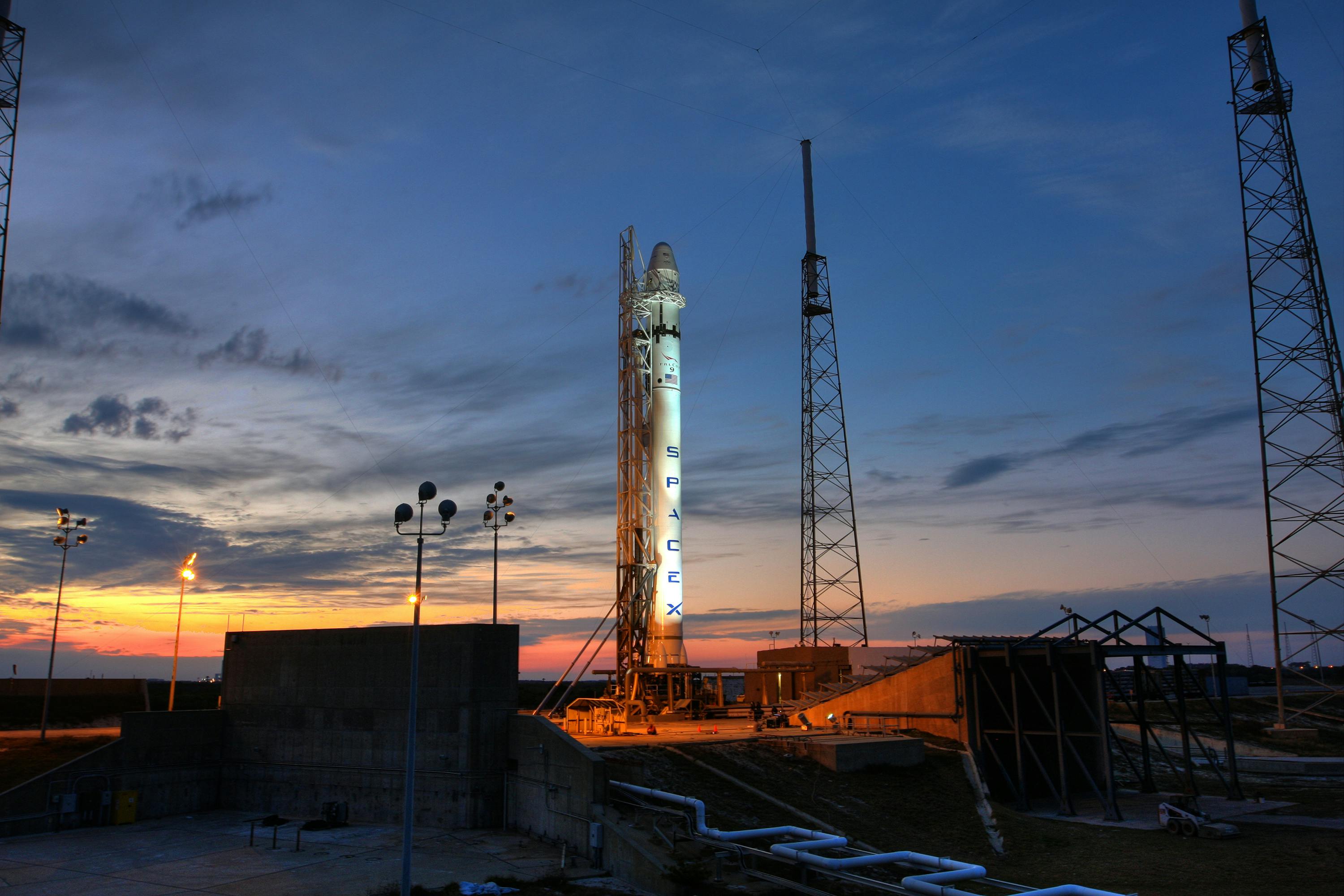
SpaceX successfully launches a new batch of Starlink satellites, while Viasat seeks LEO capacity amid rising competition.
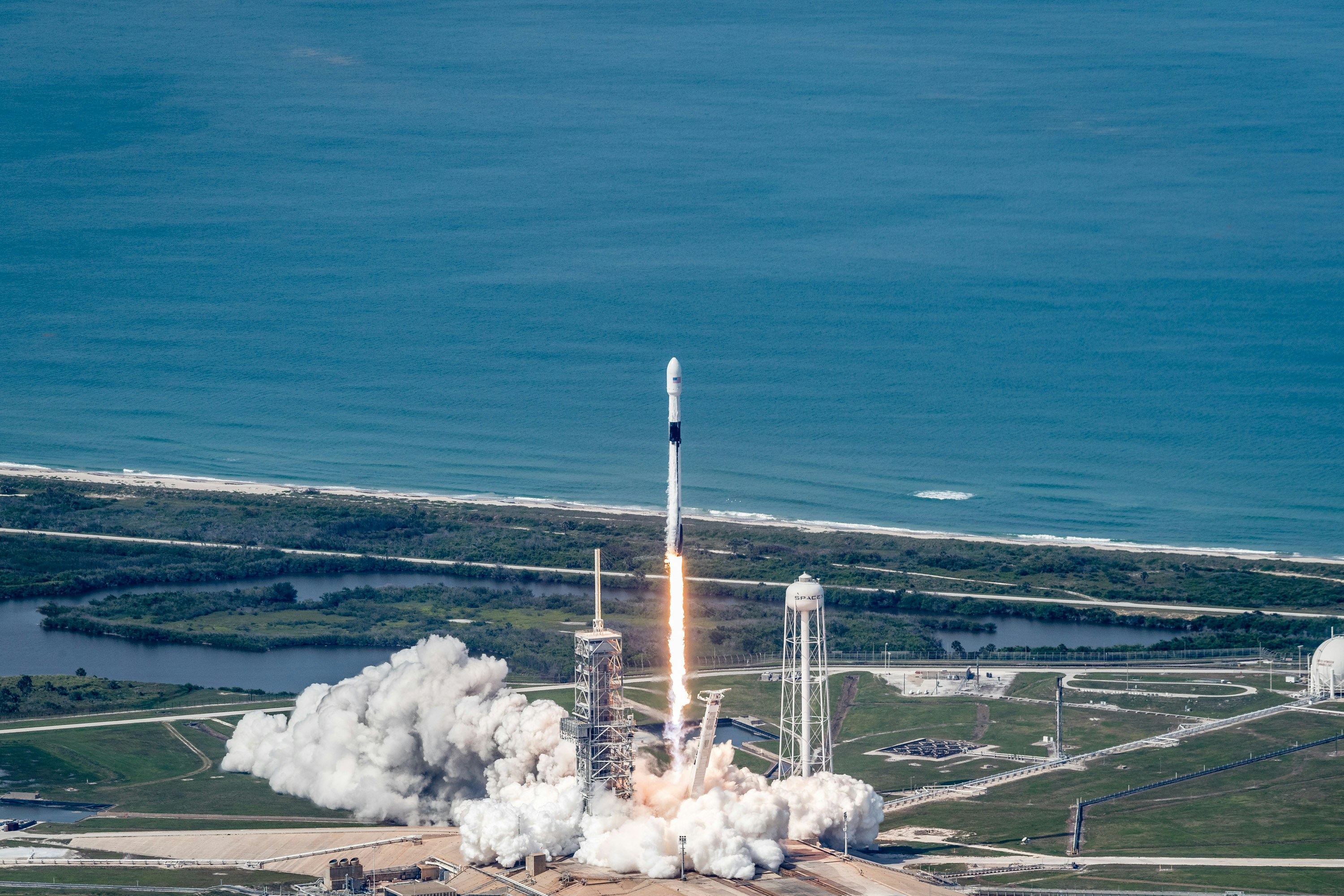
Starship receives FAA approval for its next test flight, while SpaceX prepares to launch more Starlink satellites amidst reaching 5 million subscribers.
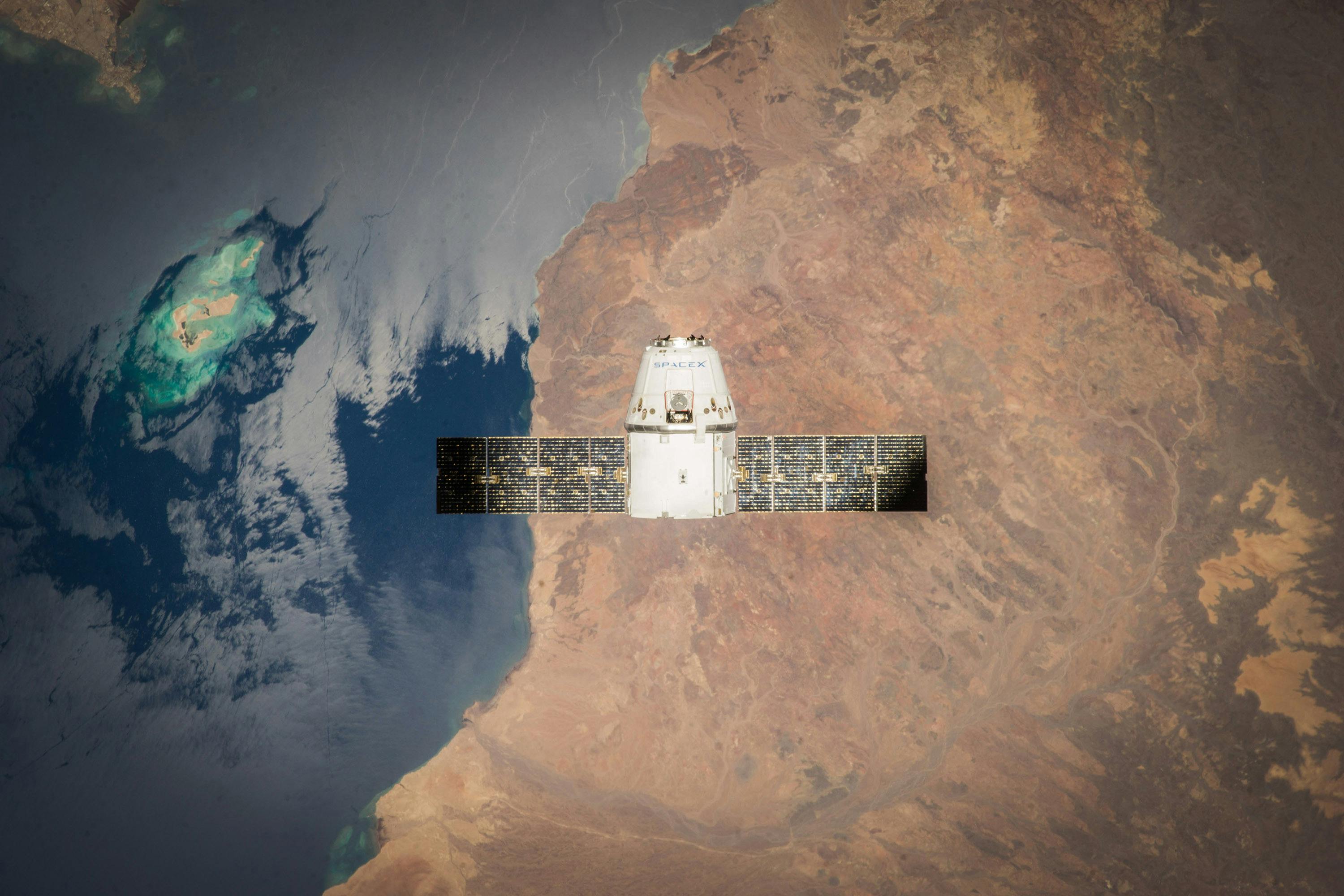
SpaceX gears up for its next Starship flight while recent Falcon 9 missions make headlines with spectacular launches, bringing fresh Starlink satellites into orbit.