

X Report 21 Nov 2025
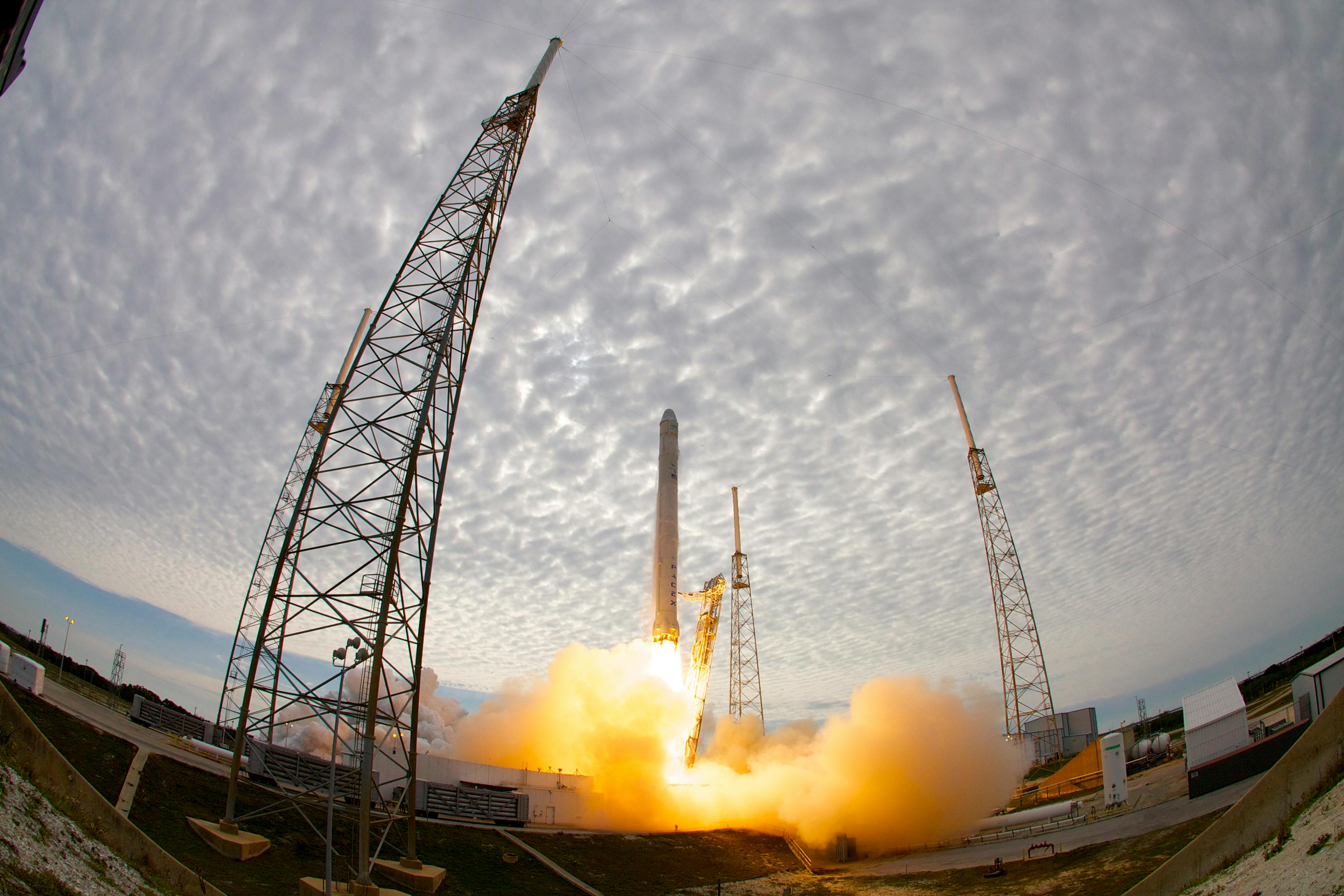
SpaceX celebrates significant milestones with its 100th launch of the year, enhancing Starlink's coverage while preparing for an escalating Starship production cadence.


Launch Date
June 23, 2017
Launch Site
SRILR
Launch Pad
FLP
Launch Vehicle
PSLV-XL
NORAD ID
42788
International Designator
2017-036Z
Decay Date
10/11/2023
Name
SUCHAI
Alternative Name
SUCHAI
Type
Status
Owner
UCH
Country
Chile
Constellation
N/A
Related Satellites
Major Events
N/A
Length
0.1
Diameter
0.1
Span
0.1
Dry Mass
1
Launch Mass
1
Shape
Box
Radar Cross Section
Unknown
Visual Magnitude
Unknown
Color
Unknown
Material Composition
Unknown
Payload
SUCHAI
Purpose
Technology, education
Mission
Technology, education
Manufacturer
UCH
Life Expectancy
Unknown
Bus
Cubesat 1U
Configuration
CubeSat (1U)
Motor
None
Equipment
Unknown
Power System
Solar cells, batteries
ADCS
Unknown
Transmitter Frequency
Unknown
Learn more about satellites and other related topics.
SpaceX celebrates significant milestones with its 100th launch of the year, enhancing Starlink's coverage while preparing for an escalating Starship production cadence.
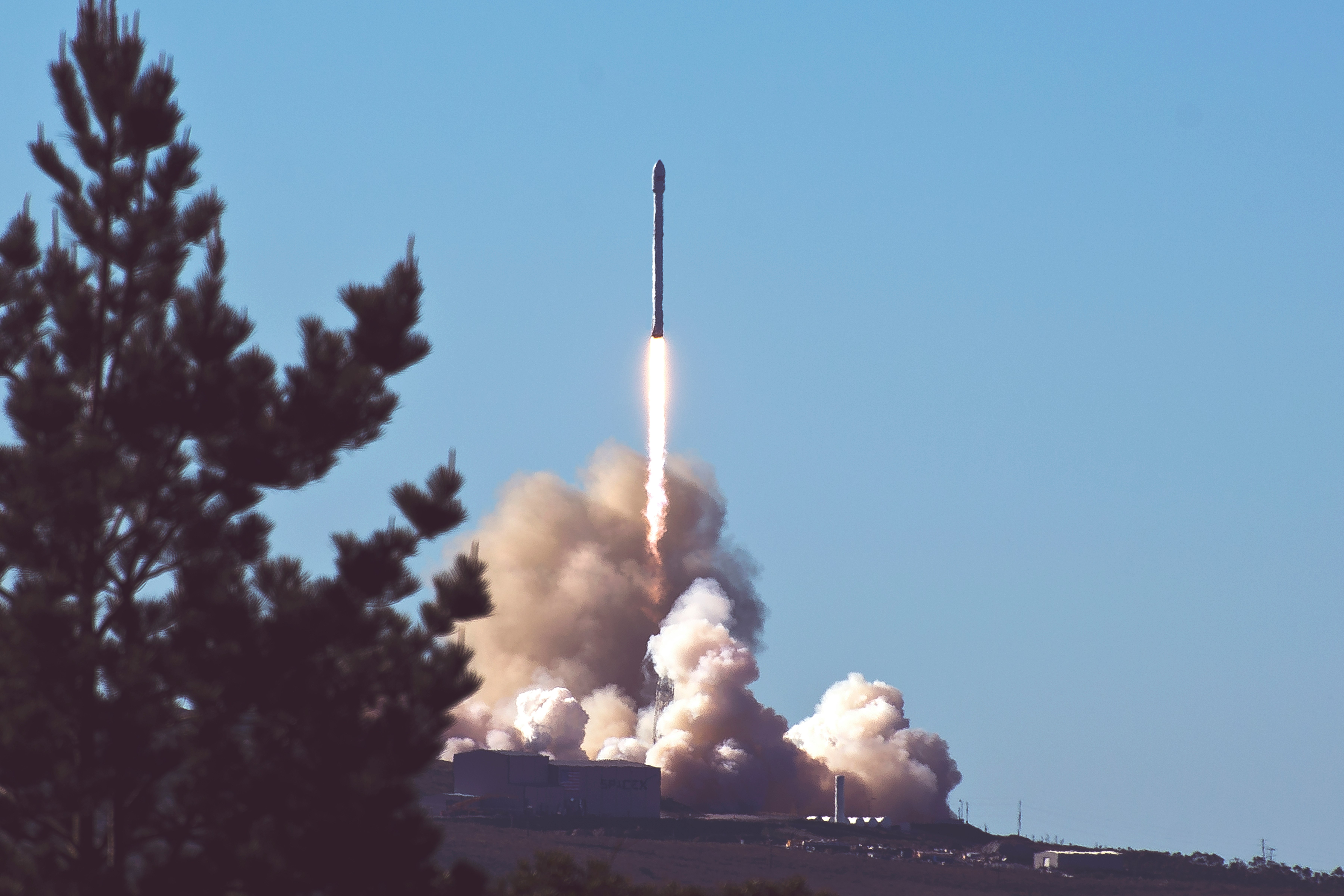
SpaceX successfully completes a critical test flight of its Starship vehicle while gearing up for another Starlink satellite launch, showcasing significant advancements in their launch capabilities.
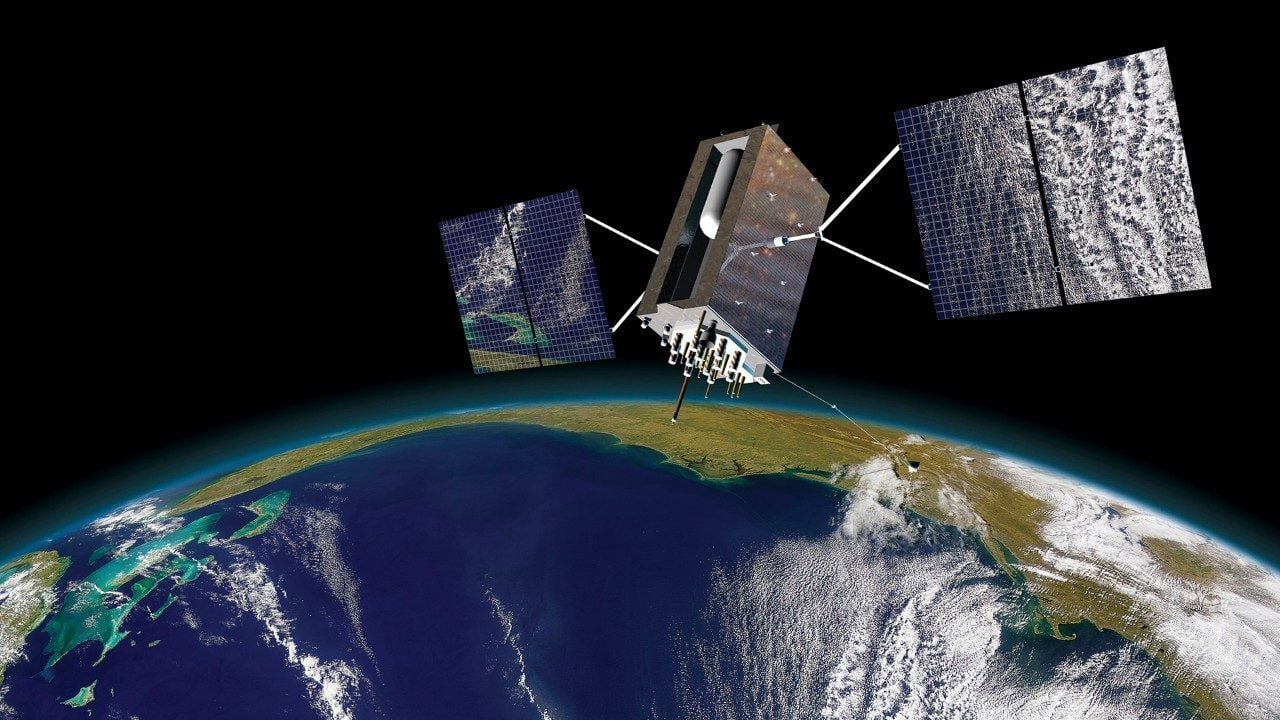
On April 17, 2026, the U.S. Space Force officially cancelled the Next Generation Operational Control System after sixteen years of development, cost overruns, and testing failures. The $8 billion program was supposed to unlock the military's encrypted GPS signal. Instead, the satellites are flying with capabilities the ground can't command.

SpaceX prepares for a historic Falcon 9 landing attempt in The Bahamas, while also contributing to FAA air traffic control modernization.

SpaceX launches GPS satellite for Space Force — third consecutive GPS mission reassigned from ULA. Space Force nears selection of next-gen GEO spy satellite contractors. Northwood Space lands $49M deal.

SpaceX continues to make headlines with successful launches and advancements in satellite technology. Notably, a Falcon 9 rocket delivered an upgraded Cygnus spacecraft to the ISS amid a busy launch schedule this week.

Today's brief covers NASA's collaboration with India for a new Earth-tracking satellite, China's expansion of its satellite internet network, and a groundbreaking cosmic shield for solar cells. Also highlighted are EchoStar's ambitious satellite order and Roscosmos' recent diplomatic moves.
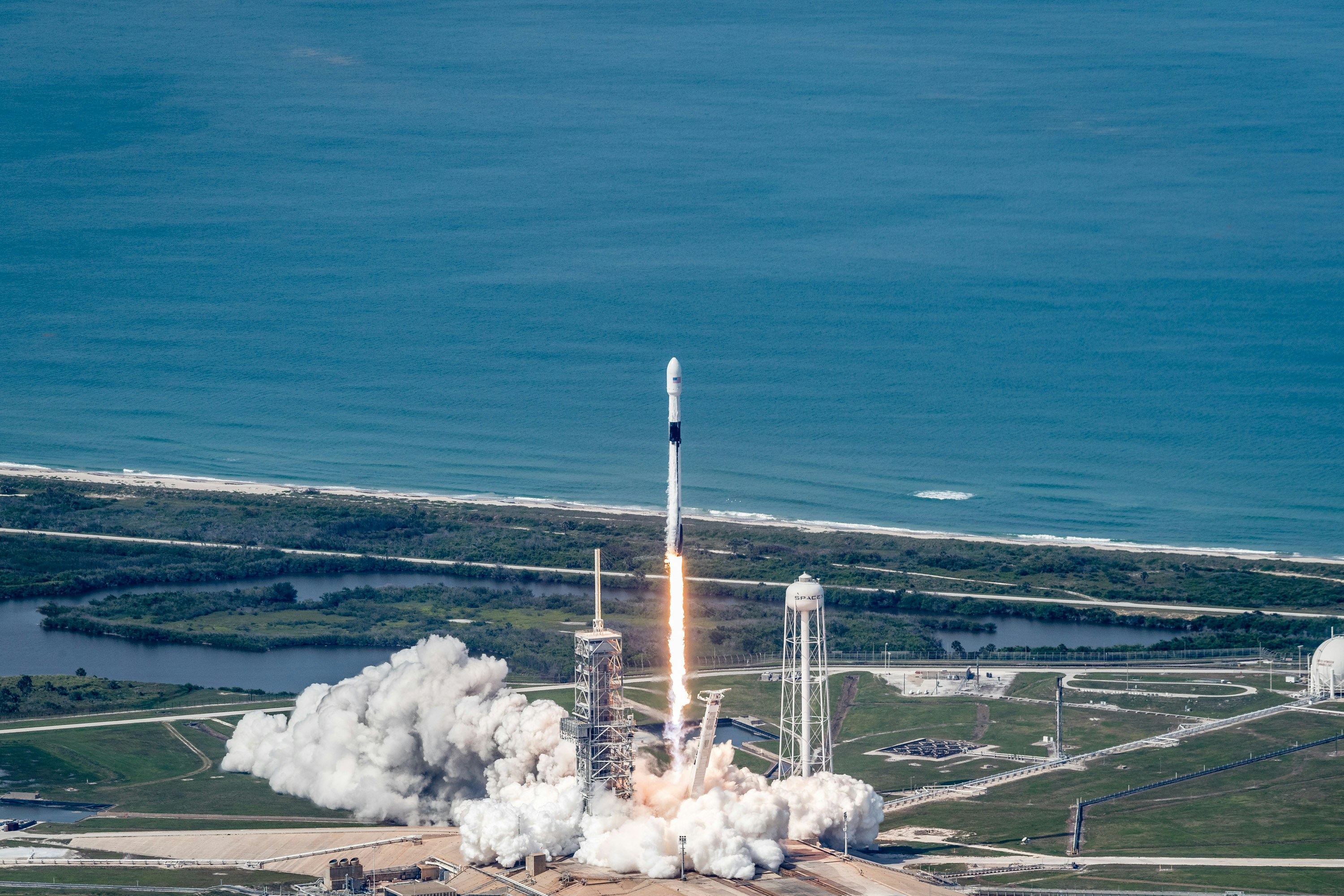
SpaceX reportedly eyes a confidential March IPO filing that could value the company at $1.75 trillion. Dual Falcon 9 launches deploy 54 Starlink satellites, pushing total on-orbit past 9,900.