

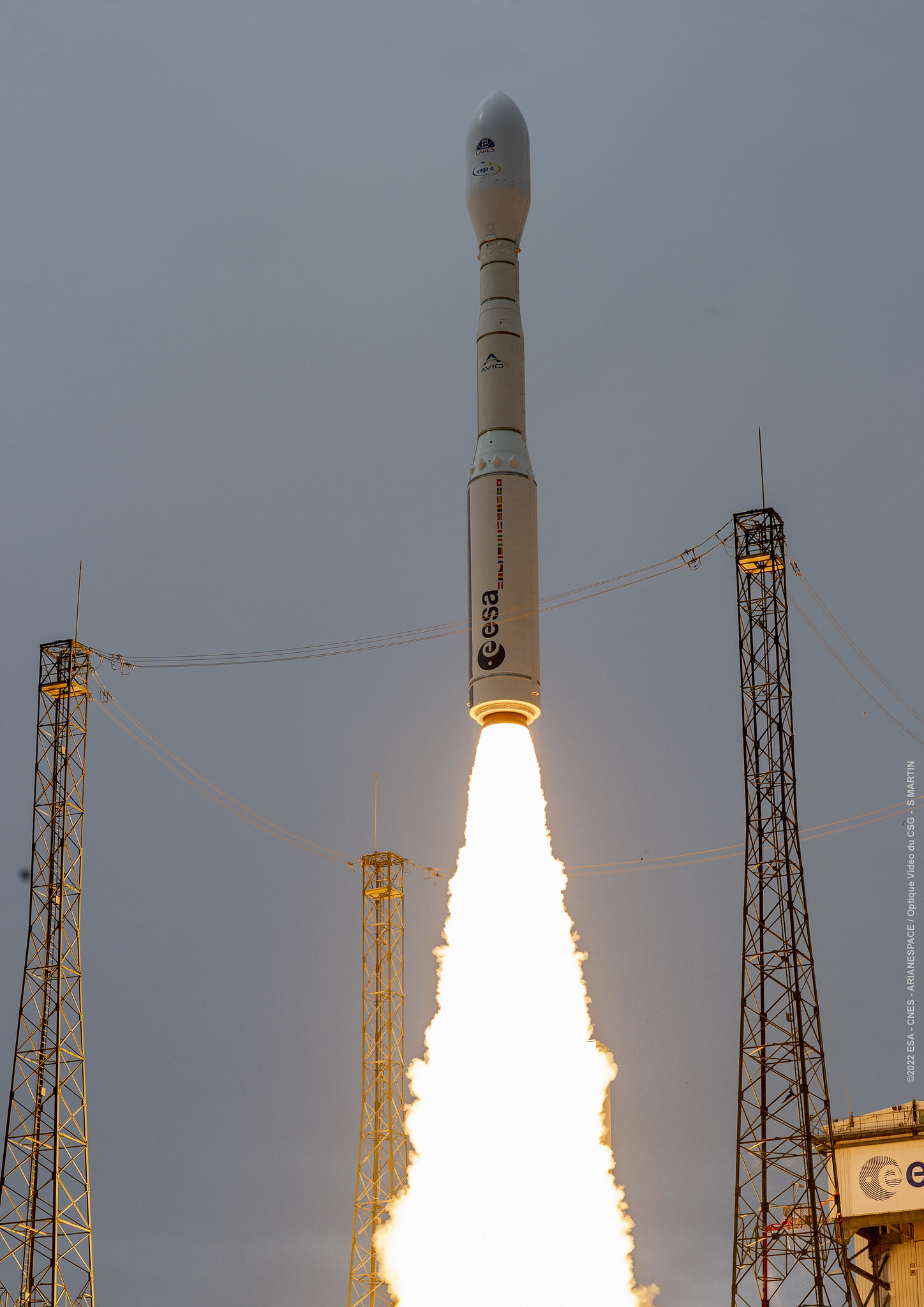
Space Brief 12 Jul 2025
Today's focus spans from major military training initiatives in orbit to key updates on drone policies and crucial satellite launches.


Launch Date
June 23, 2017
Launch Site
SRILR
Launch Pad
FLP
Launch Vehicle
PSLV-XL
NORAD ID
42777
International Designator
2017-036N
Decay Date
6/24/2023
Name
COMPASS 2
Alternative Name
COMPASS-2
Type
Status
Owner
AACH
Country
Germany
Constellation
N/A
Related Satellites
Major Events
N/A
Length
0.2
Diameter
0.1
Span
0.2
Dry Mass
2
Launch Mass
2
Shape
Box
Radar Cross Section
Unknown
Visual Magnitude
Unknown
Color
Unknown
Material Composition
Unknown
Payload
QB50-DE04
Purpose
Technology
Mission
Technology
Manufacturer
AACH
Life Expectancy
Unknown
Bus
Cubesat 2U
Configuration
CubeSat (3U)
Motor
None
Equipment
Unknown
Power System
Solar cells, batteries
ADCS
Unknown
Transmitter Frequency
Unknown
Learn more about satellites and other related topics.
Today's focus spans from major military training initiatives in orbit to key updates on drone policies and crucial satellite launches.

SpaceX successfully launches 28 Starlink satellites on a new Falcon 9 rocket from California, marking a significant milestone for their satellite constellation.

Today's highlights include Rocket Lab's progress on the Space Force's VICTUS HAZE mission, BlackSky's new government contract, and AEI's policy recommendations for Space Force restructuring.

In 2024, China launched 68 orbital missions. In 2025, the number jumped to 97. In 2026, state media and Western analysts agree the target is 140 or more. Most of that growth is being driven by two state-backed mega-constellations, a half-dozen private launch companies hitting stride, and a deliberate national pivot toward commercial space. Beijing is no longer trying to catch SpaceX. It is trying to build an industrial base that outlasts one.
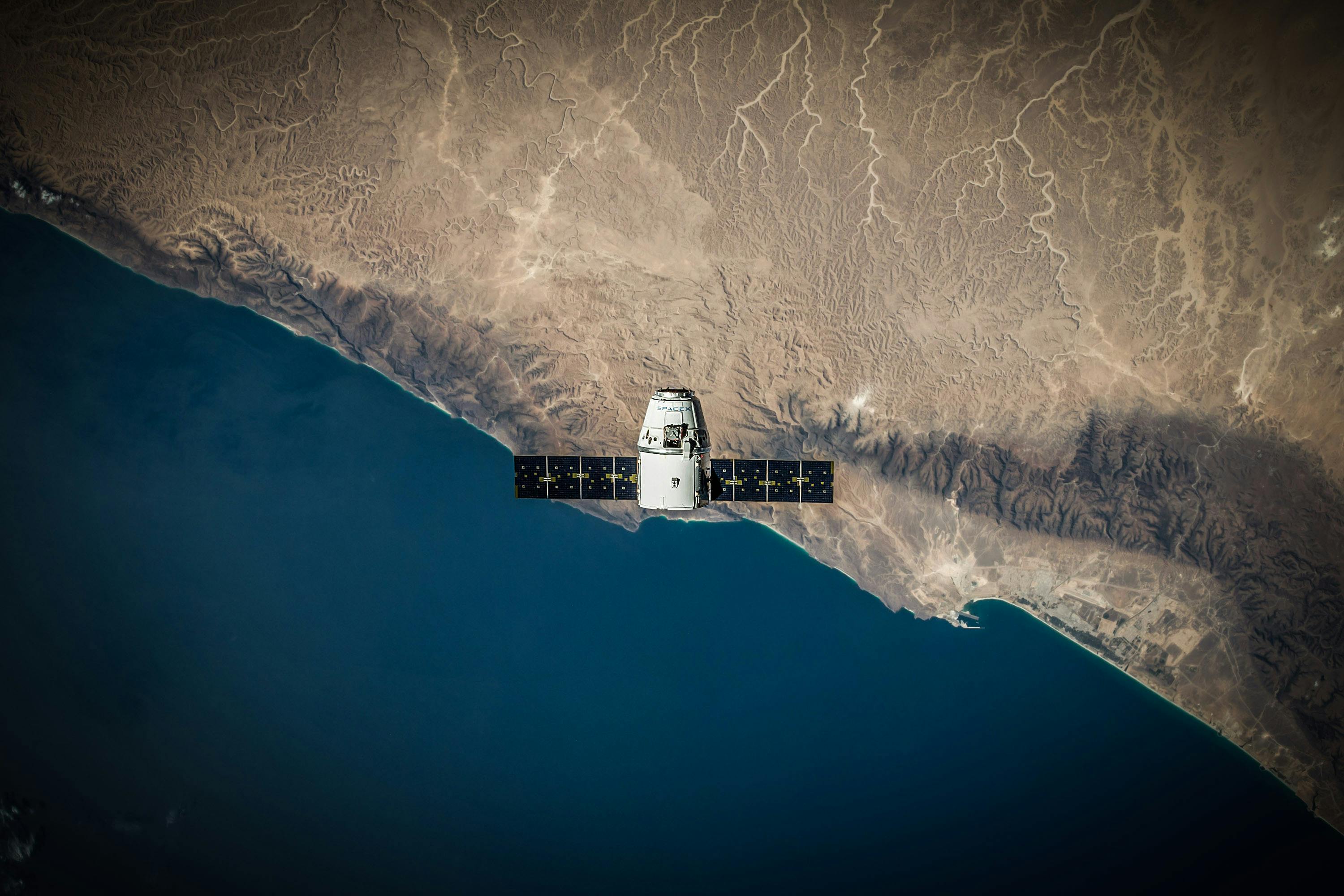
SpaceX gears up for multiple Falcon 9 launches, amidst challenges from Project Kuiper and environmental concerns.
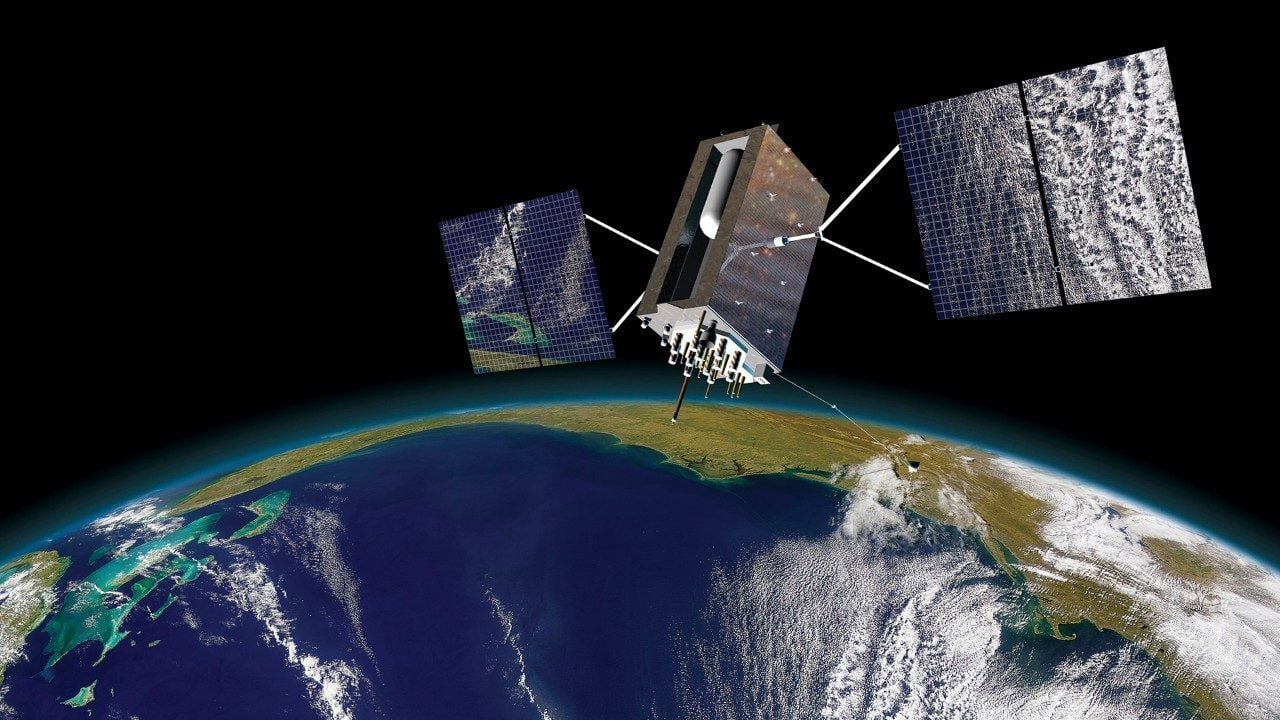
On April 17, 2026, the U.S. Space Force officially cancelled the Next Generation Operational Control System after sixteen years of development, cost overruns, and testing failures. The $8 billion program was supposed to unlock the military's encrypted GPS signal. Instead, the satellites are flying with capabilities the ground can't command.
SpaceX successfully launched 23 Starlink satellites on a brand-new Falcon 9 rocket, while preparations ramp up for Starship Flight 9 and a pioneering commercial docking mission approaches.
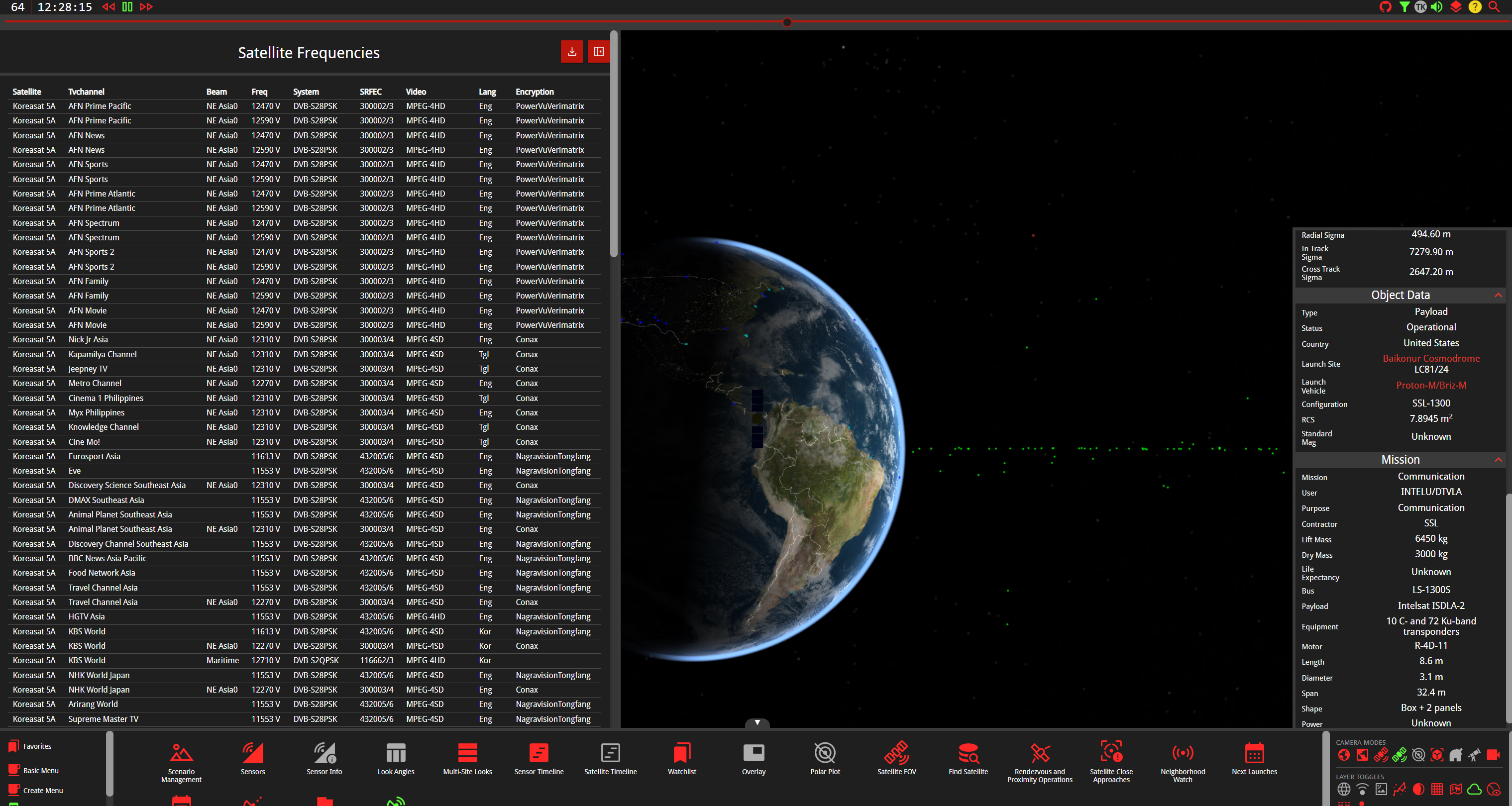
The workhorse frequency band that quietly powers satellite communications, weather radar, and Wi-Fi around the world