


MDA and Hanwha Partner on South Korea K-LEO Defense Network | KeepTrack Space Brief
MDA Space and Hanwha target South Korea's K-LEO defense satellite network. House passes $839B defense bill. Pentagon picks 25 vendors for $150M drone competition.


Launch Date
April 18, 2017
Launch Site
Launch Pad
SLC41
Launch Vehicle
Atlas V 401
NORAD ID
42752
International Designator
2017-019B
Decay Date
4/6/2023
Name
LEMUR-2-ANGELA
Alternative Name
Lemur-2-JennyBarna
Type
Status
Owner
SPIRE
Country
United States
Constellation
N/A
Related Satellites
Major Events
N/A
Length
0.3
Diameter
0.1
Span
0.3
Dry Mass
4
Launch Mass
4
Shape
Box
Radar Cross Section
Unknown
Visual Magnitude
Unknown
Color
Unknown
Material Composition
Unknown
Payload
Lemur FM31
Purpose
Unknown
Mission
Unknown
Manufacturer
SPIREG
Life Expectancy
Unknown
Bus
Cubesat 3U
Configuration
Unknown
Motor
Unknown
Equipment
Unknown
Power System
Unknown
ADCS
Unknown
Transmitter Frequency
Unknown
Learn more about satellites and other related topics.
MDA Space and Hanwha target South Korea's K-LEO defense satellite network. House passes $839B defense bill. Pentagon picks 25 vendors for $150M drone competition.
A California firm wins NASA's Aeolus Mars orbiter contract, targeting 2028 launch for the first daily global Martian environment measurements.
FCC dismisses SpaceX spectrum challenges, blocking key D2D frequencies. A $57M Golden Dome crosslink demo and software group seat soften the blow.
Today’s highlights include new defense initiatives in the U.S., potential strategic shifts in Europe, and the establishment of council to counter security threats.

NASA confirms first-ever ISS medical evacuation for January 14 via Crew Dragon. SpaceX launches 29 Starlink satellites in third mission of 2026. Artemis 2 moon mission timeline unaffected.
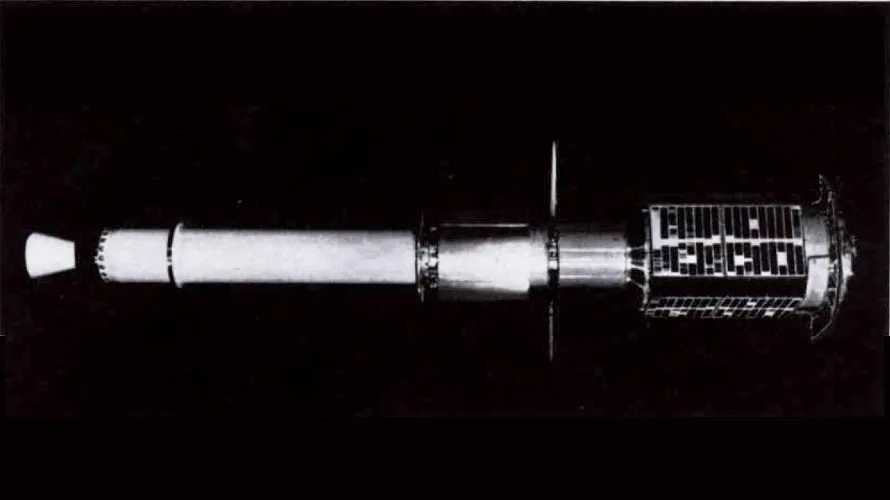
On April 27, 1961, a Scout rocket lifted a 37-kilogram NASA satellite into orbit from Wallops Island carrying the first serious instrument for detecting cosmic gamma rays. Explorer 11 operated for seven months before its tape recorder failed. In that time it registered 22 gamma-ray photons - a pitiful number by modern standards, but enough to launch an entire branch of astronomy.

Today's update highlights Boeing's challenges with the Starliner, Europe's IRIS2 constellation advancement, China's CAS Space's global ambitions, and vivid new telescope images of cosmic events.

SpaceX gears up for significant 2026 launches while a Starlink satellite anomaly provides insights into its operations.