


X Report 23 Apr 2025
SpaceX marks a significant milestone with its Bandwagon-3 mission, while Ukraine explores Starlink alternatives.


Launch Date
December 20, 1969
Launch Site
PLMSC
Launch Pad
LC132/1
Launch Vehicle
Kosmos 11K65M
NORAD ID
04273
International Designator
1969-107A
Decay Date
3/25/1979
Name
COSMOS 315
Alternative Name
Kosmos-315
Type
Status
Owner
TSN108
Country
USSR
Constellation
N/A
Related Satellites
Major Events
N/A
Apologies, there is no summary for this satellite yet. I am working to generate these for every object in the catalog, but it is going to take time.
Length
5.1
Diameter
1.2
Span
5.1
Dry Mass
434
Launch Mass
434
Shape
Cyl + 2 Pan
Radar Cross Section
6.329
Visual Magnitude
Unknown
Color
Unknown
Material Composition
Unknown
Payload
Tselina-OM No. 3L
Purpose
Unknown
Mission
Unknown
Manufacturer
YUZH
Life Expectancy
Unknown
Bus
Tselina-OM
Configuration
Unknown
Motor
Unknown
Equipment
Unknown
Power System
Unknown
ADCS
Unknown
Transmitter Frequency
Unknown
Learn more about satellites and other related topics.
SpaceX marks a significant milestone with its Bandwagon-3 mission, while Ukraine explores Starlink alternatives.
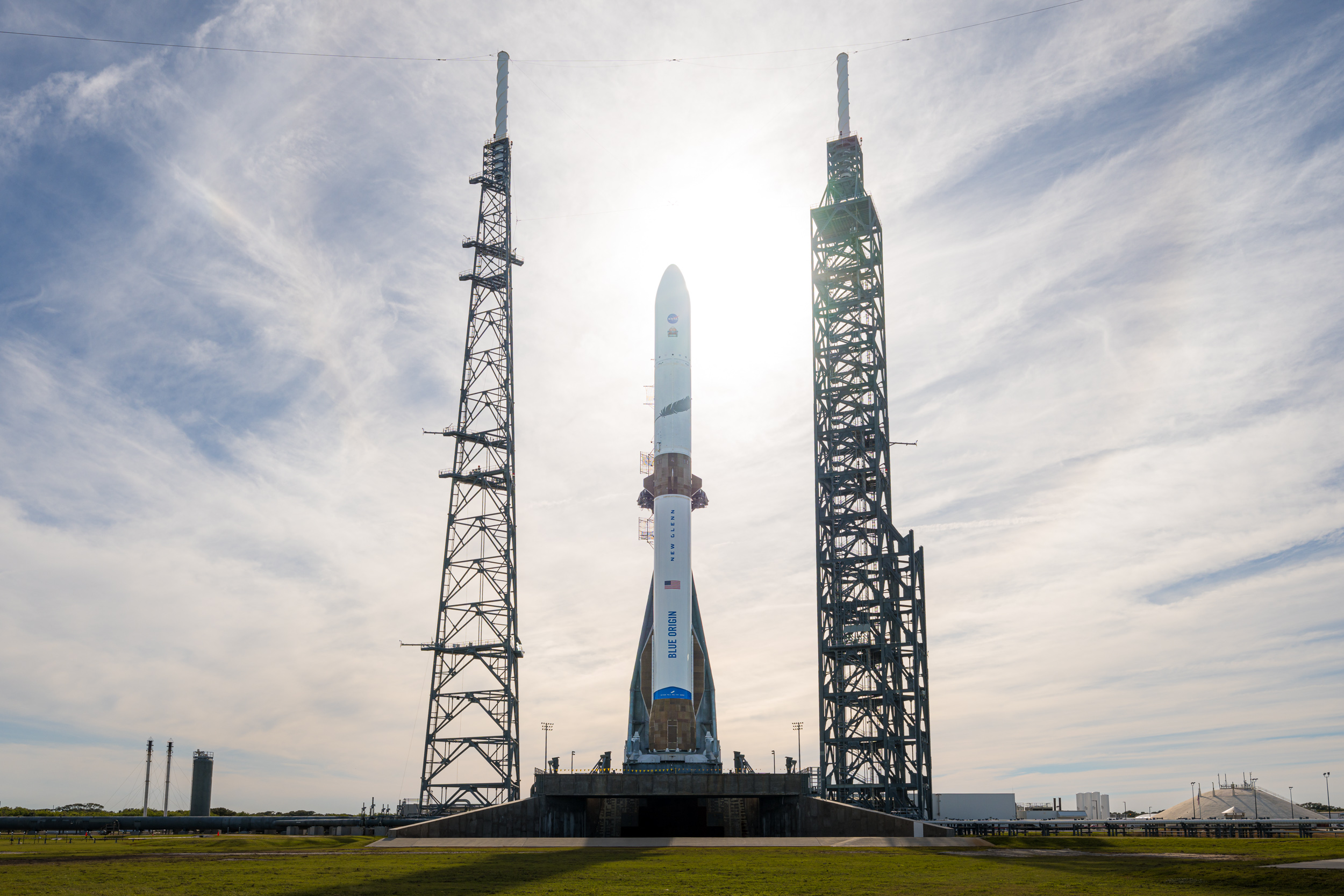
Artemis 2 astronauts completed first crewed lunar flyby since Apollo 17, traveling 690,000 miles aboard Orion. Four crew validated deep-space systems.

Today's briefing covers a new naming system by Space Force, China's space advances, drone defense at Cape Canaveral, and more military updates impacting space operations.

SpaceX continues to push forward with significant milestones, including the launch of additional Starlink satellites and progress on spectrum acquisitions.
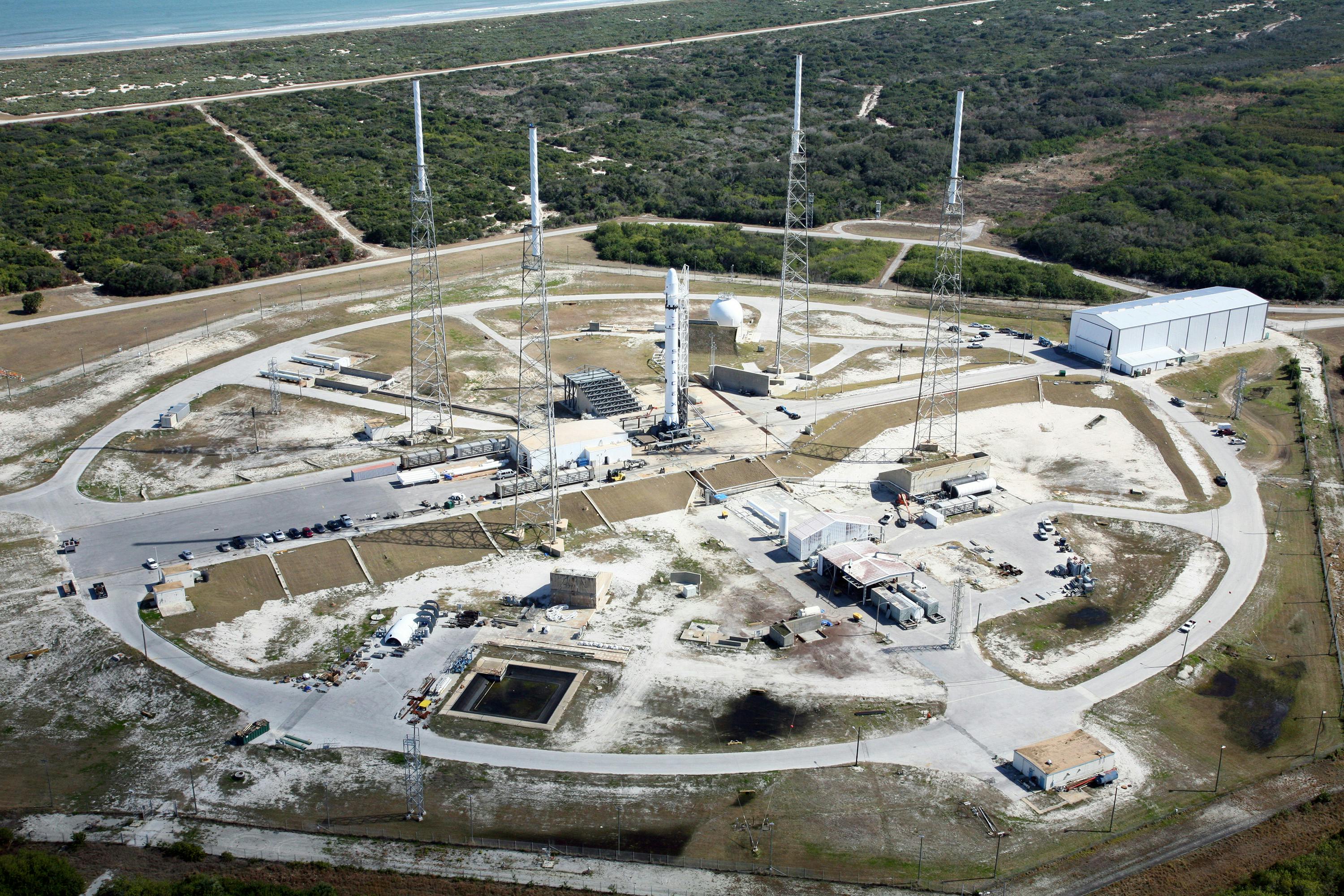
Starship Flight 8 set for launch, new milestones in the defense sector, and launch updates dominate today's news.

SpaceX gears up for a busy week with new Starship testing and enhanced Starlink capabilities on the horizon.

AI tools outperform human planners in Air Force battle management experiment. DARPA pursues quantum computing interoperability. Canada's Atlantic Spaceport Complex gets environmental approval.
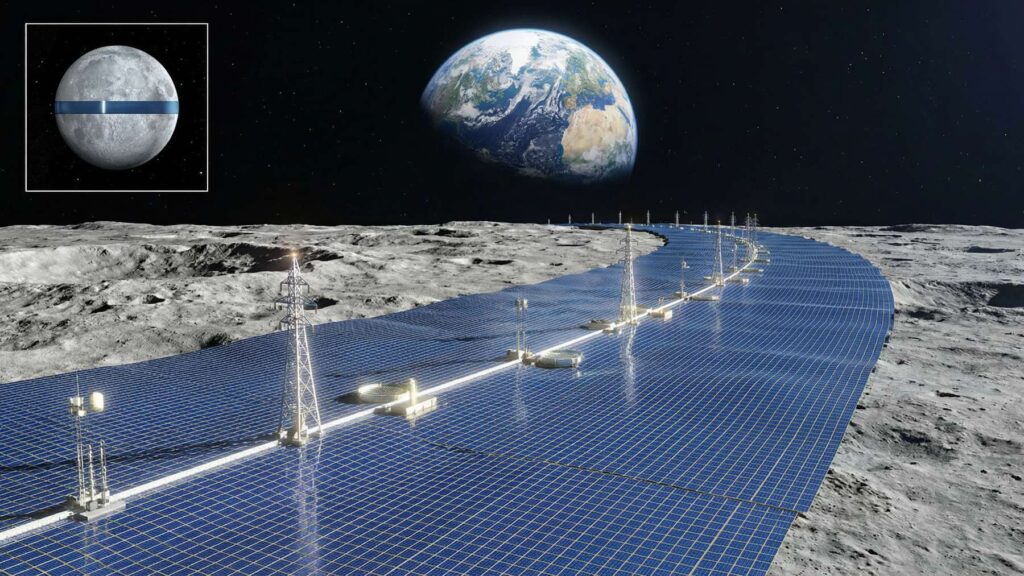
A 220-year-old Japanese construction company wants to build an 11,000-kilometer belt of solar cells around the lunar equator and beam the power back to Earth. The physics checks out. Everything else is another story.