


Satellites by Country
Explore a comprehensive breakdown of satellite counts by country, detailing the USA, Russia, China, and others.


Launch Date
November 20, 1998
Launch Site
Launch Pad
SLC41
Launch Vehicle
Atlas V 401
NORAD ID
42728
International Designator
1998-067MH
Decay Date
2/16/2019
Name
QBITO
Alternative Name
QBITO
Type
Status
Owner
UPM
Country
Spain
Constellation
N/A
Related Satellites
Major Events
N/A
Length
0.2
Diameter
0.1
Span
0.2
Dry Mass
2
Launch Mass
2
Shape
Box
Radar Cross Section
Unknown
Visual Magnitude
Unknown
Color
Unknown
Material Composition
Unknown
Payload
QB50-ES01
Purpose
Technology, thermospheric research
Mission
Technology, thermospheric research
Manufacturer
UPM
Life Expectancy
3 months
Bus
Cubesat 2U
Configuration
CubeSat (2U)
Motor
None
Equipment
INMS
Power System
Solar cells, batteries
ADCS
Unknown
Transmitter Frequency
Unknown
Learn more about satellites and other related topics.
Explore a comprehensive breakdown of satellite counts by country, detailing the USA, Russia, China, and others.
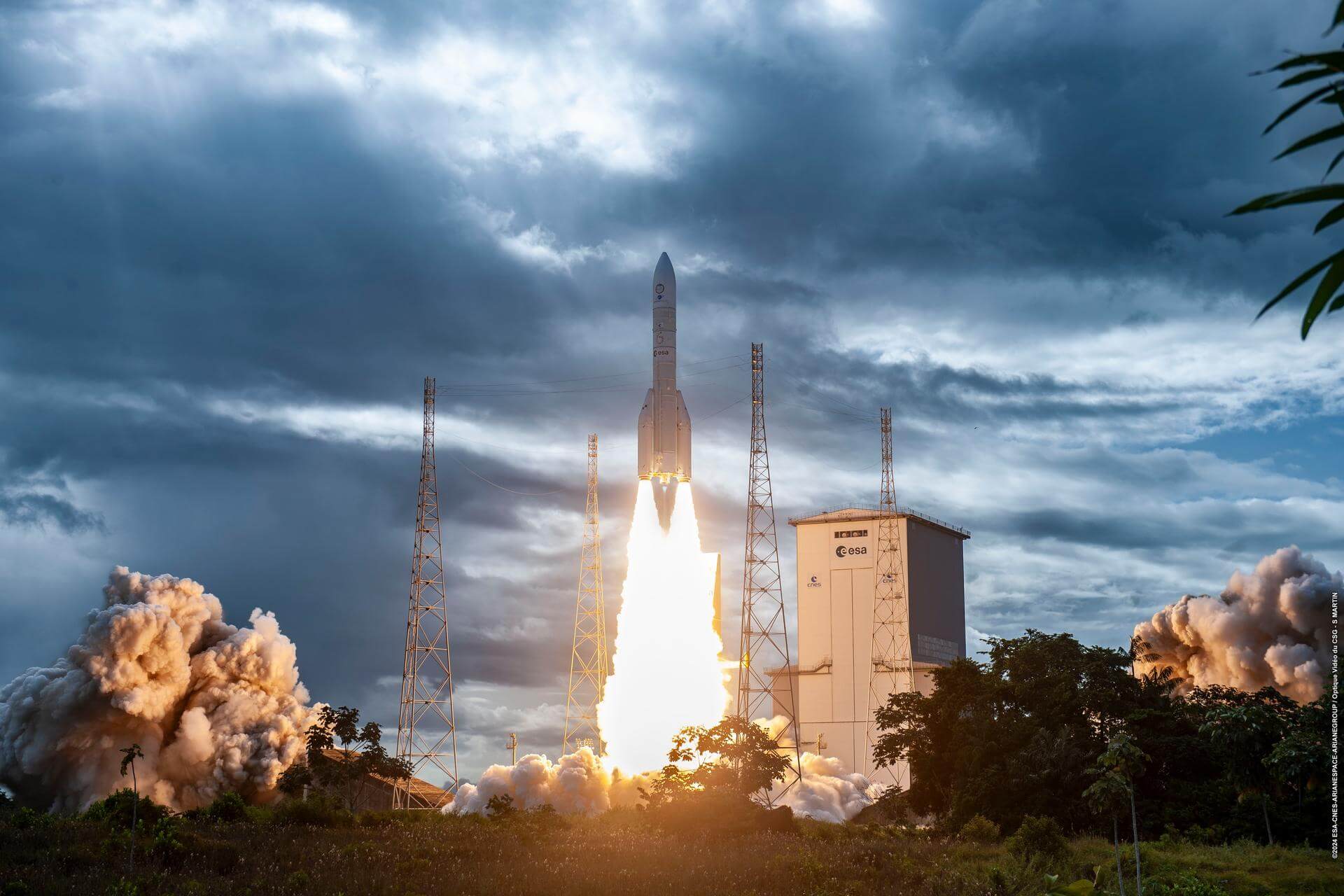
Spacewalks have resumed on the ISS, while Blue Origin prepares for a unique New Shepard mission. In other news, astronomers push for a ban on space ads and potential budget cuts threaten the JWST.

Twelve years ago, South Korea successfully launched a satellite using its own launch vehicle and facilities for the first time, marking a crucial milestone in its journey to space independence

Today's brief covers a groundbreaking national security mission for ULA's Vulcan, NASA's collaboration with LeoLabs for enhanced collision avoidance, and SEOPS' new satellite tracking services, among other key developments.
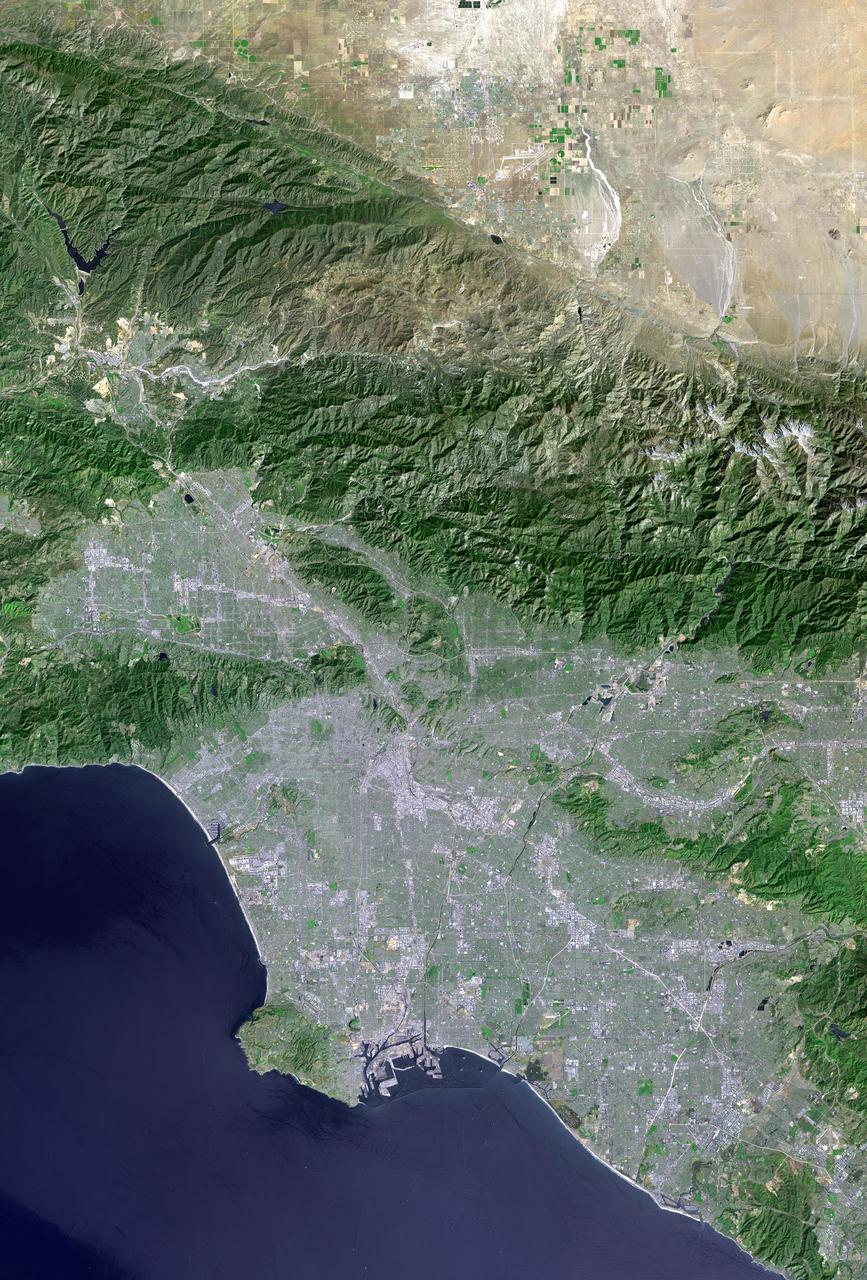
Landsat 7 launched on April 15, 1999, designed to last five years. It operated for twenty-five, survived a failure that destroyed a fifth of every image it took, and became part of the longest continuous record of Earth's surface ever assembled. Then they made the data free.

SpaceX successfully launched NASA's TRACERS mission while Starlink faced a brief global outage, affecting users worldwide.

Space Force initiates cybersecurity network upgrades across 14 bases. SDA expands $3.5B Tracking Layer with 72 new satellites. SpaceX and China drive record orbital launches in 2025.

Starship Flight 13 launches first Starlink V3 satellites as SpaceX nears 10,839 working satellites in orbit across the Starlink fleet.