

Falcon 9 Booster Flies 35th Mission, Deploys 29 Starlinks | KeepTrack X Report
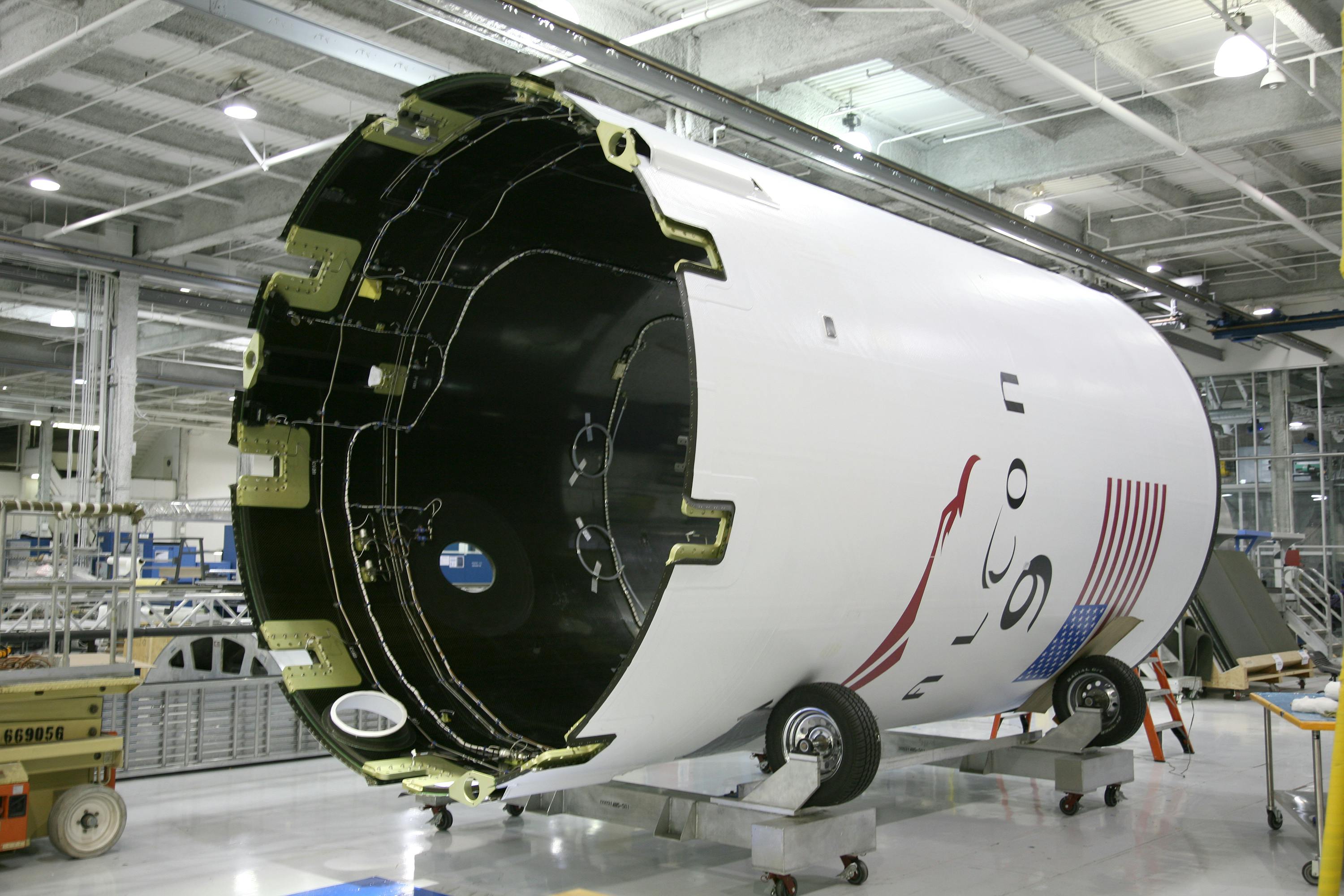
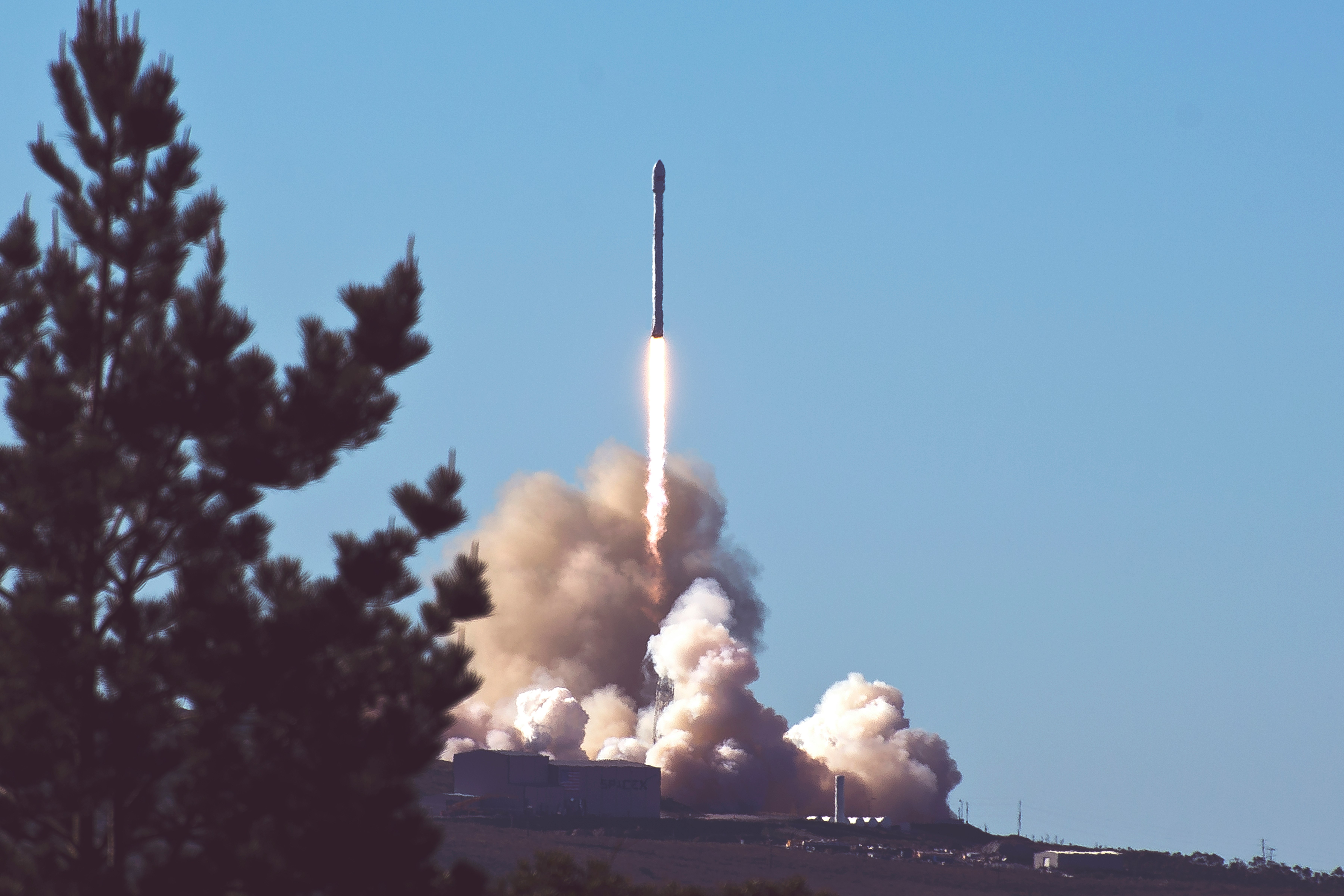
SpaceX flew a Falcon 9 booster for a record 35th time on July 10, deploying 29 Starlink satellites as direct-to-cell tech expands to pet collars.


Launch Date
April 20, 2017
Launch Site
WSC
Launch Pad
LC201
Launch Vehicle
Chang Zheng 7
NORAD ID
42684
International Designator
2017-021A
Decay Date
9/22/2017
Name
TIANZHOU-1
Alternative Name
Tianzhou-1
Type
Status
Owner
CMSEO
Country
China
Constellation
N/A
Related Satellites
Major Events
N/A
Length
9
Diameter
3.35
Span
9
Dry Mass
7000
Launch Mass
12910
Shape
Step cyl + 2 pan
Radar Cross Section
Unknown
Visual Magnitude
Unknown
Color
Unknown
Material Composition
Unknown
Payload
Tianzhou-1
Purpose
Supply, cargo
Mission
Supply, cargo
Manufacturer
CAST
Life Expectancy
Unknown
Bus
Tianzhou
Configuration
Unknown
Motor
Unknown
Equipment
Unknown
Power System
2 deployable solar arrays, batteries
ADCS
Unknown
Transmitter Frequency
Unknown
Learn more about satellites and other related topics.
SpaceX flew a Falcon 9 booster for a record 35th time on July 10, deploying 29 Starlink satellites as direct-to-cell tech expands to pet collars.
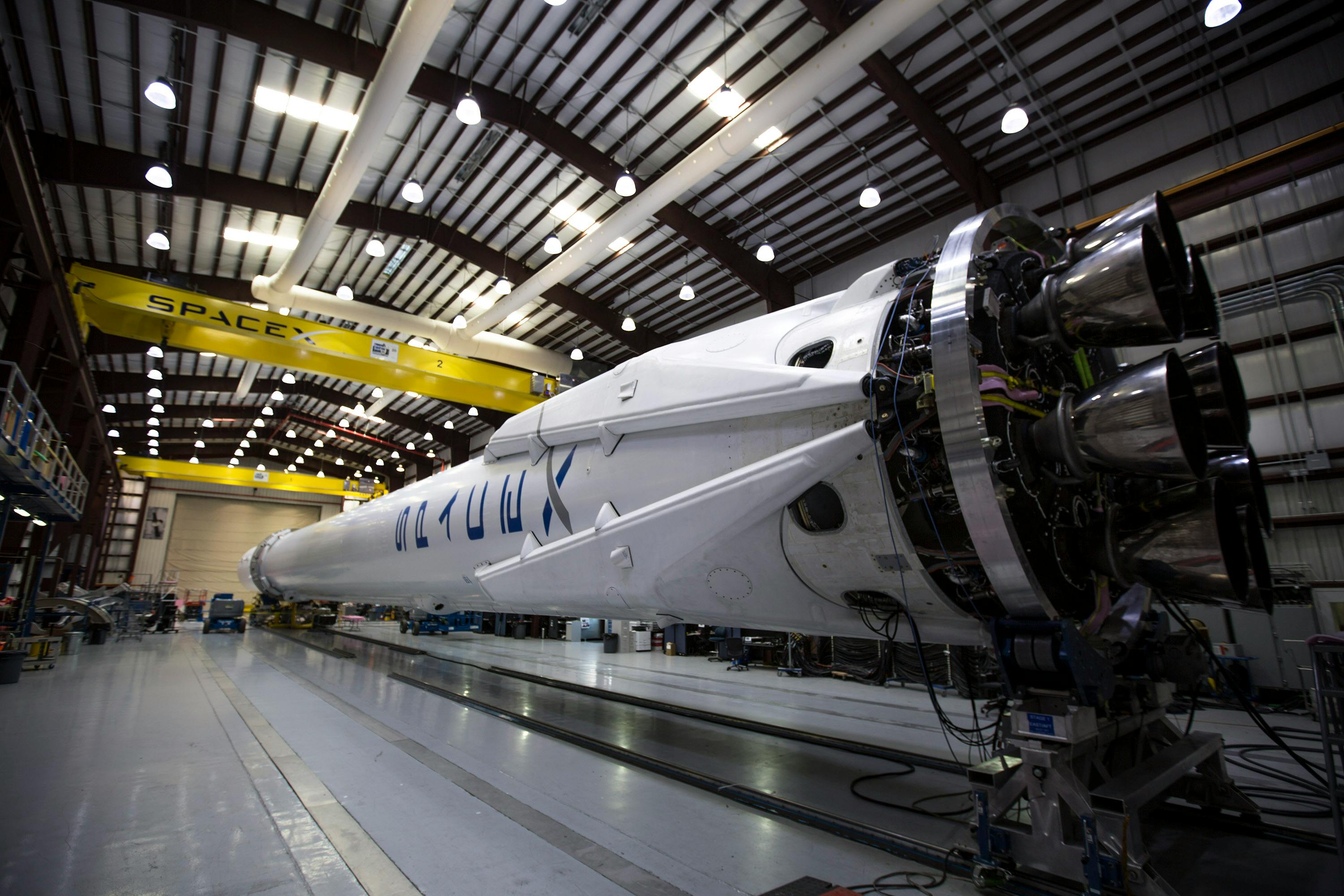
SpaceX continues to innovate as it nears peak Falcon 9 launch rates while refining technologies pivotal for future Mars missions.
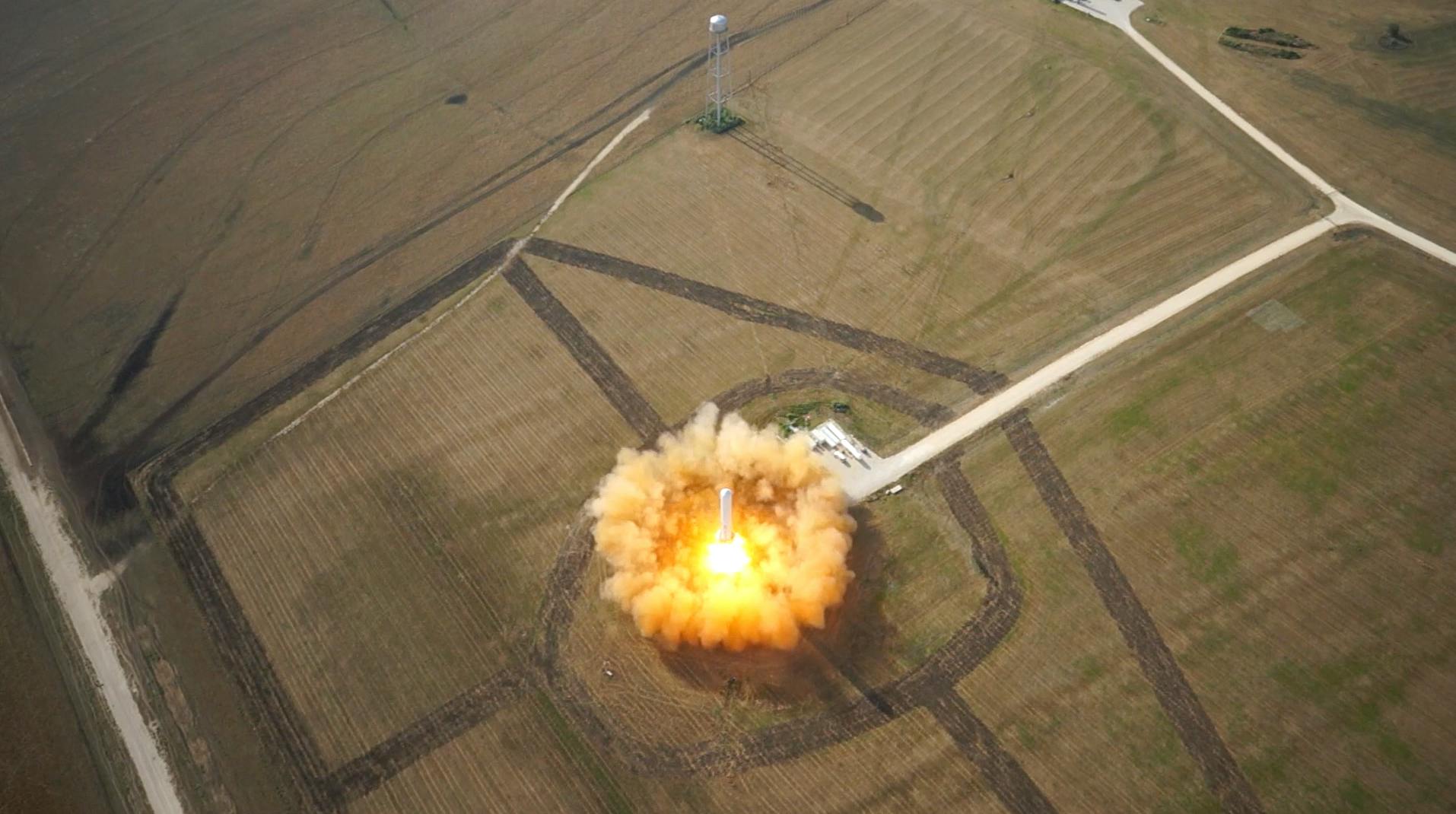
SpaceX swaps Crew Dragon capsules with NASA to accelerate Crew-10 launch, and successfully launches multiple Starlink satellites into orbit.
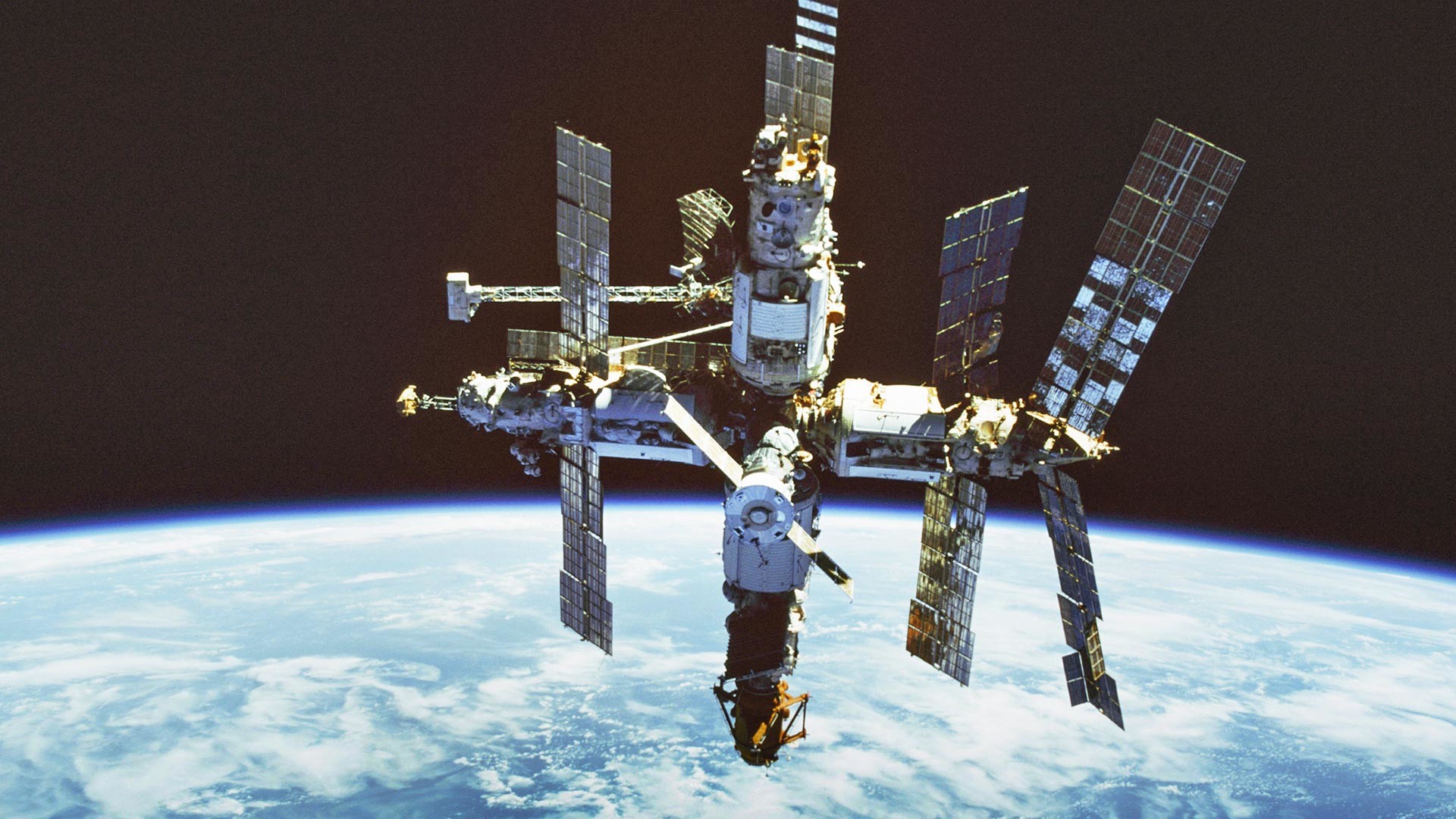
Forty years ago today, the USSR launched a 20-ton aluminum cylinder into low Earth orbit and called it 'Peace.' Over the next 15 years, Mir would host 104 people from 12 countries, survive a fire and a collision, and quietly teach humanity how to live in space.

Today's Space Brief delves into military satellite advancements and significant contract awards for space platforms, alongside pivotal European missile warning systems.
SpaceX secures NASA contract for NEO Surveyor launch and prepares for upcoming Starship test flight.

Sentinel-2C sealed in Vega rocket fairing, ULA sale tidbit, Polaris Dawn mission updates, Norway's Andøya Spaceport ready for action, Harris commits to space leadership, NASA's latest smallsat launch partners, new members join NASA composite initiative, Mynaric's manufacturing hiccups, Rocket Factory Augsburg's turbopump snag, and Amazon boosts satellite deployment infrastructure.

Space Force selects 14 companies for $1.8 billion Andromeda program to replace GSSAP geosynchronous surveillance satellites with commercial alternatives through 2036.